How Soon Can You Travel After Pacemaker Surgery
Undergoing pacemaker surgery is a significant step towards better heart health, but it often brings questions about returning to normal activities, especially travel. Generally, most patients can consider short-distance travel within a few weeks, while longer trips, particularly air travel, might require waiting a few months. It’s absolutely crucial to consult your cardiologist before making any travel plans, as individual recovery times vary greatly based on your specific condition and the surgery’s success.
How Soon Can You Travel After Pacemaker Surgery
Receiving a pacemaker is a life-changing event, often bringing a renewed sense of energy and stability to those with heart rhythm issues. Once the initial surgery is over and you’re settling back into your daily routine, it’s perfectly natural for your thoughts to drift towards regaining full independence – and for many, that includes the joy of travel. Whether you’re dreaming of a weekend getaway across Bahrain, visiting family in a neighboring GCC country, or embarking on a long-haul international adventure, the big question on your mind is likely: how soon can you travel after pacemaker surgery?
This question doesn’t have a single, universal answer. Your ability to travel safely after pacemaker surgery depends on several personal factors, including your overall health, the specific reason you needed a pacemaker, how smoothly your surgery went, and your recovery progress. While the prospect of exploring new places or simply enjoying a change of scenery is exciting, prioritizing your health and allowing for proper healing is paramount. Rushing into travel too soon can lead to complications and hinder your recovery. This comprehensive guide will walk you through the essential considerations, offer practical advice, and help you understand the timelines involved, ensuring your post-pacemaker travel plans are as safe and smooth as possible.
The key message here, above all else, is to always, always consult your cardiologist. They are your best resource and will provide personalized advice based on your unique medical profile. Think of them as your personal travel consultant for navigating life with your new pacemaker. This article aims to arm you with the knowledge to have an informed discussion with them, preparing you for a safe return to your travel adventures.
Key Takeaways
- Doctor’s Clearance is Paramount: Always consult your cardiologist before planning any travel, regardless of distance or mode. Their advice is tailored to your unique recovery.
- Recovery Varies: Individual recovery timelines differ significantly. Factors like your overall health, the reason for the pacemaker, and the type of surgery influence how soon you can travel safely.
- Start with Short Trips: Most doctors recommend beginning with short, local car trips within the first few weeks, gradually increasing distance as you feel stronger and get clearance.
- Air Travel Requires Patience: Air travel often necessitates a waiting period of 4-6 weeks, or even longer, due to cabin pressure changes, potential fatigue, and airport security considerations.
- Carry Your Pacemaker ID: Always have your pacemaker identification card and a letter from your doctor detailing your condition and device, especially when navigating airport security.
- Consider Travel Insurance: For international travel, ensure your travel insurance explicitly covers pre-existing conditions and potential medical emergencies abroad.
- Listen to Your Body: Pay close attention to how you feel. Avoid overexertion, plan for ample rest stops, and be flexible with your itinerary. Your well-being is the top priority.
Quick Answers to Common Questions
When can I fly after pacemaker surgery?
Most cardiologists recommend waiting at least 4-6 weeks, and sometimes up to 2-3 months, before flying. This allows for proper healing, device stabilization, and adaptation to cabin pressure changes.
Can I go through airport security with a pacemaker?
Yes, but you should always inform security staff about your pacemaker. While walk-through metal detectors are generally safe, it’s advised to avoid full-body scanners (millimeter wave or X-ray backscatter) and request an alternative screening method like a pat-down or hand-wand search.
Do I need special documents to travel with a pacemaker?
Absolutely. You should always carry your official pacemaker identification card. For international travel, a letter from your cardiologist summarizing your condition and pacemaker details, possibly translated, is also highly recommended.
Is long car travel safe after pacemaker surgery?
Short car trips may be permitted within 1-2 weeks. For long car travel, it’s generally advised to wait at least 3-4 weeks to ensure sufficient healing and stamina. Remember to take frequent breaks to stretch and move around.
What if I feel unwell while travelling?
If you experience any concerning symptoms such as chest pain, dizziness, or unusual fatigue, seek immediate medical attention. Have emergency contact numbers, your medical ID, and travel insurance details readily accessible.
📑 Table of Contents
- The Road to Recovery: Immediate Post-Surgery Period
- When is it Safe to Travel? General Timelines and Medical Considerations
- Navigating Different Modes of Transport After Pacemaker Surgery
- Essential Preparations for Travel with a Pacemaker
- Specific Considerations for International Travel
- Listening to Your Body and Staying Safe
- Conclusion
The Road to Recovery: Immediate Post-Surgery Period
The first few weeks immediately following your pacemaker surgery are absolutely critical for proper healing and device integration. This period is not just about physical recovery, but also about getting accustomed to your new device and understanding any new limitations. Asking “how soon can you travel after pacemaker surgery” right after your operation is probably a bit premature, as your focus should be on resting and healing.
Initial Healing and Activity Restrictions
After your pacemaker is implanted, you’ll have an incision site, usually below your collarbone. Keeping this area clean, dry, and protected is vital to prevent infection. You’ll likely experience some soreness, bruising, and swelling, which are all normal parts of the healing process. Your doctor will provide specific instructions on how to care for the incision. Typically, you’ll need to avoid submerging the incision in water (no baths or swimming) for a few weeks until it’s fully closed.
Movement restrictions are also common. You’ll be advised to limit vigorous arm movements on the side where the pacemaker was implanted. This means no heavy lifting (usually anything over 5-10 pounds or 2-4.5 kg), no reaching overhead, and no sudden jerking motions with that arm for about 4-6 weeks. These precautions are crucial to ensure the pacemaker leads, which connect the device to your heart, settle securely into place. Disrupting them could require another procedure.
Energy Levels and Follow-up Appointments
It’s common to feel tired or fatigued after surgery. Your body is working hard to heal, and adjusting to your new pacemaker can also take energy. This is not the time to push yourself. Listen to your body and prioritize rest. You’ll also have crucial follow-up appointments with your cardiologist in the weeks following surgery. These appointments allow your doctor to check the incision, assess your heart rhythm, and ensure your pacemaker is functioning optimally. These checks are fundamental before even beginning to think about how soon you can travel after pacemaker surgery.
During these early weeks, short walks around your home or neighborhood are usually encouraged, but strenuous activities are off-limits. Most people can resume driving within 1-2 weeks, provided they are no longer taking strong pain medication and have regained full range of motion without discomfort on the side of the pacemaker.
When is it Safe to Travel? General Timelines and Medical Considerations
Once you’ve navigated the immediate post-operative period and are feeling stronger, the question of how soon can you travel after pacemaker surgery becomes more relevant. While there’s no fixed timeline that applies to everyone, general guidelines can help you plan.
The “Wait and See” Period: Why Delay is Important
Your doctor will likely recommend a “wait and see” period before you embark on significant travel. This waiting time allows for several important things to happen:
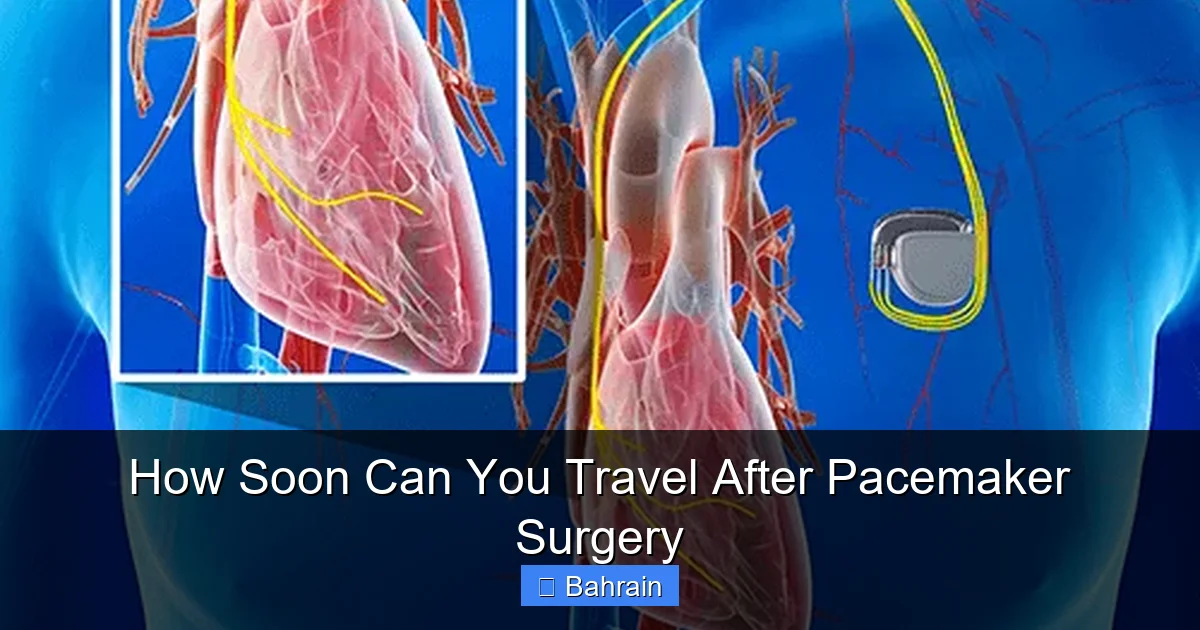
Visual guide about How Soon Can You Travel After Pacemaker Surgery
Image source: medicaltourismdoctors.com
- Full Incision Healing: The incision needs to be completely closed and healed to minimize the risk of infection, especially important when exposed to different environments.
- Lead Stabilization: The pacemaker leads need time to embed themselves securely in your heart tissue. Premature vigorous activity or sudden movements can dislodge them.
- Device Optimization: Your cardiologist will fine-tune your pacemaker settings during follow-up appointments to ensure it’s perfectly suited to your needs. This process takes time, and stability is key before travelling.
- Overall Strength and Stamina: You need to regain your strength and stamina to cope with the physical demands of travel, which can be exhausting even for healthy individuals.
Typical Waiting Periods for Different Travel Types
- Local Car Travel: For short car journeys (e.g., within your city or a neighboring town in Bahrain), many patients can resume this within 1-2 weeks after surgery, provided they are comfortable and not on strong pain medication. Long car trips, however, should be delayed for at least 3-4 weeks to allow for more healing and stamina recovery. Remember to take frequent breaks to stretch and move around.
- Train Travel: Similar to car travel, shorter train journeys might be permissible within a few weeks, but longer trips would benefit from a waiting period of at least a month. The ability to move around and stretch is a definite advantage over car travel.
- Air Travel: This is where patience is key. Most cardiologists recommend waiting at least 4-6 weeks, and sometimes up to 2-3 months, before flying. The reasons for this longer wait include:
- Cabin Pressure Changes: While modern aircraft cabins are pressurized, there are still changes in air pressure that can potentially affect your body, and possibly, though rarely, the device itself.
- Extended Sitting: Long flights increase the risk of deep vein thrombosis (DVT), especially after surgery.
- Airport Security: Navigating security can be stressful and involve specific considerations for pacemakers.
- Fatigue: Air travel can be very tiring, and your body needs to be fully recovered to cope with it.
It cannot be stressed enough: these are general guidelines. Your cardiologist will give you the most accurate timeline for how soon you can travel after pacemaker surgery based on your individual recovery.
Navigating Different Modes of Transport After Pacemaker Surgery
Once you’ve received your cardiologist’s blessing to travel, understanding the nuances of each mode of transport is essential to ensure a comfortable and safe journey with your new pacemaker. This section offers practical tips for various travel methods when you’re ready to travel after pacemaker surgery.
Car Travel: Local Exploration and Road Trips
Car travel is often the first type of journey patients consider after pacemaker surgery. For short distances, perhaps visiting family in another area of Bahrain, this can be feasible quite early. When considering longer road trips:
- Take Breaks: Plan for frequent stops every 1-2 hours to get out, stretch your legs, and walk around. This helps with circulation and reduces stiffness.
- Comfort is Key: Ensure your seatbelt doesn’t rub uncomfortably over your pacemaker site. You can use a small cushion or soft cloth between the seatbelt and your skin if needed.
- Share Driving Duties: If possible, travel with someone who can share the driving. This prevents fatigue and allows you to rest.
- Stay Hydrated: Drink plenty of water and avoid excessive caffeine or sugary drinks.
Air Travel: Flying High with Confidence
Air travel requires the most careful planning and the longest waiting period. But with the right preparations, it’s very much achievable for those who can travel after pacemaker surgery.
Airport Security and Your Pacemaker
This is often the biggest concern for pacemaker patients. Here’s what you need to know:
- Inform Security: Always tell airport security staff that you have a pacemaker before going through any screening process.
- Show Your ID Card: Present your pacemaker identification card. This card, provided by the device manufacturer, contains important information about your specific pacemaker.
- Metal Detectors (Walk-Through Scanners): Most pacemakers are designed to be unaffected by walk-through metal detectors. However, some patients may feel a momentary, mild interference. It’s generally recommended to walk through at a normal pace and avoid lingering in the archway.
- Full-Body Scanners (Millimeter Wave/X-ray Backscatter): Most pacemaker manufacturers and heart organizations advise against direct exposure to these scanners, as their effects on pacemakers are not fully understood. Request an alternative screening method, such as a pat-down or a hand-wand search.
- Hand-Held Wands: If a hand-held wand is used, ask the security officer to avoid holding it directly over your pacemaker for an extended period. A quick pass is generally fine.
Always stay calm and communicate clearly with security personnel. They are trained to handle medical device passengers.
During the Flight
- Move Around: On long flights, get up and walk the aisle every hour or two if possible. If you must remain seated, perform leg and foot exercises regularly to promote circulation.
- Hydration: Drink plenty of water and limit alcohol and caffeine, which can lead to dehydration.
- Medication: Keep all necessary medications in your carry-on luggage with their original labels.
- Medical Device Card: Have your pacemaker ID card and a doctor’s letter easily accessible, even in the air.
Sea and Train Travel
For cruises or longer train journeys, similar principles apply:
- Medical Facilities: If on a cruise, check the medical facilities available on board. Large cruise ships usually have doctors and nurses.
- Movement: Both modes allow for more freedom of movement than a car, which is beneficial for circulation.
- Comfort: Ensure comfortable seating and ample rest.
Essential Preparations for Travel with a Pacemaker
Thorough preparation is the bedrock of a successful and stress-free journey, especially when you are considering how soon you can travel after pacemaker surgery. A little planning goes a long way in ensuring your health and peace of mind.
Doctor’s Clearance and Medical Documentation
- Get the Green Light: The single most important step is to get explicit approval from your cardiologist. Discuss your travel plans, destination, duration, and chosen mode of transport.
- Pacemaker Identification Card: Always carry your official pacemaker ID card. This card provides crucial information about your device, including its model, serial number, and implant date. It’s essential for security screenings and any medical emergencies.
- Doctor’s Letter: Ask your cardiologist for a letter summarizing your medical condition, the reason for your pacemaker, and any specific precautions or medications you’re on. For international travel, having this letter translated into the language of your destination or a widely spoken language like English is highly advisable.
- Recent ECG/Medical Report: While not always necessary, having a copy of a recent electrocardiogram (ECG) or a summary of your latest pacemaker check can be helpful, especially for international travel, in case you need medical attention abroad.
Medication Management
If you take other medications in addition to having a pacemaker, proper management is key:
- Sufficient Supply: Ensure you have enough medication for the entire trip, plus a few extra days’ supply in case of unexpected delays.
- Carry-on Only: Always pack all your medications in your carry-on luggage. Never put essential medications in checked baggage, as it could get lost.
- Original Containers: Keep medications in their original, labeled containers to avoid issues with airport security or customs.
- Time Zone Adjustments: If travelling across multiple time zones, discuss with your doctor or pharmacist how to adjust your medication schedule.
Travel Insurance: Your Safety Net
For anyone, travel insurance is recommended, but for individuals with a pre-existing condition like a pacemaker, it’s absolutely vital. When you are planning to travel after pacemaker surgery, especially from Bahrain to other countries, ensure your policy specifically covers:
- Pre-existing Medical Conditions: Many standard policies exclude pre-existing conditions unless declared and specifically included.
- Emergency Medical Treatment: Cover for doctor’s visits, hospital stays, and emergency procedures.
- Medical Evacuation/Repatriation: In a severe emergency, this covers the cost of transporting you to a suitable medical facility or back home to Bahrain if necessary.
Read the fine print carefully and ask specific questions to ensure you have adequate coverage.
Emergency Plan and Contacts
Before you leave, have a clear emergency plan:
- Local Emergency Numbers: Know the emergency services numbers at your destination.
- Contact Information: Keep a list of your cardiologist’s contact information, your general practitioner, and close family members with you.
- Destination Research: Identify hospitals or clinics at your destination that are equipped to handle cardiac issues, especially if travelling to a remote area.
Specific Considerations for International Travel
International travel, while exciting, adds another layer of complexity compared to domestic trips. For those in Bahrain venturing abroad after pacemaker surgery, these extra considerations become even more important.
Time Zones and Medication Schedules
Crossing multiple time zones can disrupt your medication schedule. Work with your doctor to create a plan for adjusting your medication timings. This might involve taking doses slightly earlier or later than usual on travel days to gradually shift your internal clock.
Access to Healthcare Abroad
Research the healthcare system at your destination. What is the standard of care? Do you need an appointment for a specialist? For example, if you’re travelling from Bahrain to a European country, healthcare systems might differ significantly. Having your medical records, including your pacemaker ID card and a doctor’s letter, translated into the local language or English, can be invaluable if you need medical assistance.
Language Barriers
If you’re travelling to a country where you don’t speak the language, consider carrying a small card with key medical information (e.g., “I have a pacemaker,” “I need urgent medical attention”) translated into the local language. Many travel apps also offer instant translation services that can be helpful.
Cultural Differences and Activities
Be mindful of cultural norms and your physical limitations. While exploring new cultures is wonderful, avoid activities that could put undue strain on your heart or incision site. Always err on the side of caution and listen to your body, no matter how soon you wish to travel after pacemaker surgery.
Listening to Your Body and Staying Safe
Ultimately, regardless of how soon you decide to travel after pacemaker surgery, your body is your best guide. Recovery is not a race, and pushing yourself too hard can be counterproductive.
Recognizing Warning Signs
Be aware of any symptoms that might indicate a problem and seek medical attention if you experience:
- Chest pain or discomfort
- Dizziness or lightheadedness
- Shortness of breath
- Unusual fatigue
- Signs of infection at the incision site (redness, warmth, swelling, pus, fever)
- Swelling in your legs or ankles
If you’re abroad, locate the nearest medical facility immediately or call for emergency services. Do not delay seeking help.
Pacing Yourself and Flexibility
Travel can be tiring. Build plenty of rest time into your itinerary. Don’t try to cram too much into each day. Be flexible with your plans; if you feel unwell, be prepared to adjust your schedule or even cancel activities. The goal is to enjoy your trip safely, not to push your limits. Take comfort in the knowledge that with proper planning and communication with your healthcare team, you absolutely can travel after pacemaker surgery, and enjoy your life to the fullest.
Conclusion
Receiving a pacemaker marks a new chapter in your life, one that often brings improved health and the potential for a more active lifestyle, including travel. The question of how soon can you travel after pacemaker surgery is a common one, and while the answer is nuanced and deeply personal, the overarching advice remains clear: communication with your cardiologist is paramount. They possess the unique insight into your specific medical condition, recovery progress, and the optimal timeline for your safe return to travel.
By understanding the general recovery timelines, making essential preparations, and being aware of the specific considerations for different modes of transport and international destinations, you can plan your journeys with confidence. Remember to carry your pacemaker identification, keep essential medical documents handy, and ensure you have comprehensive travel insurance. Most importantly, listen to your body, pace yourself, and don’t hesitate to seek medical advice if anything feels amiss. With thoughtful planning and a focus on your well-being, the world can still be your oyster, ready to be explored after pacemaker surgery. Safe travels!
Frequently Asked Questions
How long should I wait before driving after pacemaker surgery?
Typically, most patients can resume driving 1-2 weeks after pacemaker surgery, provided they are no longer taking strong pain medication that impairs judgment and have regained full comfortable movement of their arm on the pacemaker side. Always follow your doctor’s specific advice.
Can I lift luggage after my pacemaker surgery?
You should avoid lifting anything heavy (usually more than 5-10 pounds or 2-4.5 kg) for about 4-6 weeks after surgery. This is crucial to protect the incision and ensure the pacemaker leads remain securely in place. Ask for assistance with luggage when travelling.
What should I do if my pacemaker sets off a metal detector?
If your pacemaker triggers an alarm at airport security, calmly inform the officer that you have a pacemaker and present your identification card. You will likely be offered an alternative screening method, such as a hand-wand search or a pat-down.
Are there any specific exercises I should avoid before travelling?
Before travelling, continue to avoid strenuous exercises, heavy lifting, or any movements that involve vigorous reaching overhead or repetitive arm motions on the side of your pacemaker for the prescribed recovery period (usually 4-6 weeks) to prevent dislodging the leads.
How important is travel insurance for pacemaker patients?
Travel insurance is extremely important for pacemaker patients, especially for international travel. Ensure your policy explicitly covers pre-existing medical conditions and includes comprehensive coverage for emergency medical treatment and potential medical evacuation or repatriation costs.
Can I travel alone after pacemaker surgery?
While possible, it’s generally recommended to travel with a companion, particularly for longer or international trips, especially in the initial months after surgery. A travel companion can offer assistance, provide support, and help in case you feel unwell or need to navigate unexpected challenges.