Best Time of Year to Travel to Australia
Planning a trip Down Under? The best time of year to travel to Australia heavily depends on which regions you plan to explore, given its vast size and varied climate zones. Generally, the shoulder seasons of spring (September-November) and autumn (March-May) offer pleasant weather across many popular areas, providing a fantastic balance for diverse itineraries and fewer crowds. However, specific seasons are ideal for tropical north adventures or southern beach escapes, making careful planning key to an unforgettable journey.
Welcome to Australia, a land of breathtaking diversity, where ancient landscapes meet vibrant modern cities, and unique wildlife roams freely. From the sun-kissed beaches of the Gold Coast to the rugged beauty of the Outback, and the dazzling coral gardens of the Great Barrier Reef, Australia promises an adventure like no other. But here’s the kicker: it’s a massive continent, almost the size of the United States, and its sheer scale means that planning the *best time of year to travel to Australia* isn’t a simple one-size-fits-all answer.
Imagine trying to decide the best time to visit both Canada and Mexico in the same trip – it’s a bit like that! Australia experiences a vast range of climates, from the tropical north to the temperate south, and the arid interior. This means the perfect season for one region might be completely unsuitable for another. Don’t worry, though! This comprehensive guide is designed to help you navigate Australia’s unique seasonal shifts and diverse weather patterns, ensuring you pick the ideal time for *your* dream Australian adventure.
So, whether you’re dreaming of snorkelling with turtles, hiking through ancient gorges, sipping world-class wines, or simply soaking up the sun on a pristine beach, understanding Australia’s seasons is your first step to an unforgettable trip. Let’s dive in and discover the best time of year to travel to Australia, tailored to your interests and desired destinations.
Key Takeaways
- Australia’s Seasons Are Opposite: Remember that seasons Down Under are reversed compared to the Northern Hemisphere, with summer from December to February and winter from June to August.
- Consider Climate Zones: Australia has three main climate zones – tropical in the north, arid in the centre, and temperate in the south. The ideal travel time for each zone varies significantly.
- Spring (Sep-Nov) and Autumn (Mar-May) are Shoulder Seasons: These months often provide the best balance, offering pleasant weather across many popular regions, fewer crowds, and moderate prices.
- Summer (Dec-Feb) is Great for Southern Beaches: Ideal for cities like Sydney, Melbourne, and Perth, and coastal activities, but brings high heat and humidity (and sometimes monsoons) to the tropical north.
- Winter (Jun-Aug) is Best for the Tropical North and Red Centre: Cooler, drier weather makes this the perfect time to visit places like Cairns, Darwin, and Uluru, avoiding intense heat and wet season humidity.
- Avoid School Holidays if Possible: Australian school holidays, especially around Christmas/New Year and Easter, can lead to higher prices and larger crowds at popular tourist spots.
- Plan for Specific Activities: Your ideal travel time will also depend on your interests, whether it’s diving the Great Barrier Reef, hiking in Tasmania, or exploring the Outback.
Quick Answers to Common Questions
What’s the absolute best time for a first-time visitor wanting to see a bit of everything?
For a diverse trip covering various regions, the shoulder seasons of spring (September-November) and autumn (March-May) are often ideal. They offer pleasant weather across many popular areas, including southern cities, the Great Barrier Reef, and the Red Centre.
When is the best time to visit the Great Barrier Reef?
The best time to visit the Great Barrier Reef is during Australia’s dry season, from June to October. During these months, the weather is sunny, humidity is low, and water visibility is excellent for diving and snorkelling. It’s also outside of the marine stinger season.
Is it really always hot in Australia?
No, Australia is not always hot! While its vast size means varied climates, southern regions experience distinct cool winters with temperatures similar to many Northern Hemisphere spring or autumn days. The tropical north has a hot, humid wet season and a warm, dry season.
When should I avoid travelling to Australia due to crowds or weather?
To avoid the biggest crowds and highest prices, try to steer clear of Australian school holidays (especially around Christmas/New Year and Easter). If you dislike intense heat and humidity, avoid the tropical north during its wet season (December-April) or the Red Centre in summer (December-February).
When is whale watching season in Australia?
Whale watching season in Australia generally runs from May to November. Humpback whales migrate along the east and west coasts, while Southern Right Whales are often seen along the southern coastline, particularly from June to September.
📑 Table of Contents
- Understanding Australia’s Unique Seasons and Climate Zones
- Spring (September – November): The Golden Window for Many
- Autumn (March – May): Another Fantastic Shoulder Season
- Summer (December – February): Sun, Surf, and Southern Fun
- Winter (June – August): Outback Wonders and Northern Escapes
- Specific Considerations: Events, Crowds, and Budget
- Conclusion: Crafting Your Perfect Australian Adventure
Understanding Australia’s Unique Seasons and Climate Zones
Before we talk about specific months, it’s crucial to grasp two fundamental aspects of Australian weather: its reversed seasons and its distinct climate zones. Forget what you know about the Northern Hemisphere calendar!
The Reversed Calendar: When is Summer?
Australia’s seasons are the complete opposite of what many travelers from the Northern Hemisphere are used to.
- Summer: December, January, February
- Autumn (Fall): March, April, May
- Winter: June, July, August
- Spring: September, October, November
This reversal is key to planning. If you’re escaping a cold winter in your home country, you might be heading straight into Australian summer!
Three Major Climate Zones
Australia isn’t just one climate; it’s a mosaic of weather patterns. Broadly, you can divide the continent into three main zones, each with its own ideal travel window. Knowing these zones is vital when considering the best time of year to travel to Australia.
The Tropical North
This includes areas like Cairns, Darwin, and the Kimberley region. It experiences two main seasons:
- Wet Season (Summer): December to April. Characterized by high humidity, heavy rainfall, and potential cyclones. It’s lush and green, but some areas might be inaccessible due to flooding.
- Dry Season (Winter): May to November. Cooler temperatures, lower humidity, and minimal rainfall. This is generally the *best time* to visit the tropical north.
The Arid Centre (The Outback)
This vast region covers places like Uluru (Ayers Rock) and Alice Springs.
- Hot Summers: December to February. Temperatures can soar, often exceeding 40°C (104°F), making outdoor activities challenging and sometimes dangerous.
- Mild Winters: June to August. Days are warm and sunny, with cool nights. This is the *best time* to explore the Red Centre comfortably.
The Temperate South
Encompassing major cities like Sydney, Melbourne, Perth, Adelaide, and the entire island of Tasmania.
- Warm Summers: December to February. Ideal for beaches and outdoor activities, though cities can get hot.
- Mild Winters: June to August. Cooler temperatures, some rainfall, but generally mild enough for sightseeing, especially in the north of this zone. Tasmania experiences colder winters with potential snow.
Spring (September – November): The Golden Window for Many
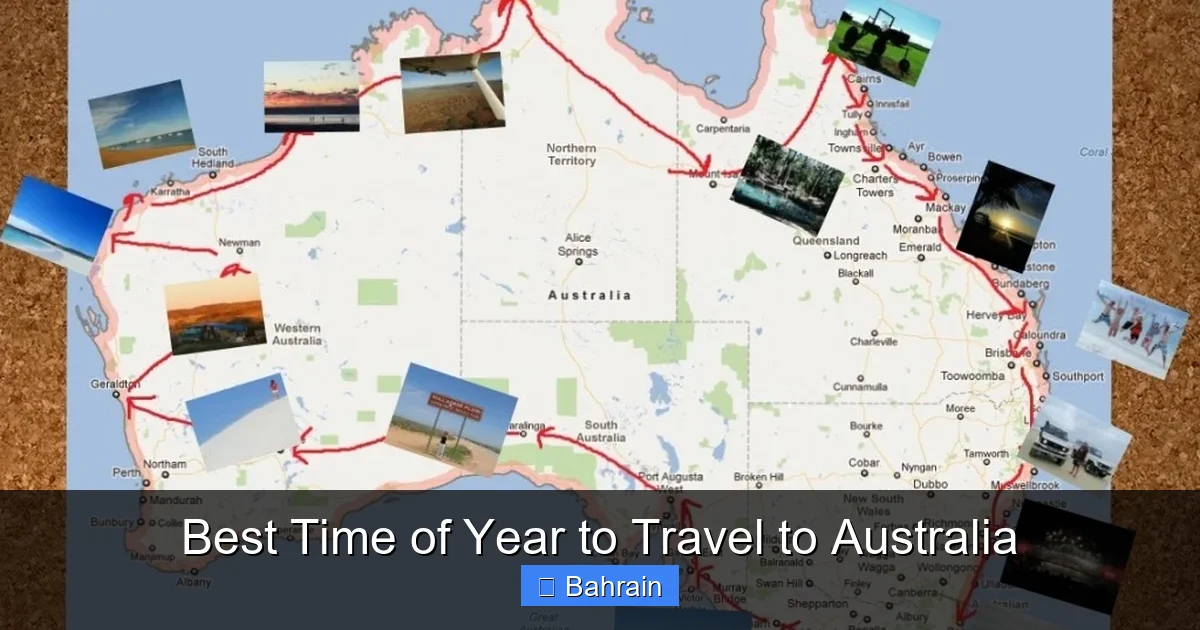
Visual guide about Best Time of Year to Travel to Australia
Image source: thetravelhack.com
If there’s a “sweet spot” for many travelers looking for the best time of year to travel to Australia, it’s often Spring.
Why Spring is So Good
Spring offers a wonderful balance across much of the continent. The southern regions are warming up pleasantly, wildflowers are blooming, and the tropical north is transitioning from its dry season, meaning clear skies and comfortable temperatures are still largely the norm before the humidity kicks in.
Southern Delights in Spring
* Sydney & Melbourne: Enjoyably warm days perfect for exploring city sights, beaches, and outdoor dining. Temperatures typically range from 15-25°C (59-77°F). It’s a fantastic time for coastal walks or exploring the Royal Botanic Garden in Sydney.
* Perth: Famous for its stunning wildflowers, Perth in spring is absolutely spectacular. The city and surrounding regions burst into colour. The weather is warm and sunny, ideal for beach visits or exploring Kings Park.
* Adelaide & Wine Regions: The Barossa Valley and McLaren Vale are beautiful with new growth on the vines, and the weather is perfect for vineyard tours and outdoor tastings.
* Tasmania: While still a bit cool, late spring offers stunning landscapes and fewer crowds than summer. The days are longer, and the weather is generally pleasant for hiking and exploring.
Northern Nuances in Spring
* Great Barrier Reef & Cairns: Early spring (September-October) is fantastic for the reef. The water is clear, and temperatures are warming up, but the intense humidity and stingers (jellyfish season) haven’t fully arrived. Late November can start to see increased humidity and occasional downpours, especially in the far north.
* Uluru & The Red Centre: September and October are still excellent months to visit Uluru, with warm days and mild nights. By November, temperatures start to climb significantly, making midday activities challenging.
Spring Travel Tips
* Book Ahead: While not as busy as peak summer, popular destinations and accommodations can book up, especially around school holidays (late September/early October).
* Pack Layers: Mornings and evenings can still be cool in the south, even if days are warm.
* Wildflower Season: If you’re in Western Australia, make sure to seek out the incredible wildflower displays.
Autumn (March – May): Another Fantastic Shoulder Season
Following spring, autumn is another contender for the best time of year to travel to Australia. It mirrors many of the advantages of spring, but with a different seasonal feel.
Why Autumn Shines
Autumn sees the southern parts of Australia cooling down from the summer heat, offering glorious, mild weather perfect for outdoor exploration. The tropical north is transitioning out of its wet season, meaning conditions start to dry out and become more comfortable.
Southern Charm in Autumn
* Sydney & Melbourne: Experience wonderfully crisp, clear days. The summer crowds have thinned, and temperatures are comfortable, typically ranging from 12-22°C (54-72°F). It’s a great time for city walks, cultural events, and exploring national parks near the cities.
* Wine Regions: This is harvest season! Visiting the Hunter Valley, Barossa, or Margaret River in autumn means you can witness the grape-picking action, enjoy wine festivals, and see beautiful autumn foliage in cooler climate regions.
* Tasmania: Particularly May, when the Fagus trees (Australia’s only native deciduous tree) turn brilliant shades of red and gold, creating spectacular scenery, especially in national parks like Cradle Mountain.
Northern Relief in Autumn
* Great Barrier Reef & Cairns: March to May are fantastic for the reef. The wet season has largely subsided, leaving lush landscapes, clear waters, and fewer crowds than the dry season peak. Stinger season is still active, so wetsuits are highly recommended.
* Uluru & The Red Centre: April and May are some of the absolute best months to visit the Outback. The intense summer heat has passed, and temperatures are ideal for hiking and exploring, typically 20-30°C (68-86°F) during the day. Nights are cool but comfortable.
Autumn Travel Tips
* School Holidays: Be aware of Easter and other school holidays (usually mid-April) as prices and crowds will increase during these periods.
* Beach Time: While southern beaches might be getting too cool for swimming by May, early autumn still offers pleasant beach days.
* Photography: The autumn colours in cooler climates and the clear skies in the north make for stunning photographic opportunities.
Summer (December – February): Sun, Surf, and Southern Fun
Summer in Australia is synonymous with long, sunny days, vibrant city life, and endless beach culture, especially in the south.
Southern Australia’s Summer Appeal
* Sydney & Melbourne: These cities come alive in summer! Think outdoor concerts, bustling cafes, and packed beaches. Temperatures can be hot, often hitting 30°C (86°F) or more, with warm evenings perfect for al fresco dining. It’s the ideal time for coastal walks, surfing lessons, and enjoying harbour cruises.
* Perth & Adelaide: Expect hot, dry weather perfect for beach holidays. Perth boasts stunning beaches like Cottesloe, and Adelaide offers easy access to the Fleurieu Peninsula’s beautiful coastline.
* Tasmania: Summer is peak season for Tasmania. The weather is at its warmest and most stable, perfect for hiking its renowned national parks (e.g., Freycinet, Cradle Mountain) and exploring its rugged coastline.
The Tropical North in Summer
* Wet Season: This is the monsoon season for destinations like Cairns, Darwin, and the Kimberley. Expect high humidity, heavy rainfall (often afternoon downpours), and the risk of cyclones. Some national parks and roads might be closed due to flooding. While lush and dramatic, it’s generally *not* the best time for first-time visitors to these regions, though budget travellers might find cheaper deals.
* Stinger Season: From November to May, tropical waters are home to marine stingers, making swimming without protective suits risky.
Summer Travel Tips
* Book Early: This is peak season, especially around Christmas and New Year. Flights, accommodation, and popular tours will sell out and be at their most expensive.
* Hydrate and Protect: The Australian sun is intense. Always wear high SPF sunscreen, a hat, and sunglasses, and drink plenty of water.
* Flexibility: If travelling to the tropical north, be prepared for potential weather disruptions.
* Bushfires: Summer, especially in dry periods, can bring the risk of bushfires in southern and eastern Australia. Stay informed of local conditions.
Winter (June – August): Outback Wonders and Northern Escapes
While many think of Australia as perpetually hot, winter offers unique and often superior experiences, particularly away from the southern coasts.
The Tropical North’s Dry Season Delight
* Cairns & Great Barrier Reef: This is the absolute *best time* for the tropical north. The weather is dry, sunny, and warm (typically 20-30°C / 68-86°F), with low humidity and virtually no rain. Water visibility for diving and snorkelling on the Great Barrier Reef is excellent, and it’s outside stinger season.
* Darwin & The Kimberley: Perfect weather for exploring Kakadu and Litchfield National Parks, cruising the Yellow Water Billabong, and enjoying outdoor markets. The waterfalls are flowing well after the wet season, and wildlife spotting is superb.
* Uluru & The Red Centre: Days are warm and sunny (around 20-25°C / 68-77°F), making it ideal for hiking around Uluru and Kata Tjuta. Nights can be quite cold, dropping to near freezing, so pack layers.
Southern Australia in Winter
* Sydney & Melbourne: Milder than Northern Hemisphere winters, but expect cooler temperatures (10-18°C / 50-64°F) and some rainy days. It’s still a great time for city exploration, museums, theatre, and enjoying cozy cafes.
* Whale Watching: This is prime whale-watching season along the eastern and western coasts as humpback and southern right whales migrate.
* Snow Sports: Believe it or not, Australia has ski fields in the Snowy Mountains (NSW) and Victorian Alps. If you’re keen on skiing or snowboarding, this is your season!
* Perth & Adelaide: Milder than the east coast, with pleasant days interspersed with rain. Still good for exploring, but perhaps less appealing for beach days.
* Tasmania: Colder, but incredibly atmospheric. Winter can bring snow to the higher peaks, and the stark beauty of the landscape is captivating. Look out for Aurora Australis (Southern Lights) on clear nights.
Winter Travel Tips
* Pack Warmly for Nights: Especially if heading to the Red Centre or southern regions.
* Popularity in the North: The dry season is peak tourist time for the tropical north, so book well in advance for Cairns, Darwin, and Uluru tours and accommodation.
* Enjoy the Culture: Winter is a great time to immerse yourself in Australia’s vibrant arts and culture scene, particularly in the southern cities.
Specific Considerations: Events, Crowds, and Budget
Beyond just weather, there are other factors that influence the best time of year to travel to Australia.
Festivals and Events
Australia has a packed calendar of events.
* Vivid Sydney (May/June): A spectacular light festival that transforms Sydney Harbour.
* Melbourne International Comedy Festival (March/April): One of the largest comedy festivals in the world.
* Australian Open (January): World-class tennis in Melbourne.
* Formula 1 Australian Grand Prix (March): Another major event in Melbourne.
* Adelaide Fringe Festival (February/March): A massive arts festival.
* Local Festivals: Numerous regional food, wine, and cultural festivals occur throughout the year. If a specific event is on your radar, that will dictate your travel dates.
Crowds and Prices
* Peak Season (Summer & Northern Dry Season): December-February (southern Australia) and June-August (tropical north) see the highest demand, meaning higher prices for flights, accommodation, and tours. Popular spots will be crowded.
* Shoulder Seasons (Spring & Autumn): Generally offer a good balance of pleasant weather, fewer crowds, and more moderate prices. This is often the best time of year to travel to Australia for value and experience.
* Off-Peak/Low Season: The tropical wet season (December-April) in the north and southern winter (June-August) for non-ski areas. You’ll find the best deals, but some areas might be less accessible or offer limited activities.
School Holidays
Always check the Australian school holiday schedule (state-by-state variations exist, but general periods are consistent). These often coincide with public holidays like Christmas, Easter, and term breaks. Travelling during these times can significantly increase costs and crowd levels.
Conclusion: Crafting Your Perfect Australian Adventure
As you can see, determining the *best time of year to travel to Australia* is truly about understanding your priorities. Are you a beach bum looking for sun-drenched shores? Head south in summer. Do you dream of exploring ancient rock formations under clear skies? Winter is your friend for the Red Centre. Is snorkelling the Great Barrier Reef your top priority without the humidity? Aim for the dry season or shoulder months.
For a diverse itinerary covering multiple regions, the shoulder seasons of spring (September-November) and autumn (March-May) often emerge as the most flexible and enjoyable times. They offer a comfortable climate across many popular destinations, allowing you to seamlessly transition from southern cities to northern wonders or the Outback without extreme weather conditions.
Ultimately, Australia is an incredible destination year-round. With careful planning, a bit of flexibility, and a clear idea of what you want to experience, you can ensure your trip Down Under is nothing short of spectacular, no matter when you choose to go. Happy travels!
Frequently Asked Questions
What are the cheapest months to travel to Australia?
The cheapest months to travel to Australia are generally during the off-peak seasons. This includes late autumn/early winter (May-June) for southern regions, or the tropical north’s wet season (January-March) if you can brave the humidity and potential closures. Avoiding major school holidays will also yield better prices.
Can I visit the Outback in summer?
While you can technically visit the Outback in summer (December-February), it’s generally not recommended due to extreme heat, often exceeding 40°C (104°F). This makes outdoor activities challenging and potentially dangerous. The best time for the Outback is during the cooler winter months (June-August) or shoulder seasons.
When is the wet season in tropical North Australia?
The wet season in tropical North Australia, covering areas like Cairns and Darwin, typically runs from December to April. During this time, you can expect high humidity, heavy rainfall, afternoon storms, and potential cyclones, which can lead to flooding and road closures.
What’s the best time for hiking in Tasmania?
The best time for hiking in Tasmania is during its warmer months, from December to March (summer and early autumn). The weather is generally more stable and pleasant, with longer daylight hours, making it ideal for exploring its stunning national parks and coastal trails.
When can I see wildflowers in Australia?
Wildflowers bloom across Australia, but Western Australia is particularly famous for its spectacular displays. The best time to see wildflowers there is typically from late August to early November, with peak blooming in September and October, especially in areas around Perth and further north.
Are there marine stingers year-round on the Great Barrier Reef?
No, marine stingers are seasonal on the Great Barrier Reef. The “stinger season” generally runs from November to May in the tropical waters of North Queensland. During these months, it’s highly recommended to wear protective stinger suits when swimming, snorkelling, or diving to prevent stings from potentially dangerous jellyfish.