Severe Weather Disrupts Holiday Travel in the Us
Severe weather frequently disrupts holiday travel in the US, turning festive journeys into stressful ordeals. From snowstorms grounding flights to hurricanes closing highways, understanding these challenges is crucial for a smoother experience. This article offers comprehensive guidance on preparation, coping strategies, and tips to minimize the impact of weather-related disruptions on your cherished holiday plans.
Ah, the holidays! A magical time filled with joy, family, festive cheer, and… often, a whole lot of travel stress. While visions of sugar plums might dance in your head, for many Americans, those visions are quickly replaced by anxious thoughts of airport terminals, jammed highways, and the ever-present threat of Mother Nature unleashing her fury. There’s a particular dread that comes with seeing a winter storm warning pop up right before your Christmas flight, or a hurricane forecast just as you’re packing for a Thanksgiving road trip. It’s an unfortunate reality that severe weather disrupts holiday travel in the US year after year, turning what should be a joyous journey into a logistical nightmare.
The United States, with its vast geographical diversity, experiences a wide array of severe weather events. From the blizzards that blanket the Northeast and Midwest to the hurricanes lashing the Southeast, and the torrential rains and flash floods impacting various regions, no part of the country is immune. When these powerful weather systems collide with peak travel periods – Thanksgiving, Christmas, and New Year’s – the result is often widespread chaos: delayed flights, cancelled trains, closed roads, and stranded travelers. Understanding why severe weather disrupts holiday travel in the US, and how to navigate these challenges, is absolutely essential for anyone planning to hit the road or take to the skies during these busy times.
This comprehensive guide aims to arm you with the knowledge and practical tips you need to prepare for, cope with, and hopefully mitigate the impact of severe weather on your holiday travel plans. We’ll delve into the types of weather events that cause the most trouble, explore how these disruptions cascade across different modes of transport, and provide actionable advice to help you stay safe, minimize stress, and still make it to your destination – or at least enjoy the journey as much as possible, even if it takes an unexpected turn. So, grab a cup of hot cocoa, and let’s talk about how to deal with the inevitable when severe weather disrupts holiday travel in the US.
Key Takeaways
- Understand the Threat: Severe weather, including blizzards, hurricanes, and heavy fog, is a significant and recurring factor that disrupts holiday travel in the US.
- Preparation is Paramount: Proactive measures like monitoring forecasts, having flexible bookings, and packing an emergency kit can significantly mitigate the impact of disruptions.
- Stay Informed During Travel: Utilize airline apps, official weather alerts, and news sources for real-time updates on delays, cancellations, and hazardous conditions.
- Know Your Rights and Options: Familiarize yourself with airline and travel provider policies regarding delays, cancellations, rebooking, and compensation to advocate for yourself effectively.
- Consider Alternative Plans: Always have backup plans for accommodation, routes, and even modes of transport, especially when severe weather is predicted.
- Prioritize Safety and Well-being: Don’t rush into unsafe travel conditions; prioritize your safety, ensure you have access to food, water, and rest during delays.
- The Broader Impact: Beyond personal inconvenience, severe weather disrupts holiday travel in the US causing significant economic losses and emotional stress for millions.
Quick Answers to Common Questions
What types of severe weather most commonly disrupt holiday travel in the US?
The most common types include snowstorms, blizzards, ice storms, dense fog, strong winds, severe thunderstorms, and occasionally tropical storms or hurricanes, especially during early holiday seasons like Thanksgiving.
How far in advance should I start monitoring weather forecasts for holiday travel?
It’s advisable to start monitoring weather forecasts for your departure, destination, and connecting cities at least 5-7 days before your planned travel date, and then check daily for updates.
What are some essential items to pack in a carry-on in case of travel disruptions?
An emergency carry-on should include medications, a change of clothes, toiletries, snacks, a portable phone charger, important documents, and a book or entertainment.
Are airlines required to compensate passengers for weather-related delays?
Generally, airlines are not legally required to compensate passengers for weather-related delays or cancellations because they are considered “acts of God” beyond the airline’s control. However, they may offer rebooking options or meal/hotel vouchers at their discretion.
What’s the best way to get real-time updates from an airline during a disruption?
Downloading the airline’s official app and signing up for text or email alerts are usually the fastest ways to receive real-time updates, rebooking options, and communicate with customer service.
📑 Table of Contents
The Unpredictable Force: How Severe Weather Manifests
When we talk about how severe weather disrupts holiday travel in the US, we’re actually talking about a broad spectrum of atmospheric phenomena. Each type of weather brings its own unique set of challenges to travelers, and understanding them is the first step in preparation.
Winter Woes: Snow, Ice, and Blizzards
Perhaps the most iconic disruptor during the winter holidays is snow. From light dustings that cause minor delays to full-blown blizzards that shut down entire cities, winter weather is a formidable foe for travelers. Heavy snowfall can quickly make roads impassable, reduce visibility to near zero, and overwhelm airport ground crews trying to de-ice planes and clear runways. Ice, often more dangerous than snow, coats roads and aircraft, making driving perilous and flying impossible without extensive de-icing procedures. When severe winter weather disrupts holiday travel in the US, airports in major hubs like Chicago, Denver, and New York are often the first to feel the pinch, creating a domino effect across the national air travel network.
Thunderstorms and Tornadoes: Summer and Shoulder Season Threats
While often associated with warmer months, severe thunderstorms and even tornadoes can still occur during late autumn and early spring, catching holiday travelers off guard. These storms bring torrential rain, lightning, strong winds, and hail, all of which can severely impact air traffic control, ground operations, and road visibility. Tornadoes, though less widespread, can devastate local infrastructure, causing immediate road closures and power outages that extend far beyond the immediate path. When these powerful storms strike, particularly in busy flight corridors or near major highways, severe weather disrupts holiday travel in the US by creating dangerous conditions and immediate ground stops.
Coastal Concerns: Hurricanes and Tropical Storms
Though less common during the traditional late-year holiday season, tropical storms and hurricanes can extend into November and occasionally impact Thanksgiving travel, especially in the Southeastern US and along the Gulf Coast. These systems bring catastrophic winds, heavy rainfall, and widespread flooding. The immediate threat often leads to mandatory evacuations, road closures, and complete shutdowns of airports and seaports. The lingering effects, like damaged infrastructure and power outages, can disrupt travel for days or even weeks after the storm passes. When a hurricane threatens, severe weather disrupts holiday travel in the US not just for those in its direct path, but for anyone connecting through or to affected regions.
Less Common but Equally Disruptive: Fog and High Winds
Beyond the headline-grabbing blizzards and hurricanes, other weather phenomena routinely complicate holiday travel. Dense fog, particularly prevalent in areas like the Pacific Northwest, can drastically reduce visibility, making both air and road travel treacherous. Airports often have strict visibility minimums for takeoffs and landings, leading to significant delays and cancellations. Similarly, high winds, often associated with powerful cold fronts or mountain passes, can make driving large vehicles dangerous, lead to bridge closures, and cause turbulence for aircraft. Even seemingly mild conditions, when combined with high traffic volumes, can exacerbate the impact when severe weather disrupts holiday travel in the US.
The Ripple Effect: How Travel Gets Impacted
It’s not just the immediate impact of a snowdrift or a flooded road. The way severe weather disrupts holiday travel in the US is often a complex chain reaction that affects multiple modes of transportation and regions far from the storm itself.
Visual guide about Severe Weather Disrupts Holiday Travel in the Us
Image source: assets2.cbsnewsstatic.com
Air Travel Headaches: Delays, Cancellations, and Stranded Passengers
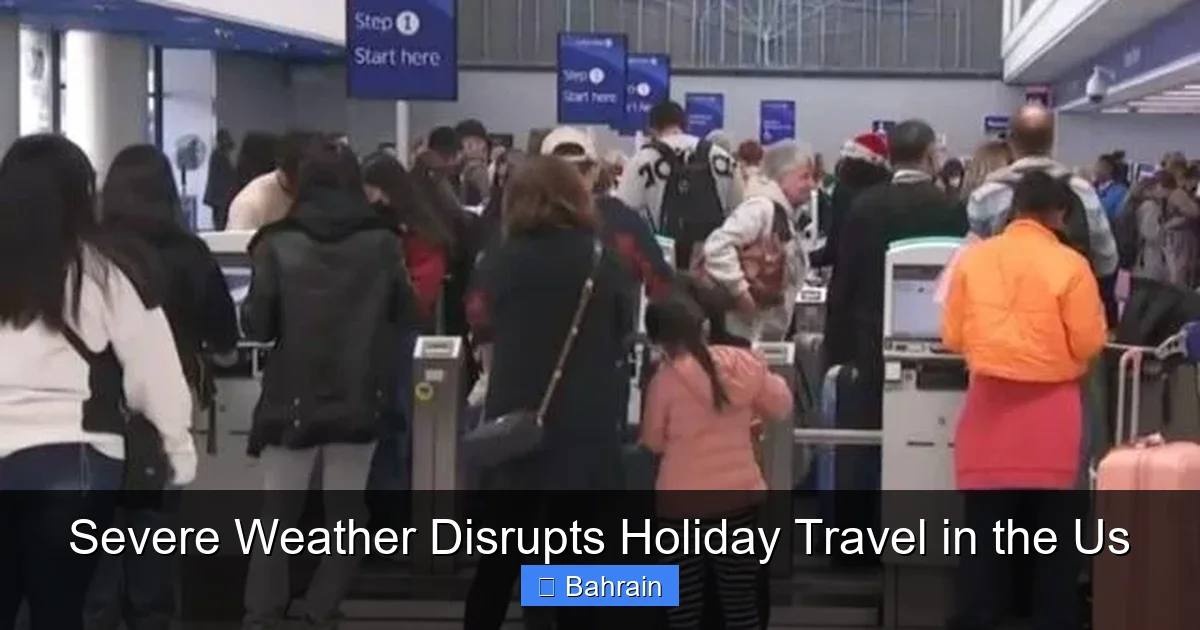
Airports are particularly vulnerable to severe weather. A blizzard in Chicago can lead to cancellations in Atlanta because the planes and crews needed for onward flights are stuck elsewhere. This is the “ripple effect” at its most profound. Ground stops, de-icing queues, reduced visibility, and air traffic control restrictions all contribute to delays. When flights are cancelled, passengers are left scrambling to rebook, find accommodation, and deal with lost luggage. The sheer volume of holiday travelers means there’s often limited space on alternative flights, leading to multi-day delays and a significant increase in stress. When severe weather disrupts holiday travel in the US, especially air travel, it often means thousands of people facing unexpected overnight stays and missed family gatherings.
Road Travel Nightmares: Hazardous Conditions and Closures
For those who prefer driving, severe weather presents different, but equally challenging, obstacles. Snow and ice make roads slippery, increasing the risk of accidents. Heavy rains can lead to hydroplaning or flash flooding, especially in low-lying areas or near rivers. High winds can make driving difficult, particularly for larger vehicles like RVs or those towing trailers. Road closures due to impassable conditions, accidents, or downed power lines can force long detours, adding hours to journeys. Even if your direct route is clear, connecting highways or bridges might be shut down. When severe weather disrupts holiday travel in the US on the roads, it demands constant vigilance and often a willingness to change plans on the fly.
Rail and Bus Disruptions: Overlooked but Significant
While sometimes seen as more resilient, train and bus services are by no means immune to severe weather. Heavy snow and ice can impact tracks and overhead power lines for trains, leading to delays or cancellations. Flooding can wash out sections of track or make road access to bus stations impossible. Buses, operating on public roads, face all the same challenges as private vehicles, including traffic congestion, hazardous conditions, and road closures. During peak holiday times, these services are often fully booked, meaning rebooking options are limited if severe weather disrupts holiday travel in the US for these modes.
Navigating the Storm: Essential Pre-Travel Preparation
The best defense against travel disruptions caused by severe weather is a strong offense. Proactive planning can make a world of difference when severe weather disrupts holiday travel in the US.
Stay Informed: Monitoring Forecasts and Alerts
This is your number one tool. Start monitoring weather forecasts for your departure city, destination, and any major connecting points several days before you leave. Use reliable sources like the National Weather Service (NWS), reputable local news channels, and weather apps that offer real-time updates and alerts. Pay attention to watches (conditions are favorable for severe weather) and warnings (severe weather is imminent or occurring). If a major storm is brewing, you might have enough lead time to alter your plans before the chaos begins. When severe weather threatens to disrupt holiday travel in the US, early information is power.
Flexible Booking: The Power of Travel Insurance and Refundable Options
Consider investing in travel insurance, especially if your trip involves significant non-refundable expenses like flights, hotels, or tour packages. Read the policy carefully to understand what weather-related disruptions are covered. Alternatively, when booking flights or hotels, opt for refundable tickets or those with flexible change policies, even if they cost a little more. The peace of mind and potential savings from avoiding rebooking fees or lost money can be invaluable. This flexibility is key when severe weather disrupts holiday travel in the US and forces last-minute changes.
Packing Smart: Emergency Kits and Essentials
Prepare for the unexpected. For air travelers, pack a carry-on with essentials like medications, a change of clothes, toiletries, snacks, a portable charger for your devices, and important documents. If you get stranded, these items will be lifesavers. For road travelers, a car emergency kit is non-negotiable, especially in winter. This should include blankets, extra warm clothing, water, non-perishable food, a first-aid kit, a flashlight, jumper cables, sand or kitty litter for traction, and a fully charged phone. Being self-sufficient can make a huge difference when severe weather disrupts holiday travel in the US on the road.
On the Ground: Coping Strategies During Disruptions
Despite your best preparations, sometimes severe weather disrupts holiday travel in the US, and you find yourself in the thick of it. Here’s how to cope effectively.
Communication is Key: Airline Apps and Hotel Bookings
If you’re flying, download your airline’s app. Many apps offer real-time flight status updates, rebooking options, and even chat support, which can be faster than calling customer service lines swamped with calls. Sign up for text or email alerts from your airline. If stranded overnight, try to book a hotel room immediately using your phone; rooms near airports fill up incredibly fast. If driving, use GPS apps with real-time traffic and road closure information to find alternative routes or safe places to stop. This constant flow of information helps when severe weather disrupts holiday travel in the US.
Know Your Rights: Understanding Airline Policies
Familiarize yourself with your airline’s “Contract of Carriage,” especially sections related to delays and cancellations. While airlines are generally not required to provide compensation for weather-related delays, they often have policies for rebooking on their own or partner flights. For significant delays or cancellations, they might offer meal vouchers or hotel stays, especially if it’s an overnight situation and not weather-related. Knowing what you’re entitled to can help you advocate for yourself. Remember, patience and politeness often go a long way with airline staff who are also under immense pressure when severe weather disrupts holiday travel in the US.
Alternative Routes and Modes of Transport
Be ready to pivot. If your flight is canceled, explore options like trains or buses if they’re available and not impacted by the same weather system. Sometimes, driving to a different airport a few hours away might be a viable option if conditions improve there. For road trips, be willing to take a longer, but safer, alternative route if your planned path is too hazardous. Don’t be afraid to postpone or delay your departure if conditions are truly unsafe. Safety always comes first when severe weather disrupts holiday travel in the US.
Maintaining Your Well-being: Food, Rest, and Patience
Travel disruptions can be incredibly frustrating and exhausting. Remember to eat regular meals, stay hydrated, and try to get some rest, even if it’s just grabbing a nap in an airport lounge. Pack snacks and a reusable water bottle. Patience is your superpower. While it’s easy to get angry, remember that airline and airport staff are working hard in difficult circumstances. A calm demeanor can often lead to better outcomes. Focus on what you can control, and let go of what you can’t. Your mental and physical well-being is crucial when severe weather disrupts holiday travel in the US.
The Economic and Emotional Toll
The impact of severe weather disrupting holiday travel in the US extends beyond individual inconvenience. There’s a significant broader cost involved.
Financial Costs: Missed Connections and Extra Expenses
For individuals, the financial toll can include unexpected hotel stays, additional meals, taxi fares, rebooking fees (if you don’t have flexible tickets or insurance), and the cost of missed events or non-refundable bookings. For airlines, the costs are staggering: fuel wasted on delayed flights, compensation for passengers, overtime for crews, and the logistical nightmare of repositioning planes and staff. The broader economy also suffers, as missed business meetings, delayed supply chains, and reduced consumer spending impact various sectors. When severe weather disrupts holiday travel in the US, the financial impact ripples through society.
Emotional Strain: Stress, Frustration, and Missed Moments
Beyond the money, there’s the emotional burden. The stress of being stranded, the frustration of uncertainty, and the sadness of potentially missing cherished family gatherings or important events can be profound. Holidays are meant to be a time of joy and connection, and when severe weather disrupts holiday travel in the US, it can cast a long shadow over these precious moments. The mental exhaustion from navigating chaotic airports or dangerous roads can leave travelers feeling drained and disheartened.
A Broader Impact: Local Economies and Supply Chains
Local economies reliant on tourism can take a hit when severe weather disrupts holiday travel in the US. Hotels, restaurants, and attractions see fewer visitors. Furthermore, cargo flights and road transport are also affected, leading to delays in the delivery of goods, including holiday packages and essential supplies. This can have far-reaching consequences for businesses and consumers alike, extending the disruption well beyond the travel period itself.
Conclusion
Traveling during the holidays in the United States is always an adventure, but when severe weather disrupts holiday travel in the US, that adventure can quickly turn into a significant challenge. From the icy grip of winter storms to the powerful gusts of coastal hurricanes, Mother Nature’s unpredictability remains one of the biggest hurdles for millions of eager travelers each year. However, as we’ve explored, being informed, prepared, and adaptable can make a monumental difference in how you navigate these inevitable disruptions.
The key takeaways are clear: knowledge is power. By diligently monitoring forecasts, having flexible travel plans, and packing smart, you equip yourself with the tools to respond effectively. Knowing your rights as a passenger and being prepared to communicate with airlines and other service providers can alleviate much of the stress. Most importantly, prioritizing safety and maintaining a positive attitude, even in frustrating circumstances, will help you weather any storm, literal or metaphorical.
While we can’t control the weather, we can certainly control our reaction to it. So, as you plan your next holiday journey, remember that while severe weather disrupts holiday travel in the US, it doesn’t have to ruin your spirit. With careful planning and a resilient mindset, you can navigate the challenges and still embrace the magic of the holiday season, wherever you end up celebrating it. Safe travels!
Frequently Asked Questions
How can I stay updated on road conditions during severe weather?
You can stay updated on road conditions by checking state Department of Transportation (DOT) websites, using GPS apps with real-time traffic features like Google Maps or Waze, and listening to local radio broadcasts for immediate alerts and closures.
Is travel insurance worth it for holiday travel?
Travel insurance can be highly beneficial, especially during peak holiday seasons when severe weather is more likely to disrupt plans. It can cover non-refundable costs like flights and hotels, medical emergencies, and even provide assistance if you miss a connection due to weather, depending on the policy details.
What should I do if my flight is canceled due to a blizzard?
If your flight is canceled, immediately check your airline’s app for rebooking options. If none are suitable, speak to an airline representative (either at the counter or via phone/chat). Explore alternative transportation like trains or buses if feasible, and be prepared to book a hotel if an overnight stay is necessary.
How does severe weather affect connecting flights?
Severe weather often causes a ripple effect across the airline network. A storm at your origin or destination airport can delay or cancel your initial flight, causing you to miss your connecting flight. Even clear skies at your location won’t help if your connecting plane or crew is stuck in a storm elsewhere.
Should I consider driving instead of flying if severe weather is forecast?
This depends on the type and severity of the severe weather. If winter storms are expected to impact roads with snow and ice, driving can be more dangerous than flying. However, if air travel is heavily disrupted by widespread storms, a strategic road trip to an unaffected region might be a viable alternative if road conditions permit.
What if I’m already en route and severe weather suddenly hits?
If driving, pull over to a safe location if conditions become too dangerous, and wait for the weather to pass. If flying, listen to cabin crew instructions and remain patient. For any mode of transport, immediately check for updated forecasts, travel alerts, and alternative options using your phone or available resources.