Why Is English So Hard to Learn
Have you ever wondered why learning English feels like climbing a steep mountain? You’re not alone.
English can be tricky, confusing, and sometimes downright frustrating. From words that look one way but sound completely different, to endless exceptions in grammar rules, English keeps you on your toes. If you’ve struggled to master spelling, pronunciation, or making sense of idioms, this article is for you.
Keep reading to discover the surprising reasons behind these challenges and how understanding them can make your English learning journey smoother and more rewarding. Your breakthrough might be closer than you think!

Credit: www.reddit.com
Spelling And Pronunciation Challenges
English spelling and pronunciation create big problems for many learners. The way words look and sound often does not match. This mismatch makes reading, speaking, and listening harder than in other languages. Many struggle to guess how a word is said just by looking at it. Others find it tough to write words correctly after hearing them. These issues slow down progress and cause frustration.
Inconsistent Letter Sounds
English letters can make different sounds in different words. The letter “a” sounds different in “cat,” “cake,” and “call.” This inconsistency confuses learners. Simple rules do not always apply. Many words break common patterns. This makes it hard to predict pronunciation or spelling.
Difficult Phonemes
English has sounds that do not exist in many other languages. Sounds like “th” in “think” or “this” are tricky to pronounce. Some learners replace these sounds with easier ones. This can cause misunderstanding. Mastering these unique sounds takes time and practice.
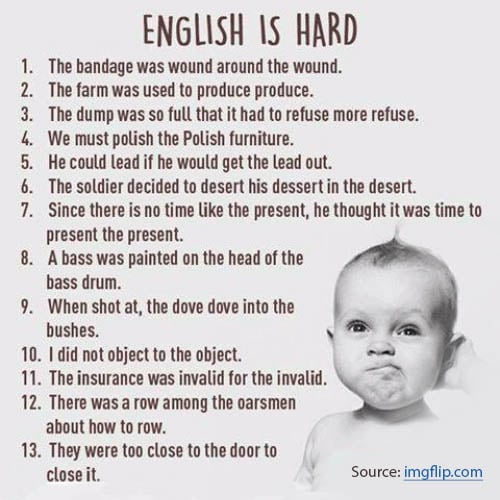
Silent Letters And Homophones
Many English words contain letters you do not pronounce. For example, the “k” in “knight” is silent. Learners often spell words as they hear them. This leads to mistakes. Homophones are words that sound the same but have different meanings and spellings. Words like “to,” “two,” and “too” confuse learners. These silent letters and homophones add extra challenges.
Credit: blog.kingscollege.qld.edu.au
Complex Vocabulary
English vocabulary can be confusing for learners. The language has many words, meanings, and expressions. This complexity often slows down the learning process. Understanding why English vocabulary is hard helps learners stay motivated.
Large Number Of Words
English has one of the largest vocabularies in the world. It borrows words from many languages. This results in a vast collection of words to learn. Learners may find it hard to remember so many words. Some words have similar meanings but different uses. This makes choosing the right word tricky.
Multiple Meanings And Synonyms
Many English words have several meanings. For example, the word “set” can mean many different things. This can confuse learners who try to understand a sentence. English also has many synonyms. Words like “big,” “large,” and “huge” mean almost the same. Yet, they are used in different situations. Knowing when to use each word takes time and practice.
Idioms And Phrasal Verbs
Idioms are phrases with meanings different from the words themselves. For example, “kick the bucket” means to die. Phrasal verbs combine a verb and a preposition or adverb. Their meaning often cannot be guessed from the parts. Examples are “give up,” “look after,” or “run into.” These expressions are common in daily English. They pose a big challenge for learners.
Grammar Difficulties
English grammar can puzzle many learners. It has many rules but also many exceptions. This mix creates confusion and slows progress. Understanding English grammar requires time and patience.
Irregular Verb Tenses
English verbs change form to show time, like past or present. Regular verbs add “-ed” for the past tense, but irregular verbs do not follow this pattern. For example, “go” becomes “went,” not “goed.” These irregular forms must be memorized, adding difficulty for learners.
Exceptions To Rules
Many English grammar rules have exceptions. For example, the rule “i before e except after c” has many exceptions like “weird” and “science.” These exceptions make it hard to trust rules fully. Learners often feel unsure about which rule to apply.
Prepositions And Articles
Prepositions like “in,” “on,” and “at” are small words but tricky to use correctly. Their use often depends on context, not logic. Articles “a,” “an,” and “the” also cause confusion. Some languages do not use articles, so learners find them hard to grasp. Choosing the right preposition or article requires practice and exposure.

Credit: www.reddit.com
Variations In Accents And Dialects
English varies widely in its accents and dialects. These differences make understanding and speaking English tricky for learners. Each region has unique sounds and word choices. This diversity can confuse learners about pronunciation and meaning. It also challenges listening skills. Getting used to this variety is a key hurdle in learning English.
Regional Pronunciations
English speakers from different places sound very different. For example, a British accent differs from an American or Australian one. Even within a country, accents change. The way people say vowels and consonants varies a lot. Words like “bath” or “car” can sound very different. Learners might struggle to recognize words because of these changes. This makes listening and speaking English more complex.
Slang And Informal Speech
English includes many slang words and informal phrases. These change quickly and differ by region. Slang is often not taught in textbooks. It appears mostly in everyday conversations. Phrases like “gonna” for “going to” or “hang out” for “spend time” can confuse learners. Informal speech often drops sounds or shortens words. Understanding this is hard but important to speak naturally.
Historical Influences
The English language carries a rich history shaped by many peoples and cultures. This deep past influences why English feels so difficult for learners. Its words and rules come from different times and places. Understanding these historical influences helps explain the challenges of learning English.
Borrowed Words
English has borrowed words from many languages. Latin, French, German, and Old Norse all added to English vocabulary. This mix creates a large, varied word list. Some borrowed words keep their original spelling and sound. Others change over time. This makes pronunciation and spelling tricky for learners.
For example, words like “ballet” come from French and sound different from English words. At the same time, words like “kindergarten” come from German. Learners must remember many rules for different word origins. This borrowing makes English more colorful but also more complex.
Evolution Of Rules
English grammar rules have changed over centuries. Old English had different structures than modern English. Over time, the language simplified some rules but added exceptions. This creates confusion for learners. Some grammar rules seem random or inconsistent.
For example, English verbs change in many ways. “Go” becomes “went” in the past tense, not “goed.” Spelling rules also evolved unevenly. Changes in pronunciation did not always match spelling updates. This mismatch makes English spelling hard to predict.
Psychological And Social Factors
Psychological and social factors influence why English feels difficult to learn. These factors shape learners’ attitudes and experiences. They affect how learners absorb new information and apply it. Understanding these elements helps explain the struggle many face with English.
Learner Motivation And Confidence
Motivation drives learning. Without it, progress slows. Some learners start strong but lose interest over time. Low confidence also stops learners from practicing English. Fear of making mistakes makes speaking hard. This fear blocks improvement and causes frustration. Positive reinforcement helps build confidence. Setting clear goals keeps motivation alive. Learners who believe they can succeed tend to try harder.
Teaching Methods And Resources
Teaching quality directly affects language learning. Outdated or dull methods lower interest. Good resources support understanding and retention. Interactive tools, videos, and games make lessons engaging. Some learners lack access to these materials. Teachers who adapt to student needs improve results. Methods that focus on real-life use help learners remember better. Poor teaching can cause confusion and slow progress. Effective methods simplify complex rules and encourage practice.
Why Some Languages Feel Easier
Some languages feel easier to learn than English. The main reasons are how sounds and grammar work. These features help learners pick up a language faster. Understanding them explains why English can be harder.
Consistent Phonetic Systems
Many languages have consistent sounds for each letter or symbol. This means you say words as they look. For example, Spanish and Italian follow clear rules for pronunciation. Learners can read new words and say them correctly.
English spelling does not always match how words sound. Words like “though,” “through,” and “tough” show this inconsistency. This confuses learners and slows down speaking and reading skills.
Simpler Grammar Structures
Some languages use simple grammar rules. They have fewer verb forms and clearer sentence structures. This helps learners understand and use the language quickly.
English has many exceptions and complex rules. For example, verb tenses and word order can be tricky. Many learners struggle to remember these rules. This makes English feel more difficult than languages with simpler grammar.
Frequently Asked Questions
Why Is English The Most Difficult Language To Learn?
English is difficult due to inconsistent spelling and pronunciation, complex grammar with many exceptions, and a vast, diverse vocabulary. These factors require learners to memorize rather than rely on clear rules, making English challenging to master.
What Is The 1 Hardest Language?
Mandarin Chinese is often considered the hardest language due to its tonal system and thousands of unique characters. Arabic and Japanese also rank high for their complex scripts and grammar. Difficulty varies by native language but these stand out for their vast differences from English.
What Is The 1 Easiest Language To Learn?
The 1 easiest language to learn often is Spanish due to its simple grammar, phonetic spelling, and widespread use globally. Native English speakers find it accessible and practical for communication.
Why Do People Struggle With Learning English?
People struggle with learning English due to inconsistent spelling, complex grammar, large vocabulary, varied accents, and pronunciation challenges. These factors demand extensive memorization and practice, making English harder compared to more phonetic languages. Psychological barriers and teaching methods also affect learning success.
Conclusion
English challenges learners with its strange spelling and strange sounds. Its grammar rules often have many exceptions and surprises. Words come from many languages, making vocabulary tricky to remember. Pronunciation can confuse because it doesn’t always match spelling. These difficulties can make learning feel slow and frustrating.
Still, with practice and patience, progress is possible. Keep trying and enjoy the journey of learning. English may be hard, but it opens many doors worldwide.