What Is a Travel Trailer
A travel trailer is a recreational vehicle (RV) designed to be towed by a separate vehicle, offering a portable home-away-from-home. Unlike motorhomes, travel trailers lack an engine, providing the flexibility to unhitch and explore your destination with your tow vehicle. They come in various sizes and styles, equipped with living spaces, kitchens, and bathrooms, making them an ideal choice for comfortable, adventurous, and cost-effective travel.
Have you ever dreamed of hitting the open road, waking up to a new view every day, and carrying the comforts of home right along with you? If so, you’ve likely stumbled upon the concept of RVing, and specifically, the wonderful world of the travel trailer. For many, the idea of owning a recreational vehicle feels like an aspirational dream, promising endless adventure and unparalleled freedom. But among the vast array of options – motorhomes, fifth wheels, campervans – the travel trailer often stands out as an accessible and incredibly versatile choice for families, couples, and solo adventurers alike.
Perhaps you’ve seen them gracefully gliding down the highway, or nestled cozily at a picturesque campsite, their awnings extended, laughter spilling from within. These mobile sanctuaries represent a lifestyle, a commitment to exploration, and a smart way to experience the world around you. But what exactly is a travel trailer? What makes it different from other RVs, and why might it be the perfect solution for your wanderlust? Let’s embark on a journey to discover everything you need to know about these fantastic vehicles.
Key Takeaways
- Definition & Purpose: A travel trailer is a towable recreational vehicle (RV) that provides living accommodations, offering the freedom and comfort of home while traveling without needing a separate engine.
- Variety of Types: From compact teardrops and pop-ups to large conventional trailers and toy haulers, there’s a travel trailer designed for almost every adventurer’s need and towing capacity.
- Flexibility & Freedom: One of the biggest advantages is the ability to unhitch your travel trailer at a campsite, allowing you to use your tow vehicle for local excursions without packing up your entire living space.
- Home-like Comfort: Equipped with essential amenities like beds, kitchens, bathrooms, and dining areas, travel trailers offer a significantly more comfortable and private experience than traditional tent camping.
- Cost-Effective Travel: Owning a travel trailer can be more economical in the long run compared to frequent hotel stays and dining out, providing significant savings on accommodation and food expenses for regular travelers.
- Towing & Maintenance: Understanding your tow vehicle’s capacity is crucial for safety. Travel trailers also require regular maintenance, including checking tires, appliances, and ensuring proper winterization or storage.
Quick Answers to Common Questions
What’s the main difference between a travel trailer and a motorhome?
The key difference is that a travel trailer is a towable RV without an engine, relying on a separate vehicle to pull it. A motorhome, conversely, is a self-propelled RV with an integrated engine and driving cab.
Do I need a special license to tow a travel trailer?
In most regions, a standard driver’s license is sufficient for towing a travel trailer, especially if it’s within typical recreational limits. However, extremely large or heavy travel trailers might require a commercial driver’s license (CDL) or a special endorsement, so always check local regulations.
How do travel trailers get power?
Travel trailers can get power from multiple sources: “shore power” by plugging into an electrical pedestal at a campground, onboard deep-cycle batteries for DC power, or generators and solar panels for off-grid camping.
Can I use a travel trailer in cold weather?
Yes, many travel trailers are designed for four-season camping with features like insulated walls, heated underbellies, and double-pane windows. However, others are primarily for warmer weather and would require significant “winterization” to prevent pipes from freezing.
How much does a travel trailer typically cost?
The cost of a travel trailer varies widely based on size, features, and new versus used condition. New travel trailers can range from approximately $15,000 for smaller models to over $100,000 for luxury, large models. Used travel trailers can be found for a few thousand dollars up to tens of thousands.
📑 Table of Contents
What Exactly Is a Travel Trailer? A Closer Look
At its heart, a travel trailer is a type of recreational vehicle (RV) designed to provide living accommodations, but unlike a motorhome, it doesn’t have its own engine. Instead, it’s built to be towed by another vehicle, such as a truck, SUV, or even some larger cars, depending on the trailer’s size and weight. Think of it as your portable house on wheels, ready to be hitched up and taken wherever your heart desires.
The beauty of a travel trailer lies in its self-contained nature. Most models come equipped with all the essentials you’d find in a small apartment or cabin. This typically includes a comfortable sleeping area (or multiple areas!), a functional kitchen complete with a stove, refrigerator, and sink, a dining space, and often a private bathroom with a toilet, sink, and shower. They also house various utility systems, such as fresh water tanks, grey water tanks (for sink and shower water), black water tanks (for toilet waste), propane tanks for heating and cooking, and an electrical system that can run off a battery, shore power (connecting to campground electricity), or even solar panels.
Distinguishing Travel Trailers from Other RVs
- Motorhomes: These are integrated units where the living space and the driving cab are part of a single, self-propelled vehicle. They come in Class A (bus-like), Class B (van conversions), and Class C (truck chassis with an over-cab sleeping area) variants. The main difference? A motorhome drives itself; a travel trailer needs a tow vehicle.
- Fifth-Wheel Trailers: While also towable, fifth-wheel trailers are distinct in how they hitch. They require a special “fifth-wheel hitch” installed in the bed of a heavy-duty pickup truck, which allows for a more stable towing experience and often enables larger, multi-level layouts due to the extended front section that overlaps the truck bed. A travel trailer, on the other hand, uses a standard bumper-pull hitch.
- Pop-Up Campers (Folding Trailers): Often considered a subset of travel trailers, pop-ups have collapsible sides and roofs made of canvas or other flexible materials. They fold down for compact towing and storage, then “pop up” or expand at the campsite to create more living space.
Understanding these distinctions helps clarify why a travel trailer might be the perfect fit for your specific travel style and needs.
The Diverse World of Travel Trailers: Types and Sizes
One of the most exciting aspects of travel trailers is the sheer variety available. There’s truly something for everyone, from minimalist adventurers to large families seeking spacious comfort. Matching the right type of travel trailer to your lifestyle and tow vehicle is key to a happy RVing experience.
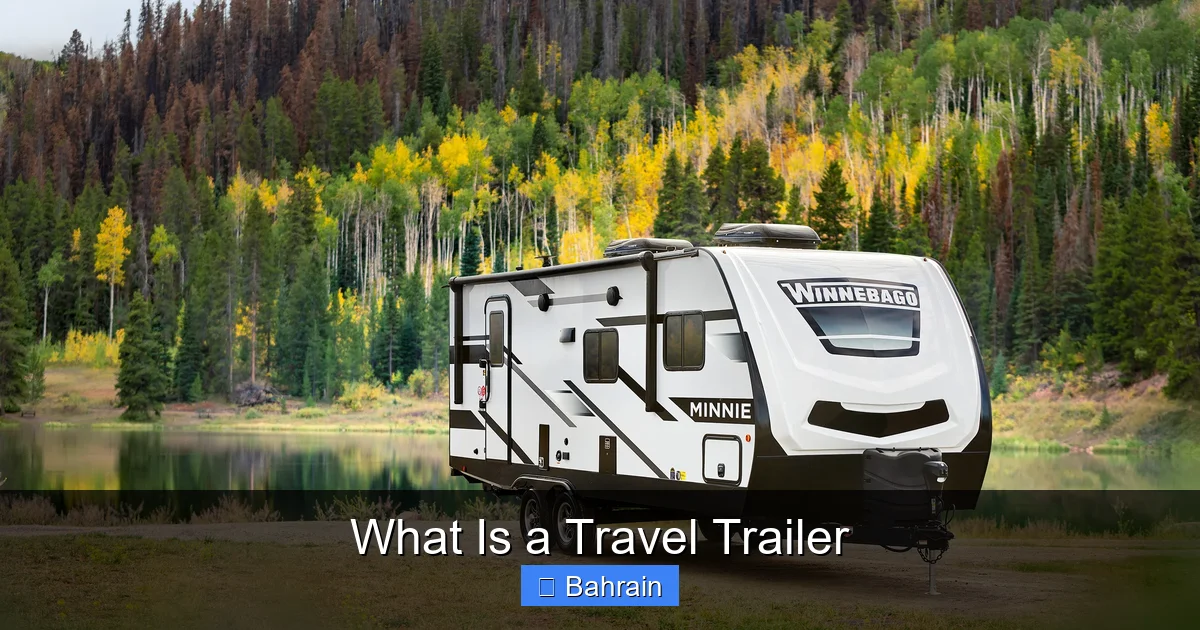
Visual guide about What Is a Travel Trailer
Image source: blog.campersinn.com
Conventional Travel Trailers
These are what most people picture when they hear “travel trailer.” They are rigid-sided, typically ranging from 12 to 35 feet or more in length. They offer full amenities, durable construction, and can include slide-outs that expand the living space when parked. They come in countless floor plans, from bunkhouse models for families to luxurious couples’ coaches.
Teardrop Trailers
Small, lightweight, and incredibly charming, teardrop trailers typically range from 5 to 10 feet. Their iconic aerodynamic shape makes them easy to tow with smaller vehicles. Many feature a sleeping area inside and an outdoor kitchen accessible from the rear hatch. They’re perfect for minimalist campers who prioritize ease of towing and a comfortable bed.
Pop-Up Campers (Folding Trailers)
As mentioned, these trailers have solid bases and roofs but soft, collapsible walls. When folded down, they’re low-profile, making them easy to store and tow, often even with a minivan or crossover. Once at the campsite, they crank up to reveal spacious interiors, often with multiple sleeping areas and a compact kitchen. They’re a great entry point into RVing.
Hybrid Travel Trailers
Hybrids offer the best of both worlds: a hard-sided main body combined with pop-out tent sections for beds. This design provides more sleeping capacity and open-air feel like a pop-up, but with the added insulation and security of a conventional trailer’s main structure. They’re popular with families who want more space without a huge towing commitment.
Toy Haulers
For those who love bringing their “toys” along – ATVs, dirt bikes, kayaks, or even small cars – a toy hauler travel trailer is the answer. These trailers feature a large garage area, typically at the rear, with a ramp door for easy loading. The garage often converts into a living or sleeping space once the toys are unloaded, making them incredibly versatile.
Ultra-Light Travel Trailers
Built with advanced lightweight materials, these travel trailers are designed to be towed by a wider range of vehicles, including smaller SUVs and light-duty trucks, making RVing accessible to more people. They prioritize efficiency without sacrificing essential amenities.
Practical Tip: When considering any travel trailer, always check its Gross Vehicle Weight Rating (GVWR) and compare it against your tow vehicle’s towing capacity. This is non-negotiable for safety and legal compliance. Don’t forget to account for the weight of your gear and passengers!
Why Choose a Travel Trailer? The Perks of Mobile Freedom
So, with all these options, why do so many people gravitate towards the travel trailer? The reasons are numerous, blending convenience, comfort, and financial savvy into an irresistible package.
Unparalleled Flexibility and Freedom
This is arguably the biggest draw. Imagine: you arrive at your destination, unhitch your travel trailer, set up camp, and then you have your tow vehicle free to explore. No need to pack up your entire home-on-wheels just to go sightseeing, grab groceries, or visit a nearby town. This offers immense freedom that motorhome owners don’t always have, unless they tow a separate car.
Cost-Effectiveness in the Long Run
While there’s an initial investment, owning a travel trailer can significantly reduce travel expenses over time. Instead of paying for expensive hotel rooms, you pay for a relatively inexpensive campsite. You can cook your own meals in your fully equipped kitchen, saving a fortune on restaurant bills. For frequent travelers, these savings add up quickly.
Comforts of Home, Wherever You Go
Say goodbye to lumpy motel beds and shared bathrooms. With a travel trailer, you have your own clean, comfortable sleeping quarters, your private bathroom, and your personal kitchen. You can bring your favorite pillow, your pet, and create an ambiance that truly feels like home, even when you’re thousands of miles away.
Family and Pet Friendly
Travel trailers offer space and privacy that hotels often lack. Families can spread out, and kids have their own dedicated areas. Plus, traveling with pets becomes a breeze. No more worrying about pet fees or limited pet-friendly accommodations; your furry friends are always welcome in your travel trailer.
Deeper Connection with Nature
Camping in a travel trailer allows you to immerse yourself in nature without sacrificing comfort. You can wake up to birdsong, have your morning coffee surrounded by stunning landscapes, and enjoy starry nights from your doorstep. It’s a fantastic way to disconnect from daily stresses and reconnect with the outdoors.
Important Considerations Before Buying Your First Travel Trailer
Jumping into travel trailer ownership is exciting, but a little preparation goes a long way. Before you make a purchase, consider these crucial factors:
Towing Capacity and Vehicle Compatibility
This cannot be stressed enough: know your tow vehicle’s maximum towing capacity. This includes Gross Vehicle Weight Rating (GVWR), Gross Combined Weight Rating (GCWR), and Tongue Weight. Overloading your vehicle is dangerous and can lead to accidents, costly damage, and legal issues. Always err on the side of caution and leave a safety margin.
Budgeting for More Than Just the Purchase Price
Beyond the initial cost of the travel trailer, factor in insurance, registration, maintenance (winterization, tire care, appliance checks), storage fees (if you don’t have space at home), fuel costs for towing, and campground fees. Consider whether you plan to buy new or used; used travel trailers can offer great value.
Layout and Features That Suit Your Needs
Are you a solo traveler, a couple, or a family of five? Do you need a dedicated office space, or just a bed and a kitchen? Do you prioritize a large bathroom, ample storage, or a spacious outdoor living area with an awning? Make a wish list and prioritize what’s truly essential for your travel style.
Storage Solutions
Where will your travel trailer live when it’s not on an adventure? Do you have space on your property, or will you need to factor in monthly storage facility costs? This is an often-overlooked expense.
Maintenance and Upkeep
Like any home, a travel trailer requires regular maintenance to keep it in top shape. This includes checking tires, inspecting seals, maintaining plumbing and electrical systems, and performing seasonal tasks like winterization if you live in a colder climate. Being handy or having a reliable RV service center nearby is a definite plus.
Practical Tip: Consider renting a travel trailer for a weekend or a short trip before buying. This hands-on experience will give you invaluable insight into what you like, what you don’t, and what features are truly important to you.
Life with a Travel Trailer: Tips for New Owners
Once you’ve made the leap and acquired your travel trailer, a new world of adventure opens up. Here are some tips to help you get started on the right foot:
Practice Towing Safely
Towing takes practice. Find an empty parking lot and practice turning, backing up, and judging distances. Invest in good towing mirrors. Understand how weight distribution hitches work if you have one. Safety should always be your number one priority.
Mastering Campground Setup
Learning how to level your travel trailer, connect to shore power, fresh water, and sewer (if available) are fundamental skills. Watch videos, read manuals, and don’t be afraid to ask experienced RVers for tips. Most RV communities are incredibly welcoming and helpful.
Understanding Your Systems
Get to know your water pump, hot water heater, electrical panel, and propane system. Learn how to manage your fresh, grey, and black water tanks efficiently, especially if you plan on boondocking (camping without hookups).
Packing Smart and Light
Every pound counts when towing. Pack only what you truly need. Distribute weight evenly within your travel trailer to maintain balance and prevent sway. Secure loose items before travel to prevent damage.
Embrace the RV Community
Joining RV clubs, online forums, or even just striking up conversations at campgrounds can enrich your experience immensely. You’ll find a wealth of knowledge, shared experiences, and camaraderie within the RV community.
The journey with a travel trailer is not just about the destination; it’s about the entire experience – the planning, the towing, the setup, and the countless memories made along the way. It offers a unique blend of adventure and comfort, allowing you to explore at your own pace while always having a piece of home with you.
So, if the thought of diverse landscapes, cozy nights under the stars, and the freedom to roam excites you, a travel trailer might just be your perfect companion. It’s more than just a vehicle; it’s a passport to unforgettable journeys and a lifestyle defined by discovery and independence. Happy trails!
Frequently Asked Questions
What is the average lifespan of a travel trailer?
With proper maintenance and care, a travel trailer can last between 10 to 20 years, and sometimes even longer. Factors like construction quality, usage frequency, climate, and how well it’s maintained all play a significant role in its longevity.
How much maintenance does a travel trailer require?
Travel trailers require regular maintenance similar to a home and a vehicle. This includes checking tires, inspecting roof and sealants for leaks, maintaining plumbing and electrical systems, servicing appliances, and performing seasonal tasks like winterization or de-winterization.
Can I live full-time in a travel trailer?
Yes, many people choose to live full-time in a travel trailer. It offers a minimalist lifestyle, financial flexibility, and the freedom to travel. However, it requires careful planning for mail, residency, and finding suitable long-term parking or campgrounds.
Is it difficult to tow a travel trailer?
Towing a travel trailer requires practice and awareness, but it’s not inherently difficult for most drivers. It’s crucial to understand your tow vehicle’s capacity, properly hitch the trailer, and adjust your driving style, particularly for turns, braking, and dealing with crosswinds.
What are common hidden costs of owning a travel trailer?
Beyond the purchase price, common hidden costs include insurance, registration fees, annual maintenance (e.g., tire replacement, appliance service), storage fees if you don’t have space at home, fuel consumption while towing (which is often higher), and the cost of essential accessories like hitches, leveling blocks, and surge protectors.
How do I find campsites for my travel trailer?
Finding campsites is easy with various resources. Popular options include online directories and apps like AllStays, RV LIFE Campgrounds, Hipcamp, and government sites for national/state parks. Reservations are highly recommended, especially during peak seasons or for popular destinations.