Travel Fishing Rod Case
Embarking on a fishing trip, whether across the street or across continents, demands a reliable way to transport your valuable rods. A travel fishing rod case is an indispensable piece of gear designed to protect your rods from damage, theft, and the rigors of travel. This comprehensive guide explores different case types, essential features, and expert tips to help you choose and pack the perfect travel fishing rod case for your next angling adventure, ensuring your equipment arrives safely and ready for the catch of a lifetime.
There’s a unique thrill that comes with planning a fishing trip, especially when it involves traveling to new and exciting waters. Whether you’re dreaming of casting lines in the vast Arabian Gulf or chasing elusive species in far-flung international destinations, the journey is often as much a part of the adventure as the fishing itself. However, for every angler, one persistent worry looms large: how to safely transport those precious fishing rods, the very tools of our passion, without risking damage.
Fishing rods are delicate instruments, engineered for sensitivity and strength, but not for the rough-and-tumble of baggage handlers or the jostle of a crowded car. A broken tip, a cracked guide, or a bent blank can spell disaster for a planned trip, turning anticipation into frustration. This is precisely where the unsung hero of the angling world steps in: the travel fishing rod case. More than just a container, it’s a vital piece of insurance, a protective fortress for your valuable gear, ensuring that your rods arrive at your destination in perfect condition, ready for action. Investing in a robust travel fishing rod case means investing in peace of mind, allowing you to focus on the thrill of the catch rather than the fear of damage.
In this comprehensive guide, we’ll dive deep into the world of the travel fishing rod case. We’ll explore the different types available, highlight the essential features to look for, and provide practical advice on choosing the perfect case for your specific travel needs and fishing style. We’ll also share tips on how to pack your rods like a pro, ensuring they’re snugly secure for any journey. So, whether you’re a seasoned globetrotter or planning your first fishing escapade beyond your local waters, understanding the importance and utility of a good travel fishing rod case is the first step towards a successful and worry-free fishing adventure.
Key Takeaways
- Essential Protection: A travel fishing rod case is crucial for safeguarding your valuable fishing rods from damage during transport, whether by air, car, or boat.
- Variety of Types: Cases come in hard, soft, hybrid, and tube forms, each offering different levels of protection, weight, and portability to suit various travel needs.
- Key Features Matter: Look for durable materials, internal padding and straps, lockability, appropriate capacity, and airline compliance to ensure maximum security and convenience.
- Match Case to Travel Style: Your choice of travel fishing rod case should align with your destination, mode of transport, and the specific type of fishing rods you intend to carry.
- Proper Packing is Crucial: Disassemble rods, use rod socks, secure internal components, and balance weight to prevent movement and damage within the case.
- Longevity Through Maintenance: Regular cleaning, inspection, and proper storage will extend the lifespan of your travel fishing rod case, protecting your investment for many trips to come.
- Invest in Quality: A high-quality travel fishing rod case is a worthwhile investment that prevents costly repairs or replacements of your fishing gear, ultimately enhancing your travel experience.
Quick Answers to Common Questions
What is the primary purpose of a travel fishing rod case?
The primary purpose is to protect fishing rods from damage, impacts, and bending during transportation, especially during air travel or long-distance trips.
Are hard or soft travel fishing rod cases better for air travel?
Hard travel fishing rod cases are generally considered superior for air travel due to their rigid shell, which offers maximum protection against crushing and rough handling by airlines.
Can I put reels inside a travel fishing rod case?
While some larger travel fishing rod cases have dedicated padded compartments for reels, it’s generally recommended to remove reels and pack them separately in padded reel cases or your main luggage to prevent damage to both the reel and rod seat.
How do I determine the right length for a travel fishing rod case?
Measure the longest disassembled section of your fishing rod (e.g., one half of a two-piece rod, or one section of a multi-piece rod) and choose a case that is slightly longer than this measurement to accommodate padding and secure fitting.
Is water resistance important for a travel fishing rod case?
Yes, water resistance is very important, especially when traveling to coastal areas, in wet weather, or by boat, to protect your rods from corrosion and water damage.
📑 Table of Contents
- The Indispensable Role of a Travel Fishing Rod Case
- Exploring the Types of Travel Fishing Rod Cases
- Essential Features to Consider in a Travel Fishing Rod Case
- Choosing the Right Travel Fishing Rod Case for Your Trip
- Packing Your Travel Fishing Rod Case Like a Pro
- Maintenance and Longevity of Your Travel Fishing Rod Case
- Conclusion
The Indispensable Role of a Travel Fishing Rod Case
Imagine arriving at your dream fishing spot, only to pull out your rods and find them damaged. A bent guide, a snapped tip, or worse, a completely broken blank can ruin a trip before it even begins. This nightmare scenario is precisely what a high-quality travel fishing rod case is designed to prevent. It’s not just an accessory; it’s a critical investment that protects your valuable gear from the myriad hazards of transport.
Protecting Your Investment
Fishing rods, especially high-performance models, can represent a significant financial investment. From delicate fly rods to powerful offshore casting rods, each piece is crafted with precision. A sturdy travel fishing rod case shields these delicate instruments from impacts, pressure, and abrasion that can occur during handling by airlines, shipping companies, or even just bumping around in the trunk of your car. It’s an essential barrier against unforeseen accidents, preserving the integrity and longevity of your equipment.
Ensuring Readiness for Action
Beyond physical damage, a travel fishing rod case ensures that your gear is ready to go the moment you arrive. There’s no time wasted on improvised repairs or frantic searches for a replacement rod in an unfamiliar locale. With your rods safely stowed and intact, you can transition directly from travel to fishing, maximizing your time on the water. This readiness is particularly important for guided trips or when you have limited time at your destination.
Security and Peace of Mind
Many quality travel fishing rod cases come with locking mechanisms, adding an extra layer of security against theft. When you’re traveling, especially through busy airports or public transport, knowing your valuable fishing rods are secure can significantly reduce stress. This peace of mind allows you to focus on the excitement of your trip rather than constantly worrying about your gear.
Exploring the Types of Travel Fishing Rod Cases
Just as there are different types of fishing, there are various types of travel fishing rod cases, each offering distinct advantages and levels of protection. Understanding these differences will help you select the most suitable option for your specific travel and angling needs.
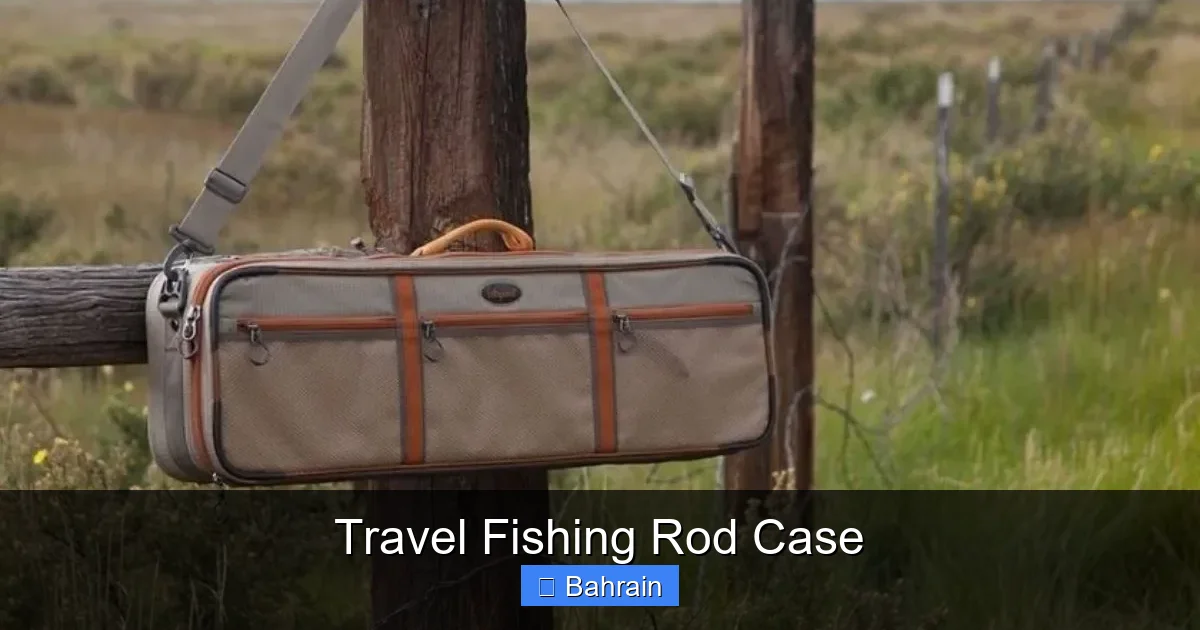
Visual guide about Travel Fishing Rod Case
Image source: wideopenspaces.com
Hard Travel Fishing Rod Cases
These are the ultimate protectors. Hard cases are typically made from durable plastics like ABS or polypropylene, providing a rigid shell that can withstand significant impact and compression. They are often watertight and dustproof, making them ideal for extreme conditions or air travel where baggage can be handled roughly. Many hard cases feature internal padding and straps to keep rods snug and prevent movement. The downside? They can be heavier and bulkier, which might incur additional baggage fees.
- Pros: Maximum protection, often lockable, weather-resistant, durable.
- Cons: Heavier, bulkier, potentially more expensive.
- Best for: Air travel, international trips, protecting very expensive or delicate rods, extreme conditions.
Soft Travel Fishing Rod Cases
Soft cases offer a lighter and more flexible alternative. Constructed from robust fabrics like Cordura nylon or canvas, they provide good protection against scratches, minor bumps, and dust. While they lack the rigidity of hard cases, many soft cases feature ample padding and individual compartments or sleeves for rods. They are easier to store when empty and can often be packed more readily into tight spaces. However, they offer less protection against crushing impacts.
- Pros: Lightweight, flexible, easier to store, generally more affordable.
- Cons: Less protection against heavy impacts or crushing, typically not waterproof.
- Best for: Car travel, local trips, short-distance transport, protecting less delicate rods, when space is a concern.
Hybrid Travel Fishing Rod Cases
As the name suggests, hybrid cases aim to offer the best of both worlds. They often combine a semi-rigid outer shell with padded interior compartments, striking a balance between protection and portability. Some feature reinforced ends with softer middle sections, or a rigid internal frame with a durable fabric exterior. These can be an excellent compromise for anglers seeking good protection without the full bulk of a hard case.
- Pros: Good balance of protection and weight, often more versatile.
- Cons: May not offer the absolute maximum protection of a hard case or the full flexibility of a soft case.
- Best for: Anglers who travel frequently but not always to extreme conditions, general air and car travel.
Rod Tubes
Simple yet effective, a rod tube is essentially a cylindrical hard case designed to hold one or a few rods. They are typically made from PVC, ABS, or fiberglass, offering excellent protection against bending and impacts for their contents. Rod tubes are often lightweight and easy to carry, making them popular for fly fishermen or those traveling with a single specific rod. Many anglers use soft cases to carry multiple rod tubes, combining the benefits.
- Pros: Excellent impact protection for individual rods, lightweight, simple.
- Cons: Limited capacity, may not protect reels unless specifically designed for it.
- Best for: Single rod travel, fly fishing rods, anglers who prefer modular protection.
Essential Features to Consider in a Travel Fishing Rod Case
When selecting your ideal travel fishing rod case, it’s crucial to look beyond just the type and consider a range of features that contribute to its effectiveness, durability, and convenience. A well-chosen case will serve you reliably for many adventures.
Material and Construction
The materials used dictate the case’s strength and longevity. Hard cases often use impact-resistant plastics like high-density polyethylene (HDPE) or ABS. Soft cases benefit from heavy-duty nylon, Cordura, or canvas, often with a waterproof coating. Look for reinforced stitching, robust zippers (preferably self-repairing or marine-grade), and sturdy hardware for straps and buckles. A high-quality travel fishing rod case will feel solid and well-made.
Internal Padding and Securing Straps
Even the toughest exterior needs a soft interior. Good internal padding, often foam or fleece lining, cushions your rods from shocks and vibrations. More importantly, internal straps or compartments are vital for holding rods securely in place, preventing them from shifting, rubbing, or knocking against each other during transit. Some cases offer individual rod sleeves or padded dividers for added protection.
Lockability and Security
For valuable rods, security is paramount. Many hard and some hybrid travel fishing rod cases feature integrated locking mechanisms or sturdy loops for attaching TSA-approved padlocks. This deters theft and provides peace of mind, especially when your case is out of your sight, such as on an airport carousel.
Size, Length, and Capacity
Consider the longest rod you intend to carry, or the longest section of your breakdown rods. Ensure the travel fishing rod case is long enough to accommodate it comfortably, with a bit of extra space for padding. Capacity refers to how many rods the case can hold. Some cases are designed for 2-3 rods, while others can safely carry 6 or more. Think about your typical travel arsenal; it’s often better to have a bit more space than not enough.
Wheels and Handles
For larger or heavier travel fishing rod cases, wheels can be a game-changer. Integrated, sturdy wheels make navigating airports, train stations, or even rough terrain much easier. Comfortable, padded handles on the ends and sides are also essential for lifting and carrying, especially when your case is fully loaded.
Water and Dust Resistance
If you’re traveling to coastal regions, rainforests, or dusty environments, water and dust resistance become critical. Look for cases with O-ring seals, watertight zippers, or water-repellent fabrics. This protects your rods from corrosion and grit, keeping them pristine.
Airline Compliance (for air travelers)
If you plan to fly, check airline baggage restrictions. Some airlines have limits on length and weight for oversized baggage. While a dedicated travel fishing rod case is generally accepted as sports equipment, being aware of specific carrier policies can save you surprises and fees at the airport. Look for cases advertised as “airline approved” or “TSA compliant.”
Choosing the Right Travel Fishing Rod Case for Your Trip
The “best” travel fishing rod case isn’t universal; it’s the one that best suits your specific travel habits, fishing style, and budget. Here’s how to narrow down your choices.
Consider Your Destination and Fishing Style
Are you fly fishing for trout in mountain streams, deep-sea angling for tuna, or casting for bass in local lakes? Delicate fly rods and their reels will require different protection than heavy-duty surf rods. Similarly, a trip to a remote, rugged location might demand a hard case with extreme durability, while a car trip to a nearby lake might be fine with a soft case. If you’re heading to the vibrant waters off Bahrain for a species like Hammour or Kingfish, you’ll want robust protection for your casting or trolling rods.
Mode of Transport
This is arguably the most critical factor.
- Air Travel: A hard travel fishing rod case is almost non-negotiable for air travel. Baggage handlers are notorious for rough treatment, and only a rigid shell can reliably protect against crushing and impacts. Look for lockable options and check airline size/weight limits.
- Car Travel: Soft or hybrid cases often suffice for car trips. They are easier to load, less bulky, and can fit into tighter spaces. If rods are secured well within the vehicle, they face fewer extreme impacts.
- Boat Travel: Water resistance is key here. Hard cases with watertight seals are ideal, but a robust soft case with good water repellency can also work if kept out of direct spray.
- Bus/Train/Trekking: Lighter, more compact cases are preferable. Rod tubes or compact soft cases that can be carried comfortably or strapped to a backpack are good options.
Number and Type of Rods
How many rods are you bringing? Are they one-piece, two-piece, or multi-piece travel rods? One-piece rods will require a very long travel fishing rod case, which can be challenging for air travel. Multi-piece rods designed for travel (e.g., 4-piece fly rods) can often fit into much shorter, more manageable cases, making them excellent choices for anglers on the move.
Budget Considerations
Travel fishing rod cases range widely in price. While it’s tempting to save money, remember that this case is protecting valuable gear. View it as an insurance policy. It’s often wiser to invest in a quality case that will last and genuinely protect your rods than to skimp and risk damaging hundreds or thousands of dollars worth of equipment. Balance your budget with the level of protection your rods require.
Packing Your Travel Fishing Rod Case Like a Pro
Even the best travel fishing rod case won’t perform its job if your rods aren’t packed correctly. Proper packing is an art that minimizes movement and maximizes protection.
Disassemble and Organize
Always disassemble your multi-piece rods. If possible, remove reels from rods to prevent damage to the reel seat or the reel itself. Store reels separately in padded reel cases or within your main luggage, wrapped in clothing for extra protection. For one-piece rods, ensure they are adequately supported throughout their length.
Use Rod Socks or Sleeves
Individual rod socks or cloth sleeves are invaluable. They prevent rods from scratching each other when bundled together and offer a layer of abrasion protection. Slide each rod section into its own sock before placing it into the travel fishing rod case.
Protect Tips and Guides
The rod tip and guides are the most vulnerable parts. Many anglers use specialized tip protectors made of neoprene or plastic caps. Alternatively, a small piece of foam or bubble wrap secured around the tip with a rubber band can offer good cushioning. Ensure guides are aligned and not pressing against hard surfaces or other rods.
Secure Everything Internally
Utilize the internal straps and dividers of your travel fishing rod case. Cinch straps down firmly but not so tightly that you risk bending a rod. The goal is to eliminate any significant movement of the rods within the case. If there’s still empty space, fill it with soft items like towels, clothing, or additional bubble wrap to prevent shifting.
Consider Adding Other Gear (Carefully)
Some larger travel fishing rod cases have space for reels, small tackle boxes, or wading boots. If you do this, ensure these items are also well-padded and secured, and won’t shift to damage your rods. Always check weight limits, especially for air travel, as added gear can quickly push you over the allowance.
Balance the Weight
For cases with wheels, try to distribute the weight evenly so the case rolls smoothly without tipping. For hand-carried cases, balanced weight makes carrying much easier and reduces stress on handles and seams.
Maintenance and Longevity of Your Travel Fishing Rod Case
Like any piece of valuable gear, your travel fishing rod case needs a little TLC to ensure it continues to protect your rods trip after trip. Proper maintenance extends its lifespan and preserves its protective capabilities.
Regular Cleaning
After each trip, especially saltwater trips, clean your travel fishing rod case. For hard cases, wipe down the exterior with a damp cloth and mild soap, paying attention to hinges, latches, and seals. For soft cases, follow the manufacturer’s cleaning instructions, often a gentle hand wash or spot clean. Ensure everything is thoroughly dry before storage to prevent mildew or corrosion.
Inspect for Wear and Tear
Periodically inspect your travel fishing rod case for any signs of damage. Check for cracks in hard cases, rips in soft case fabric, fraying straps, sticky zippers, or damaged latches and wheels. Address minor issues promptly before they become bigger problems. Lubricate zippers with a silicone spray to keep them running smoothly.
Proper Storage
Store your travel fishing rod case in a clean, dry place, away from direct sunlight and extreme temperatures. Sunlight can degrade plastics and fabrics over time. If storing for extended periods, it’s a good idea to leave zippers slightly open on soft cases to allow for air circulation, preventing musty odors. Do not store heavy items on top of a soft case, as this can compress the padding.
Minor Repairs
Many minor issues can be repaired, saving you from buying a new case. A broken zipper pull can be replaced. A small tear in a soft case can be patched with durable fabric repair kits. Loose screws on handles or latches can be tightened. Being proactive with these small fixes can significantly extend the life of your travel fishing rod case.
Conclusion
The joy of fishing is often intertwined with the adventure of travel, and the ability to bring your trusted rods along is a cornerstone of that experience. A quality travel fishing rod case isn’t just another piece of equipment; it’s a fundamental necessity that ensures your angling tools arrive safely, securely, and ready to perform. From the moment you begin to plan your journey to the remote deserts of the Middle East, the bustling ports of the Gulf, or the exotic waters further afield, the question of rod protection should be a top priority.
By understanding the different types of travel fishing rod cases available—hard, soft, hybrid, and rod tubes—and diligently evaluating key features like material, internal padding, lockability, and capacity, you can make an informed decision that aligns perfectly with your specific travel style and the precious cargo you carry. Remember that proper packing techniques are just as important as the case itself, ensuring every guide, tip, and blank is snugly protected against the rigors of transit.
Ultimately, investing in a reliable travel fishing rod case is an investment in peace of mind, in the preservation of your valuable gear, and most importantly, in the success and enjoyment of your fishing adventures. So, choose wisely, pack confidently, and let your travel fishing rod case be the silent guardian that allows you to chase that next big catch, wherever your angling dreams may lead you. Happy travels and tight lines!
Frequently Asked Questions
How often should I clean my travel fishing rod case?
You should clean your travel fishing rod case after every trip, particularly if it’s been exposed to saltwater, sand, or dirt. This prevents corrosion, mildew, and extends the life of the case and its components.
Can a travel fishing rod case protect against theft?
Many hard travel fishing rod cases come with integrated locking mechanisms or loops for padlocks, which can deter casual theft. However, no case is completely theft-proof, so always be vigilant with your belongings.
Are all travel fishing rod cases airline-approved?
Most dedicated travel fishing rod cases are designed to meet airline requirements for oversized luggage, but it’s crucial to check the specific length, width, and weight restrictions of your chosen airline before flying, as policies can vary.
What is the benefit of a hybrid travel fishing rod case?
A hybrid travel fishing rod case offers a good compromise between the robust protection of a hard case and the lighter weight and flexibility of a soft case. They often feature semi-rigid construction, balancing durability with easier handling.
Should I remove my line from the reel before packing in a travel fishing rod case?
It’s a good practice to relieve tension from your line if you’re leaving it on the reel, especially for long storage or travel. While not strictly necessary for the case, it helps maintain line integrity and spool shape.
What’s the best way to secure multiple rods inside a single travel fishing rod case?
Use individual rod socks or cloth sleeves for each rod to prevent scratching. Then, utilize internal straps, foam dividers, or even soft towels to tightly bundle the rods and eliminate any movement or rattling within the case.