Puerto Rico Travel Guide
Ready for an unforgettable escape? This comprehensive Puerto Rico travel guide is your ultimate resource for discovering the island’s magic. From the historic streets of Old San Juan to the lush El Yunque rainforest and dazzling bioluminescent bays, Puerto Rico offers a rich tapestry of experiences. Prepare to immerse yourself in vibrant culture, savor incredible cuisine, and relax on stunning Caribbean beaches.
Puerto Rico Travel Guide
Dreaming of an island escape that blends historic charm with natural wonders, vibrant culture, and stunning beaches? Look no further than Puerto Rico! This enchanting Caribbean gem offers an unparalleled travel experience, a place where the sun always shines, the music never stops, and every corner tells a story. As a U.S. territory, it’s incredibly accessible for American citizens, eliminating the need for a passport and simplifying travel logistics, yet it feels wonderfully distinct and truly international.
Whether you’re a history buff eager to explore ancient forts, an adventurer longing to hike through a rainforest, a foodie excited to sample unique flavors, or simply someone looking to unwind on a pristine beach, Puerto Rico delivers. This ultimate Puerto Rico travel guide is designed to help you plan the perfect trip, sharing insider tips and essential information to ensure your adventure is smooth, memorable, and filled with joy. Get ready to discover why Puerto Rico is often called the “Island of Enchantment” and why it captures the hearts of all who visit.
Why Puerto Rico? The Allure of the Enchanted Isle
Puerto Rico is more than just a beautiful island; it’s a living, breathing tapestry of influences. Its rich heritage is a blend of Taíno, Spanish, and African cultures, creating a unique identity that manifests in its music, art, food, and warm hospitality. You’ll find bustling cities thriving with modern amenities just a short drive from secluded beaches and lush tropical forests. This vibrant diversity makes Puerto Rico a destination that caters to every type of traveler, promising a wealth of experiences within its relatively small size. Our comprehensive Puerto Rico travel guide will help you navigate this exciting destination.
Key Takeaways
- No Passport Needed for U.S. Citizens: As a U.S. territory, American citizens can travel to Puerto Rico without a passport, making it a convenient international-feeling destination.
- Bilingual Island: While Spanish is the primary language, English is widely spoken in tourist areas and major cities, making communication relatively easy for visitors.
- Diverse Landscapes: Puerto Rico boasts an incredible variety of environments, from mountainous rainforests and dry forests to pristine beaches and urban centers, all within a compact area.
- Rich History and Culture: Old San Juan is a UNESCO World Heritage site, offering centuries of history, colorful architecture, and vibrant cultural experiences.
- Culinary Delights: Prepare for a gastronomic adventure with unique Puerto Rican dishes like Mofongo, Lechon, and fresh seafood, alongside world-famous Piña Coladas.
- Island Time and Relaxation: Embrace the laid-back Caribbean pace. While there’s plenty to do, allow time for simply relaxing and soaking in the island’s charm.
Quick Answers to Common Questions
Do U.S. citizens need a passport to travel to Puerto Rico?
No, U.S. citizens do not need a passport to travel to Puerto Rico, as it is a U.S. territory. A valid government-issued ID like a driver’s license is sufficient.
What currency is used in Puerto Rico?
The U.S. dollar (USD) is the official currency in Puerto Rico.
Is English widely spoken in Puerto Rico?
Yes, while Spanish is the primary language, English is widely spoken, especially in tourist areas, hotels, and major cities.
What is the most famous dish in Puerto Rico?
Mofongo, made from fried green plantains mashed with garlic and pork cracklings, is widely considered the most famous and iconic Puerto Rican dish.
What are the must-see attractions in Puerto Rico?
Key attractions include Old San Juan (with El Morro fort), El Yunque National Forest, and one of the bioluminescent bays (like Mosquito Bay or Laguna Grande).
📑 Table of Contents
Planning Your Trip: Essentials Before You Go
Before you pack your bags and jet off to paradise, a little planning goes a long way. This section of our Puerto Rico travel guide covers the crucial pre-trip details that will set you up for a fantastic and stress-free vacation.
When to Visit: Seasons and Festivals
The best time to visit Puerto Rico is typically from mid-December to May. During these months, the weather is dry, sunny, and pleasantly warm, with lower humidity. This is also peak tourist season, so expect higher prices and larger crowds.
The summer months (June to November) bring hotter, more humid weather and coincide with hurricane season. While you can find great deals on flights and accommodation during this time, be aware of the potential for tropical storms. Many travelers still enjoy visits during these months, as hurricanes are not an everyday occurrence, but it’s wise to purchase travel insurance.
Throughout the year, Puerto Rico hosts numerous vibrant festivals. The San Sebastián Street Festival in January transforms Old San Juan into a massive street party with music, dancing, and crafts. Christmas season also brings unique traditions and festivities that can stretch for weeks.
Getting There: Flights and Airports
The Luis Muñoz Marín International Airport (SJU) in Carolina, just outside San Juan, is the main gateway to Puerto Rico. It’s a major hub with direct flights from many U.S. cities, making access incredibly convenient. You’ll find all major airlines operating routes to SJU. Smaller regional airports like Rafael Hernández Airport (BQN) in Aguadilla on the west coast also serve some U.S. routes. Booking your flights well in advance, especially during peak season, can help secure better fares.
Accommodation: Where to Stay
Puerto Rico offers a diverse range of accommodation options to suit every budget and style.
- Luxury Resorts: Along the coastline, especially in Dorado, Río Grande, and Condado, you’ll find upscale resorts with amenities like golf courses, spas, and private beach access.
- Boutique Hotels: Old San Juan is home to charming boutique hotels housed in historic buildings, offering a unique, intimate experience.
- Vacation Rentals: Platforms like Airbnb and VRBO are popular, providing options from city apartments to beachfront villas, perfect for families or longer stays.
- Guesthouses and Hostels: Budget-friendly guesthouses and hostels are available in San Juan and other towns, offering a more local feel.
Consider your travel style and what you want to experience most when choosing your base. San Juan is ideal for first-timers who want easy access to history, nightlife, and dining. For nature lovers, staying near El Yunque or on the west coast offers quicker access to surfing and outdoor activities.
Budgeting for Your Trip
Puerto Rico can be as affordable or as luxurious as you make it. Expect prices to be comparable to major U.S. cities for dining and activities.
- Flights: Can range from $200-$600+ depending on origin and season.
- Accommodation: Budget hostels start around $40-$70/night, mid-range hotels $100-$200/night, and luxury resorts $300+/night.
- Food: Eating out can be $10-$20 for a casual meal, $30-$50+ for a nicer dinner. Food trucks and local *kioskos* offer great value.
- Transportation: Rental cars can be $40-$70/day. Ride-shares and taxis add up.
A reasonable daily budget for a comfortable mid-range trip (excluding flights) might be $150-$250 per person, depending on activities. Don’t forget to factor in tours, excursions, and souvenirs when planning your Puerto Rico travel guide budget.
Exploring the Island: Must-See Destinations & Activities
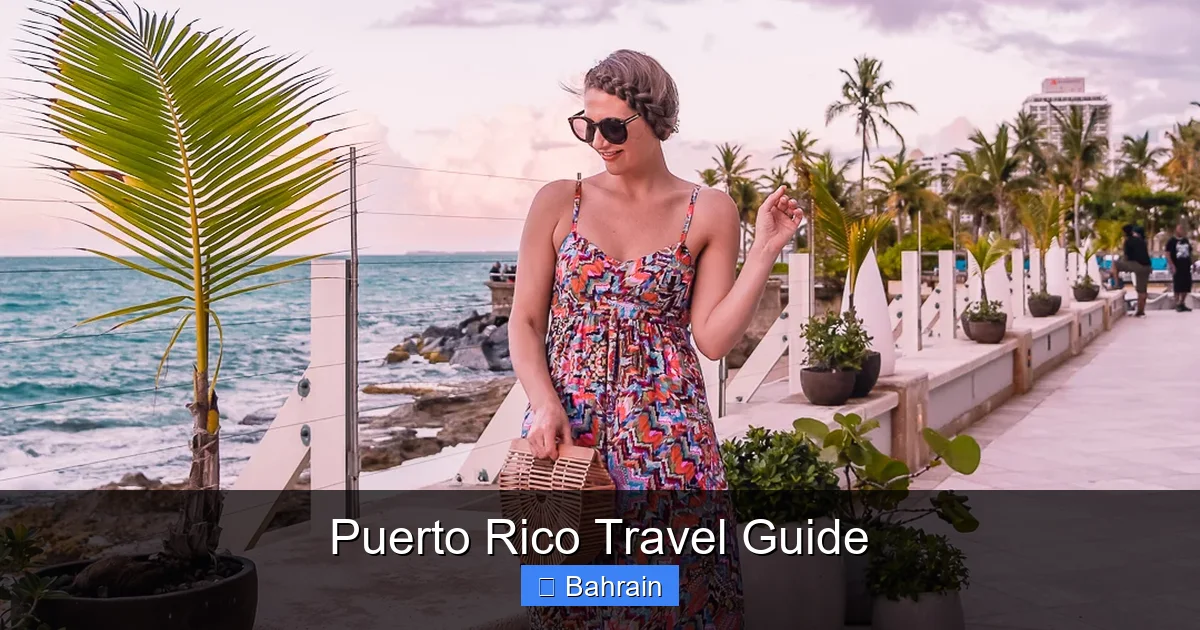
Visual guide about Puerto Rico Travel Guide
Image source: visionsofvogue.com
Now for the fun part! This Puerto Rico travel guide section highlights the iconic spots and thrilling adventures that make the island truly special.
Old San Juan: A Step Back in Time
No Puerto Rico travel guide would be complete without a deep dive into Old San Juan. This 500-year-old walled city is a UNESCO World Heritage site and the heart of Puerto Rican history and culture.
- El Morro and San Cristóbal Forts: Explore these massive Spanish fortresses that once guarded the island. Wander through tunnels, climb ramparts, and imagine life as a soldier centuries ago. The views of the ocean are breathtaking.
- Colorful Streets and Architecture: Stroll through cobblestone streets lined with vibrant colonial buildings, charming plazas, and hidden courtyards. It’s a photographer’s dream!
- Shopping and Dining: Discover unique boutiques, art galleries, and a wide array of restaurants, from casual eateries serving authentic *comida criolla* to upscale dining experiences.
- La Fortaleza: The governor’s mansion, a beautiful blue building, is another historical landmark worth seeing from the outside.
El Yunque National Forest: Tropical Rainforest Paradise
Just a short drive from San Juan, El Yunque is the only tropical rainforest in the U.S. National Forest System. It’s a truly magical place.
- Hiking Trails: Explore trails ranging from easy walks to challenging climbs, leading to stunning waterfalls like La Mina Falls (check current access) and Juan Diego Falls.
- Tower Views: Climb Yokahú Tower for panoramic views of the lush canopy and coastline.
- Wildlife: Keep an eye out for the island’s unique wildlife, including the tiny *coquí* frog, whose distinctive call fills the forest at night.
Always check the official USDA Forest Service website for El Yunque before your visit for trail conditions and accessibility, as heavy rains can sometimes affect routes.
Bioluminescent Bays: A Natural Wonder
Puerto Rico is home to three of the world’s five bioluminescent bays, where microscopic organisms called dinoflagellates light up the water when disturbed.
- Mosquito Bay (Vieques): Widely considered the brightest and most impressive. Access requires a ferry or flight to Vieques island.
- Laguna Grande (Fajardo): The most accessible from San Juan, usually explored via guided kayak or electric boat tours.
- La Parguera (Lajas): Offers boat tours where you can sometimes swim in the glowing water (check tour specific regulations).
Experiencing a bio bay tour under a new moon (when the sky is darkest) is absolutely unforgettable. This is a top recommendation for any Puerto Rico travel guide itinerary.
Beaches Galore: Sun, Sand, and Surf
Puerto Rico boasts some of the Caribbean’s most beautiful beaches.
- Flamenco Beach (Culebra): Consistently ranked among the world’s best, known for its pristine white sand, crystal-clear turquoise waters, and unique abandoned tanks. Requires a ferry or small plane to Culebra island.
- Luquillo Beach: A popular, family-friendly beach near El Yunque with calm waters, palm trees, and nearby *kioskos* serving delicious food.
- Jobos Beach (Isabela): On the northwest coast, famous for surfing and a laid-back vibe.
- Condado and Isla Verde (San Juan): Lively city beaches with plenty of resorts, restaurants, and water sports.
Ponce: The Pearl of the South
Venture south to Ponce, Puerto Rico’s second-largest city, for a different taste of island culture. It’s known for its unique architectural style, neoclassical buildings, and vibrant art scene.
- Parque de Bombas: The iconic red-and-black striped former fire station, now a museum, is a must-see landmark.
- Museo de Arte de Ponce: Home to an impressive collection of European and Puerto Rican art.
- Hacienda Buena Vista: A beautifully restored 19th-century coffee plantation, offering a glimpse into Puerto Rico’s agricultural history.
Savoring the Flavors: A Culinary Journey
Food is a cornerstone of Puerto Rican culture, and exploring its cuisine is an essential part of any Puerto Rico travel guide. Prepare your taste buds for an explosion of flavors!
Traditional Puerto Rican Dishes
Puerto Rican cuisine, known as *comida criolla*, is a delicious fusion of Spanish, African, and Taíno influences.
- Mofongo: The island’s signature dish. Fried green plantains mashed with garlic, olive oil, and pork cracklings (*chicharrón*), often served with various fillings like chicken, shrimp, or steak.
- Lechón Asado: Slow-roasted whole suckling pig, incredibly tender and flavorful with crispy skin. Best enjoyed at a *lechonera* in Guavate.
- Pasteles: Similar to tamales, these are masa made from grated green bananas, plantains, and other root vegetables, filled with meat, and wrapped in a banana leaf before boiling.
- Empanadillas/Pastelillos: Savory turnovers filled with seasoned meat, cheese, or seafood, then fried until golden.
- Arroz con Gandules: Rice with pigeon peas, often considered Puerto Rico’s national dish, especially during holidays.
- Tostones: Twice-fried green plantain slices, usually served as a side dish with a garlicky dipping sauce (*mayoketchup*).
Drinks and Desserts
No Puerto Rico travel guide for foodies is complete without mentioning the island’s refreshing beverages and sweet treats.
- Piña Colada: The official drink of Puerto Rico (and allegedly invented here!). Enjoy a creamy, pineapple-coconut concoction.
- Coquito: A traditional holiday drink, similar to eggnog but made with coconut milk, rum, and spices.
- Local Rum: Tour a rum distillery like Casa Bacardí to learn about its history and enjoy tastings.
- Cafe con Leche: Rich Puerto Rican coffee served with steamed milk.
- Tembleque: A creamy coconut pudding, often garnished with cinnamon.
- Arroz con Dulce: Sweet rice pudding made with coconut milk, raisins, and spices.
Dining Experiences
From humble roadside *kioskos* to upscale restaurants, dining in Puerto Rico is an adventure.
- Kioskos: Along beaches like Luquillo and Piñones, you’ll find rows of small food stalls offering fried delights, fresh seafood, and local specialties at affordable prices.
- Food Trucks: San Juan and other areas have a growing food truck scene with creative takes on local and international cuisine.
- Fine Dining: San Juan offers numerous award-winning restaurants pushing the boundaries of Caribbean and international flavors.
- Lechoneras in Guavate: Head to the mountains near Cayey for the ultimate *lechón* experience, served with *arroz con gandules* and other sides in a lively, casual atmosphere.
Getting Around & Staying Safe
Understanding transportation and safety tips is key to a smooth trip, as covered in this practical section of our Puerto Rico travel guide.
Transportation Options
- Rental Car: Highly recommended for exploring outside San Juan. It offers the most flexibility to discover hidden beaches and remote natural wonders. Book in advance, especially during peak season. Be aware that roads can be winding, narrow, and sometimes poorly marked outside major cities. Locals drive assertively, and parking can be challenging in Old San Juan.
- Ride-Sharing (Uber/Lyft): Available in the greater San Juan area and some other major cities. A convenient option for getting around the city and to/from the airport.
- Taxis: Readily available at airports and major hotels. Fares are usually fixed for popular routes in San Juan.
- Public Transportation: The “Tren Urbano” (Urban Train) serves parts of San Juan, Guaynabo, and Bayamón, but its routes are limited and not practical for most tourist attractions. Public buses exist but can be slow and infrequent.
- Ferries: Essential for visiting the islands of Culebra and Vieques. The ferry terminal is in Ceiba. Book tickets well in advance online or arrive early, especially on weekends.
Safety Tips for Travelers
Puerto Rico is generally safe for tourists, but like any destination, it pays to be aware.
- General Awareness: Be mindful of your surroundings, especially in crowded areas or at night.
- Valuables: Don’t flash expensive jewelry or electronics. Keep an eye on your belongings.
- Driving: Drive defensively. Be cautious on rural roads, which can have potholes or stray animals. Avoid driving alone at night in unfamiliar, unlit areas.
- Swimming: Pay attention to beach flags and local warnings about currents. Not all beaches have lifeguards.
- Hurricane Season: If traveling between June and November, monitor weather forecasts and consider travel insurance.
- Emergency Numbers: Dial 911 for emergencies (police, fire, medical).
Embracing Local Culture & Etiquette
To truly appreciate Puerto Rico, immerse yourself in its vibrant culture. This final section of our Puerto Rico travel guide offers insights into local customs.
Language and Communication
Spanish and English are the official languages. While Spanish is predominant, English is widely spoken in tourist areas, major cities, and by younger generations. Learning a few basic Spanish phrases (*hola, gracias, por favor, permiso*) will be appreciated and can enhance your interactions.
Local Customs and Hospitality
Puerto Ricans are known for their warmth and hospitality (*hospitalidad*).
- Greetings: A handshake or a kiss on the cheek (between women, or a man and a woman) is a common greeting.
- Punctuality: “Island time” is real. Things may run a bit slower than you’re used to, so embrace the relaxed pace and don’t get frustrated by delays.
- Dress Code: Casual attire is generally acceptable, but if visiting churches or fine dining establishments, smart casual is preferred. Beachwear is for the beach.
- Music and Dance: Music is woven into the fabric of Puerto Rican life. You’ll hear salsa, reggaeton, and bomba y plena everywhere. Don’t be shy if invited to dance!
Supporting Local Businesses
Consider spending your money with local businesses, from small restaurants and craft shops to locally-owned tour operators. This helps the local economy directly and provides a more authentic experience. Look for artisan markets (*mercados de artesanos*) for unique souvenirs.
Conclusion: Your Puerto Rican Adventure Awaits!
Puerto Rico truly offers a world of experiences in one captivating island. From the historic grandeur of Old San Juan to the lush depths of El Yunque, the shimmering magic of its bioluminescent bays, and the irresistible rhythm of its culture, every moment is an opportunity for discovery. This comprehensive Puerto Rico travel guide has aimed to equip you with the knowledge and inspiration to plan your perfect escape.
So, whether you’re dreaming of sipping a Piña Colada on a sun-drenched beach, exploring ancient forts, or dancing the night away to salsa beats, Puerto Rico is ready to welcome you with open arms. Pack your sense of adventure, your curiosity, and your appetite, because your unforgettable journey to the “Island of Enchantment” begins now. *¡Buen viaje!*
Frequently Asked Questions
What is the best time of year to visit Puerto Rico?
The ideal time to visit Puerto Rico is generally between mid-December and May. During these months, the weather is cooler, drier, and less humid, providing perfect conditions for exploring and enjoying the beaches. This period avoids the peak of hurricane season.
How many days do you need to explore Puerto Rico?
To get a good feel for Puerto Rico and experience its highlights, a minimum of 5-7 days is recommended. This allows enough time to explore Old San Juan, visit El Yunque, and experience a bioluminescent bay, with some time for relaxation or beach activities.
Is it safe to drink tap water in Puerto Rico?
Yes, tap water in Puerto Rico is generally considered safe to drink and meets U.S. EPA standards. However, some visitors may prefer bottled water for taste or if they have a sensitive stomach, especially in more rural areas.
What should I pack for a trip to Puerto Rico?
Pack light, breathable clothing suitable for warm, humid weather, along with swimwear, sunscreen, insect repellent, and comfortable walking shoes. If you plan to hike in El Yunque, consider waterproof gear. A light jacket or sweater might be useful for air-conditioned interiors or cooler evenings.
Can I use my U.S. cell phone in Puerto Rico without roaming charges?
For most major U.S. carriers (like AT&T, Verizon, T-Mobile), Puerto Rico is treated as part of the domestic network, meaning you typically won’t incur roaming charges. However, it’s always best to check with your specific carrier before traveling to confirm your plan’s coverage and any potential fees.
Are there any specific cultural etiquettes I should be aware of?
Puerto Ricans are known for their warmth; greetings are often enthusiastic, and politeness goes a long way. Learning a few basic Spanish phrases is appreciated. Tipping customs are similar to the U.S. (15-20% for good service). Remember that things may run on “island time,” so patience is a virtue!