Portable Infant Car Seat for Travel
Traveling with an infant can be challenging, but a portable infant car seat for travel makes journeys significantly safer and more convenient. These specialized car seats are designed to be lightweight and easy to install, ensuring your little one is secure whether you’re flying, taking a road trip, or using rental cars. Choosing the right portable infant car seat involves considering safety certifications, ease of installation, and overall portability, ultimately offering peace of mind for parents on the go.
Embarking on an adventure with your little one is one of life’s greatest joys. However, the thought of traveling with an infant can sometimes feel overwhelming, especially when it comes to ensuring their safety and comfort on the move. From navigating bustling airports to securing your baby in unfamiliar rental cars, parents often face a unique set of challenges. But what if we told you there’s a solution that can significantly ease this burden, offering both peace of mind and convenience? Enter the portable infant car seat for travel.
These specially designed car seats are revolutionizing how families travel. Gone are the days of wrestling with bulky, heavy car seats that barely fit through airport aisles or were a nightmare to install in a taxi. A portable infant car seat for travel is engineered with lightness, compactness, and ease of use in mind, making it an indispensable item for any globe-trotting parent. Whether you’re planning a weekend getaway within Bahrain, a regional trip to a neighboring GCC country, or an intercontinental journey, choosing the right portable car seat can transform your travel experience from stressful to seamless.
In this comprehensive guide, we’ll dive deep into everything you need to know about portable infant car seats for travel. We’ll explore the various types available, highlight their incredible benefits, discuss key features to look for, and provide practical tips for using them effectively across different travel scenarios. Get ready to discover how to keep your most precious cargo safe and sound, no matter where your adventures take you!
Key Takeaways
- Prioritize Safety Certifications: Always choose a portable infant car seat for travel that meets international safety standards (e.g., ECE R44/R129, FMVSS 213) and, if flying, is FAA approved for in-flight use.
- Portability is Paramount: Look for lightweight, compact designs that are easy to carry through airports, fit into overhead bins (if permitted), or can be quickly transferred between different vehicles.
- Ease of Installation is Crucial: Opt for a portable infant car seat that offers straightforward installation using both LATCH/ISOFIX and vehicle seat belts, allowing for quick and correct setup in various cars.
- Consider Your Travel Needs: Evaluate your typical travel scenarios – air travel, road trips, rental cars, or ride-shares – as different portable car seat models excel in specific situations.
- Cost-Effective and Hygienic: Investing in your own portable infant car seat for travel is often more economical and ensures better hygiene than relying on rented car seats, offering peace of mind.
- Practice Makes Perfect: Familiarize yourself with your chosen portable car seat’s installation and features before your trip to ensure smooth and safe usage when you’re on the go.
Quick Answers to Common Questions
What is the lightest portable infant car seat for travel?
Some of the lightest portable infant car seats weigh as little as 7-10 pounds, often being minimalist convertible car seats designed for travel ease. Specific models vary, but look for those prioritizing lightweight materials and simple designs.
Can I use my portable infant car seat on an airplane?
Yes, but only if your portable infant car seat is explicitly FAA approved for in-flight use. This information will be clearly stated on a sticker on the car seat itself. You will also need to purchase a separate seat on the plane for your infant.
Are portable infant car seats as safe as regular car seats?
Yes, all car seats, including portable ones, must meet rigorous safety standards (e.g., FMVSS 213, ECE R44/R129) to be sold. Their “portability” comes from design choices like lighter materials and simpler installation, not by compromising on crash protection.
How do I know if my portable car seat will fit in a rental car or taxi?
Most portable infant car seats for travel are designed for versatile installation using vehicle seat belts, which makes them compatible with nearly any car worldwide. Practicing seatbelt installation at home ensures you’re ready for different vehicle types.
Is it better to rent a car seat or bring my own when traveling?
Bringing your own portable infant car seat for travel is generally recommended. It ensures consistent safety, known hygiene, and often proves more cost-effective than repeatedly renting car seats, whose history and condition can be unknown.
📑 Table of Contents
What is a Portable Infant Car Seat for Travel?
At its core, a portable infant car seat for travel is a car seat specifically designed to be lighter, more compact, and easier to transport and install than a standard everyday car seat. While all car seats prioritize safety, these travel-specific models place a strong emphasis on reducing weight and bulk, making them ideal companions for journeys involving planes, trains, taxis, or multiple vehicle changes. They are built to provide the same crucial protection as their heavier counterparts but with an added layer of convenience for mobile families.
Lightweight Convertible Car Seats
One popular category of portable infant car seat for travel is the lightweight convertible car seat. These seats are suitable for infants from birth (or a specified minimum weight/height) and can transition from rear-facing to forward-facing as your child grows. Their “travel-friendly” aspect comes from their reduced weight, often significantly less than a typical convertible seat. For example, some models weigh as little as 7-10 pounds, making them much easier to carry through an airport or install repeatedly. They usually feature simple seatbelt installation options, which are vital for taxis and rental cars that might not have LATCH/ISOFIX systems readily available or compatible.
All-in-One Travel Systems
Another excellent option for a portable infant car seat for travel is an all-in-one travel system. The most famous example here is the car seat-stroller combo, like the Doona. These ingenious systems seamlessly transform from an infant car seat into a compact stroller with the push of a button. This eliminates the need to carry both a car seat and a separate stroller, making airport navigation incredibly smooth. You can wheel your baby right to the gate, convert the seat for the flight (if FAA approved), and then quickly turn it back into a stroller upon arrival. While often a bit heavier than ultra-lightweight standalone car seats, their integrated functionality offers unparalleled convenience for frequent travelers with infants.
Foldable or Inflatable Car Seats (for older infants/toddlers)
While less common specifically for newborns, some innovative designs cater to older infants transitioning into toddlerhood, offering extreme portability. These might include foldable car seats, which collapse into a small package, or even inflatable booster seats for older children. It’s crucial to check the age and weight limits carefully to ensure they are appropriate for your “infant” if considering such unique options. Always verify safety certifications for these specialized products, as they are not as widely available for true infant use as traditional designs.
Benefits of Using a Portable Car Seat for Travel
The advantages of investing in a portable infant car seat for travel extend far beyond simple convenience. These seats offer a multitude of benefits that can enhance your family’s safety, comfort, and overall travel experience.
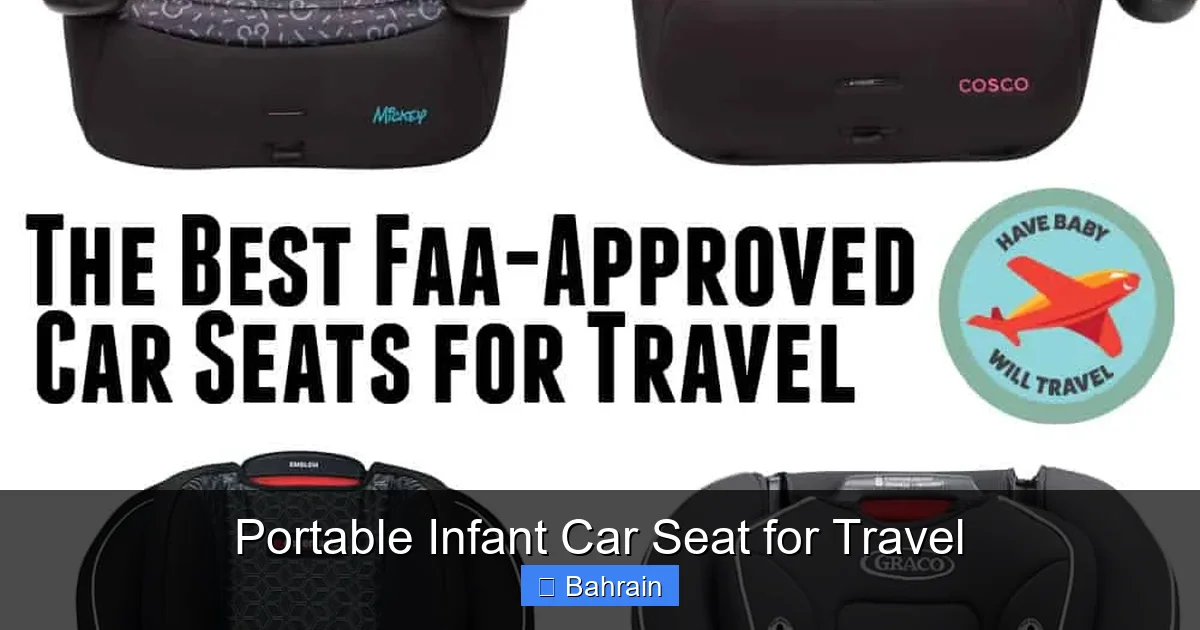
Visual guide about Portable Infant Car Seat for Travel
Image source: havebabywilltravel.com
Enhanced Safety On the Go
The primary benefit, of course, is safety. When you travel, you encounter different vehicles – rental cars, taxis, ride-shares, and even the cars of friends or family. Relying on a rented car seat can sometimes be a gamble; you don’t know its history, cleanliness, or how well it’s been maintained. By bringing your own portable infant car seat for travel, you ensure your child is always protected by a seat you trust, one you know how to install correctly, and one that meets all current safety standards. This consistency in safety is invaluable, no matter where you are.
Convenience and Ease of Use
Imagine this: you’ve just landed after a long flight, your baby is tired, and you’re trying to hail a taxi. With a regular car seat, you’d be fumbling with unfamiliar buckles and confusing installation methods. With a portable infant car seat for travel, designed for quick setup, you can have your child securely buckled in within minutes. Its lightweight nature makes carrying it through airports, hotels, and public transport much less strenuous. This convenience significantly reduces stress, allowing you to focus on enjoying your trip.
Cost-Effectiveness vs. Rentals
While there’s an initial outlay for a portable infant car seat for travel, it often proves more economical in the long run compared to renting. Car seat rental fees from car hire companies or airlines can quickly add up, especially for longer trips or multiple journeys. Furthermore, the quality and condition of rental car seats can be inconsistent, sometimes leading to disappointment or even safety concerns. Owning your own ensures a one-time investment for years of safe and reliable travel.
Hygiene and Familiarity
Personal hygiene is always a concern, especially when traveling with an infant. Rental car seats are used by countless families, and while they are often cleaned, you can never be entirely sure of their previous usage or sanitation. Bringing your own portable infant car seat for travel guarantees a clean and germ-free environment for your baby. Additionally, children thrive on routine and familiarity. Being in their own car seat, which they use regularly, can provide a sense of comfort and security in unfamiliar surroundings, making travel less disruptive for their sleep and mood.
Key Features to Look For When Choosing a Portable Car Seat
Selecting the perfect portable infant car seat for travel requires careful consideration of several key features. Not all travel car seats are created equal, and what works best for one family might not be ideal for another. Here’s what to prioritize:
Weight and Portability
This is arguably the most critical factor. The lighter the portable infant car seat, the easier it will be to transport. Look for models weighing under 15 pounds, with some ultra-light options as low as 7-10 pounds. Consider whether it has a handle, a shoulder strap, or if it can attach to a luggage cart for easier maneuvering through airports. If you’re opting for a car seat-stroller combo, assess its folded dimensions and how smoothly it converts.
Installation Method (LATCH/ISOFIX vs. Seatbelt)
A good portable infant car seat for travel should offer versatile installation options. While LATCH (Lower Anchors and Tethers for Children) in the US or ISOFIX in Europe and the GCC are generally considered simpler, not all vehicles, especially older taxis or international rental cars, will have them. Therefore, robust and straightforward seatbelt installation is non-negotiable. Look for clear belt paths and easy-to-understand instructions. Practice installing the seat using both methods before your trip!
Safety Certifications (FAA approval, ECE R44/R129, FMVSS 213)
Safety is paramount. Ensure your chosen portable infant car seat meets the relevant safety standards for your region and intended travel. In the US, look for FMVSS 213 certification. For travel in Europe, the UK, and many GCC countries like Bahrain, look for ECE R44 or the newer, more stringent ECE R129 (i-Size) certification. If you plan to use the car seat on an airplane, it *must* have FAA approval. This is usually indicated by a sticker on the car seat itself, stating “THIS RESTRAINT IS CERTIFIED FOR USE IN MOTOR VEHICLES AND AIRCRAFT.” Always check this if flying is part of your plan.
Comfort and Adjustability
Even though it’s a travel seat, your baby’s comfort matters. Look for adequate padding, breathable fabrics, and an infant insert for newborns. Adjustable harness heights and crotch buckle positions are crucial for a snug, safe fit as your baby grows. Recline angles, while often more limited in portable models, should still provide a comfortable and safe position for your infant, especially during sleep.
Durability and Materials
A portable infant car seat for travel will likely endure more wear and tear than an everyday seat. Look for high-quality, durable plastics and fabrics that can withstand frequent transfers, airport handling, and various weather conditions. Removable, machine-washable covers are a huge plus for maintaining hygiene.
Navigating Air Travel with Your Portable Car Seat
Air travel with an infant can seem daunting, but a portable infant car seat for travel can make it much smoother. Here’s how to manage it:
Checking vs. Carrying On
You generally have two options for your portable infant car seat: checking it with your luggage or bringing it as a carry-on item for use on the plane. If you check it, use a protective car seat travel bag to prevent damage and keep it clean. Many airlines allow car seats to be checked for free. However, if your car seat is FAA approved, we highly recommend bringing it onboard. This ensures your child is safe during turbulence and gives them a familiar, comfortable spot for the flight, often leading to a calmer journey for everyone.
In-Flight Use and FAA Approval
To use your portable infant car seat on the plane, it must be FAA approved. You’ll also need to purchase a separate seat for your infant, even if they are under two. While infants under two can fly on a parent’s lap, using a car seat in their own seat is significantly safer in the event of turbulence or an emergency. Call your airline in advance to confirm their specific policies regarding car seat usage and to ensure there’s enough space for your chosen seat.
Boarding and Installation Tips
Ask for pre-boarding with your infant. This gives you extra time to install your portable infant car seat without holding up other passengers. Airlines usually instruct you to install the car seat in a window seat to avoid blocking emergency exits for other passengers. Practice installing your seat with a lap belt at home, as airplane seatbelts are similar. Ensure the car seat is installed tightly and securely according to its instructions. Always have your baby in the rear-facing position for as long as possible, especially on planes, for optimal safety.
Road Trips and Everyday Travel Considerations
Beyond air travel, a portable infant car seat for travel excels in various ground transportation scenarios, whether you’re exploring the souqs of Manama or heading on a desert adventure.
Rental Cars and Compatibility
When renting a car, you can specify that you’ll be bringing your own car seat, saving you rental fees and ensuring you have a seat you trust. Make sure your portable infant car seat for travel has easy seatbelt installation, as rental cars might not always have LATCH/ISOFIX systems, or they might be difficult to access. Always check the car’s manual for proper car seat installation points. A quick tip: many car rental agencies can show you where the anchors are if you can’t find them.
Taxis and Ride-Shares
This is where a portable infant car seat for travel truly shines. In many parts of the world, including some areas of the GCC, taxis and ride-shares may not provide car seats, or if they do, their condition is often questionable. Having your own lightweight, easy-to-install seat means you can quickly and safely secure your baby in any taxi or ride-share, providing invaluable peace of mind when traveling through busy cities or to remote locations. Always ensure the seatbelt installation is secure and tight before driving off.
Public Transportation
While a car seat isn’t typically used *on* public transport like buses or trains in the same way it is in a car, its portability is still a huge advantage. You can easily carry your portable infant car seat for travel onto a bus or train, and if it converts into a stroller, it makes navigating stations and platforms much simpler. This flexibility allows you to seamlessly transition between different modes of transport without needing multiple pieces of equipment.
Installation and Safety Best Practices
No matter how portable your car seat is, its safety relies heavily on correct installation and usage. Adhering to best practices is crucial for protecting your infant.
Rear-Facing Rules
Always keep your infant rear-facing for as long as possible, ideally until they reach the maximum height or weight limit of the car seat in the rear-facing position, typically around 2-4 years of age. Rear-facing provides the best protection for an infant’s head, neck, and spine in a crash, significantly reducing the risk of serious injury. This applies to both everyday driving and when using your portable infant car seat for travel.
Harness Adjustment
Ensure the harness straps are snug against your baby’s body, with no slack. The chest clip should be positioned at armpit level. For rear-facing infants, the harness straps should be at or below your child’s shoulders. Always read your car seat’s manual for specific instructions on harness adjustment and fit.
Expiration Dates
Car seats have expiration dates, typically 6-10 years from the date of manufacture. These dates are crucial because materials can degrade over time, affecting the seat’s ability to protect your child. Always check the expiration date on your portable infant car seat for travel (usually stamped on the plastic or a label) and never use an expired seat, even if it looks perfectly fine.
Traveling with an infant can be an incredible bonding experience, and with the right gear, it doesn’t have to be a source of stress. A portable infant car seat for travel is more than just a convenience; it’s an investment in your child’s safety and your peace of mind. By choosing a seat that is lightweight, easy to install, and properly certified, you equip your family for safe and comfortable adventures around the world.
So, as you plan your next family trip, consider the invaluable role a portable infant car seat for travel can play. It simplifies logistics, enhances safety, and allows you to create lasting memories with your little one, wherever your journey may lead. Happy travels!
Frequently Asked Questions
What features make a car seat “portable” for travel?
A car seat is considered “portable” for travel due to several key features: its lightweight design (often under 15 lbs), compact size for easy carrying and fitting into tighter spaces, and straightforward installation methods, particularly with vehicle seatbelts, which are crucial for unfamiliar vehicles like taxis or rental cars.
Do I need a special car seat for international travel?
While you don’t always need a “special” car seat, for international travel, it’s wise to choose a portable infant car seat for travel that is certified to international safety standards (like ECE R44/R129 for Europe/GCC) and is FAA approved if you plan on using it during flights. This ensures compliance and safety across different regions.
How do I check if my portable car seat is FAA approved?
To check if your portable infant car seat is FAA approved for use on an aircraft, look for a specific sticker or label on the car seat itself. This label will typically state something like: “THIS RESTRAINT IS CERTIFIED FOR USE IN MOTOR VEHICLES AND AIRCRAFT.” Without this specific wording, it cannot be used during a flight.
What’s the best way to transport a portable car seat through an airport?
The best way to transport a portable infant car seat for travel through an airport depends on its type. Lightweight models can often be carried with a shoulder strap, attached to a luggage cart, or pulled using specialized car seat travel carts. Car seat-stroller combos (like the Doona) offer the most seamless airport navigation as they transform directly into strollers.
Can a portable infant car seat be used from birth?
Many portable infant car seats for travel, especially lightweight convertible seats or car seat-stroller combos, are designed to be used from birth. Always check the specific weight and height requirements of your chosen portable infant car seat to ensure it is suitable for your newborn’s dimensions.
Should I practice installing my portable car seat before traveling?
Absolutely, practicing installation is highly recommended! Familiarizing yourself with the installation process for your portable infant car seat, especially using vehicle seatbelts, will make it much quicker and less stressful when you’re in an unfamiliar rental car or taxi in a foreign country. Practice both rear-facing and forward-facing setups.