Patron Saint of Travelers
Embarking on a journey, whether near or far, often brings a sense of adventure mixed with a natural desire for safety. For centuries, travelers have sought comfort and protection, finding solace in the figure of a patron saint. The most widely recognized and revered figure is St. Christopher, known affectionately as the “patron saint of travelers.” His legendary tale of carrying Christ across a river embodies the spirit of service, guidance, and unwavering faith, offering a powerful symbol of protection for anyone on the move.
There’s an undeniable allure to travel, a deep-seated human desire to explore, discover, and experience the world beyond our familiar horizons. Whether it’s a short drive to a neighboring town, an adventurous trek across continents, or a peaceful pilgrimage, every journey carries with it a blend of excitement and an innate need for safety. We pack our bags, check our itineraries, and often, in a quiet moment, wish for a guardian presence to watch over us.
For centuries, across various cultures and faiths, people have sought spiritual protection for their travels. In the Christian tradition, this comfort often comes in the form of a patron saint – a heavenly intercessor believed to offer guidance and safeguard those on the move. And among these revered figures, one name stands out prominently, echoing through history as the beloved patron saint of travelers: Saint Christopher.
His story, steeped in legend and devotion, has offered solace to countless pilgrims, sailors, drivers, and adventurers for over a millennium. But who exactly is St. Christopher, what is his enduring appeal, and how does the concept of a patron saint of travelers resonate with us today? Let’s embark on a journey to explore the rich history and deep significance of this cherished guardian.
Key Takeaways
- St. Christopher is the Primary Patron: Saint Christopher is universally recognized as the foremost patron saint of travelers, offering a profound sense of protection and guidance for those on journeys.
- A Legend of Service and Faith: His core legend involves carrying a child, who revealed himself to be Christ, across a raging river, symbolizing selfless service and the carrying of spiritual burdens.
- Symbol of Protection: St. Christopher medals and prayers are widely used by travelers of all faiths (and none) as talismans for safety, invoking his benevolent intercession.
- Evolving Church Recognition: While his feast day was removed from the universal calendar due to questions about his historical accuracy, the Church still reveres him as a holy figure and acknowledges the deep popular devotion to him.
- Other Saints for Specific Journeys: Beyond St. Christopher, other saints like St. Nicholas (sailors), St. Raphael the Archangel (safe passage, healing), and Our Lady of Loreto (aviators) also offer specialized patronage for various travel needs.
- Modern Relevance: In a world filled with travel, the spiritual comfort and sense of security offered by invoking a patron saint remains a significant aspect for many adventurers seeking peace of mind.
- Spiritual and Practical Preparation: Connecting with a patron saint is often paired with practical planning, encouraging a holistic approach to safe and meaningful travel experiences.
Quick Answers to Common Questions
Who is commonly known as the patron saint of travelers?
Saint Christopher is the most widely recognized and revered patron saint of travelers.
What is the main legend associated with St. Christopher?
The primary legend tells of St. Christopher, a strong man who carried a child across a dangerous river, only for the child to reveal himself as Christ, thus making Christopher the “Christ-bearer.”
Does the Catholic Church still officially recognize St. Christopher?
Yes, the Catholic Church still recognizes St. Christopher as a saint in the Roman Martyrology, though his feast day was removed from the Universal Roman Calendar due to the legendary nature of his historical accounts.
Are there other patron saints for specific types of travel?
Yes, other saints such as St. Nicholas (for sailors), St. Raphael the Archangel (for safe passage and healing), and Our Lady of Loreto (for aviators) are also invoked for specific travel needs.
Why do people still invoke a patron saint for travel today?
People invoke a patron saint for travel today to seek spiritual protection, comfort, and peace of mind, believing in the saint’s intercession for a safe and successful journey.
📑 Table of Contents
- Who is the Patron Saint of Travelers? The Enduring Legend of St. Christopher
- The Significance of St. Christopher Through the Ages
- Beyond St. Christopher: Other Heavenly Guides for Journeys
- How Modern Travelers Connect with Their Patron Saints
- Practical Tips for a Protected and Peaceful Journey (Spiritual & Earthly)
- The Universal Appeal of a Patron for Protection
Who is the Patron Saint of Travelers? The Enduring Legend of St. Christopher
When you think of a patron saint of travelers, the image that most likely comes to mind is that of Saint Christopher. His name, quite literally, means “Christ-bearer,” which is central to his most famous legend. This powerful image of a giant carrying a child across a river, a child who proved to be Christ himself, has captivated hearts and minds for generations, making him an enduring symbol of divine protection during journeys.
The Myth and the Man: Separating Fact from Fiction
It’s important to understand that much of what we know about St. Christopher comes from a rich tapestry of legend rather than strictly documented historical facts. Accounts of his life vary significantly, placing his origins in different regions and periods, from Canaan to Lycia (modern-day Turkey), and his martyrdom anywhere between the 3rd and 5th centuries AD. Despite the historical ambiguities, the sheer volume of stories and the widespread devotion to him speak volumes about his profound impact.
The Catholic Church acknowledges the strong tradition and popular devotion surrounding St. Christopher. While his feast day was removed from the Universal Roman Calendar in 1969 due to the legendary nature of his acts, he remains listed in the Roman Martyrology, affirming his status as a saint. The Church clarified that the removal was not a definitive judgment against his sainthood but rather an acknowledgment of the lack of verifiable historical details of his life, prioritizing saints with more robust historical foundations for the universal calendar. However, local veneration and popular devotion were never suppressed, and he continues to be widely revered as the patron saint of travelers.
The Story of St. Christopher: Carrying Christ Across the River
The most beloved and widely recognized legend of St. Christopher tells of a powerfully built man, sometimes described as a giant, named Reprobus (or Offero). He sought to serve the greatest king in the world. After serving various earthly kings and even the devil, he learned that the greatest king of all was Jesus Christ. A hermit advised him that the best way to serve Christ was to help people cross a dangerous, fast-flowing river that had no bridge, a task his immense strength made him uniquely suited for.
One stormy night, as he waited by the river, a small child approached him, asking to be carried across. Reprobus placed the child on his shoulders and began to wade into the treacherous waters. With every step, the child seemed to grow heavier and heavier, and the river’s current became more ferocious. Reprobus struggled immensely, feeling as if he were carrying the entire world on his back. Barely making it to the other side, he gently set the child down, exhausted.
The child then revealed his true identity: “Wonder not, Christopher, for you have not only borne the whole world on your shoulders, but Him who created the world. I am Christ your King, whom you have served in this work.” From that moment, Reprobus was renamed “Christopher” – the Christ-bearer – and dedicated his life to spreading the Christian faith, eventually suffering martyrdom. This powerful narrative cemented his status as the primary patron saint of travelers.
Symbolism of the Christopher Medal
The legend of St. Christopher is perhaps best known through the widespread use of St. Christopher medals. These small, often circular medals typically depict St. Christopher carrying the Christ Child across the river. They are often inscribed with phrases like “St. Christopher Protect Us” or “Behold St. Christopher and Go Your Way Safely.”
These medals are more than just trinkets; they are tangible symbols of faith and a prayer for protection. Millions of people, regardless of their specific religious affiliation, carry St. Christopher medals in their cars, on keychains, or around their necks, seeking a sense of security and peace of mind during their journeys. They represent the hope that, just as St. Christopher safely carried the Christ Child, he will guide and protect them through their own travels.
The Significance of St. Christopher Through the Ages
The veneration of St. Christopher as the patron saint of travelers is not a recent phenomenon. His influence has been pervasive for centuries, shaping art, literature, and popular devotion across different eras and cultures.
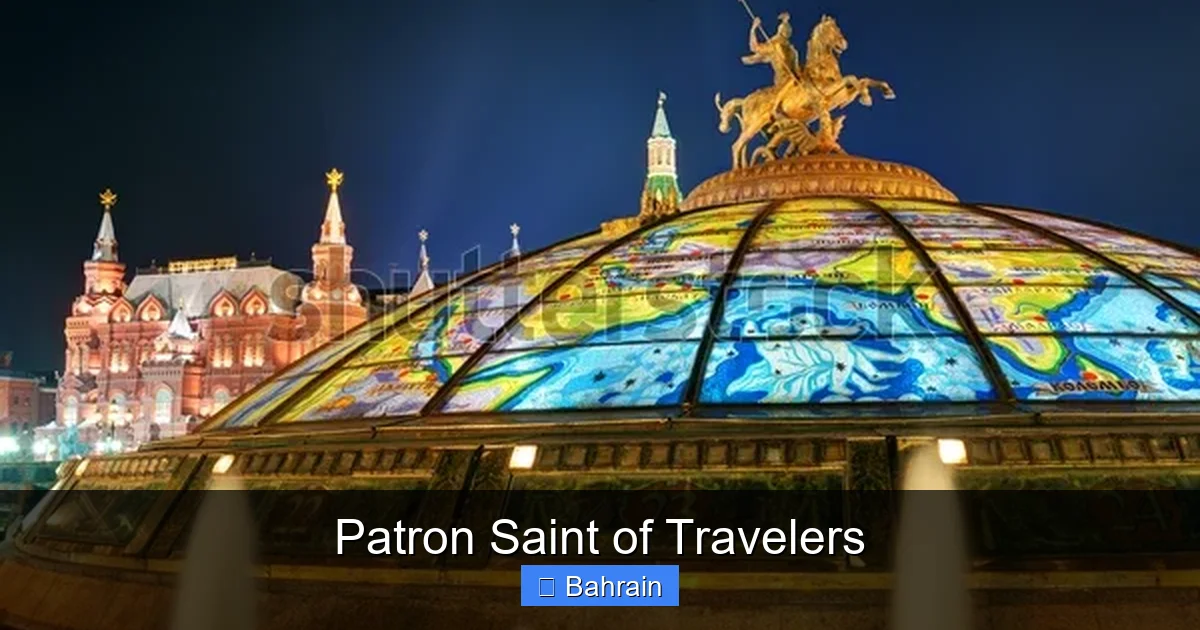
Visual guide about Patron Saint of Travelers
Image source: shutterstock.com
From Ancient Lore to Modern Devotion
The devotion to St. Christopher dates back to at least the 5th century, with his cult becoming widespread in the Middle Ages. Travelers, pilgrims, and even soldiers would invoke his name before embarking on hazardous journeys. Churches were dedicated to him, and his image was often painted on church walls, especially near entrances, so people could see it and be protected for the day. This tradition, stemming from the belief that merely seeing an image of St. Christopher would guarantee safety from sudden death on that day, shows the profound impact of his legend.
As transportation evolved, so did the applications of his patronage. When automobiles became common, St. Christopher quickly became the unofficial patron saint of drivers, with his medals adorning dashboards and keychains in millions of vehicles worldwide. His adaptability across different modes of travel—from walking and sailing to driving and flying—underscores the universal and timeless appeal of his protective role.
St. Christopher in Popular Culture and Art
You can find St. Christopher in countless works of art, from ancient frescoes and stained-glass windows to modern statues and religious icons. His image is consistently depicted as a strong, compassionate figure, burdened yet resolute, bearing the light of the world. He has appeared in literature, folklore, and even contemporary media, often as a silent guardian or a symbol of safe passage.
Beyond explicit religious contexts, the figure of St. Christopher has permeated secular culture as a general symbol of safe travel and good luck. This widespread recognition makes him a cultural touchstone for anyone embarking on a journey, whether they consider themselves religious or not.
The Catholic Church’s View: Reclassification and Continued Reverence
As mentioned earlier, in 1969, the Catholic Church undertook a revision of its liturgical calendar. This process aimed to align the calendar more closely with historically verifiable saints. Due to the predominantly legendary nature of his story, St. Christopher’s feast day was removed from the Universal Roman Calendar. However, this action did not diminish his sainthood or the Church’s acknowledgment of his enduring spiritual significance. He is still recognized as a saint and a powerful intercessor. His veneration is encouraged in specific localities or among particular groups, such as travelers.
The Church understands that popular devotion often springs from profound spiritual truths, even if the historical details are scant. The message of St. Christopher – carrying Christ through difficulty, serving others, and offering protection – remains incredibly powerful and relevant. Therefore, even with the reclassification, St. Christopher continues to be a beloved and respected patron saint of travelers for Catholics worldwide.
Beyond St. Christopher: Other Heavenly Guides for Journeys
While St. Christopher is undoubtedly the most famous patron saint of travelers, it’s worth noting that the Christian tradition offers a rich tapestry of saints, each with specific areas of patronage. Depending on the nature of your journey, other heavenly intercessors might also be invoked.
St. Nicholas: For Sailors and Children
Known for his generosity and miraculous interventions, St. Nicholas is revered as the patron saint of sailors and merchants. Given that much early travel involved sea voyages, his patronage over those traversing the waters makes him a natural protector for sea travelers. His legend includes saving sailors from a storm and other maritime miracles.
St. Raphael the Archangel: For Safe Passage and Healing
One of the three archangels mentioned in the Bible, Raphael’s name means “God heals.” In the Book of Tobit, he guides Tobiah on a long journey, protects him from danger, and facilitates healing and marriage. Because of his role as a divine guide and healer during a journey, St. Raphael is a powerful intercessor for safe passage, companionship, and even for healing during or after travel. He’s an excellent choice if your journey involves seeking health or finding a companion.
Our Lady of Loreto: For Aviators and Air Travelers
The patronage of Our Lady of Loreto stems from the legend that her house in Nazareth was miraculously transported by angels to Loreto, Italy. This extraordinary tale of aerial transport naturally led to her being declared the patron saint of aviators and air travelers. Many pilots and frequent flyers carry medals or offer prayers to Our Lady of Loreto for smooth and safe flights.
St. Anthony of Padua: For Lost Items (and often invoked for finding one’s way)
While primarily known for helping people find lost items, St. Anthony of Padua is also frequently invoked by travelers, particularly if they feel lost or are searching for their way. His broad appeal as a helper in times of need extends to the anxieties of travel, offering comfort when directions are unclear or things go awry on the road.
How Modern Travelers Connect with Their Patron Saints
In our modern, fast-paced world, where travel is more accessible than ever, the tradition of connecting with a patron saint of travelers continues to thrive. It’s not just a quaint, old custom; for many, it’s a vital source of spiritual strength and peace of mind.
Carrying Medals and Charms
As discussed, the St. Christopher medal remains incredibly popular. People attach them to keychains, wear them as necklaces, hang them from rearview mirrors, or even place them in their luggage. These physical tokens serve as a constant reminder of their faith and the protective power they believe their chosen saint offers. It’s a simple, yet profound, act of faith that many find deeply comforting.
Prayers for Safe Journeys
Before embarking on a trip, many travelers will offer a specific prayer for safe passage. These prayers might be a spontaneous appeal, a traditional invocation to St. Christopher, or a general prayer for divine protection. For instance, a common prayer to the patron saint of travelers might be: “O Glorious Saint Christopher, patron of travelers, protect us in all our journeys by land, sea, or air. Grant us safe passage and bring us home safely to our loved ones. Amen.” These moments of reflection and prayer help center the traveler and instill a sense of calm before the adventure begins.
Visiting Shrines and Pilgrimage Sites
For some, connecting with their patron saint involves visiting specific shrines or churches dedicated to them. While St. Christopher doesn’t have a single dominant pilgrimage site, his presence is felt in churches worldwide. Pilgrimages themselves are a form of travel, often undertaken with spiritual intentions, and invoking a patron saint is a natural part of such journeys. These sites offer a tangible connection to the spiritual realm and a place for deeper prayer and reflection.
Embracing the Spirit of Protection and Adventure
Ultimately, connecting with a patron saint of travelers is about more than just avoiding accidents. It’s about embracing the journey with a sense of courage, trust, and peace. It’s understanding that while we must do our part in planning and preparation, there’s also a spiritual dimension to our travels. This connection can transform a potentially stressful experience into one filled with faith and resilience, knowing that a higher power, through the intercession of a saint, is watching over you.
Practical Tips for a Protected and Peaceful Journey (Spiritual & Earthly)
While invoking a patron saint of travelers provides spiritual comfort, it’s important to remember that faith works best when combined with practical wisdom. Here are some tips to ensure your journeys are as protected and peaceful as possible:
Planning and Preparation: The Earthly Foundation
- Research Your Destination: Understand local customs, safety advisories, and cultural norms.
- Secure Travel Documents: Keep passports, visas, and identification safe and accessible. Have copies.
- Health Precautions: Consult a doctor about necessary vaccinations and pack a first-aid kit.
- Insurance Matters: Invest in comprehensive travel insurance that covers emergencies, cancellations, and medical needs.
- Vehicle Maintenance: If driving, ensure your car is in top condition before departure.
Mindfulness and Presence: Enjoying the Moment
- Stay Aware of Your Surroundings: Be vigilant, especially in unfamiliar places.
- Disconnect to Reconnect: While technology is useful, take time to put down your phone and truly experience your environment.
- Embrace the Unexpected: Travel often throws curveballs. A positive attitude and flexibility can turn challenges into memorable experiences.
Trust and Letting Go: Embracing the Journey
- Trust Your Instincts: If a situation feels unsafe, it probably is.
- Let Go of Perfection: Not every moment will be Instagram-perfect, and that’s okay. The beauty of travel often lies in its imperfections.
- Have Faith: Whether it’s faith in a divine protector like the patron saint of travelers, faith in humanity, or faith in your own resilience, a strong inner belief can make all the difference.
Remembering the “Patron Saint of Travelers” Spirit
Even if you don’t carry a medal or recite a prayer, you can embody the spirit of St. Christopher. Be a “Christ-bearer” in your own way: be helpful to fellow travelers, offer kindness to strangers, and carry a sense of peace and goodwill with you wherever you go. This spirit of service and compassion itself can be a powerful form of protection, fostering positive interactions and a safer environment for everyone.
The Universal Appeal of a Patron for Protection
The concept of a patron saint of travelers taps into something fundamentally human: our vulnerability when stepping into the unknown and our yearning for protection. In a world that often feels unpredictable, the idea of a benevolent spiritual guardian offers immense comfort and reassurance.
A Human Need for Security
From the earliest human migrations to modern-day tourism, travel has always involved a degree of risk. Illness, accidents, getting lost, or encountering unexpected challenges are all possibilities. It is entirely natural to seek comfort and security in the face of such uncertainties. A patron saint provides a focal point for these anxieties, channeling them into a proactive spiritual plea for safety.
Connecting Faith and Travel
For many, travel is not just a physical journey but also a spiritual one. It can be a time for reflection, personal growth, and deepening one’s connection to the divine. Invoking a patron saint of travelers seamlessly integrates faith into the travel experience, making it a more holistic and meaningful endeavor. It reminds us that even when we are far from home, we are still connected to our spiritual roots and beliefs.
The Enduring Legacy
The story of St. Christopher, the primary patron saint of travelers, transcends religious boundaries in many ways. His image, his legend, and the sense of security he offers have become ingrained in the collective consciousness. Whether you are a devout believer or simply someone who appreciates cultural symbols, the figure of St. Christopher stands as a universal emblem of safe passage and divine watchfulness over all who venture forth.
In conclusion, the figure of the patron saint of travelers, particularly St. Christopher, embodies a timeless human need for protection, guidance, and peace during journeys. His legend, steeped in selfless service and powerful faith, continues to inspire and comfort millions of people worldwide. As we continue to explore our amazing planet, knowing there’s a spiritual guardian watching over us can make every adventure not just safer, but also more profound and enriching. So, as you prepare for your next escapade, remember the spirit of the patron saint, embrace the journey, and travel safely!
🎥 Related Video: Prayer To St Christopher For Safe Travel – Patron Saint Of Travel Powerful Prayer
📺 Catholic Compass TV
Together we’ll pray this powerful prayer to St Christopher Prayer for Travel. Often sought by those seeking divine intervention, this …
Frequently Asked Questions
What does the name Christopher mean?
The name Christopher literally means “Christ-bearer.” This name was bestowed upon him in legend after he carried the Christ Child across a treacherous river, symbolizing his service to Christ.
Where can I find a St. Christopher medal?
St. Christopher medals are widely available in religious goods stores, online retailers specializing in Christian items, and sometimes even in general gift shops. They are popular symbols of protection for travelers.
Is St. Christopher only for Catholic travelers?
While St. Christopher is a Catholic saint, his medals and the desire for protection he symbolizes are embraced by people of various faiths, and even those with no specific religious affiliation, as a general symbol of safe travel.
What types of prayers are said to the patron saint of travelers?
Prayers to the patron saint of travelers typically ask for safe passage, protection from harm, and guidance during the journey, often concluding with a plea for a safe return home.
How old is the tradition of having a patron saint for travelers?
The tradition of invoking a patron saint for travelers, specifically St. Christopher, dates back to at least the 5th century, with his veneration becoming widespread during the Middle Ages.
Are there non-Christian equivalents of a patron saint for safe travel?
Many cultures and spiritual traditions have figures, deities, or rituals associated with safe travel, such as the Roman god Mercury, various protective spirits in animistic beliefs, or specific blessings and charms in different folk traditions, all serving a similar purpose of providing comfort and perceived safety on journeys.