Madrid Vs Barcelona Travel
Deciding between Madrid vs Barcelona travel can be tough, as both cities offer unique, unforgettable experiences. Madrid boasts grand history, world-class art, and authentic Spanish traditions, while Barcelona captivates with stunning modernist architecture, a vibrant coastal atmosphere, and a rich Catalan culture. This guide helps you navigate the differences in culture, food, attractions, and practicalities to help you choose your ideal Spanish adventure.
Ah, Spain! A country overflowing with passion, incredible food, rich history, and stunning landscapes. For many travelers, the ultimate Spanish dilemma isn’t whether to visit, but whether to choose between its two iconic powerhouse cities: Madrid or Barcelona. It’s a classic showdown, like choosing between two beloved siblings, each with their own distinct personality and charm. Both promise an unforgettable adventure, but they offer vastly different flavors of the Spanish experience.
Planning your dream trip often starts with this crucial decision. Do you crave the regal grandeur, world-class art, and traditional pulse of Spain’s capital? Or are you drawn to the whimsical architecture, bohemian beaches, and distinct Catalan flair of its coastal rival? This comprehensive guide on Madrid vs Barcelona travel aims to peel back the layers of each city, helping you understand their unique appeal so you can confidently pick the perfect destination for your next Spanish escapade. We’ll dive deep into everything from culture and cuisine to attractions and practicalities, ensuring your choice is well-informed and tailored to your travel style.
Key Takeaways
- Cultural Divide: Madrid embodies classic Spanish tradition, royal history, and world-class fine art, whereas Barcelona showcases unique Catalan modernism, a distinct local identity, and a Mediterranean coastal vibe.
- Art & Architecture: Madrid excels with the “Golden Triangle of Art” (Prado, Reina Sofía, Thyssen-Bornemisza), while Barcelona is defined by Gaudí’s masterpieces like Sagrada Familia and Park Güell.
- Gastronomy: Both cities offer incredible food. Madrid is a haven for traditional tapas, hearty stews, and late-night dining. Barcelona shines with fresh seafood, innovative Catalan cuisine, and bustling food markets like La Boqueria.
- Nightlife: Madrid is famous for its lively, late-night party scene, with numerous bars, clubs, and flamenco shows. Barcelona also offers vibrant nightlife, especially around its beach areas and Gothic Quarter.
- Atmosphere & Pace: Madrid feels more like a grand European capital with a bustling, elegant energy. Barcelona, with its beaches and distinct neighborhoods, often feels a bit more relaxed, creative, and bohemian.
- Logistics: Both cities are well-connected by public transport and high-speed rail. Madrid is geographically central, making it a hub for day trips across Spain, while Barcelona offers beach access and proximity to coastal towns.
Quick Answers to Common Questions
Is Madrid or Barcelona better for first-time visitors to Spain?
Both cities offer fantastic experiences for first-time visitors. Madrid provides a very traditional Spanish cultural immersion, while Barcelona offers a unique Catalan flavor with iconic architecture and a coastal vibe. Your personal interests will determine which is “better.”
Which city is more walkable, Madrid or Barcelona?
Both cities have very walkable city centers. Madrid’s core attractions are quite concentrated, making it easy to navigate on foot. Barcelona also has many walkable neighborhoods, but some areas, like those leading to Park Güell, involve more hills.
Is it easy to travel between Madrid and Barcelona?
Yes, absolutely! Spain’s high-speed AVE train connects Madrid and Barcelona efficiently. The journey takes approximately 2.5 to 3 hours, making it convenient to visit both cities on a single trip.
Which city is better for nightlife, Madrid or Barcelona?
Madrid is often cited as having a more intense and late-night focused nightlife, with many bars and clubs staying open until dawn. Barcelona also has a vibrant nightlife, particularly around its beach areas and the Gothic Quarter, offering a great variety of options.
Which city is more family-friendly, Madrid or Barcelona?
Both cities are very family-friendly. Madrid offers large parks like Retiro and family-focused museums. Barcelona has beaches, Park Güell, Tibidabo Amusement Park, and a more relaxed pace that can appeal to families.
📑 Table of Contents
Cultural Heartbeat: Madrid’s Tradition vs. Barcelona’s Modernism
When it comes to the very essence of each city, the contrast in Madrid vs Barcelona travel is perhaps most striking in their cultural identities. Madrid proudly wears its crown as the heart of traditional Spain, while Barcelona pulses with a unique Catalan spirit and a modernist, cosmopolitan edge.
Madrid: The Grand Dame of Spanish Culture
Madrid is quintessentially Spanish. It’s the royal capital, home to grand palaces, historic squares, and an unwavering commitment to preserving its rich heritage. Here, you’ll find the most authentic flamenco tablaos, bullfighting rings (though controversial, still a part of its history), and a deeply ingrained culture of late-night dining and socializing. Walking through its streets feels like stepping into a living museum of Spanish history, from the Habsburgs to the present day.
- Artistic Legacy: Madrid is home to the “Golden Triangle of Art” – the Prado Museum, Reina Sofía Museum, and Thyssen-Bornemisza Museum. This trio houses an unparalleled collection of European and Spanish masterpieces, from Goya and Velázquez to Picasso’s Guernica. For art lovers, this alone can tip the scales for Madrid vs Barcelona travel.
- Royal Splendor: The Royal Palace of Madrid, the largest functioning royal palace in Europe, is a testament to the city’s regal past. Nearby, the Plaza Mayor offers a glimpse into centuries of public life and historic events.
- Authentic Vibe: Madrid’s culture is vibrant and direct. Locals embrace the ‘paseo’ (evening stroll), ‘tapas crawl’, and animated conversations in bustling plazas. It’s a city that truly comes alive after dark.
Barcelona: A Mediterranean Masterpiece with Catalan Pride
Barcelona, on the other hand, boasts a distinct Catalan identity, which is fiercely independent and unique from the rest of Spain. It’s a city where Gothic charm meets avant-garde modernism, all set against the backdrop of the sparkling Mediterranean Sea. Its culture is a vibrant blend of its historical roots, artistic innovation, and a relaxed coastal lifestyle.
- Gaudí’s Wonderland: The city is practically synonymous with Antoni Gaudí, whose whimsical, organic, and breathtaking architectural marvels define much of its skyline. The Sagrada Familia, Park Güell, Casa Batlló, and La Pedrera are UNESCO World Heritage sites that draw millions. This distinct architectural style is a huge draw for those considering Madrid vs Barcelona travel.
- Catalan Language & Identity: While Spanish is widely spoken, Catalan is the co-official language and an integral part of the local identity. You’ll see street signs in Catalan and hear it spoken frequently, adding to the unique cultural immersion.
- Coastal Lifestyle: With Barceloneta Beach right at its doorstep, Barcelona offers a refreshing blend of city exploration and beach relaxation. The city’s energy often feels a bit more laid-back and artistic than Madrid’s.
A Culinary Journey: Tapas, Paella & Market Delights
No trip to Spain is complete without indulging in its world-renowned cuisine. The culinary scene is a significant factor in any Madrid vs Barcelona travel debate, with each city offering its own delectable specialties and dining traditions.
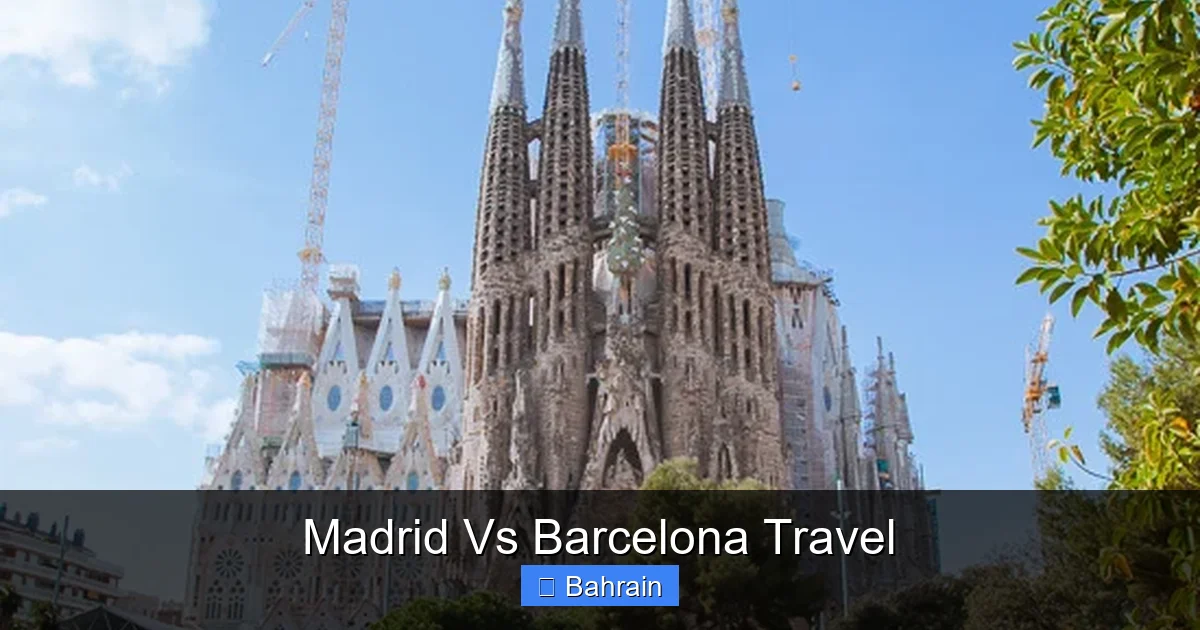
Visual guide about Madrid Vs Barcelona Travel
Image source: fortravelista.s3.amazonaws.com
Madrid’s Gastronomic Heartbeat
Madrid is a paradise for traditional Spanish food. It’s the undisputed capital of tapas, where small plates are an art form and a social ritual. The city’s central location means it draws ingredients from all over Spain, resulting in a rich and diverse culinary landscape.
- Tapas Culture: A Madrid staple, ‘ir de tapas’ (going for tapas) is a way of life. Head to La Latina or Cava Baja for an authentic experience, sampling patatas bravas, jamón ibérico, croquetas, and gambas al ajillo. Many bars still offer a free tapa with each drink, making for a delicious and economical way to dine.
- Hearty Dishes: Don’t miss out on cochinillo (roast suckling pig) or cocido madrileño (a hearty chickpea stew). And of course, a bocadillo de calamares (fried calamari sandwich) is a must-try classic around Plaza Mayor.
- Markets: The Mercado de San Miguel is a gourmet food market perfect for sampling an array of Spanish delicacies under one roof. For a more local feel, visit Mercado de la Paz or Mercado de San Antón.
- Late-Night Dining: Madrid dines late, with dinner often starting at 9 PM or later. Embrace the local rhythm!
Barcelona’s Mediterranean Flavors
Barcelona’s food scene is heavily influenced by its Mediterranean location and Catalan heritage. Fresh seafood, unique local dishes, and innovative gastronomy are at the forefront here. For many, the unique culinary offerings are a strong pull for Madrid vs Barcelona travel.
- Seafood Galore: Being on the coast, Barcelona excels in fresh seafood. Paella, while originating from Valencia, is widely and deliciously available here, often with a seafood twist. Try ‘fideuà’ – a similar dish made with short noodles instead of rice.
- Catalan Specialties: Sample ‘pa amb tomàquet’ (bread with tomato), ‘escalivada’ (roasted vegetables), and ‘crema catalana’ (a dessert similar to crème brûlée). You’ll also find botifarra (Catalan sausage) and esqueixada (salted cod salad).
- La Boqueria: Located on Las Ramblas, La Boqueria Market is an explosion of colors, sounds, and smells. It’s a fantastic place to wander, grab fresh fruit juices, sample local cheeses, or enjoy a casual meal at one of its many stalls.
- Modern Gastronomy: Barcelona is also home to many Michelin-starred restaurants and innovative chefs, pushing the boundaries of Catalan and Spanish cuisine.
Attractions & Activities: Art, Architecture & Green Spaces
Beyond culture and food, the sheer volume and type of attractions often sway the choice in Madrid vs Barcelona travel. Both cities are packed with incredible sights, but they cater to different interests.
Madrid’s Artistic & Royal Highlights
Madrid offers a wealth of world-class museums, grand boulevards, and sprawling parks. It’s a city designed for discovery, whether you’re an art enthusiast or a history buff.
- Museums: As mentioned, the Prado, Reina Sofía, and Thyssen-Bornemisza are essential. Beyond these, consider the Sorolla Museum for a beautiful glimpse into the artist’s life and work, or the Museo Arqueológico Nacional.
- Parks: Retiro Park is Madrid’s green lung, perfect for a leisurely stroll, a boat ride on the lake, or visiting the Crystal Palace. Casa de Campo offers a much larger wilderness area for hiking and biking.
- Historic Plazas: Plaza Mayor, Puerta del Sol (the Kilometre Zero of Spain), and Plaza de España are iconic meeting points and photo opportunities.
- Nightlife: Madrid is legendary for its nightlife, with a huge array of bars, clubs, and live music venues that stay open until the early hours. Flamenco shows here are also incredibly passionate and authentic.
Barcelona’s Architectural Wonders & Coastal Charm
Barcelona’s attractions are heavily influenced by its unique architecture, its vibrant neighborhoods, and its prime coastal location. It’s a city that blends urban exploration with beach relaxation.
- Gaudí’s Masterpieces: The Sagrada Familia is a must-see, even if still under construction. Park Güell offers stunning views and whimsical designs. Casa Batlló and La Pedrera are architectural gems on Passeig de Gràcia.
- Gothic Quarter: Get lost in the narrow, winding streets of the Barrio Gótico, home to the Barcelona Cathedral, ancient Roman walls, and charming plazas.
- Beaches: Barceloneta Beach is easily accessible from the city center, offering a place to relax, swim, or enjoy beachfront dining. Other nearby beaches like Bogatell are also popular.
- Montjuïc & Tibidabo: For panoramic views, head to Montjuïc (which also has museums, gardens, and a castle) or Tibidabo (home to an amusement park and a beautiful church).
- Vibrant Neighborhoods: Explore the bohemian Gràcia, the trendy El Born, or the lively El Raval for unique shops, cafes, and local experiences.
Logistics & Practicalities: Getting Around, Cost & Best Time to Visit
Understanding the practical aspects of Madrid vs Barcelona travel can also influence your decision. Both cities are well-equipped for tourists, but there are subtle differences in cost, ease of transport, and ideal visiting times.
Navigating Madrid
- Getting Around: Madrid boasts an excellent, efficient, and clean metro system, making it incredibly easy to get to most attractions. Buses and taxis are also plentiful. The city center is very walkable.
- Cost: Generally, Madrid is often considered slightly more affordable than Barcelona, particularly regarding accommodation and everyday dining (like tapas). However, this can fluctuate.
- Best Time to Visit: Spring (April-May) and Fall (September-October) offer pleasant temperatures and fewer crowds. Summers can be very hot, and winters can be chilly but are less crowded.
- Day Trips: Madrid’s central location makes it an ideal base for exploring other parts of Spain, with high-speed trains to Toledo, Segovia, Ávila, and even Córdoba or Seville for a day trip. This convenience is a big plus for Madrid vs Barcelona travel itineraries.
Navigating Barcelona
- Getting Around: Barcelona also has an extensive and reliable metro system, tram lines, and buses. The city center and beach areas are very walkable, but be prepared for some hills in areas like Gràcia or around Park Güell.
- Cost: Barcelona can sometimes be a bit more expensive, especially during peak season, due to its popularity as a coastal destination and its unique attractions.
- Best Time to Visit: Spring (April-May) and Fall (September-October) are ideal, offering mild weather for sightseeing and beach activities. Summer (June-August) is popular for beaches but can be very hot and crowded. Winters are mild.
- Day Trips: From Barcelona, you can easily visit Montserrat Monastery, the beaches of Sitges, the Dalí Museum in Figueres, or even the small towns of the Costa Brava.
Who Wins the Madrid Vs Barcelona Travel Showdown?
Ultimately, the question of “Madrid vs Barcelona travel” doesn’t have a single right answer. It boils down to what you seek from your Spanish adventure.
Choose Madrid if you are:
- A history buff keen on royal palaces and grand narratives.
- An art lover eager to immerse yourself in world-class museums.
- Someone who craves authentic Spanish traditions, from flamenco to late-night tapas crawls.
- Looking for a vibrant, cosmopolitan capital with a distinctly non-coastal feel.
- Interested in using a central base to explore other historical Spanish cities.
Choose Barcelona if you are:
- An architecture enthusiast captivated by Gaudí’s unique vision.
- Dreaming of a city break that includes beach time and a Mediterranean vibe.
- Intrigued by distinct regional cultures and the vibrant Catalan identity.
- Looking for a more bohemian, artistic, and perhaps slightly more relaxed pace.
- Keen on fresh seafood and innovative Catalan cuisine.
Can’t decide? If time and budget allow, consider visiting both! Spain’s high-speed rail network (AVE) connects Madrid and Barcelona in about 2.5 to 3 hours, making it entirely feasible to experience the best of both worlds. Many travelers opt for a split trip, spending 3-4 days in each city, which is an excellent way to truly appreciate the distinct charms of both. Whether you prioritize royal history or modernist marvels, traditional tapas or coastal seafood, your Madrid vs Barcelona travel experience will undoubtedly be rich, memorable, and uniquely Spanish.
Frequently Asked Questions
Is Barcelona more expensive than Madrid?
Generally, Barcelona can sometimes be slightly more expensive than Madrid, especially concerning accommodation, particularly during peak tourist seasons. However, prices can fluctuate, and both cities offer options across various budget ranges for your Madrid vs Barcelona travel.
Which city has better food, Madrid or Barcelona?
Neither city definitively has “better” food; they simply offer different specialties. Madrid excels in traditional Spanish tapas, hearty stews, and a classic dining experience. Barcelona, with its Mediterranean influence, shines with fresh seafood, unique Catalan dishes, and innovative modern cuisine.
Can you do a day trip from Madrid to Barcelona?
While technically possible due to the high-speed train connection (2.5-3 hours each way), a day trip from Madrid to Barcelona would be extremely rushed. It’s highly recommended to allocate at least 2-3 full days to properly experience either city and avoid travel fatigue.
Which city is safer for tourists?
Both Madrid and Barcelona are generally safe cities for tourists. As with any major European city, it’s wise to be aware of your surroundings, especially in crowded tourist areas, and guard against pickpocketing, which is the most common crime in both destinations.
Which city is better for shopping?
Both Madrid and Barcelona offer excellent shopping experiences. Madrid boasts grand boulevards like Gran Vía and Salamanca for luxury brands and department stores. Barcelona offers a mix of high-street fashion on Passeig de Gràcia, unique boutiques in areas like El Born, and vibrant markets.
What is the weather like when comparing Madrid vs Barcelona travel?
Madrid has a more continental climate, experiencing hot, dry summers and colder winters with occasional snow. Barcelona has a Mediterranean climate, characterized by hot, humid summers and mild winters, with pleasant spring and autumn seasons ideal for visiting.