Light Wheelchair for Travel
Traveling with mobility challenges doesn’t have to be daunting. This comprehensive guide delves into selecting the ideal light wheelchair for travel, emphasizing portability, comfort, and airline compatibility. We explore various types, crucial features, and provide practical tips for stress-free adventures, empowering you to navigate airports and destinations with ease. Choose the right lightweight travel wheelchair to unlock newfound freedom and explore the world.
The allure of travel is universal. Exploring new cities, experiencing different cultures, or simply visiting loved ones across the globe fills us with excitement. However, for individuals relying on mobility aids, the thought of navigating bustling airports, unfamiliar streets, and diverse terrains can sometimes feel overwhelming. That’s where the magic of a light wheelchair for travel comes in. It’s not just a piece of equipment; it’s a gateway to freedom, independence, and the joy of unhindered exploration.
Imagine effortlessly gliding through Bahrain International Airport, boarding a flight with ease, and then comfortably exploring the vibrant souqs of Manama or the historical sites of another country. This level of ease is entirely achievable with the right travel companion: a lightweight, portable wheelchair designed with the globetrotter in mind. This article will be your comprehensive guide, helping you understand what makes a wheelchair truly travel-friendly, the features to look for, and how to make the most of your adventures, near and far.
Key Takeaways
- Define “Light” for Travel: A light wheelchair for travel prioritizes low weight (under 15 kg), compact foldability, and durable materials like aluminum or carbon fiber, making it easy to transport and store.
- Manual vs. Electric Options: Both manual and electric light wheelchairs offer travel advantages, with manual being generally lighter and simpler, while electric models provide powered assistance for longer distances, though often heavier.
- Crucial Features for Travelers: Look for easy-fold mechanisms, comfortable seating, reliable brakes, anti-tip wheels, and airline-compatible dimensions to ensure a smooth and safe travel experience.
- Pre-Trip Planning is Essential: Thoroughly check your wheelchair before departure, understand airline policies for mobility aids, and pre-book airport assistance for a hassle-free journey.
- Personal Needs Dictate Choice: The best light wheelchair for travel depends on individual mobility needs, strength, destination terrain, and budget; always prioritize comfort and practical use.
- Empowerment for Exploration: Investing in a suitable light wheelchair for travel significantly enhances independence, allowing individuals from Bahrain and globally to explore new places and enjoy life to the fullest.
Quick Answers to Common Questions
What is the ideal weight for a light wheelchair for travel?
An ideal light wheelchair for travel typically weighs under 15 kg (33 lbs), with many excellent models ranging from 10-12 kg. Ultra-light carbon fiber chairs can be even lighter, around 5-7 kg.
Are electric light wheelchairs allowed on planes?
Yes, lightweight electric wheelchairs are generally allowed on planes, but strict airline regulations apply, especially concerning lithium-ion batteries. Always notify your airline in advance and be prepared to remove batteries to carry them in the cabin.
What’s the difference between a transport chair and a self-propelled travel wheelchair?
A transport chair has smaller wheels and is designed to be pushed by an attendant, making it lighter and more compact. A self-propelled travel wheelchair has larger rear wheels with push rims, allowing the user to propel themselves for greater independence.
How do I protect my light wheelchair during air travel?
Notify the airline in advance, request gate-checking, remove any detachable parts (footrests, cushions) and carry them in the cabin, and consider using a padded travel bag for extra protection. Label all parts with your contact information.
Can a light wheelchair for travel fit in a standard car trunk?
Most light wheelchairs for travel are designed to fold compactly enough to fit into a standard car trunk, especially after removing quick-release wheels or folding the backrest down. Always check the folded dimensions against your car’s trunk space before purchase.
📑 Table of Contents
Understanding “Light” in Travel Wheelchairs
When we talk about a light wheelchair for travel, we’re not just referring to any lightweight chair. We’re discussing a specialized category designed for maximum portability and convenience. The key differentiators lie in weight, size, and material, all optimized for easy transport and storage, whether you’re taking a short trip across Bahrain or an international flight.
Material Matters: Aluminum, Carbon Fiber, and More
The core of a lightweight travel wheelchair is its construction material. Traditional wheelchairs often use steel, which is durable but heavy. Travel-specific models predominantly utilize:
- Aluminum: This is the most common material for a light wheelchair for travel. Aluminum frames offer an excellent balance of strength, durability, and low weight. They are resistant to rust, making them suitable for various climates.
- Carbon Fiber: For the ultimate in lightweight design, carbon fiber is the top choice. It’s incredibly strong, exceptionally light, but also comes with a higher price tag. Carbon fiber wheelchairs can be astonishingly light, sometimes weighing as little as 5-7 kg.
- Aircraft-Grade Alloys: Some manufacturers use proprietary alloys that mimic the strength-to-weight ratio of aircraft materials, offering robust yet light solutions.
Choosing the right material depends on your budget and how frequently you plan to travel. For occasional trips, an aluminum frame might be perfectly adequate. For frequent flyers or those seeking the absolute lightest option, carbon fiber is a worthy investment.
Weight and Portability Specs
What constitutes “light” in a travel wheelchair? Generally, a chair weighing under 15 kg (around 33 lbs) is considered lightweight for travel. Many excellent models fall into the 10-12 kg range, and ultra-light options can be even less. However, it’s not just about the total weight. Consider:
- Liftable Weight: Can you or your travel companion comfortably lift the chair into a car boot or overhead bin (if disassembled)?
- Folded Dimensions: How small does it get when folded? This is crucial for airline cabin baggage limits (for certain compact models) or for fitting into smaller vehicle trunks, common in some Bahraini neighborhoods.
- Disassembly Options: Can parts like footrests, wheels, or batteries be easily removed to reduce the weight of individual components?
Foldability and Disassembly
A true light wheelchair for travel excels in its ability to become compact. There are several folding mechanisms:
- Compact or “Scissor” Fold: These chairs fold inward like an accordion, resulting in a narrow, tall package. They are often very stable when unfolded.
- Quick-Release Wheels: Many travel chairs feature quick-release rear wheels, allowing them to be detached in seconds, significantly reducing the chair’s width and weight for transport.
- Fold-Down Backrests: Backrests that fold down onto the seat further reduce the chair’s height, making it easier to store in tight spaces.
Always test the folding mechanism before purchasing. It should be intuitive and easy to operate, especially if you’ll be managing it frequently on your travels.
Types of Light Wheelchairs for Travel
The world of travel wheelchairs offers diverse options, each suited for different needs and travel styles. Understanding these types will help you narrow down your search for the perfect light wheelchair for travel.
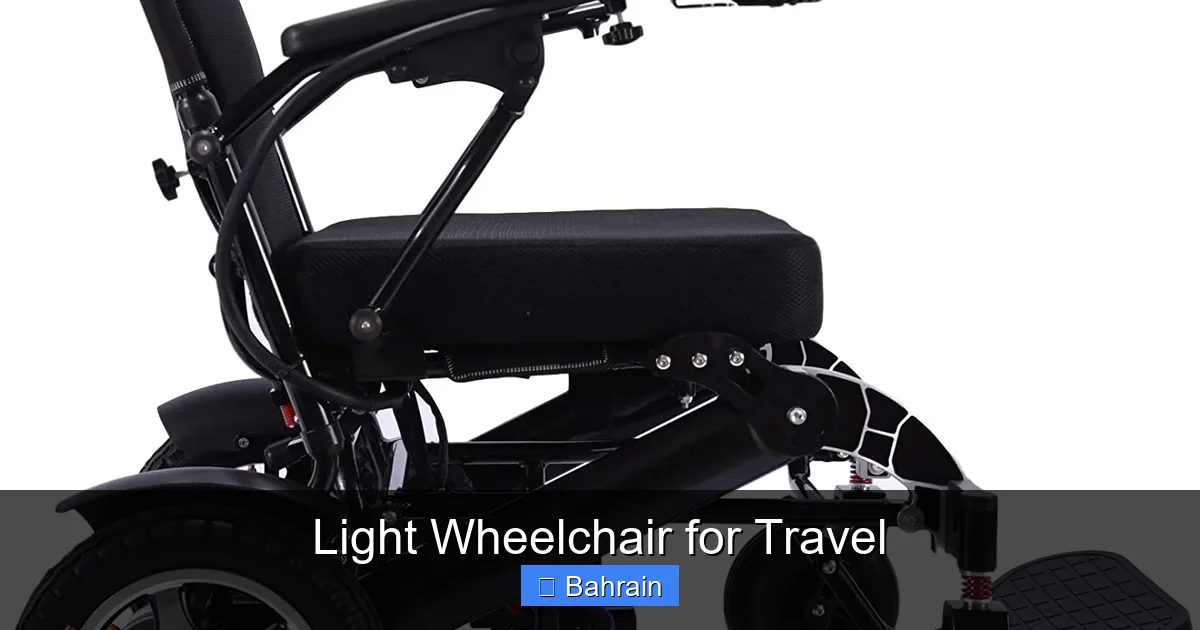
Visual guide about Light Wheelchair for Travel
Image source: i5.walmartimages.com
Manual Travel Wheelchairs
Manual wheelchairs are often the lightest and most straightforward choice for travel. They rely on the user or a companion for propulsion. Key features include:
- Self-Propelled Models: These have large rear wheels with push rims, allowing the user to propel themselves. They offer greater independence but require upper body strength. Many models feature quick-release wheels to aid in transport.
- Transport Chairs: Also known as companion chairs, these have smaller wheels and are designed to be pushed by an attendant. They are typically lighter and more compact than self-propelled chairs, making them excellent for short trips or specific airport assistance, but offer less user independence.
Manual chairs are generally easier to maintain, don’t require battery charging, and are less complicated when dealing with airline regulations.
Lightweight Electric Travel Wheelchairs
For those who need assistance over longer distances or have limited upper body strength, a lightweight electric travel wheelchair can be a game-changer. These chairs offer motorized propulsion, taking the physical strain out of navigating airports or tourist attractions.
- Folding Electric Wheelchairs: Modern technology has allowed for electric wheelchairs that fold down compactly, often with a single touch or lever. While heavier than manual chairs, they are significantly lighter and more portable than traditional power wheelchairs.
- Disassembled Electric Wheelchairs: Some electric travel models break down into several lighter components (seat, battery, frame sections) that can be lifted individually.
When considering an electric light wheelchair for travel, pay close attention to battery type (lithium-ion are common and lighter), range, and airline regulations regarding battery transport. It’s vital to check with your airline well in advance about their specific policies for lithium-ion batteries.
Transport Chairs vs. Self-Propelled Chairs
This is a crucial distinction for many travelers. A transport chair is inherently lighter and smaller, perfect if you always travel with a companion who can push you. They often fold very compactly and are ideal for getting through narrow spaces. However, if you value your independence and want to propel yourself, a self-propelled light wheelchair for travel, even with quick-release wheels, is the way to go. Consider your typical travel style and who you usually travel with when making this choice.
Key Features to Look For
Beyond weight and type, several specific features can significantly enhance your travel experience with a light wheelchair for travel. These elements contribute to comfort, safety, and overall practicality.
Comfort and Adjustability
Even for short trips, comfort is paramount. You’ll be spending a fair amount of time in your chair, so look for:
- Padded Seat and Backrest: Essential for comfort, especially during long waits or touring. Some come with breathable mesh materials, great for Bahrain’s warmer climate.
- Adjustable Footrests: Footrests that can be adjusted in height or even swung away are crucial for comfortable transfers and preventing pressure points.
- Ergonomic Handles (for attendants): If using a transport chair, ensure the attendant handles are comfortable to grip and at an appropriate height to prevent back strain.
- Seat Width and Depth: Ensure the chair fits your body comfortably without being too wide (making it hard to maneuver) or too narrow (causing discomfort).
Safety Features (Brakes, Anti-Tips)
Safety should never be compromised, especially when navigating unfamiliar environments. Look for:
- Reliable Brakes: Handbrakes that are easy to engage and disengage are essential. For attendant-propelled chairs, push-to-lock brakes are common.
- Anti-Tip Wheels: These small wheels located at the back of the wheelchair prevent it from tipping backward, a vital safety feature, especially on inclines or when reaching for items.
- Seatbelt: A simple lap belt provides an extra layer of security during movement, particularly useful when going over uneven surfaces or during vehicle transfers.
Airline and Vehicle Compatibility
This is perhaps one of the most critical aspects for any light wheelchair for travel. Before purchasing, verify:
- Folded Dimensions: Will it fit in the trunk of a standard taxi or rental car? Does it meet the size requirements for gate-checking on an airplane?
- Weight Limits: Airlines have weight limits for checked baggage and gate-checked items. Ensure your chair falls within these limits to avoid extra fees.
- Battery Compliance: If electric, ensure the battery type and capacity comply with airline regulations (e.g., typically under 300 Wh for lithium-ion and often required to be carried in the cabin). Always check with your specific airline and destination airport.
Practical Accessories for Travelers
Enhance your travel experience with useful accessories:
- Travel Bag: A padded travel bag protects your wheelchair from scratches and damage during transit.
- Cup Holder and Storage Pouch: Handy for keeping essentials close, especially when exploring.
- Cushion: An extra pressure-relief cushion can greatly improve comfort for longer periods.
- Portable Ramp: A small, portable ramp can be invaluable for navigating curbs or small steps in older buildings or shops that aren’t fully accessible.
Preparing for Your Trip: Logistics and Planning
Having the perfect light wheelchair for travel is just one part of the equation. Careful planning and understanding travel logistics will ensure a smooth journey from start to finish.
Pre-Trip Wheelchair Maintenance
Just like you wouldn’t travel without checking your car’s tires, give your wheelchair a thorough once-over before your trip:
- Tires: Check tire pressure (for pneumatic tires) and look for any wear or damage.
- Brakes: Test the brakes to ensure they are fully functional and engaging properly.
- Frame: Inspect the frame for any cracks, loose bolts, or signs of stress.
- Batteries (Electric): Fully charge batteries and ensure they hold a charge. If you have spare batteries, check them too. Carry charging cables.
- Folding Mechanism: Practice folding and unfolding the chair to ensure it operates smoothly.
Consider carrying a small repair kit with basic tools, especially if you’re traveling to remote areas.
Packing Your Light Wheelchair
How you pack your chair can impact its condition upon arrival. Many airlines allow wheelchairs to be gate-checked, meaning you use it right up to the plane door, and it’s returned to you immediately upon disembarking. This is often the safest option for the chair and most convenient for you.
- Label Everything: Attach identification tags with your name, contact information, and flight details to the chair itself and any removable parts.
- Remove Detachable Parts: Footrests, cushions, and sometimes even armrests can be removed and carried into the cabin as carry-on luggage to prevent loss or damage.
- Secure Loose Parts: Use straps or bungee cords to secure any parts that might flap open during transit.
- Use a Travel Bag: If available, place your folded wheelchair into its dedicated travel bag for extra protection.
Airport Assistance and Procedures
Airports, including Bahrain International Airport, are generally well-equipped to assist travelers with mobility aids. However, pre-planning is key:
- Notify Airline in Advance: When booking your flight, inform the airline that you will be traveling with a wheelchair. Specify if it’s manual or electric, and the dimensions/weight. For electric chairs, provide battery details.
- Request Wheelchair Assistance: Most airlines offer complimentary assistance from check-in to your seat on the plane, and vice-versa. This includes help with luggage, navigating security, and boarding.
- Gate-Check Your Chair: Request to gate-check your light wheelchair for travel. This allows you to use it throughout the airport and then have it waiting for you right outside the aircraft door upon arrival.
- Battery Management (Electric Chairs): For lithium-ion batteries, you might be required to remove them and carry them in the cabin. Always follow airline instructions meticulously.
Arrive at the airport with ample time to spare, as these procedures can sometimes take longer. Don’t hesitate to ask for help from airport staff – they are there to assist you.
Navigating Destinations in Bahrain and Beyond
Once you’ve arrived, your light wheelchair for travel opens up a world of possibilities. Here are some tips for navigating your chosen destination:
- Research Accessibility: Before you go, research the accessibility of your hotel, attractions, and public transport options. Many travel blogs and websites offer accessibility reviews.
- Local Transport: In Bahrain, taxis are generally accessible for folded wheelchairs. In other countries, research accessible bus or metro options. Ride-sharing apps sometimes offer wheelchair-accessible vehicles.
- Pavement and Terrain: Be mindful of varying pavement conditions. A light wheelchair with good maneuverability and sturdy wheels will perform better on cobblestones or uneven paths.
- Flexibility is Key: Not everywhere will be perfectly accessible. Embrace a flexible mindset and have alternative plans ready if an intended spot proves challenging.
Choosing the Right Light Wheelchair for YOU
The “best” light wheelchair for travel isn’t a one-size-fits-all answer. It’s a deeply personal choice that should align with your specific needs, lifestyle, and budget. Taking the time to consider these factors will lead you to a chair that truly enhances your travel experiences.
Assessing Your Personal Needs
Start by honestly evaluating what you need from a travel wheelchair:
- User Independence vs. Companion Assistance: Do you need to self-propel, or will you always have a companion to push you? This dictates between a self-propelled manual chair or a transport chair.
- Travel Frequency and Duration: Are you a frequent flyer taking long trips, or an occasional traveler with short excursions? This influences the durability and ultimate lightness you might need.
- Physical Strength and Stamina: If you have limited upper body strength or tire easily, an electric folding wheelchair might be a better choice despite being heavier.
- Destination Types: Will you mostly be in urban areas with smooth pavements, or exploring more rugged terrains? Wheel size and tire type can be important here.
- Body Dimensions and Weight: Always ensure the chair’s weight capacity and seat dimensions are appropriate for your body to ensure safety and comfort.
Budgeting for Your Investment
Lightweight travel wheelchairs range widely in price, from a few hundred Bahraini Dinars for basic transport chairs to several thousand for ultra-light carbon fiber or advanced folding electric models.
- Entry-Level Options: Basic aluminum transport chairs are generally the most affordable.
- Mid-Range: Self-propelled aluminum chairs with good features fall into this category.
- High-End: Carbon fiber manual chairs and advanced folding electric wheelchairs represent a significant investment but offer unparalleled lightness and features.
View your wheelchair as an investment in your independence and quality of life. Consider longevity, warranty, and potential resale value when making your decision.
Where to Purchase and Try Out
It’s always recommended to try out a wheelchair before buying if possible. In Bahrain, you can find mobility aid suppliers and medical equipment stores that carry various models. Online retailers also offer a vast selection, often with competitive prices, but you miss the opportunity to test the chair.
- Local Mobility Stores: These stores offer personalized advice, fitting services, and the chance to sit in and try folding different models. They can also assist with maintenance and repairs.
- Online Retailers: A broader selection and often better prices, but carefully check return policies and measure yourself precisely. Read reviews from other travelers.
- Rental Options: For a one-off trip, consider renting a light wheelchair for travel to see if it meets your needs before committing to a purchase.
Don’t hesitate to ask questions, compare specifications, and think about how the chair will integrate into your travel routine.
Conclusion
Embarking on a journey, whether it’s a short drive to the beach in Zallaq or an international flight to a distant land, should be an experience filled with excitement and discovery, not anxiety over mobility. A thoughtfully chosen light wheelchair for travel transforms potential obstacles into opportunities, empowering you to navigate the world with confidence and comfort.
By understanding the different types, prioritizing essential features like portability and safety, and planning your logistics, you can select a travel companion that perfectly suits your needs. Remember, the goal is to make travel accessible, enjoyable, and effortless. So, go ahead, choose your ideal lightweight travel wheelchair, and let the adventures begin! The world is waiting for you to explore it, one comfortable journey at a time.
Frequently Asked Questions
How far in advance should I notify my airline about traveling with a wheelchair?
It’s best to notify your airline at least 48-72 hours before your flight, ideally when you book your ticket. This allows them to make necessary arrangements for wheelchair assistance and ensure compliance with any specific regulations for your mobility aid.
Are lightweight travel wheelchairs comfortable for long periods?
While designed for portability, many lightweight travel wheelchairs incorporate features for comfort, such as padded seats and backrests, and adjustable footrests. For extended use, consider adding an extra pressure-relief cushion to enhance comfort.
What if my destination isn’t fully wheelchair accessible?
Researching accessibility in advance is crucial. While not everywhere may be perfectly accessible, a flexible attitude, a portable ramp, and willingness to ask for local assistance can help you navigate many situations. Prioritize destinations known for better accessibility.
Can I rent a light wheelchair for travel instead of buying one?
Yes, many medical equipment suppliers and even some travel agencies offer rental services for light wheelchairs, which can be a great option for a one-off trip or to test out a model before making a purchase. Check for rental services in Bahrain or at your destination.
Are there specific types of tires better for travel on varied terrains?
Generally, solid tires are maintenance-free and good for smooth surfaces, while pneumatic (air-filled) tires offer better shock absorption and grip on uneven terrain like cobblestones or light gravel, common in some older areas or parks. Consider larger wheels for better stability.
What’s the average lifespan of a light wheelchair for travel?
The lifespan of a light wheelchair for travel varies greatly depending on its material, build quality, frequency of use, and maintenance. High-quality aluminum or carbon fiber chairs, with proper care, can last many years, often 5-10 years or more, especially with regular servicing.