How to Travel on Plane with Fresh Tattoo
Traveling with a new tattoo requires extra care and preparation to prevent complications. Protecting your fresh tattoo from germs, dry air, and irritation during a flight is crucial for proper healing. Always consult your artist, pack an aftercare kit, keep the tattoo clean and covered, and stay well-hydrated to ensure your new artwork heals perfectly when you travel on plane with fresh tattoo.
There’s nothing quite like the excitement of getting a new tattoo. It’s a fresh piece of art, a story etched onto your skin, and a personal statement you’ll carry with you. But what happens when that post-tattoo glow clashes with pre-planned travel plans? The thought of flying with fresh ink can bring a wave of anxiety, especially when you’re thinking about how to protect your precious new artwork.
Whether you’ve just gotten inked in Bahrain or are returning home after an international tattoo adventure, the process of air travel presents unique challenges for a healing tattoo. Airplanes are, let’s face it, not the most sterile environments, and the cabin air can be incredibly dry. These factors can potentially impact your tattoo’s healing process, leading to complications if not properly managed. But don’t worry, with the right knowledge and preparation, you can absolutely travel on plane with fresh tattoo and ensure it heals beautifully.
This comprehensive guide will walk you through everything you need to know, from pre-flight preparations to in-flight care and post-landing routines. We’ll cover practical tips, essential items to pack, and what to look out for, helping you navigate your journey with confidence. So, let’s dive into how to successfully travel on plane with fresh tattoo and keep your new ink looking its best.
Key Takeaways
- Consult Your Artist First: Always seek specific aftercare advice from your tattoo artist before planning to travel on a plane with a fresh tattoo, as they know your ink best.
- Timing is Crucial: Ideally, wait 2-4 weeks for initial healing before flying. If you must fly sooner, take extreme precautions.
- Pack a Comprehensive Aftercare Kit: Include gentle cleanser, artist-recommended moisturizer, sterile non-stick bandages or Saniderm/Tegaderm, and hand sanitizer.
- Protect Your Tattoo During Flight: Keep your fresh tattoo clean and covered with a breathable, protective barrier like Saniderm. Wear loose, soft clothing to avoid friction.
- Stay Hydrated and Hygienic: Drink plenty of water to combat cabin dryness and use hand sanitizer frequently to minimize germ exposure before touching your tattoo.
- Monitor for Infection: After landing, continue diligent aftercare and watch for any signs of infection such as excessive redness, swelling, pus, or fever.
- Adjust for Climate: Be mindful of your destination’s climate, especially when returning to or traveling from hot, humid environments like Bahrain, which can impact healing.
Quick Answers to Common Questions
Can I travel on plane with fresh tattoo the day after getting it?
While not ideal, it is possible with extreme precautions. You must keep the tattoo covered with a protective barrier like Saniderm/Tegaderm and adhere strictly to your aftercare routine, including frequent hand sanitization and hydration.
What is Saniderm/Tegaderm, and why is it good for flying?
Saniderm or Tegaderm are thin, breathable adhesive films (often called “second skin”) that protect your new tattoo from bacteria, friction, and dirt while locking in moisture. They are excellent for flying because they provide a sterile, hands-off barrier for several days.
How often should I moisturize my fresh tattoo during a flight?
If your tattoo is not covered by a second skin, moisturize as often as your artist recommends, typically 2-3 times a day. If you can’t cleanse it properly during the flight, it’s better to wait until you have access to a clean environment before reapplying moisturizer to avoid trapping bacteria.
Can cabin pressure harm my fresh tattoo?
Significant harm from cabin pressure is rare for tattoos. Minor pressure changes might cause slight swelling or discomfort for some, but it generally doesn’t negatively impact healing or ink retention. Staying hydrated helps.
What clothes should I wear to protect my fresh tattoo on a plane?
Opt for loose-fitting, soft, and breathable clothing made from natural fibers like cotton. This prevents friction and allows air circulation, which is crucial for healing. Avoid tight garments that could rub or irritate your tattoo.
📑 Table of Contents
Understanding Your Fresh Tattoo and Air Travel Risks
Before we discuss the “how,” it’s vital to understand the “why.” A fresh tattoo is essentially an open wound. It’s not just a drawing; it’s thousands of tiny punctures in your skin that need to heal properly. Treating it with the care it deserves is paramount, especially when introducing it to the unique environment of an airplane cabin.
What Constitutes a “Fresh” Tattoo?
Generally, a tattoo is considered “fresh” for the first 2-4 weeks of its healing journey. This period is when your skin is most vulnerable. The outer layers are regenerating, scabbing might occur, and the skin is particularly susceptible to infection or irritation. Some artists might even suggest a longer initial healing period, up to 6 weeks, before significant activities like swimming or prolonged sun exposure. For flying, the first few days to a week are the most critical.
Why is Flying Risky for a New Tattoo?
Several factors associated with air travel can pose risks to your healing tattoo:
- Germs and Bacteria: Airplane cabins are enclosed spaces shared by many people. Surfaces can harbor germs, and air circulation, while filtered, isn’t perfect. Your fresh tattoo is an open gateway for bacteria, making hygiene incredibly important.
- Dry Cabin Air: The air inside an airplane cabin is notoriously dry. This low humidity can dehydrate your skin, potentially causing your tattoo to dry out excessively, scab more heavily, or heal slower. Dryness can also lead to itching and discomfort.
- Pressure Changes: While usually minor, changes in cabin pressure can sometimes cause slight swelling or discomfort, particularly if the tattoo is large or in an area prone to swelling.
- Limited Movement and Space: Being confined to a seat for hours can lead to accidental bumping or rubbing of your tattoo against clothing or seatbelts. This friction can irritate the healing skin, potentially damaging the new ink.
- Access to Proper Aftercare: During a flight, you might not have immediate access to clean water, gentle soap, or your full aftercare kit, making routine cleaning and moisturizing challenging.
Before You Fly: Essential Preparations
The key to successfully travel on plane with fresh tattoo lies in thorough preparation. Don’t leave things to chance; a little planning goes a long way in protecting your new ink.
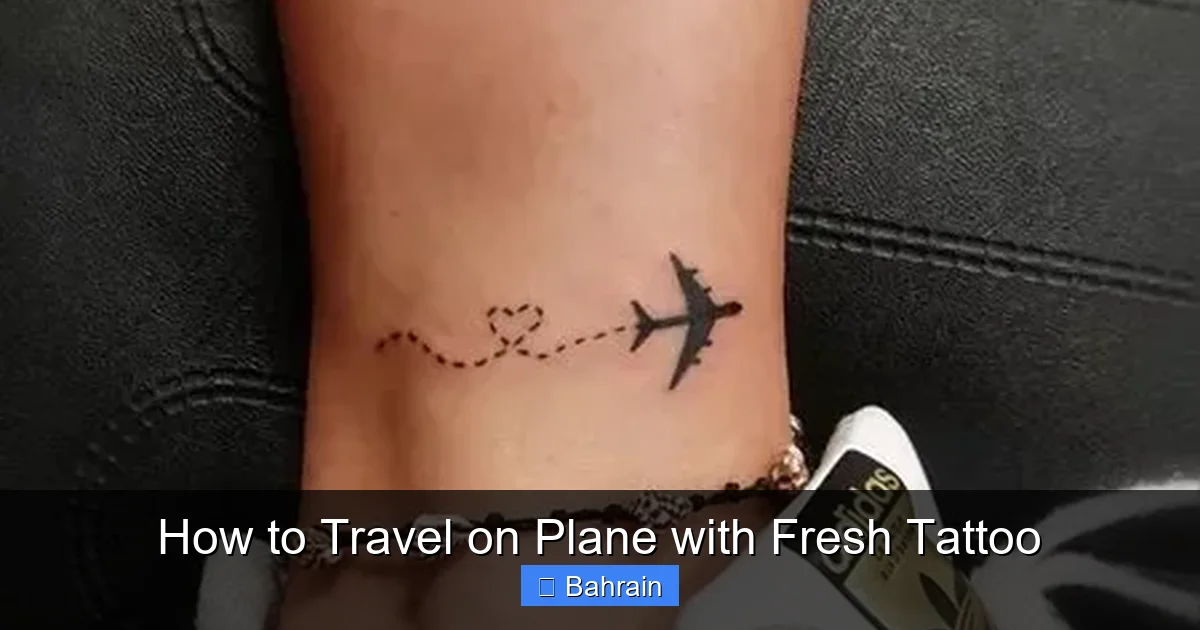
Visual guide about How to Travel on Plane with Fresh Tattoo
Image source: tattoosboygirl.com
Timing Your Tattoo and Flight
If you have the luxury of choice, try to schedule your tattoo at least 2-4 weeks before your flight. This allows the initial, most vulnerable healing phase to pass, reducing the risk significantly. If waiting isn’t an option, and you absolutely must travel on plane with fresh tattoo within a few days of getting it, you’ll need to be extra diligent with your aftercare.
Consulting Your Artist
This is perhaps the most crucial step. Your tattoo artist knows your tattoo best and can provide personalized advice based on its size, location, and your skin type. Ask them specifically about flying with your new ink. They might recommend specific products, coverings like Saniderm or Tegaderm, or particular steps to take. Get their guidance on how long to keep your tattoo covered and what to do if you’re on a long-haul flight.
Gathering Your Travel Aftercare Kit
Think of this as your tattoo’s first-aid kit for travel. Pack these items in your carry-on for easy access:
- Saniderm or Tegaderm (Second Skin): If your artist hasn’t already applied it, or if it’s time for a change, carrying extra sheets is highly recommended. These breathable, protective films create a sterile barrier, protecting your tattoo from germs and friction while locking in moisture. They can stay on for several days, which is ideal for travel.
- Gentle, Unscented Cleanser: A small travel-sized bottle of an antibacterial, fragrance-free soap is essential for proper cleaning.
- Artist-Recommended Moisturizer: Pack a small tube of your preferred tattoo balm or lotion. Avoid petroleum-based products unless specifically advised by your artist.
- Clean Paper Towels: Patting your tattoo dry with a fresh paper towel is more hygienic than using a shared cloth towel.
- Hand Sanitizer: You’ll be touching various surfaces on the plane. A good quality, alcohol-based hand sanitizer is vital for cleaning your hands thoroughly before touching your tattoo or aftercare supplies.
- Medical Tape and Sterile Non-Stick Pads (if not using Saniderm): If Saniderm isn’t an option, have these as a backup for covering.
During Your Flight: Protecting Your Ink
Now that you’re prepared, let’s focus on managing your tattoo during the actual flight. This is where your diligence truly pays off when you travel on plane with fresh tattoo.
Dressing Smartly
Choose loose-fitting, soft, and breathable clothing made from natural fibers like cotton. Tight clothing can rub against your tattoo, causing irritation, friction, and potentially pulling off scabs. If your tattoo is on an arm or leg, consider wearing sleeves or pants that are easy to pull up for air circulation without exposing the tattoo to rough surfaces.
Keeping it Clean and Covered
- Saniderm/Tegaderm is Your Best Friend: If you have Saniderm or Tegaderm on, you’re in good shape. It provides excellent protection for the duration of most flights. Just ensure it’s properly applied and sealed. If it starts to peel at the edges, you might need to reapply a fresh piece once you can sanitize your hands and the area thoroughly.
- If Not Using Second Skin: If your tattoo isn’t covered by a second skin, or if it’s past the recommended wear time for one, you’ll need to be more proactive. Keep your tattoo covered with a clean, sterile, non-stick pad, secured with medical tape. Avoid wrapping it tightly with cling film for extended periods, as this can trap moisture and promote bacterial growth.
- Frequent Hand Sanitization: Before and after touching your tattoo, applying moisturizer, or changing any covering, clean your hands thoroughly with hand sanitizer. This is critical for preventing infections in the confined space of an airplane.
- Cleaning When Possible: On longer flights, if you need to clean your tattoo, do so in a clean airplane lavatory. Wash your hands thoroughly first, then gently cleanse the tattoo with your mild soap and lukewarm water. Pat dry with clean paper towels, apply a thin layer of moisturizer, and re-cover if necessary. Ensure you don’t over-saturate your tattoo with water.
Staying Hydrated
The dry cabin air is a significant concern. Dehydration can affect your skin’s elasticity and healing capabilities. Drink plenty of water throughout your flight. Avoid excessive alcohol and caffeine, as both can contribute to dehydration. Staying well-hydrated helps your body, and consequently your tattoo, heal more effectively.
Minimizing Swelling and Irritation
Try to move around when safe and permitted, especially on longer flights. Wiggle your toes, stretch your legs, and stand up if possible. If your tattoo is on an arm or leg, elevating it slightly (if your seating allows) can help reduce swelling. Avoid resting your tattooed limb directly against hard surfaces or materials that might chafe.
After You Land: Post-Flight Care
You’ve made it! But the care doesn’t stop once the wheels touch down. The immediate post-flight period is just as important for your healing tattoo.
Immediate Cleansing and Moisturizing
As soon as you reach your accommodation or a clean private space, your first priority should be to attend to your tattoo. Carefully remove any temporary covering (like gauze or non-stick pads). Gently wash your tattoo with your mild, unscented soap and lukewarm water. Pat it dry with a clean paper towel and apply a thin layer of your artist-recommended moisturizer. If you had Saniderm on, follow your artist’s instructions for removal and subsequent care.
Continuing Your Aftercare Routine
The journey is over, but the aftercare routine continues. Stick to your tattoo artist’s recommended aftercare regimen diligently. This typically involves regular washing, moisturizing, and protecting your tattoo from sun exposure and harsh environments. Consistency is key for optimal healing.
Watch for Signs of Infection
Even with the best precautions, it’s essential to monitor your tattoo for any signs of infection. These include:
- Excessive redness or red streaks spreading from the tattoo.
- Increased swelling beyond the initial post-tattoo puffiness.
- Warmth or heat radiating from the tattooed area.
- Pus or discharge (not clear plasma).
- Fever or chills.
- Severe pain that worsens rather than improves.
If you notice any of these symptoms, seek medical advice promptly. It’s better to be safe than sorry.
Specific Considerations and Tips for Travelers from Bahrain
For those of you traveling from or to places like Bahrain, there are some additional factors to consider due to the unique climate and travel patterns.
Climate and Environment
Bahrain’s hot and often humid climate can present challenges for tattoo healing. Excessive sweating can irritate a fresh tattoo and create a moist environment that bacteria love. Protect your tattoo from direct sunlight at all costs, as UV rays can damage the fresh ink and lead to fading or improper healing. When returning to Bahrain, be mindful of immediate heat exposure and continue to dress in loose, breathable clothing.
Long-Haul Flights
Many travelers from Bahrain undertake long-haul flights. This means extended periods in the dry cabin air and limited movement. For these journeys, the need for Saniderm/Tegaderm becomes even more critical. If your artist suggests it, you might even consider changing your Saniderm mid-flight (if you can ensure sterile conditions) or immediately upon landing at a transit point. Increased hydration throughout the flight is also paramount.
Customs and Security Checks
Be prepared to explain any coverings on your tattoo if asked by security personnel. While rare, they might inquire about bandages or wraps. Having a simple explanation like “It’s a healing tattoo, covered for protection as per my artist’s advice” usually suffices. You can also carry a printed aftercare sheet from your artist as a reference.
Hydration in Arid Climates
Whether you’re traveling from an arid region or to one, maintaining hydration is vital. The combination of dry airplane air and an already dry external environment (like Bahrain’s climate) can significantly impact your skin. Continue to drink ample water even after landing to support your body’s healing process.
Successfully navigating how to travel on plane with fresh tattoo is entirely possible with careful planning and diligent aftercare. Your new ink is a valuable investment, both financially and emotionally, and protecting it during the vulnerable healing phase is crucial. By following these guidelines, consulting your artist, and being proactive about hygiene and hydration, you can ensure your tattoo heals beautifully, looking vibrant and crisp for years to come.
Conclusion
Getting a new tattoo is an exciting experience, but the journey of healing requires patience and meticulous care, especially when you need to travel on plane with fresh tattoo. The unique environment of an airplane cabin presents specific challenges that, if ignored, can jeopardize the beauty and longevity of your artwork. From the dry air and potential for germ exposure to the need for continuous aftercare, every step matters.
By prioritizing preparation, from consulting your artist and assembling a comprehensive aftercare kit to making smart choices about clothing and hydration, you empower yourself to protect your new ink. Remember that products like Saniderm or Tegaderm can be incredibly valuable tools for travel, offering a sterile, breathable barrier against the elements. Diligent hygiene, frequent moisturizing, and vigilant observation for any signs of infection remain critical throughout your travel and post-travel recovery period.
Your tattoo is a permanent piece of art that deserves the best possible start. By following the advice in this guide, you can confidently travel on plane with fresh tattoo, ensuring it heals beautifully and remains a vibrant testament to your personal style and story. Safe travels, and happy healing!
Frequently Asked Questions
How soon after getting a tattoo can I fly?
It is generally recommended to wait at least 2-4 weeks after getting a new tattoo before flying, to allow the initial healing phase to pass. If you must fly sooner, consult your tattoo artist for specific advice and take extra precautions to protect your vulnerable ink.
What should I do if my fresh tattoo starts to itch during the flight?
Itching is a normal part of the healing process, but it can be intensified by dry cabin air. Avoid scratching your tattoo at all costs. Instead, gently pat the area or apply a very thin layer of your artist-recommended moisturizer if appropriate and your hands are clean.
Is it safe to use airplane lavatory water to clean my tattoo?
While often necessary on long flights, airplane lavatory water isn’t always ideal. If you must clean your tattoo, ensure your hands are thoroughly sanitized first, use your gentle cleanser, and pat dry with clean paper towels. Avoid prolonged exposure to tap water in this environment.
Can I drink alcohol during my flight if I have a fresh tattoo?
It is strongly advised to avoid alcohol when you have a fresh tattoo, especially during a flight. Alcohol can dehydrate your body and thin your blood, which can hinder the healing process and potentially lead to increased swelling or bleeding. Stick to water for hydration.
What should I do if my Saniderm/Tegaderm starts peeling mid-flight?
If your second skin starts peeling significantly and exposes the tattoo, the best course of action is to carefully remove it if you have access to clean hands and an alternative sterile covering. If not, try to secure the loose edges with medical tape until you can properly clean and re-cover the tattoo at your destination.
How does Bahrain’s climate affect flying with a fresh tattoo?
Bahrain’s hot and humid climate can make a fresh tattoo sweat more, potentially leading to irritation or bacterial growth if not kept clean. When flying back to or from Bahrain, be extra mindful of protecting your tattoo from excessive heat and direct sun exposure immediately upon arrival or departure, and ensure excellent hygiene.