Holiday Travel Weather Impact
Holiday travel weather impact can significantly disrupt even the best-laid plans, turning anticipated joy into unexpected stress. From flight delays due to blizzards to road closures from heavy rains, understanding and preparing for potential weather challenges is crucial for a smooth journey. This article provides essential insights and practical tips to help you navigate these disruptions, ensuring your holiday travels remain as enjoyable and stress-free as possible.
The holiday season, whether it’s Eid, National Day, or the bustling year-end festivities, is a magical time of year. It’s when families reunite, friends gather, and new memories are made. For many, this involves travel – whether a short drive to a neighbouring city or an international flight across continents. However, amidst the excitement of packing bags and planning itineraries, there’s one unpredictable guest that can often throw a wrench into even the most meticulously planned journey: the weather.
The reality is, the holiday travel weather impact can be profound. A sudden dust storm in the Gulf region, heavy rains elsewhere, an unexpected blizzard in a northern climate, or dense fog blanketing an airport can turn a smooth trip into a stressful saga of delays, cancellations, and unexpected detours. Understanding these potential challenges and knowing how to prepare for them isn’t just about avoiding frustration; it’s about ensuring your safety and preserving the spirit of your holiday. This article aims to equip you with the knowledge and practical tips you need to navigate the unpredictable world of holiday travel weather impact with confidence and peace of mind.
Key Takeaways
- Proactive Weather Monitoring is Essential: Always check forecasts well in advance and just before departure, as weather conditions can change rapidly and impact your specific travel route.
- Flexibility is Your Best Friend: Build extra time into your travel itinerary and be prepared for potential delays or changes. Having alternative plans can significantly reduce stress.
- Pack Smart for All Contingencies: Your packing list should include essentials for unexpected delays, such as extra layers, medications, snacks, entertainment, and important documents.
- Utilize Technology for Real-Time Updates: Airline apps, weather apps, and official government travel advisories are invaluable for receiving immediate information on delays, cancellations, and route changes.
- Consider Travel Insurance: A comprehensive travel insurance policy can offer financial protection against unforeseen weather-related cancellations, medical emergencies, or lost luggage.
- Understand Your Rights as a Traveler: Familiarize yourself with airline and travel provider policies regarding delays, cancellations, rebooking, and compensation to make informed decisions.
- Prioritize Safety Over Schedule: If weather conditions make travel unsafe, do not hesitate to postpone or alter your plans. Your well-being is always the most important consideration.
Quick Answers to Common Questions
What is the biggest challenge of holiday travel weather impact?
The biggest challenge is the cascading effect of delays and cancellations across entire travel networks, making it difficult to find alternative arrangements during peak demand periods.
How does extreme heat affect holiday travel?
Extreme heat can cause discomfort for travelers, lead to health advisories, and potentially impose speed restrictions on train lines due to track expansion, causing delays.
Should I rely solely on my airline’s app for weather updates?
While airline apps are crucial for flight-specific information, it’s best to cross-reference with official meteorological services and general weather apps for a comprehensive view of regional weather conditions.
What’s the first thing I should do if my flight is cancelled due to weather?
Immediately try to rebook your flight through the airline’s app, website, or by calling their customer service line, while also getting in line at the airport’s customer service desk.
Is travel insurance worth it for holiday travel within my own country (e.g., within Bahrain)?
Even for domestic travel, insurance can be valuable. It can cover non-refundable deposits for accommodations, rental cars, or activities if your trip is impacted by weather, and sometimes even medical emergencies away from home.
📑 Table of Contents
- Understanding the Holiday Travel Weather Impact: Why It’s a Big Deal
- Common Weather Culprits and Their Regional Variations
- Before You Go: Proactive Planning and Preparation
- During Your Journey: Staying Safe and Informed
- Leveraging Technology and Travel Insurance to Mitigate Risks
- Navigating Cancellations and Delays: Your Rights and Next Steps
Understanding the Holiday Travel Weather Impact: Why It’s a Big Deal
Travel during peak holiday seasons is inherently complex. Airports are busier, roads are more congested, and demand for accommodation and services skyrockets. When you add challenging weather conditions into this already intricate mix, the potential for widespread disruption increases exponentially. A single weather event can trigger a domino effect across entire travel networks.
The Ripple Effect of Weather Disruptions
Imagine a heavy fog rolls in over a major international hub like Bahrain International Airport, or perhaps a significant snowstorm hits a connecting airport in Europe or North America. Flights are delayed, then cancelled. This isn’t just an inconvenience for those directly affected; it creates a ripple effect. Planes are out of position for their next flights, flight crews exceed their legal working hours, and airport resources become stretched. For passengers, this means missed connections, extended stays in unfamiliar places, and the scramble to rebook at a time when availability is scarce.
On the roads, the holiday travel weather impact can be just as severe. Heavy rain can lead to flash flooding and reduced visibility, especially in regions prone to such events. Ice storms make roads treacherous, while high winds can make driving large vehicles dangerous. These conditions not only slow down traffic but can also lead to accidents, road closures, and prolonged delays, turning a short drive into an arduous journey.
Beyond the Obvious: Indirect Impacts
It’s not just about direct physical danger. The stress of being stranded, the financial burden of unexpected accommodation, the emotional toll of missing family events, and the disruption to meticulously planned schedules all contribute to a significant negative experience. Understanding that weather can impact your travel in multiple, sometimes indirect, ways is the first step towards better preparation.
Common Weather Culprits and Their Regional Variations
Different parts of the world experience different weather patterns during holiday seasons. While a white Christmas might be a dream for some, it’s a logistical nightmare for others. Recognizing the specific types of weather that are likely to affect your holiday travel helps in tailored preparation.
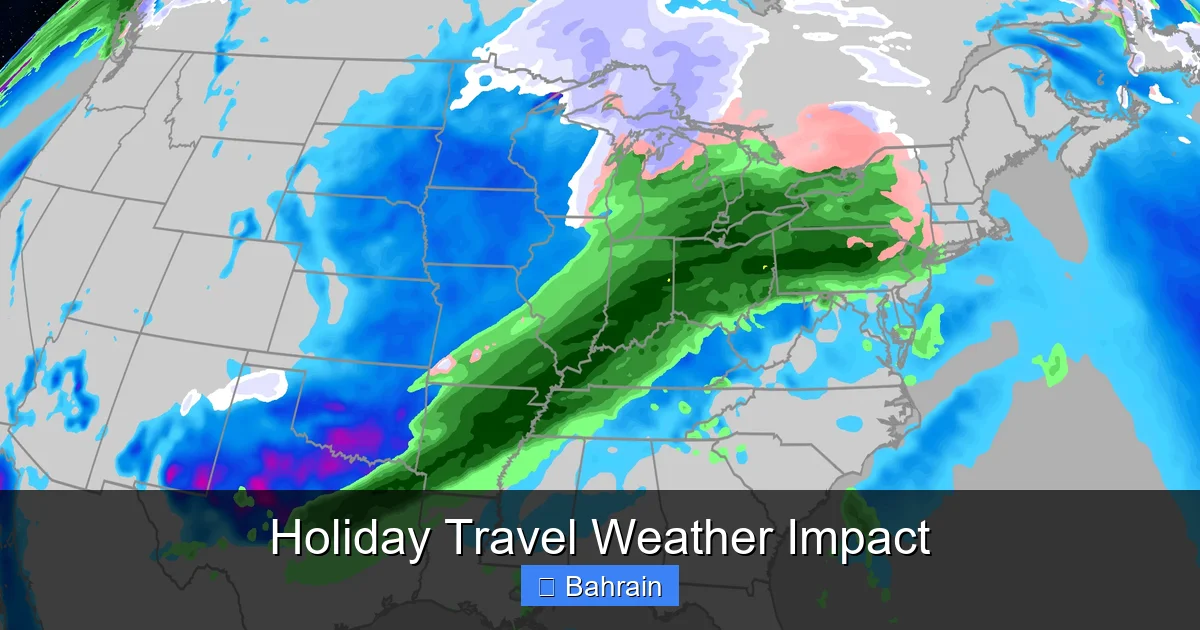
Visual guide about Holiday Travel Weather Impact
Image source: s.w-x.co
Cold Weather Extremes: Snow, Ice, and Freezing Rain
- Snowstorms: Heavy snowfall can close airports, make roads impassable, and delay train services. De-icing procedures for aircraft are time-consuming, leading to significant delays.
- Ice Storms/Freezing Rain: These are particularly dangerous. Ice accumulation on roads, power lines, and aircraft surfaces creates hazardous conditions, leading to widespread power outages and treacherous driving.
- Extreme Cold: While less common in Bahrain’s climate, extreme cold in other parts of the world can cause mechanical failures in vehicles and aircraft, and create health risks for travelers.
Warm Weather Woes: Heavy Rain, Fog, and High Winds
- Heavy Rainfall and Flooding: From monsoon seasons in Southeast Asia to sudden downpours in the Gulf region, heavy rain can significantly reduce visibility, cause flash flooding, and lead to road closures and airport ground stop alerts. For holiday travel within or from Bahrain, strong downpours are a less frequent but still possible concern.
- Dense Fog: Fog is a major culprit for aviation delays, leading to low visibility procedures that drastically reduce the number of flights an airport can handle. It also makes road travel extremely dangerous. Coastal areas or regions with significant humidity are particularly susceptible.
- High Winds: Strong crosswinds can make take-offs and landings challenging for aircraft, leading to diversions or cancellations. On the ground, high winds can affect bridges, ferry services, and make driving high-sided vehicles risky. Dust storms, common in desert regions like Bahrain, are often accompanied by high winds, severely reducing visibility and creating hazardous conditions.
- Heatwaves: While less likely to cancel flights, extreme heat can impact train track operations (speed restrictions), lead to health advisories, and cause discomfort for travelers in unairconditioned spaces or those with layovers.
Before You Go: Proactive Planning and Preparation
The best way to mitigate the holiday travel weather impact is to be prepared. This involves a multi-pronged approach that starts long before you even leave your home.
Monitor Forecasts Religiously
Don’t just check the weather once. Start monitoring forecasts for your departure city, destination, and any layover points at least a week before your trip. Use reliable weather apps and government meteorological websites. Pay attention to specific travel advisories issued by airlines or local authorities. Even in places with generally stable weather, like Bahrain, sudden changes can occur, so staying updated is key.
Build in Buffer Time and Flexibility
If your schedule allows, try to build an extra day or two into your itinerary, especially if you have crucial events like a wedding or a conference. For flights, consider booking an earlier flight on the day, or even flying in a day ahead of time if possible. When driving, factor in potential delays due to adverse conditions. Flexibility in your plans is your greatest asset against weather disruptions.
Invest in Travel Insurance
A comprehensive travel insurance policy is not an expense; it’s an investment, particularly during holiday travel. Look for policies that cover weather-related cancellations, delays, lost luggage, and emergency medical assistance. Understand the terms and conditions, especially what constitutes a “covered event.” This small upfront cost can save you thousands in unexpected expenses if the weather takes a turn for the worse.
Pack Smart: Prepared for the Unexpected
Your packing strategy should account for potential delays. Always carry essential medications, a change of clothes, basic toiletries, a portable charger for your devices, and some non-perishable snacks in your carry-on luggage. Even if you’re traveling from a warm climate like Bahrain to another warm destination, packing a light jacket or scarf can be helpful for unexpected chilly terminals or sudden temperature drops. If traveling to colder climates, layers are crucial.
During Your Journey: Staying Safe and Informed
Even with the best preparation, unexpected weather can strike. Knowing how to react and where to get information is vital once you’re on the move.
Stay Connected and Informed
- Airline Apps and Alerts: Download your airline’s app. Many airlines provide real-time updates on flight status, gate changes, and delay information directly through their apps. Sign up for text or email alerts.
- Airport Websites and Social Media: Check the departure airport’s website for general operational status. Many airports and airlines also use social media (like X, formerly Twitter) to provide immediate updates.
- Road Condition Websites/Apps: If driving, use local traffic and road condition apps or websites that provide real-time information on closures, accidents, and hazardous areas.
Communicate Effectively
If you face delays, contact your travel companions or the people you’re meeting to inform them of your situation. Don’t wait until the last minute. This manages expectations and reduces worry for those waiting for you.
Prioritize Safety
Never try to push through dangerous weather conditions, whether driving or attempting to make a connection that seems impossible. If an airline cancels a flight due to weather, it’s for your safety. If road conditions are unsafe, pull over or find a safe place to wait out the storm. Your well-being is always more important than adhering to a schedule.
Leveraging Technology and Travel Insurance to Mitigate Risks
In today’s interconnected world, technology plays a huge role in managing the holiday travel weather impact. Alongside robust insurance, these tools are indispensable.
Essential Travel Apps and Tools
- Weather Apps: Beyond basic weather, look for apps that offer hyper-local forecasts, radar maps, and severe weather alerts.
- Flight Tracking Apps: Apps like FlightAware or FlightStats allow you to track specific flights and see if your incoming aircraft is delayed, giving you an early heads-up.
- Airline Apps: As mentioned, these are your direct line to your airline for status updates and rebooking options.
- VPN: If traveling internationally, a VPN can provide secure access to your home country’s services and websites, which might be critical for rebooking or communication during disruptions.
The Power of Travel Insurance
Revisiting travel insurance, it’s important to understand its nuances. A good policy should cover:
- Trip Cancellation/Interruption: Reimburses non-refundable expenses if your trip is cancelled or cut short due to covered weather events.
- Trip Delay: Provides reimbursement for accommodation, meals, and other expenses if your trip is delayed beyond a specified number of hours.
- Emergency Medical: Crucial for international travel, covering unexpected illness or injury.
- Baggage Delay/Loss: Covers necessary purchases if your luggage is delayed or lost.
Always read the fine print. Some policies have specific exclusions related to “known” weather events (e.g., a hurricane named weeks in advance) or require you to purchase the policy a certain number of days before travel for weather-related coverage to be valid.
Navigating Cancellations and Delays: Your Rights and Next Steps
Facing a cancellation or significant delay is stressful, but knowing your rights and the best course of action can make a huge difference.
Understanding Airline Policies
Airline policies vary by region and carrier. In general, if your flight is cancelled or significantly delayed due to airline fault (e.g., mechanical issues), they are usually obligated to rebook you on the next available flight, or provide a refund. For weather-related disruptions, the rules can be different:
- Rebooking: Most airlines will rebook you on their next available flight at no extra charge. They might even rebook you on a partner airline.
- Accommodation/Meals: Depending on the length of the delay and the airline’s policy (and your location), they might offer meal vouchers or hotel accommodation, especially for overnight delays. However, this is often discretionary for weather-related issues.
- Refunds: If you decide not to travel due to a weather-related cancellation, you are generally entitled to a full refund for the unused portion of your ticket.
Always ask airline staff what your options are. Be polite but firm in asserting your rights.
Tips for Rebooking and Problem Solving
- Be Proactive: As soon as you hear about a delay or cancellation, get in line at the customer service desk, but also try calling the airline’s customer service number simultaneously. Many airlines have dedicated rebooking lines for emergencies.
- Use the App: Sometimes, you can rebook directly through the airline’s app faster than speaking to an agent.
- Consider Alternative Airports/Routes: If your original airport is severely affected, look into flying from or to a nearby alternative airport if feasible.
- Travel Agent Assistance: If you booked through a travel agent, contact them immediately. They often have access to different booking systems and can advocate on your behalf.
- Patience and Politeness: Airline staff are often overwhelmed during weather events. A calm and polite demeanor is more likely to yield positive results than an aggressive one.
The holiday season should be a time of joy, not stress. While the holiday travel weather impact is an undeniable factor, it doesn’t have to ruin your plans. By embracing a proactive mindset, leveraging modern technology, investing wisely in travel insurance, and understanding how to react when things go awry, you can significantly reduce the risks and navigate any weather-related challenges with greater ease.
Remember, preparedness is the key to ensuring your journey is as smooth and memorable as the destination itself. So, check those forecasts, pack smart, and travel safe, ready for whatever the skies may bring!
Frequently Asked Questions
What types of weather commonly impact holiday travel?
Common weather impacts include snowstorms, ice, freezing rain, dense fog, heavy rainfall leading to flooding, strong winds, and even dust storms in desert regions like Bahrain. These conditions can disrupt air, road, and rail travel.
How far in advance should I check the weather for my holiday trip?
It’s advisable to start monitoring weather forecasts for your departure city, destination, and any layover points at least a week before your trip, and then check daily leading up to your departure.
Does travel insurance cover all weather-related disruptions?
No, not all. Most comprehensive policies cover unforeseen weather events that lead to cancellations or delays. However, policies might have exclusions for “known” events (e.g., a hurricane forecast weeks in advance) or require the policy to be purchased a certain time before travel to be valid for weather-related claims. Always read the policy details carefully.
What essentials should I pack in my carry-on for potential weather delays?
For potential delays, your carry-on should include essential medications, a change of clothes, basic toiletries, a portable power bank for electronics, snacks, important documents, and any critical items you can’t be without.
What are my rights if an airline cancels my flight due to weather?
If an airline cancels due to weather (an “act of God”), they are typically obligated to rebook you on the next available flight or offer a refund. However, compensation for accommodation, meals, or other expenses is often discretionary and depends on the airline’s specific policy and the region’s regulations.
How can I stay updated on road conditions during holiday travel?
To stay updated on road conditions, use local government road authority websites or apps, as well as general navigation apps that provide real-time traffic and hazard alerts. In regions like Bahrain, local police advisories or news channels are also good sources.