Best Time to Visit Egypt And Jordan
Planning your trip to Egypt and Jordan? Knowing the best time to visit can make all the difference between a good vacation and an unforgettable adventure.
You want to explore ancient pyramids, stroll through vibrant markets, and experience breathtaking desert landscapes—but without the discomfort of extreme heat or overwhelming crowds. Imagine wandering Petra’s rose-red city or cruising the Nile when the weather is just right, and the atmosphere feels perfect.
In this guide, you’ll discover exactly when to visit these fascinating destinations to enjoy pleasant weather, avoid peak tourist rush, and get the most out of every moment. Ready to find your ideal travel window? Let’s dive in.
Best Months For Egypt
Egypt offers diverse experiences across its seasons. Choosing the best months depends on your travel goals. Weather, crowds, and activities vary throughout the year. The months of spring and autumn stand out for their mild temperatures and pleasant conditions. Winter brings cooler weather but more tourists. Summer is very hot but ideal for beach lovers and budget travelers.
Spring (march-april)
Spring is one of the best times to visit Egypt. Temperatures are warm but not too hot. Days are sunny and perfect for sightseeing. Tourist crowds are moderate, allowing easier access to popular sites. This season is great for exploring ancient monuments and cities comfortably.
Autumn (october-november)
Autumn offers a comfortable climate with cooler evenings. The heat of summer fades, making outdoor activities enjoyable. Tourist numbers begin to rise but stay manageable. This time is ideal for Nile cruises and desert tours. Clear skies and fresh air enhance the travel experience.
Winter (december-february)
Winter brings cooler temperatures, especially at night. It is peak tourist season in many parts of Egypt. Popular attractions can be crowded. Daytime weather remains pleasant for outdoor visits. Pack layers to stay warm during chilly evenings and early mornings.
Summer (may-september)
Summer in Egypt is very hot, especially inland. Daytime temperatures can soar above 40°C (104°F). Tourist crowds shrink, offering quieter sites and lower prices. This season suits travelers who enjoy the Red Sea beaches and diving. Early mornings and late afternoons are best for sightseeing.
Best Months For Jordan
Choosing the best months to visit Jordan depends on the weather and your travel plans. Jordan has a desert climate with hot summers and mild winters. The shoulder seasons offer the most comfortable temperatures and fewer crowds. Each season has its own charm for sightseeing and outdoor activities. Here is a breakdown of the best months to visit Jordan by season.
Spring (march-may)
Spring is one of the best times to visit Jordan. Temperatures are warm but not too hot. The desert blooms with colorful wildflowers. It is ideal for exploring Petra and Wadi Rum. Days are pleasant for hiking and sightseeing. Nights can be cool, so pack a light jacket.
Autumn (september-november)
Autumn offers mild weather and clear skies. It is perfect for outdoor adventures and cultural tours. The heat of summer fades, making it easier to enjoy the Dead Sea and desert landscapes. Tourist crowds are smaller than in winter. Bring comfortable clothes for warm days and cooler evenings.
Winter (december-february)
Winter in Jordan is mild compared to many places. Days are cooler but still good for sightseeing. Some areas, like Amman, can be chilly. Snow is rare but possible on mountain tops. This season sees the highest number of tourists. Book accommodations early for best prices.
Summer (june-august)
Summer is very hot, especially in desert areas. Temperatures often exceed 100°F (38°C). This season is less popular for travel but great for budget travelers. Hotels and tours may offer discounts. Early mornings and evenings are better for outdoor activities. Stay hydrated and protect yourself from the sun.
Weather Patterns
Understanding the weather patterns in Egypt and Jordan helps plan a perfect trip. Both countries experience unique climate traits that affect travel comfort and activities. Travelers should consider temperature changes, rainfall, and daylight hours to pick the best visiting time.
Temperature Variations
Egypt and Jordan have hot summers and mild winters. Summer temperatures often rise above 100°F (38°C), especially in Egypt’s desert areas. Winter days are cooler, ranging from 60°F to 75°F (15°C to 24°C). Nights can get chilly, especially in Jordan’s highlands. Spring and autumn offer moderate temperatures, making these seasons ideal for outdoor sightseeing.
Rainfall And Climate
Rainfall is scarce in both countries. Egypt mostly stays dry all year, with rare rain showers in winter. Jordan sees more rain, mainly from November to March. Most rain falls in short bursts and rarely disrupts travel plans. The dry climate means travelers should stay hydrated and protect themselves from the sun.
Daylight Hours
Daylight hours vary throughout the year but remain sufficient for sightseeing. Summer offers long days with up to 14 hours of sunlight. Winter days are shorter, with around 10 hours of daylight. Planning activities during daylight ensures safety and better experience while exploring historic sites and natural wonders.
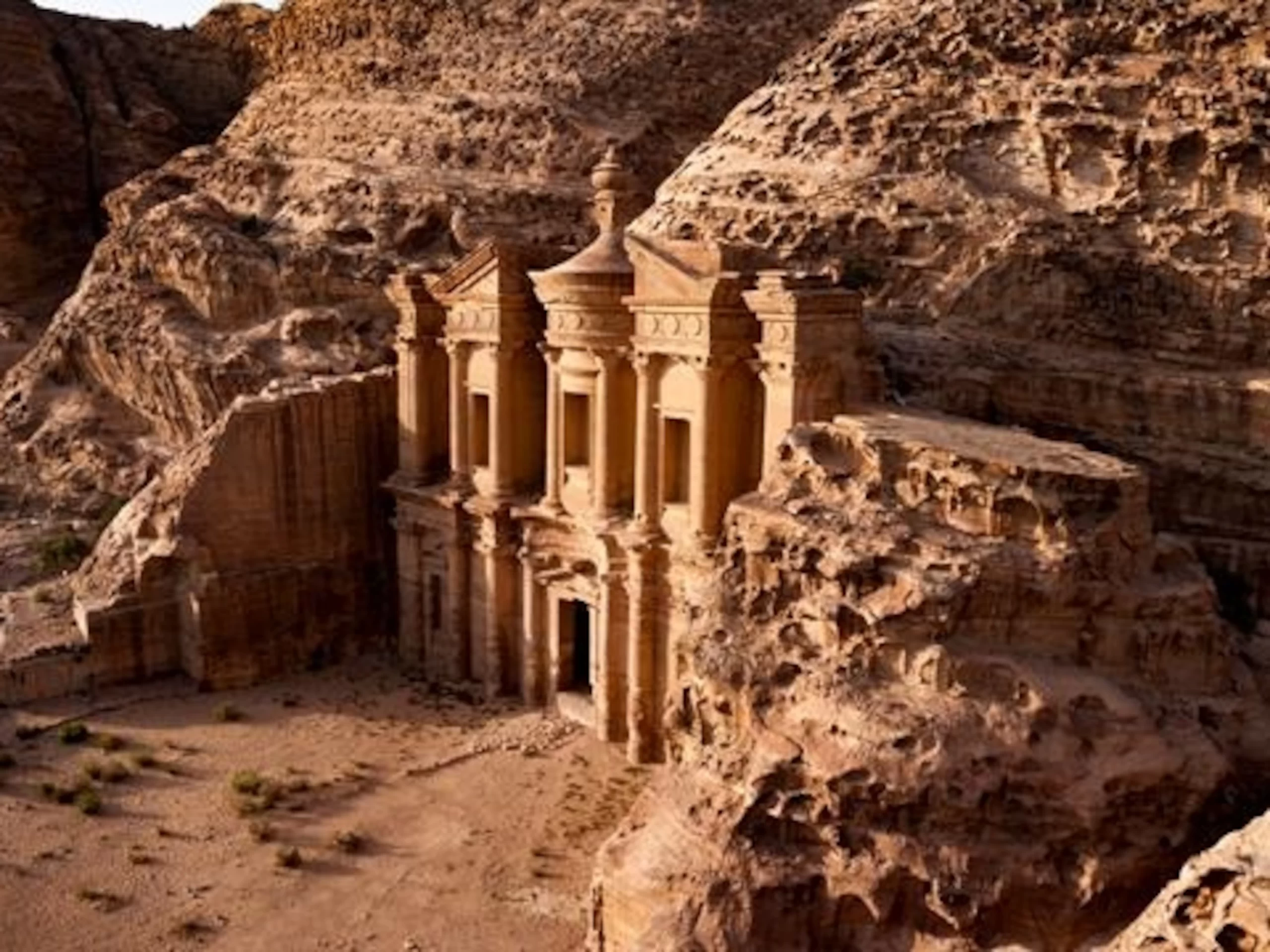
Credit: nilecruisers.com
Activities By Season
Egypt and Jordan offer diverse activities throughout the year. Each season brings unique experiences. Choosing the right time enhances your travel enjoyment. Discover the best activities by season for your trip.
Sightseeing And Cultural Tours
Spring and autumn provide perfect weather for sightseeing. Days are warm but not too hot. Visit ancient temples, pyramids, and markets comfortably. Avoid summer’s intense heat that can make tours tiring. Winter also works well, but expect more tourists. Cultural festivals happen mainly in spring and autumn. These months offer clear skies and pleasant evenings for outdoor tours.
Beach And Diving Seasons
Summer is ideal for beach lovers and divers. The Red Sea’s water is warm and clear. Egypt’s Sinai Peninsula and Jordan’s Aqaba shine in these months. Dive among coral reefs and colorful fish. Beaches are lively, with good facilities open. Spring and autumn have cooler water but fewer crowds. Winter is too cold for most beach activities.
Hiking And Outdoor Adventures
Autumn and spring are best for hiking in both countries. Temperatures are mild, perfect for exploring deserts and mountains. Jordan’s Wadi Rum and Egypt’s Sinai mountains offer stunning trails. Avoid summer’s extreme heat, which can be dangerous. Winter hikes are possible but can be chilly at night. These seasons also bring fewer insects and comfortable daylight hours.
Wildlife And Nature Watching
Wildlife watching peaks in spring and autumn. Migratory birds pass through Jordan’s wetlands and Egypt’s Nile Valley. These months bring blooming flowers and active animals. Summer heat causes many animals to hide. Winter offers some opportunities but with fewer species visible. Early mornings and evenings are best for spotting wildlife in natural habitats.
Crowd Levels And Tourism
Understanding crowd levels helps choose the best time to visit Egypt and Jordan. Tourist numbers change with seasons, affecting your experience. Some periods are busy, while others offer quiet exploration. Planning around these times makes your trip more enjoyable.
Peak Tourist Seasons
Winter months from December to February see the highest visitor numbers. Many travelers enjoy cooler weather and popular festivals. Major sites like the Pyramids and Petra get crowded. Prices for hotels and tours rise during this period. Expect long lines and busy streets in main tourist spots.
Shoulder Season Benefits
Spring (March-April) and autumn (October-November) offer a perfect balance. Weather is warm but not too hot for sightseeing. Tourist crowds are smaller, making visits more relaxed. Prices tend to be lower than peak season. It is easier to book accommodations and tours during these months.
Low Season Advantages
Summer months from May to September have fewer tourists due to high temperatures. This is a good time for budget travelers. Accommodation and flight prices drop significantly. Popular sites feel less crowded, providing a peaceful experience. Coastal areas like the Red Sea are ideal for beach activities during this time.
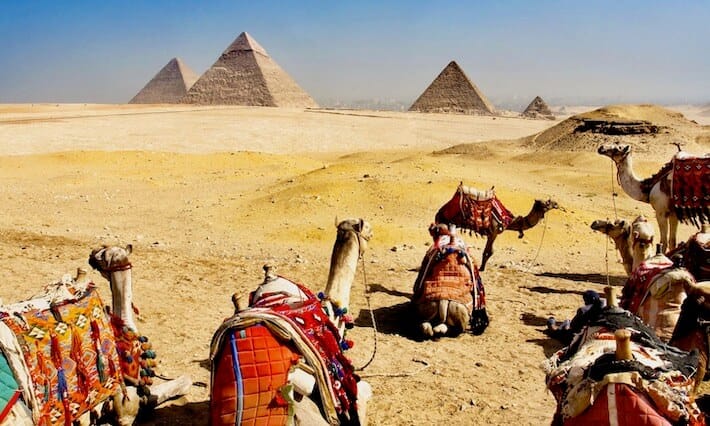
Credit: www.egypttoursplus.com
Budget Considerations
Budget plays a key role in planning trips to Egypt and Jordan. Travelers must balance costs with the best travel experience. Understanding how prices change throughout the year helps save money. Season, accommodation, and flight prices all impact the overall budget. This guide breaks down these factors for smart spending.
Travel Costs By Season
Travel costs vary with the seasons in both countries. Peak seasons bring higher prices due to more tourists. Winter months see higher costs as many travelers visit then. Summer is off-peak, so prices drop, but heat can be extreme. Shoulder seasons offer moderate prices and better weather. Plan your trip according to your budget and weather preference.
Accommodation Rates
Hotels and guesthouses change rates based on demand. During peak tourist times, expect higher accommodation prices. Booking early often secures better deals. In summer, many hotels lower rates to attract guests. Budget travelers find good options in less busy months. Consider staying in smaller towns or hostels to reduce costs.
Flight Price Trends
Flight prices fluctuate with travel seasons. Flights to Egypt and Jordan are more expensive during holidays and peak periods. Booking flights several months ahead can lower costs. Mid-week flights tend to be cheaper than weekend flights. Use price comparison tools to find the best deals. Flexible travel dates help save on airfare.
Local Festivals And Holidays
Local festivals and holidays offer a unique way to experience Egypt and Jordan. These events reveal the rich culture and traditions of both countries. Visiting during festivals allows you to see lively celebrations, traditional music, and colorful markets. Planning your trip around these times adds depth to your travel experience.
Islamic Holidays Impact
Islamic holidays like Ramadan and Eid deeply affect daily life. During Ramadan, many businesses close early, and some tourist sites operate on limited hours. Nightlife slows down, but the evenings come alive with special meals and gatherings. Eid al-Fitr and Eid al-Adha bring large celebrations, parades, and communal prayers. Visitors should expect busy streets and crowded public places during these times.
Cultural Events To Experience
Both Egypt and Jordan host exciting cultural festivals year-round. The Cairo International Film Festival showcases Arab and global cinema. Jordan’s Jerash Festival offers traditional music and dance in ancient Roman ruins. These events highlight local arts, crafts, and cuisine. Attending cultural festivals provides a chance to meet locals and enjoy authentic performances.
Holiday Season Crowds
The holiday season from December to February draws many tourists to Egypt and Jordan. Popular sites like the Pyramids and Petra become crowded. Prices for flights and hotels rise during this peak time. Early booking is essential to avoid disappointment. Traveling just before or after the holidays helps avoid crowds and enjoy a relaxed visit.

Credit: www.bmispain.com
Travel Tips For Combined Trips
Visiting Egypt and Jordan in one trip offers a rich cultural experience. Both countries have stunning historical sites and unique landscapes. Planning well helps you enjoy the journey without stress.
Understanding travel details is key. From timing your visit to managing transportation, knowing the basics improves your trip. Here are some tips for combining Egypt and Jordan smoothly.
Planning Egypt And Jordan Together
Choose the best time to visit both countries. Spring and autumn offer mild weather and fewer crowds. Allocate enough days to explore key sites in each country. Cairo and Luxor in Egypt, Petra and Wadi Rum in Jordan are must-sees. Plan your itinerary to avoid rushing through major attractions. Balance your days between historical tours and relaxing moments.
Transportation Options
Flights connect Cairo and Amman quickly. Several airlines operate direct routes. Bus services link border towns but take longer. Private transfers offer comfort and flexibility. Within each country, use local taxis or hire a car for convenience. Book transportation ahead during peak seasons to secure seats. Consider travel time between sites when planning daily activities.
Visa And Entry Requirements
Check visa rules for both countries before travel. Many nationalities get visas on arrival in Egypt. Jordan offers a visa on arrival or e-visa options. Some travelers can use a joint Jordan-Egypt visa through tour operators. Always carry your passport and travel documents. Verify if you need a visa for border crossings. Stay updated on entry rules, as policies may change.
Frequently Asked Questions
What Are The Best Months To Visit Egypt?
The best months to visit Egypt are March-April and October-November. These shoulder seasons offer pleasant weather and fewer crowds. Avoid summer’s extreme heat and winter’s peak tourists for a comfortable sightseeing experience.
What Is The Best Time Of Year To Visit Egypt And Jordan?
The best time to visit Egypt and Jordan is during spring (March-May) and autumn (September-November) for mild weather and fewer crowds. Avoid extreme summer heat (June-August). Winter offers mild temperatures in Jordan but can be cold in Egypt.
Can You Do Egypt And Jordan In One Trip?
Yes, you can visit Egypt and Jordan in one trip. Plan at least 10-14 days to explore key sites comfortably. Choose spring or autumn for pleasant weather and fewer crowds. Both countries offer rich history and diverse landscapes, making a combined trip rewarding and efficient.
What Is The Best Month To Visit Jordan?
The best months to visit Jordan are March to May and September to November. These offer mild weather and fewer crowds. Avoid summer for extreme heat and winter for colder temperatures. Spring and autumn provide ideal conditions for sightseeing and outdoor activities.
Conclusion
Visiting Egypt and Jordan is rewarding almost year-round. Spring and autumn offer the best weather for sightseeing. Summers can be very hot but are good for fewer crowds and lower prices. Winters bring mild temperatures but more tourists. Plan around Islamic holidays to avoid closures.
Choose your travel time based on what you want to do. Every season has its own charm and advantages. Prepare well, and enjoy your trip to these historic lands.