Best Time to Travel to Tanzania
The best time to travel to Tanzania for wildlife safaris and beach holidays is generally during the dry seasons (June to October and late December to February). These months offer optimal game viewing opportunities, especially for the Great Migration, and pleasant weather for coastal areas like Zanzibar. However, shoulder and green seasons can provide unique experiences, fewer crowds, and better value for different types of travelers.
Welcome, fellow adventurer! Are you dreaming of vast African plains, majestic wildlife, snow-capped peaks, and pristine spice-scented beaches? Then Tanzania is calling your name! This East African gem offers an unparalleled array of experiences, from the dramatic spectacle of the Great Migration in the Serengeti to the serene turquoise waters of Zanzibar, and the towering challenge of Mount Kilimanjaro. But here’s the thing – to truly unlock the magic of Tanzania, timing is everything.
Imagine this: You’ve planned your dream safari, only to arrive during relentless downpours that make game viewing difficult. Or perhaps you’re hoping for crystal-clear views from Kilimanjaro’s summit, but a thick fog obscures everything. Don’t let that happen to you! Choosing the best time to travel to Tanzania is crucial for maximizing your adventure and ensuring you hit the sweet spot for your desired activities. Whether you’re a seasoned safari-goer, a beach bum, or an aspiring mountaineer, understanding Tanzania’s distinct seasons will transform your trip from good to absolutely unforgettable. Let’s dive in and uncover the perfect moment for your Tanzanian escape.
Key Takeaways
- Dry Season (June-October): This is universally considered the prime time for wildlife safaris across Tanzania, offering clear skies, less vegetation, and animals congregating around water sources, making them easier to spot.
- Great Migration Peak: To witness the iconic Serengeti wildebeest river crossings, plan your trip between July and September. However, the migration is a year-round event, with calves born in February.
- Kilimanjaro Climbing: The best windows for trekking Mount Kilimanjaro are the drier, cooler months of January to March and June to October, providing clearer views and safer conditions.
- Zanzibar Beach Holidays: For sun-drenched beaches and calm waters, aim for the dry seasons (June-October and December-February) to enjoy the Tanzanian coast at its best.
- Shoulder Seasons (Late March-May & November-Early December): These periods offer a balance of fewer tourists, potentially lower prices, and still good experiences, though with increased chances of rain, especially in April and May.
- Green Season (March-May): Ideal for birdwatching, lush landscapes, and photography, this season brings baby animals and excellent value, but some parks can be challenging for game viewing due to thick vegetation and heavy rains.
Quick Answers to Common Questions
Is it safe to travel to Tanzania during the wet season?
Yes, it is generally safe to travel during the wet season, though some remote roads might become challenging. Major tourist areas and routes remain accessible, and tour operators are well-versed in navigating seasonal conditions.
What is the main advantage of visiting Tanzania during the dry season?
The main advantage is optimal wildlife viewing, as animals congregate around limited water sources and the sparse vegetation makes them easier to spot. This also coincides with the peak of the Great Migration river crossings.
When can I see the Great Migration river crossings?
The most iconic Great Migration river crossings, particularly across the Mara River in the Northern Serengeti, typically occur between July and September.
Is Zanzibar good to visit year-round?
While Zanzibar is always beautiful, the best time for a beach holiday is during the dry seasons (June-October and December-February). April and May experience the heaviest rainfall, which can impact beach activities.
What are the shoulder seasons in Tanzania?
The shoulder seasons in Tanzania are generally late March to early April (just before the long rains) and November to early December (during the short rains), offering a balance of good experiences and fewer crowds/better prices.
📑 Table of Contents
- Understanding Tanzania’s Climate: Two Main Seasons
- The Best Time for Wildlife Safaris: Chasing the Great Migration and Beyond
- Conquering Kilimanjaro: Timing Your Ascent
- Beach Bliss and Cultural Immersion: Zanzibar and Coastal Adventures
- Budget Travel and Avoiding Crowds: Exploring Shoulder and Green Seasons
- Conclusion
Understanding Tanzania’s Climate: Two Main Seasons
Tanzania, being close to the equator, experiences two primary seasons: the dry season and the wet (or green) season. Each has its own charm and challenges, influencing everything from wildlife behavior to trekking conditions and beach relaxation. Knowing what to expect weather-wise is the first step in deciding the best time to travel to Tanzania for you.
The Dry Season: June to October
This is, without a doubt, the most popular and often recommended period for most travelers heading to Tanzania. Why? Because the weather is consistently pleasant, with clear, sunny skies, low humidity, and minimal rainfall. Daytime temperatures average around 20-30°C (68-86°F), making it comfortable for outdoor activities. Nights can be cool, especially in higher elevations like the Ngorongoro Crater or near Kilimanjaro, so packing layers is always a good idea.
During these months, the vegetation thins out dramatically, and animals congregate around permanent water sources like rivers and waterholes. This makes wildlife much easier to spot, leading to incredible safari experiences. Mosquito activity is also significantly reduced, which is a big plus for health and comfort.
The Wet/Green Season: November to May
The wet season isn’t a continuous downpour; it’s generally broken into two distinct periods of rain, often referred to as the “short rains” and “long rains.”
The Short Rains: November to Early December
This period sees short, refreshing showers, often in the late afternoon or evening, lasting only an hour or two. The landscape quickly transforms, becoming lush and green. This can be a fantastic time to visit, especially towards late November and early December, as the parks are less crowded, and prices might be slightly lower. Wildlife viewing remains excellent, and migratory birds begin to arrive, making it a great time for birdwatchers.
The Long Rains: Mid-March to May
This is the heart of the wet season, characterized by more consistent and heavier rainfall, especially in April and May. Roads in some national parks can become challenging, and some smaller camps may close. However, it’s not all doom and gloom! The landscape is incredibly vibrant and green, offering stunning photographic opportunities. This is also the time when many animals give birth, so you might witness adorable newborns taking their first steps. While game viewing can be more spread out due to abundant water, you’ll experience Tanzania at its most fertile and often with significantly fewer tourists.
The Best Time for Wildlife Safaris: Chasing the Great Migration and Beyond
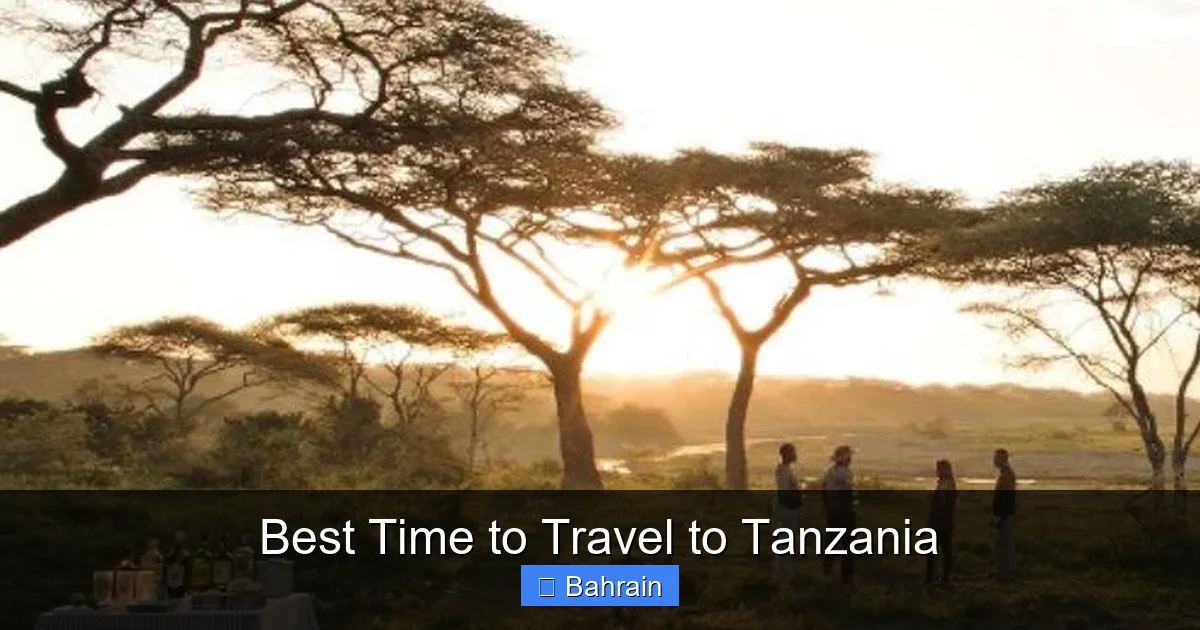
Visual guide about Best Time to Travel to Tanzania
Image source: keitoursandsafaris.com
For many, a safari is the ultimate reason to visit Tanzania. The sheer volume and diversity of wildlife, particularly in the northern circuit, are world-renowned. So, when is the best time to travel to Tanzania for an unforgettable safari?
Dry Season Dominance: Unparalleled Game Viewing
From June to October, the dry season reigns supreme. This is prime safari time across all of Tanzania’s national parks.
- Northern Circuit (Serengeti, Ngorongoro, Tarangire, Lake Manyara): Animals are easier to spot as they gather around dwindling water sources. The sparse vegetation offers clear lines of sight. Predator-prey interactions are often more visible.
- Southern Circuit (Selous Game Reserve, Ruaha National Park): These less-visited parks also shine during the dry season. The Rufiji River in Selous becomes a magnet for hippos, crocodiles, and other thirsty animals. Ruaha’s dramatic landscapes are best explored when the dry riverbeds force wildlife into predictable patterns.
The Great Migration: A Year-Round Spectacle with Peak Moments
The Great Wildebeest Migration, a continuous cycle of over 1.5 million wildebeest, zebra, and gazelles moving across the Serengeti and into Kenya’s Masai Mara, is one of the world’s most incredible wildlife spectacles. While it’s a year-round event, specific times offer more dramatic viewing:
- January-March: Calving Season in the Southern Serengeti. This is when over 400,000 wildebeest calves are born within a few weeks, attracting numerous predators. A truly poignant and action-packed time to visit.
- April-May: Western Serengeti Migration. The herds begin their northward journey through the Grumeti region of the Western Serengeti, often facing river crossings.
- June-July: Western and Northern Serengeti. The migration continues its relentless journey north, with huge herds gathering and preparing for the perilous Grumeti River and Mara River crossings. This is often cited as the best time to travel to Tanzania to witness the most iconic and dramatic aspects of the migration.
- August-September: Mara River Crossings in Northern Serengeti. This is the absolute peak for river crossings, a breathtaking display of survival and courage as wildebeest brave crocodile-infested waters. Lodges in the northern Serengeti book up years in advance for this period.
- October: Southern Movement. The herds start to move south again from the northern plains, heading back towards the short-grass plains for the upcoming calving season.
- November-December: Short Rains and Southern Serengeti Return. The migration is typically heading back to the southern Serengeti, drawn by the new grasses from the short rains. This is a quieter but still rewarding time for viewing.
To truly follow the migration, it’s essential to plan your safari with a reputable tour operator who understands the nuanced movements of the herds.
Conquering Kilimanjaro: Timing Your Ascent
Mount Kilimanjaro, Africa’s highest peak, is a magnet for adventurers worldwide. While it can be climbed year-round, certain periods offer significantly better chances of success and more enjoyable conditions.
Optimal Trekking Windows: Jan-March & June-October
The best time to travel to Tanzania specifically for a Kilimanjaro climb coincides largely with the dry seasons:
- January to Early March: This window offers generally clear skies, good visibility, and relatively warmer temperatures at lower elevations. It’s a popular time, especially after the holiday rush.
- June to October: This is the longest and most popular climbing season. Weather is typically dry and clear, though conditions on the summit can still be extremely cold. Many trekkers prefer the slightly warmer temperatures of July and August, but all these months offer excellent climbing conditions.
During these months, you’re more likely to experience stable weather patterns, less rain, and clearer views, which are vital for both safety and enjoyment on the mountain.
What to Expect in Other Seasons
Climbing during the long rainy season (April-May) is generally discouraged due to heavy rainfall, muddy trails, and increased risks. While some operators do run climbs, it’s a much tougher experience. The short rains (November-December) can be a decent option, offering fewer crowds and occasional showers that don’t typically last all day, but weather can be less predictable than the peak dry seasons. Always be prepared for all weather conditions, regardless of the season, as mountain weather can change rapidly.
Beach Bliss and Cultural Immersion: Zanzibar and Coastal Adventures
After the dust and excitement of a safari or the arduous climb of Kilimanjaro, the pristine white sands and azure waters of Zanzibar or Tanzania’s other coastal retreats are the perfect antidote. The timing here largely mirrors safari conditions for the most pleasant experience.
Dry Season Paradise: Sun-Drenched Relaxation
The dry seasons (June to October and late December to February) are hands down the best time to travel to Tanzania for beach holidays.
- June to October: Expect glorious sunshine, minimal rainfall, and calm seas perfect for swimming, snorkeling, diving, and sailing traditional dhow boats. Temperatures are warm but not overwhelmingly hot, making it ideal for relaxing on the beach or exploring Stone Town.
- Late December to February: Another fantastic period for the coast. The short rains have passed, leaving behind fresh, clear air and brilliant sunshine. This period, especially January and February, is very popular and can be quite hot, but the sea breezes provide relief.
During these times, the visibility for diving and snorkeling is excellent, and you can fully enjoy the vibrant marine life around Zanzibar, Pemba, or Mafia islands.
Avoid the Long Rains for Optimal Beach Time
The long rainy season, particularly April and May, is generally the least ideal time for a beach holiday. While you might still get some sunny spells, heavy downpours can occur daily, often lasting for several hours. This can disrupt beach activities, make boat trips less pleasant, and even lead to some smaller hotels closing for refurbishment. If your primary goal is a classic sun-and-sand vacation, it’s best to avoid these months.
Shoulder Season Advantages: Fewer Crowds and Good Value
Visiting during the short rains (November to early December) can be a smart move for Zanzibar. You’ll encounter fewer tourists, and hotel prices might be more attractive. While there will be some rain, it’s often intermittent, leaving plenty of sunshine to enjoy. This period can offer a more authentic and relaxed experience, without the bustling crowds of peak season.
Budget Travel and Avoiding Crowds: Exploring Shoulder and Green Seasons
While the dry season is often hailed as the best time to travel to Tanzania, it’s also the most expensive and crowded. If you’re looking to save some money, avoid the throngs, or enjoy a different kind of Tanzanian experience, the shoulder and green seasons offer compelling alternatives.
Shoulder Seasons: Balancing Value and Experience
The shoulder seasons bridge the gap between peak dry and full wet seasons, offering a unique blend of benefits and minor trade-offs.
- Late March and Early April: Just as the long rains begin, you might catch the tail end of good safari conditions with the added bonus of fewer tourists and lower prices. The landscapes are starting to green up, and photography can be spectacular.
- November to Early December: After the long dry spell, the short rains bring new life to the plains. This is a brilliant time for wildlife photography with lush backdrops. Game viewing is still very good, particularly in the Serengeti where the migration is moving south. Accommodations often offer better rates, and you’ll share the parks with fewer people.
During these periods, you need to be prepared for the possibility of some rain, but it rarely impacts your entire trip. The trade-off for potentially wetter conditions is a more intimate experience and significant cost savings on flights and accommodation.
Green Season (March-May): A Photographer’s and Birder’s Paradise
If your priorities aren’t strictly centered on ‘easy’ game viewing, the green season, particularly April and May, can be an incredibly rewarding time to visit.
- Lush Landscapes and Vibrant Colors: The rain transforms the arid plains into a vibrant green wonderland. This provides a stunning backdrop for photography, creating images that are distinctly different from the dry season’s golden hues.
- Birder’s Delight: This is arguably the best time to travel to Tanzania for birdwatching. Migratory birds flock to the region, and resident species are in their breeding plumage, making for spectacular sightings.
- Baby Boom: Many antelope and other animals give birth during this time, especially in the southern Serengeti, offering heartwarming scenes of newborns and thrilling predator-prey dynamics.
- Exceptional Value: This is the low season, meaning significant discounts on safaris and lodges. If you’re traveling on a budget, this can make a Tanzanian dream trip much more accessible.
- Fewer Crowds: You’ll often have vast stretches of the national parks almost entirely to yourself, providing an incredibly exclusive and peaceful safari experience.
The main downsides are heavier rains (especially in April and May), which can make some roads challenging, and denser vegetation, which can sometimes make spotting more challenging. However, experienced guides are adept at finding wildlife regardless of the season.
Conclusion
Choosing the best time to travel to Tanzania truly depends on what you want from your adventure. If classic game viewing, the Great Migration river crossings, or ideal Kilimanjaro conditions are your top priority, the dry season (June to October) is your golden ticket. For perfect beach weather in Zanzibar, also lean towards the dry months.
However, don’t discount the shoulder and green seasons! They offer fantastic value, fewer crowds, lush landscapes, exceptional birdwatching, and unique wildlife encounters, especially for the Great Migration’s calving season in the southern Serengeti. Ultimately, Tanzania is a magnificent destination year-round. By understanding its climate and what each season offers, you can tailor your trip to match your desires and embark on the Tanzanian adventure of a lifetime. Start planning today, and get ready for an experience you’ll never forget!
Frequently Asked Questions
What’s the absolute best month for a safari in Tanzania?
Many experts and travelers agree that July or August are the absolute best months for a safari in Tanzania. During this time, the weather is dry and pleasant, and you have excellent chances of witnessing the Great Migration river crossings in the Northern Serengeti, alongside abundant game viewing across all parks.
Can I combine safari and beach in one trip, and when is the best time?
Absolutely! Combining a safari and beach holiday is very popular. The best time to do this is during Tanzania’s dry seasons, from June to October or late December to February. This ensures you’ll have optimal safari conditions and enjoy sunny, pleasant weather for relaxing on Zanzibar’s beautiful beaches.
Are there specific times to avoid traveling to Tanzania?
Generally, the long rainy season in April and May is often advised against for some activities due to heavy rainfall. While travel is still possible and offers unique benefits like lush landscapes and fewer crowds, conditions for safaris can be more challenging and beach holidays less ideal.
How do I pack for a trip to Tanzania during different seasons?
For the dry season, pack lightweight, breathable clothing in neutral colors for safari, layers for cool mornings/evenings, and swimwear for beaches. During the wet season, add waterproof outerwear, sturdy waterproof shoes, and quick-drying clothes. Always include a hat, sunglasses, insect repellent, and sun cream regardless of the season.
Is it cheaper to travel to Tanzania during the off-peak season?
Yes, traveling during the off-peak or green season (typically April and May) is generally cheaper. You can often find significant discounts on safari packages, accommodation, and sometimes even international flights, making it a great option for budget-conscious travelers seeking a unique experience.
What about climbing Mount Meru? Does it follow Kilimanjaro’s best times?
Mount Meru, often used as a warm-up trek for Kilimanjaro, generally follows the same best climbing seasons: January to early March and June to October. These dry periods offer the clearest views, safest trail conditions, and most pleasant weather for a successful summit attempt.