Best Time to Travel to Tahiti
Planning your dream Tahitian getaway? The best time to travel to Tahiti generally falls during the dry season, from May to October, offering sunny skies, lower humidity, and ideal conditions for outdoor activities. However, the wet season (November to April) can present unique benefits like fewer crowds and better deals for those willing to embrace occasional rain. Ultimately, your personal preferences and priorities will determine your ideal visit to this Polynesian paradise.
Dreaming of crystal-clear turquoise lagoons, lush volcanic peaks, and overwater bungalows stretching into the horizon? Ah, Tahiti! This jewel of French Polynesia is the ultimate tropical paradise, a place where postcards come to life. But before you dive headfirst into planning, there’s one crucial question that can truly make or break your trip: when is the *best time to travel to Tahiti*?
Choosing the right time to visit this South Pacific haven isn’t just about avoiding rain; it’s about aligning your desires with what the islands offer throughout the year. Do you crave endless sunshine for snorkeling and sunbathing? Are you hoping to spot majestic humpback whales? Or perhaps you’re a savvy traveler looking for a more budget-friendly escape, even if it means a little liquid sunshine? Understanding Tahiti’s seasons is your first step to crafting that perfect, unforgettable vacation. Let’s embark on a journey to discover your ideal window for experiencing the magic of Tahiti.
Key Takeaways
- Dry Season (May-October): Offers the most sunshine, lowest humidity, and ideal conditions for most activities, making it the most popular and often considered the best time to travel to Tahiti.
- Wet Season (November-April): Features higher humidity, more rainfall, but also fewer tourists, lower prices, and lush landscapes, appealing to budget travelers or those seeking solitude.
- Shoulder Seasons (April & November): Provide a sweet spot with pleasant weather, fewer crowds than peak dry season, and potentially better deals, offering a blend of both seasons’ benefits.
- Budget Considerations: Traveling during the wet season or shoulder months can lead to significant savings on flights and accommodations, while peak dry season is the most expensive.
- Activity Planning: Water activities like snorkeling and diving are excellent year-round, but hiking is best in the dry season. Whale watching season runs from July to October.
- Personal Preferences are Key: The “best” time depends on what you prioritize – pristine weather, avoiding crowds, specific activities, or sticking to a budget.
- Book in Advance: Regardless of the season, booking flights, accommodations, and popular excursions well in advance is crucial, especially during peak times.
Quick Answers to Common Questions
What is the absolute best time for perfect weather in Tahiti?
The dry season, from May to October, offers the most consistently sunny days, lower humidity, and comfortable temperatures, making it ideal for those prioritizing perfect weather.
When is the cheapest time to visit Tahiti?
The wet season, from November to April, is generally the cheapest time to visit Tahiti, with significantly lower prices for flights and accommodations due to fewer tourists.
Can you still enjoy water activities during Tahiti’s wet season?
Yes, absolutely! The ocean temperatures remain very warm during the wet season, making it excellent for swimming, snorkeling, and diving, though visibility might occasionally be affected by heavy rain runoff.
When is whale watching season in Tahiti?
Whale watching season in Tahiti typically runs from July to October, offering the best opportunities to see humpback whales in their natural habitat.
Are there any major festivals in Tahiti during the dry season?
Yes, the famous Heiva I Tahiti festival, a vibrant celebration of Polynesian culture with traditional music and dance, takes place annually in July during the dry season.
📑 Table of Contents
- Tahiti’s Climate: Understanding the Rhythms of Paradise
- The Dry Season: Is This Your “Best Time to Travel to Tahiti”? (May-October)
- The Wet Season: A Different Kind of Charm (November to April)
- Shoulder Seasons: The Sweet Spot? (April & November)
- Factors to Consider When Choosing Your Travel Time
- Practical Tips for Any Season in Tahiti
- Conclusion: Your Tahiti, Your Timing
Tahiti’s Climate: Understanding the Rhythms of Paradise
Tahiti, like much of French Polynesia, experiences a tropical climate characterized by two distinct seasons: a dry season and a wet season. These seasons dictate everything from the weather you’ll encounter to the crowds you’ll share the beaches with, and even the prices you’ll pay. Knowing the nuances of each will help you decide when the best time to travel to Tahiti is for *you*.
The Dry Season: Sunshine and Serenity (May to October)
This period is widely considered the prime time to visit Tahiti, and for good reason. From May through October, the islands bask in glorious sunshine with minimal rainfall. The air is less humid, making outdoor activities incredibly pleasant. Temperatures average a comfortable 77-86°F (25-30°C), cooled by refreshing trade winds.
* Why it’s popular: Clear skies mean perfect visibility for snorkeling and diving, ideal conditions for hiking, and picturesque sunsets every evening. The lower humidity is a huge bonus for many travelers.
* What to expect: This is Tahiti’s high season, so expect more tourists, especially in July and August (European summer holidays) and during major events like the Heiva I Tahiti festival. Prices for flights and accommodations will be at their peak.
* Activities thriving: Whale watching season kicks off around July and runs through October, making this a spectacular time for marine encounters. Surfing conditions are also generally good, especially on the north shore.
The Wet Season: Lush Landscapes and Lower Prices (November to April)
Often referred to as the “rainy season” or “low season,” this period brings warmer temperatures, higher humidity, and more frequent, though often brief, tropical downpours. Temperatures average 77-90°F (25-32°C). While it might sound less appealing, don’t write it off entirely! The rain often comes in short, intense bursts, followed by sunshine.
* Why it’s unique: The landscapes are incredibly lush and green, thanks to the ample rainfall. This is when the waterfalls are at their most spectacular, and tropical flowers bloom in abundance.
* What to expect: Fewer crowds mean a more intimate experience with the islands and their culture. You’ll likely find better deals on flights, resorts, and tours, making it a more budget-friendly option.
* Activities thriving: While hiking can be muddy, snorkeling and diving are still fantastic, as the water temperature is bath-like. This is also a great time for cultural immersion and enjoying resort amenities. Just be prepared for potential strong storms, especially from December to February.
The Dry Season: Is This Your “Best Time to Travel to Tahiti”? (May-October)
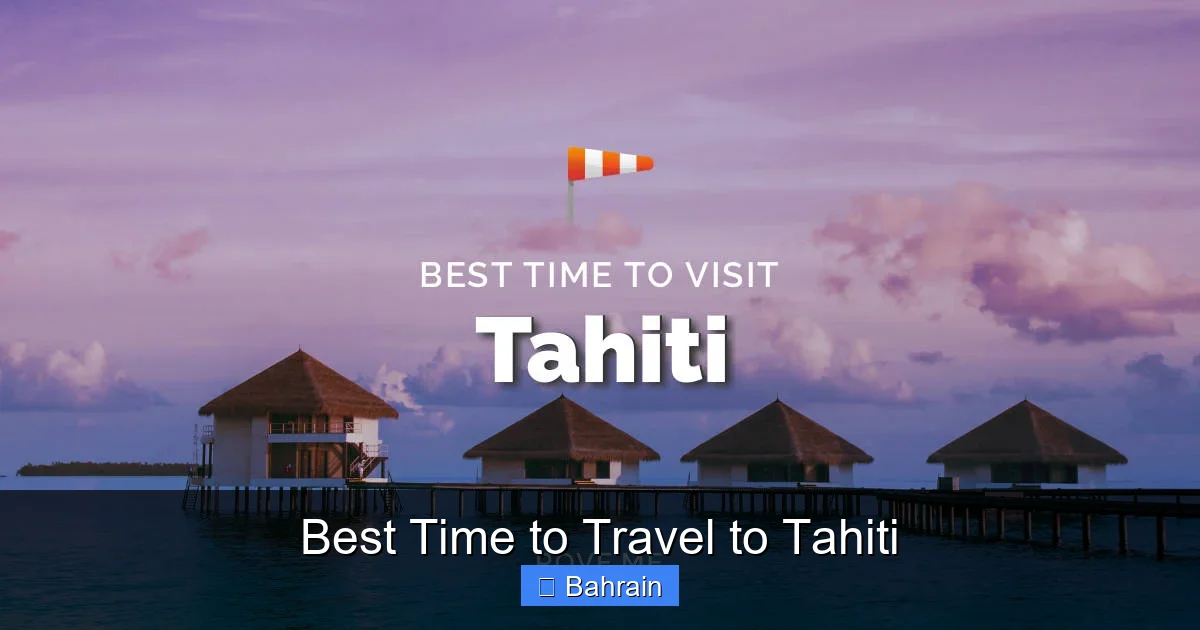
Visual guide about Best Time to Travel to Tahiti
Image source: images.rove.me
For many, the dry season represents the quintessential Tahitian experience. If your vision of paradise involves endless blue skies, perfect beach days, and comfortable temperatures, then this is likely the *best time to travel to Tahiti* for you.
Glorious Weather & Activities Galore
Imagine waking up to consistently sunny mornings, perfect for a leisurely breakfast on your overwater bungalow deck. The air is crisp, the humidity is low, and a gentle breeze rustles through the palm trees. This is the norm during Tahiti’s dry season.
* Water Activities: Snorkeling, scuba diving, paddleboarding, kayaking, and sailing are all at their absolute best. Visibility underwater is typically exceptional, revealing vibrant coral gardens and an abundance of marine life. This is also the period when humpback whales migrate through Tahitian waters (July to October), offering incredible whale watching opportunities.
* Land Explorations: Hiking trails through lush valleys and up volcanic peaks are dry and easily navigable. Explore waterfalls, visit pineapple plantations, or enjoy scenic drives without worrying about muddy conditions.
* Festivals & Culture: The dry season is also home to one of French Polynesia’s most significant cultural events: Heiva I Tahiti. Held annually in July, this festival celebrates traditional Polynesian arts, music, and dance with spectacular performances and competitions. Experiencing Heiva can be a huge draw for those seeking deep cultural immersion.
Crowds & Prices: The Trade-off for Perfection
Unsurprisingly, perfection comes at a price. The dry season is Tahiti’s peak tourist season.
* Higher Demand: Expect more visitors on the popular islands like Tahiti, Moorea, and Bora Bora. Popular resorts and excursions will book up quickly, especially during July and August.
* Peak Prices: Flights, accommodations (particularly overwater bungalows), and tour prices will be at their highest. If you’re planning a trip during this time, booking many months in advance is not just recommended, it’s essential. Early bird catches the best bungalows!
Ideal for Whom?
This season is perfect for first-time visitors, families, honeymooners, and anyone prioritizing consistent sunny weather and a full range of outdoor activities. If budget isn’t your primary concern and you dream of picture-perfect conditions for every moment of your vacation, then the dry season truly is the *best time to travel to Tahiti*.
The Wet Season: A Different Kind of Charm (November to April)
While it might get a bad rap, the wet season offers a different, yet equally captivating, side of Tahiti. If you’re flexible, enjoy lush landscapes, and appreciate a bit of solitude (and savings!), then this period could surprisingly be the *best time to travel to Tahiti* for you.
Lush Landscapes & Unique Experiences
The rain invigorates the islands, transforming them into even greener, more vibrant paradises. The air is warm, the sea is like a bath, and the occasional downpour simply adds to the tropical atmosphere.
* Dramatic Scenery: Waterfalls swell and cascade down the mountainsides with impressive power. The rainforests are at their most vibrant, and the scent of tropical flowers fills the air. Photographers often favor this season for its dramatic skies and intense colors.
* Warm Waters: The ocean temperatures are consistently warm, making swimming, snorkeling, and diving delightful. While visibility can sometimes be reduced by runoff after heavy rains, many days still offer excellent conditions.
* Fewer Crowds: This is the biggest draw for many. You’ll find popular spots less crowded, giving you a more private and serene experience. You might even have a whole beach to yourself!
Lower Prices & More Flexibility
The reduced demand during the wet season translates directly into savings.
* Budget-Friendly: Expect significantly lower prices on flights and accommodation. Resorts often offer enticing packages and deals, making that dream overwater bungalow more attainable.
* Easier Bookings: You’ll have more flexibility with bookings, potentially even snagging last-minute deals. This is great if your travel dates are less rigid.
* Things to Note: While rain showers are common, they are often short-lived and followed by sunshine. However, be aware that the cyclone season in the South Pacific generally runs from November to April, with the peak risk from December to February. While direct hits on Tahiti are rare, tropical depressions can bring prolonged heavy rain and strong winds. Always check weather forecasts close to your travel dates.
Ideal for Whom?
The wet season is perfect for budget-conscious travelers, those who prefer fewer crowds, or anyone looking for a more authentic and less tourist-centric experience. If you don’t mind occasional rain showers and embrace the lush beauty they bring, this could genuinely be the *best time to travel to Tahiti* for a different kind of magic.
Shoulder Seasons: The Sweet Spot? (April & November)
Caught between the dry and wet seasons are the shoulder months of April and November. These periods often offer a fantastic compromise, combining pleasant weather with fewer crowds and potentially better prices. Could these be the *best time to travel to Tahiti* for a balanced experience?
Blending the Best of Both Worlds
* April: As the wet season transitions to dry, April often sees decreasing rainfall and humidity while still retaining the lushness of the wet season. Temperatures are warm and comfortable, and the peak dry season crowds haven’t fully arrived yet. You might catch the tail end of good deals before prices jump.
* November: Marking the shift from dry to wet, November typically offers good weather with only occasional showers. The humidity starts to climb, but it’s not yet at its peak. Crucially, the whale watching season has just ended, and the holiday crowds of December haven’t descended, meaning lower prices and fewer people.
Things to Consider
While shoulder seasons offer many advantages, they aren’t without their considerations.
* Predictability: The weather can be a bit more unpredictable than the peak dry season. You might experience more rain than in June, but less than in January. It’s a gamble, but often a rewarding one.
* Transitional Atmosphere: You’ll experience a blend of both seasons. The landscape will be vibrant, and the waters warm. You get a taste of the peak season beauty without the peak season rush.
For many experienced travelers, these shoulder months are truly the *best time to travel to Tahiti*, offering excellent value and a more relaxed atmosphere.
Factors to Consider When Choosing Your Travel Time
The “best” time is subjective and depends entirely on your priorities. Let’s break down key factors to help you pinpoint your ideal travel window.
Budget & Deals
* High Season (May-October): Most expensive. Book *everything* far in advance.
* Wet Season (November-April): Most affordable. Look for packages and deals. Great for budget-conscious travelers.
* Shoulder Season (April & November): Good value. Better prices than high season, often with great weather.
Activities & Events
* Whale Watching (July-October): If seeing humpback whales is a must, then the dry season is your time.
* Heiva I Tahiti (July): For an unparalleled cultural experience, aim for July.
* Diving & Snorkeling: Excellent year-round, but visibility is often best in the dry season. Water temperatures are warmer in the wet season.
* Hiking: Best during the dry season for drier trails.
* Surfing: Specific surf breaks have different peak seasons, but generally, the dry season (south swells) and wet season (north swells) offer good waves somewhere.
Personal Preferences: Heat, Rain, Crowds
* Heat & Humidity: If you’re sensitive to heat and high humidity, the dry season’s cooler, drier air will be more comfortable.
* Rain: If a bit of rain doesn’t bother you and you enjoy lush, vibrant scenery, the wet season offers a unique charm.
* Crowds: If solitude and a more intimate experience are paramount, aim for the wet or shoulder seasons. If you don’t mind sharing paradise with more people, the dry season will deliver perfect weather.
Travel Style: Relaxation vs. Adventure
* Ultimate Relaxation (Dry Season): If your perfect vacation involves guaranteed sunshine for poolside lounging and beach days, the dry season removes weather worries.
* Adventurous & Flexible (Wet Season): If you’re keen to explore regardless of a passing shower, enjoy dramatic landscapes, and seek a more unique, less tourist-heavy vibe, the wet season could be incredibly rewarding.
Practical Tips for Any Season in Tahiti
No matter when you decide the *best time to travel to Tahiti* is for you, a few universal tips will enhance your experience.
Packing Essentials
* Reef-Safe Sunscreen: Protect your skin and Tahiti’s precious coral reefs.
* Lightweight Clothing: Breathable fabrics are key in the tropical climate.
* Rain Gear (Wet Season): A light rain jacket or umbrella can be handy.
* Insect Repellent: Mosquitoes can be present, especially around dawn and dusk, and more so in the wet season.
* Water Shoes: For walking on coral or rocky beaches.
* Hat & Sunglasses: Essential sun protection.
* Snorkel Gear: While often available for rent, having your own ensures a good fit and availability.
Booking Ahead
Even in the low season, popular resorts and flights can fill up, especially around major holidays (Christmas, New Year’s, Easter). For the dry season, booking 6-12 months in advance is highly recommended to secure your preferred accommodation and flights, particularly if you have specific dates or want an overwater bungalow.
Staying Hydrated
The tropical climate means you’ll be sweating more than usual. Drink plenty of water throughout the day to avoid dehydration. Tahiti’s tap water is generally safe to drink in Papeete and on some other islands, but check with your accommodation. Bottled water is widely available.
Conclusion: Your Tahiti, Your Timing
As you can see, there isn’t a single, definitive “best time to travel to Tahiti” that fits everyone. The dry season (May to October) offers idyllic weather, perfect for classic postcard experiences and whale watching, but comes with higher prices and more crowds. The wet season (November to April) provides lush beauty, fewer tourists, and better deals, appealing to the adventurous or budget-conscious, despite the higher chance of rain. The shoulder months of April and November often strike a wonderful balance.
Ultimately, the *best time to travel to Tahiti* is the one that aligns perfectly with your personal priorities, budget, and desired activities. Whether you dream of uninterrupted sunshine, unique cultural experiences, dramatic natural beauty, or simply a tranquil escape from the everyday, Tahiti awaits. Take these insights, consider what matters most to you, and start planning your unforgettable journey to this Polynesian paradise. You’re in for an experience of a lifetime, no matter when you choose to go!
🎥 Related Video: The Best Time to Visit Tahiti: Ideal Weather and Fewer Crowds
📺 Far and Away Adventures
Discover the best time to visit Tahiti for perfect weather and fewer crowds! This video provides expert advice on timing your trip to …
Frequently Asked Questions
What are the average temperatures in Tahiti?
In Tahiti, temperatures are consistently warm year-round. During the dry season (May-October), averages range from 77-86°F (25-30°C), while the wet season (November-April) sees slightly warmer averages of 77-90°F (25-32°C).
Is it safe to travel to Tahiti during the wet season?
Yes, it is generally safe to travel during the wet season. While tropical storms and cyclones can occur, especially from December to February, direct hits are rare, and most rain comes in short bursts. It’s always wise to monitor weather forecasts.
Do I need to book my Tahiti trip far in advance?
For the dry season (May-October), booking 6-12 months in advance is highly recommended, especially for popular resorts and overwater bungalows. For the wet season, 3-6 months is usually sufficient, but booking ahead for peak holidays is still wise.
What if I visit during the wet season and it rains a lot?
Even during the wet season, tropical rain showers often pass quickly, followed by sunshine. You can still enjoy warm ocean activities, cultural tours, and resort amenities. The islands are incredibly lush and beautiful during this time.
Is Tahiti very crowded during the dry season?
Tahiti is more crowded during the dry season, particularly in July and August due to European and North American summer holidays. However, it rarely feels overwhelmingly crowded compared to other major tourist destinations, allowing for a pleasant experience.
What’s the best time to visit Tahiti for a honeymoon?
For a classic, picture-perfect honeymoon with guaranteed sunshine, the dry season (May-October) is often considered the best time to travel to Tahiti. However, shoulder seasons like April or November can offer a more intimate experience with fewer crowds and better value, while still enjoying beautiful weather.