Best Time to Travel to Mallorca
Planning your dream trip to Mallorca? The best time to travel to Mallorca largely depends on your priorities. For warm weather, lively beaches, and vibrant nightlife, summer (June-August) is ideal, though it comes with higher prices and bigger crowds. If you prefer pleasant temperatures for activities like hiking and cycling, fewer tourists, and better value, the shoulder seasons of spring (April-May) and autumn (September-October) are truly unbeatable. Winter offers quiet charm and excellent budget options for cultural exploration and gentle walks.
Best Time to Travel to Mallorca
Welcome, fellow traveler! Are you dreaming of the azure waters, sun-drenched beaches, and stunning landscapes of Mallorca? This beautiful Balearic island jewel off the coast of Spain is a perennial favorite, captivating visitors with its dramatic Serra de Tramuntana mountains, charming stone villages, and lively capital, Palma. But like any sought-after destination, knowing the **best time to travel to Mallorca** can make all the difference between a good trip and an absolutely unforgettable one.
Deciding when to pack your bags for Mallorca isn’t just about catching the sunniest days; it’s about aligning your visit with your travel style, budget, and the kind of experiences you’re hoping to have. Do you picture yourself lounging on a bustling beach, hiking a quiet mountain trail, cycling through almond groves, or exploring ancient towns without the crowds? Each season in Mallorca offers a distinct charm, and understanding these nuances is key to planning your perfect island escape. So, let’s dive in and explore the best times to experience all that Mallorca has to offer.
In this comprehensive guide, we’ll break down the pros and cons of visiting Mallorca during different times of the year, covering everything from weather and crowd levels to prices and available activities. Whether you’re a sun-worshipper, an adventurous explorer, a budget-conscious traveler, or someone looking for a peaceful retreat, you’ll find the insights you need to pinpoint your ideal window to travel to this Mediterranean paradise. Get ready to discover your personal **best time to travel to Mallorca**!
Key Takeaways
- Shoulder Seasons are Gold: April-May and September-October offer the best balance of pleasant weather, fewer crowds, and reasonable prices for a wide range of activities, making them the ideal time for most visitors.
- Summer is Peak for Beaches & Parties: June-August guarantees hot weather perfect for swimming and sunbathing, and a vibrant nightlife, but expect higher costs, crowded attractions, and intense heat.
- Winter is for Tranquility & Culture: November-March provides a quiet, authentic Mallorca experience with mild temperatures, perfect for hiking, cultural exploration, and budget-friendly travel, though some services may be limited.
- Weather Varies Significantly: While Mallorca enjoys over 300 sunny days, temperatures range from hot and humid in summer (30°C+) to cool and crisp in winter (10-15°C), impacting suitable activities.
- Crowd Levels & Prices Fluctuate: Peak summer sees maximum crowds and premium prices for flights, accommodation, and car rentals, while the shoulder and off-seasons offer significant savings and a more relaxed atmosphere.
- Consider Your Activities: Beach lovers should target summer, active travelers (hikers, cyclists) the shoulder seasons, and culture seekers or those on a budget the winter months.
- Book Ahead for Peak Season: If traveling in summer, secure flights and accommodation well in advance to get the best options and avoid last-minute price surges.
Quick Answers to Common Questions
What is the absolute best month for good weather in Mallorca?
May, June, and September typically offer the best balance of warm, sunny weather perfect for both beach activities and exploration, without the intense heat of mid-summer.
When is Mallorca most crowded?
Mallorca is most crowded during the peak summer months of July and August, when European school holidays are in full swing and temperatures are highest.
Can I swim in the sea in Mallorca in October?
Yes, the sea temperature in Mallorca usually remains pleasant enough for swimming in October, often still around 20-22°C (68-72°F), especially early in the month.
Is Mallorca good for hiking in winter?
Absolutely! Winter is an excellent time for hiking in Mallorca. The cooler temperatures and fewer crowds make for very enjoyable walks in the Serra de Tramuntana mountains and along coastal paths.
When is the cheapest time to visit Mallorca?
The cheapest time to visit Mallorca is generally during the off-season months from November to March (excluding the Christmas/New Year period), when demand for flights and accommodation is lowest.
📑 Table of Contents
- Spring in Mallorca: Blooming Beauty and Active Adventures (March-May)
- Summer in Mallorca: Sun, Sea, and Sizzle (June-August)
- Autumn in Mallorca: Golden Hues and Lingering Warmth (September-November)
- Winter in Mallorca: Quiet Charm and Cultural Deep Dive (December-February)
- Choosing Your Perfect Season: Tailoring Mallorca to Your Travel Style
- Practical Tips for Planning Your Mallorca Trip
- Conclusion: Your Mallorca Awaits!
Spring in Mallorca: Blooming Beauty and Active Adventures (March-May)
Spring is arguably one of the most delightful times to visit Mallorca, often cited as the overall **best time to travel to Mallorca** for a broad range of travelers. The island truly comes alive during these months, shaking off the quietude of winter with a vibrant burst of color and energy.
Weather and Climate
From March through May, Mallorca enjoys beautifully mild and increasingly warm weather. March sees average temperatures around 12-16°C (54-61°F), often with crisp, sunny days perfect for exploring. By April, temperatures climb to a very comfortable 15-20°C (59-68°F), and by May, you can expect glorious days ranging from 18-24°C (64-75°F). Rainfall significantly decreases as spring progresses, giving way to abundant sunshine. The sea temperature also begins to rise, making early dips possible by late May.
Crowd Levels and Prices
The shoulder season of spring offers a sweet spot for crowd levels and prices. While tourism begins to pick up, it’s nowhere near the peak summer intensity. You’ll find popular spots like Palma’s old town and the coastal villages pleasantly busy but not overwhelmingly crowded. This also means that flights and accommodation are generally more affordable than in summer, offering excellent value for money. Many hotels and restaurants, having closed for winter, reopen their doors in March and April, eager to welcome guests.
Activities and Highlights
- Hiking and Cycling: The mild temperatures and blooming landscapes make spring the ultimate season for outdoor activities. The Serra de Tramuntana mountains are a hiker’s paradise, with trails offering breathtaking views without the summer heat. Cyclists flock to the island during this time, taking advantage of the well-maintained roads and challenging ascents.
- Almond Blossoms (March): Early spring, particularly March, can still offer glimpses of the famous almond blossoms, painting parts of the island in delicate pink and white hues – a truly magical sight.
- Easter Celebrations: If you visit around Easter (Semana Santa), you’ll experience traditional processions and festivities, especially vibrant in Palma.
- Exploring Villages: Wander through charming villages like Valldemossa, Deià, and Fornalutx at your leisure, enjoying local markets and cafes without the throngs of tourists.
- Early Beach Days: While the sea might still be a bit cool for some in March and April, by late May, sunbathing and quick swims become very inviting.
Spring Takeaway: If your priority is active exploration, beautiful scenery, comfortable temperatures, and good value, then spring is unequivocally the **best time to travel to Mallorca** for you. It’s perfect for families with young children, couples, and active adventurers.
Summer in Mallorca: Sun, Sea, and Sizzle (June-August)
For many, summer IS Mallorca. If your vision of a perfect holiday involves long, hot days on the beach, swimming in warm turquoise waters, and lively evenings, then this is your season. June, July, and August represent the peak tourist season.
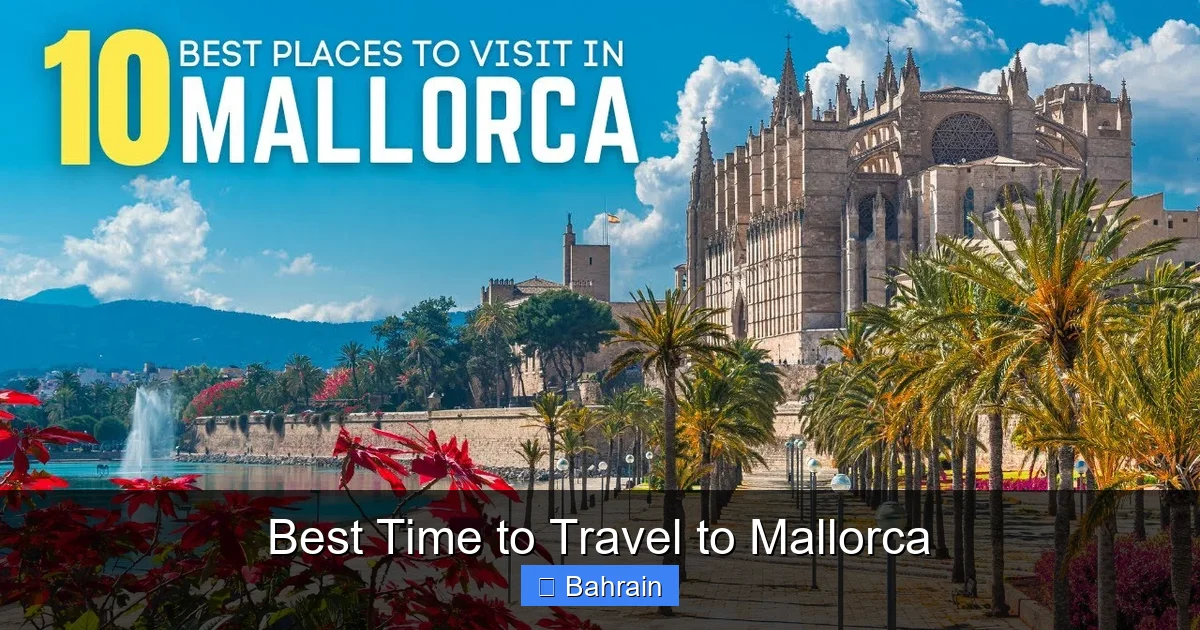
Visual guide about Best Time to Travel to Mallorca
Image source: i.ytimg.com
Weather and Climate
Summer in Mallorca means hot and sunny weather, almost guaranteed. Average temperatures hover around 25-30°C (77-86°F), often soaring higher, especially in July and August. Heatwaves pushing temperatures into the mid-30s°C (90s°F) are not uncommon. Humidity can also be high. The sea is wonderfully warm, reaching 24-26°C (75-79°F), making it perfect for swimming and water sports. Rainfall is minimal, with clear blue skies being the norm.
Crowd Levels and Prices
This is when Mallorca is at its busiest and most expensive. Expect maximum crowds at popular beaches, resorts, and attractions. Flights, hotels, and car rentals reach their peak prices, and availability can be scarce if not booked well in advance. Restaurants and bars will be bustling, particularly in coastal towns and Palma.
Activities and Highlights
- Beach Life: This is the prime time for all things beach-related. Cala d’Or, Alcúdia, Es Trenc, and Palma Nova offer stunning stretches of sand for sunbathing, swimming, and building sandcastles.
- Water Sports: From snorkeling and scuba diving to paddleboarding, jet-skiing, and boat trips, the warm, calm waters are ideal for all kinds of aquatic fun.
- Vibrant Nightlife: Resorts like Magaluf and Palma are buzzing with bars, clubs, and live music, attracting those looking for a lively evening scene.
- Festivals and Fiestas: Summer sees numerous local fiestas and outdoor concerts, offering a glimpse into Mallorcan culture and a chance to celebrate with locals.
- Island Hopping: The calm summer seas make it easy to take boat trips to explore hidden coves or even visit neighboring islands.
Summer Takeaway: If you crave guaranteed sunshine, warm sea temperatures, lively atmospheres, and don’t mind the crowds or higher prices, then summer is undoubtedly the **best time to travel to Mallorca** for a quintessential Mediterranean beach holiday. Families on school holidays and party-goers will find this season perfectly suited to their needs.
Autumn in Mallorca: Golden Hues and Lingering Warmth (September-November)
As the summer heat begins to subside, Mallorca transitions into a beautiful autumn. Similar to spring, this period – particularly September and October – is another strong contender for the **best time to travel to Mallorca** for many visitors, offering a more relaxed experience than the peak season.
Weather and Climate
September often feels like an extension of summer, with average temperatures still around 22-27°C (72-81°F) and warm sea temperatures (22-24°C / 72-75°F). October remains very pleasant, averaging 18-23°C (64-73°F), making it perfect for both beach and activity holidays. Rainfall increases slightly compared to summer, but sunny days are still the norm. By November, temperatures cool further to 12-17°C (54-63°F), and there’s a higher chance of rain, but still many bright days.
Crowd Levels and Prices
The intense summer crowds begin to dissipate in September, offering a noticeably calmer atmosphere. By October, tourist numbers have significantly reduced, especially mid-week. This reduction in demand translates to more favorable prices for flights and accommodation, providing excellent value, particularly in late September and October. Many resorts and attractions remain open until late October or early November, but with a more relaxed pace.
Activities and Highlights
- Continued Beach Enjoyment: The sea remains warm enough for swimming well into October, allowing you to enjoy the beautiful beaches without the summer rush.
- Hiking and Cycling: Like spring, autumn’s milder temperatures are ideal for outdoor pursuits. The landscapes take on beautiful golden and russet tones, creating a stunning backdrop for walks and rides.
- Grape Harvest and Wine Tasting: Autumn is harvest season for Mallorca’s vineyards. Many bodegas offer tours and tastings, allowing you to sample local wines amidst picturesque settings.
- Cultural Exploration: Explore Palma’s historic sites, art galleries, and museums at a leisurely pace. The cooler temperatures make walking around the city much more enjoyable.
- Local Gastronomy: Enjoy the island’s culinary delights, from fresh seafood to traditional Mallorcan dishes, in less crowded restaurants.
Autumn Takeaway: If you’re looking for warm weather, fewer crowds than summer, excellent value, and a chance to combine beach time with active exploration and cultural experiences, then early autumn (especially September and October) is a fantastic and often the **best time to travel to Mallorca**.
Winter in Mallorca: Quiet Charm and Cultural Deep Dive (December-February)
Mallorca in winter offers a distinctly different experience from its bustling summer persona. This is the off-season, characterized by tranquility, authentic local life, and a slower pace. If peace and budget travel are your priorities, this might be your ideal **best time to travel to Mallorca**.
Weather and Climate
Winter is the coolest and wettest season, but it’s still mild compared to much of northern Europe. Average temperatures range from 8-15°C (46-59°F). While there are colder, rainy, or even occasionally snowy days (especially in the Tramuntana mountains), Mallorca still boasts many bright, sunny days during winter. The sun can feel surprisingly warm, particularly when sheltered from the wind. Evenings are cool, so warm layers are essential.
Crowd Levels and Prices
Winter sees the lowest tourist numbers. Many coastal resorts become very quiet, and some seasonal businesses close down completely. However, Palma and larger towns remain vibrant with local life. This means significantly lower prices for flights and accommodation, making it an excellent time for budget-conscious travelers. You’ll often feel like you have popular attractions almost to yourself.
Activities and Highlights
- Hiking and Cycling (for the dedicated): The cooler temperatures are perfect for challenging hikes in the Serra de Tramuntana without overheating. Cyclists still visit, albeit in smaller numbers, enjoying the quiet roads.
- Cultural Exploration in Palma: Dive deep into Palma’s rich history. Explore the stunning La Seu Cathedral, the Royal Palace of La Almudaina, and the city’s many museums and art galleries. You’ll get a real sense of local Mallorcan life.
- Almond Blossom (Late January-February): The famous almond trees begin to blossom towards the end of January and throughout February, blanketing the countryside in a delicate white and pink, a truly beautiful and often overlooked winter spectacle.
- Gastronomy and Local Markets: Enjoy hearty Mallorcan cuisine and explore the local markets without the crowds. Try seasonal specialties and fresh produce.
- Festive Season (December): If you visit in December, you’ll experience charming Christmas markets and festive lights, especially in Palma.
Winter Takeaway: For those seeking peace, cultural immersion, authentic local experiences, and significant savings, winter can be the **best time to travel to Mallorca**. It’s ideal for hikers, budget travelers, and anyone wanting to escape the cold northern winters and enjoy a quieter side of the island.
Choosing Your Perfect Season: Tailoring Mallorca to Your Travel Style
Now that we’ve explored the distinct characteristics of each season, let’s refine your decision based on specific travel preferences. Your ideal **best time to travel to Mallorca** is truly personal.
For the Beach Lover & Party Enthusiast: Summer (June-August)
If your dream holiday involves sunbathing on golden sands, swimming in warm, clear waters, and enjoying lively nightlife, then summer is your undisputed choice. Be prepared for crowds and higher prices, but the vibrant atmosphere and guaranteed sunshine are worth it for many.
For the Active Traveler (Hiker, Cyclist, Explorer): Spring & Autumn (April-May & September-October)
These shoulder seasons offer perfect temperatures for outdoor activities. The heat isn’t oppressive, and the landscapes are at their most beautiful – lush green in spring, golden in autumn. Plus, fewer crowds mean more serene experiences on trails and roads. This is generally considered the **best time to travel to Mallorca** for adventurers.
For the Budget-Conscious & Culture Seeker: Winter (November-March)
If you’re looking to save money, avoid crowds, and immerse yourself in local culture, winter is surprisingly rewarding. Flights and accommodation are at their lowest, and you’ll experience a more authentic, relaxed Mallorca. Just pack layers and be ready for cooler, potentially rainy days.
For Families with Young Children: Late Spring or Early Autumn (May or September)
These months offer pleasant temperatures that are not too hot for little ones, fewer crowds than mid-summer, and still warm enough for some beach and water play. Prices are also more manageable. This balance makes it the **best time to travel to Mallorca** for families outside of school holidays.
For Romantics & Couples: Spring or Autumn (April-May & September-October)
The beautiful scenery, pleasant weather, and more relaxed atmosphere of the shoulder seasons create a wonderfully romantic backdrop. Enjoy intimate dinners, scenic drives, and tranquil walks without the summer bustle.
Practical Tips for Planning Your Mallorca Trip
Regardless of when you decide to visit, a few practical tips can enhance your experience in Mallorca:
Booking Essentials
- Flights: Book as far in advance as possible, especially if traveling during peak season (June-August) or popular shoulder months (May, September).
- Accommodation: Mallorca offers everything from luxury resorts and boutique hotels to charming fincas and self-catering apartments. Popular options book up quickly, so don’t delay.
- Car Rental: Highly recommended if you want to explore the island beyond your resort. Book this in advance, too, especially in high season, as prices can soar and availability dwindle.
What to Pack
- Summer: Light clothing, swimwear, sun hat, sunglasses, high-SPF sunscreen, sandals, light evening wear.
- Spring/Autumn: Layers are key. T-shirts, light sweaters/cardigans, a light jacket for evenings, comfortable walking shoes, swimwear (especially for autumn).
- Winter: Warmer layers, a waterproof jacket, sturdy walking shoes, long trousers, sweaters, scarf.
Getting Around
Mallorca has a good public transport network, particularly around Palma and major towns. However, to truly explore the island’s hidden gems, a rental car is invaluable. Taxis are available, but can be expensive for longer journeys.
Embrace the Local Culture
Learn a few basic Spanish (or Mallorquín) phrases. Try local delicacies like pa amb oli, sobrassada, and ensaimada. Engage with the locals and soak up the laid-back Mediterranean vibe. Respect local customs and traditions.
Conclusion: Your Mallorca Awaits!
Ultimately, the **best time to travel to Mallorca** is the time that perfectly matches your individual desires and expectations. Each season unveils a different facet of this diverse and captivating island. Whether you dream of scorching beach days, invigorating mountain treks, cultural explorations, or simply a peaceful escape, Mallorca has a season tailored just for you.
From the blooming beauty of spring and the lively buzz of summer to the golden tranquility of autumn and the quiet charm of winter, Mallorca promises an unforgettable experience whenever you choose to visit. By considering the weather, crowd levels, and your preferred activities, you can confidently plan a trip that will leave you with cherished memories of this Mediterranean gem. So, choose your season, pack your bags, and get ready to discover your own perfect slice of paradise on Mallorca!
Frequently Asked Questions
What are the advantages of visiting Mallorca in spring?
Visiting Mallorca in spring (April-May) offers ideal temperatures for outdoor activities like hiking and cycling, beautiful blooming landscapes, moderate crowd levels, and more affordable prices compared to peak summer. The island feels fresh and vibrant.
Is Mallorca too hot in August?
Mallorca can be quite hot in August, with average daily temperatures often exceeding 30°C (86°F) and high humidity. While perfect for beach lovers, it can be uncomfortable for active sightseeing or those sensitive to heat.
When can I see the almond blossoms in Mallorca?
The famous almond blossoms in Mallorca typically appear from late January through February. This creates a stunning spectacle across the island’s countryside, especially in the central plains and around towns like Valldemossa.
Are many restaurants and shops closed in Mallorca during winter?
In smaller coastal resorts, many seasonal restaurants, bars, and shops do close during the winter months (November-March). However, in larger towns like Palma, Alcúdia, and Manacor, most establishments catering to locals remain open year-round.
What’s the best time to visit Mallorca for cycling?
The shoulder seasons, particularly April, May, and October, are widely considered the best time to visit Mallorca for cycling. The mild temperatures, quiet roads, and stunning scenery create perfect conditions for both road and mountain biking enthusiasts.
Do I need a car to get around Mallorca?
While Palma and some major towns have decent public transport, a rental car is highly recommended if you plan to explore the diverse landscapes, remote beaches, and charming villages of Mallorca extensively. It offers the most flexibility and convenience.