Best Time to Travel to Guatemala
Planning your trip to Guatemala? The dry season (November to May) is widely considered the best time to travel to Guatemala, offering sunny skies, ideal conditions for hiking and ruins, and vibrant festivals. However, the wet season (June to October) brings lush landscapes, fewer crowds, and lower prices, making it perfect for budget travelers and those seeking a more authentic experience despite daily rain showers. Ultimately, the best time hinges on your personal priorities and what you want to experience in this stunning Central American gem.
Guatemala, a jewel in Central America, beckons travelers with its ancient Mayan ruins, active volcanoes, vibrant indigenous culture, and stunning natural beauty. From the misty highlands around Lake Atitlán to the dense jungle canopy of Tikal, every corner of this country offers an adventure waiting to happen. But like any destination, timing can significantly impact your experience. So, when is the *best time to travel to Guatemala*?
Deciding on the perfect travel window isn’t just about avoiding rain; it’s about aligning your visit with the experiences you dream of. Do you picture yourself hiking a volcano under clear blue skies, or navigating ancient ruins with fewer crowds? Are you hoping to witness a colorful festival, or are you on a tight budget looking for the best deals? This guide will dive deep into Guatemala’s seasons, helping you pinpoint the best time to travel to Guatemala that perfectly suits your travel style and priorities. Let’s unpack the secrets of Guatemala’s climate and calendar to ensure your trip is nothing short of magical.
Key Takeaways
- Dry Season (November – May) is Peak: Offers consistently sunny weather, low humidity, and is ideal for outdoor activities like hiking volcanoes, exploring Mayan ruins, and enjoying Lake Atitlán.
- Wet Season (June – October) Offers Advantages: While it brings daily afternoon rains, this period means fewer tourists, lower prices, incredibly lush landscapes, and unique cultural experiences.
- Shoulder Seasons are a Sweet Spot: Late May/early June and October/November can offer a mix of good weather, fewer crowds than peak dry season, and slightly better prices.
- Consider Specific Activities: For strenuous hikes and clear views, aim for the dry season. For cultural immersion, coffee tours, or enjoying vibrant greenery, the wet season can be surprisingly rewarding.
- Major Festivals Impact Travel: Events like Semana Santa (Holy Week) in March/April attract huge crowds and drive up prices, requiring advance booking, but offer unforgettable cultural experiences.
- Flexibility is Key: Guatemala’s weather can be unpredictable. Being flexible with plans, especially during the wet season, will enhance your trip.
- Pack Smart: Regardless of the season, layers are crucial. Rain gear is essential for the wet season, while sun protection is vital year-round.
Quick Answers to Common Questions
What are the two main seasons in Guatemala?
Guatemala has two main seasons: the dry season (November to May) and the wet season (June to October).
When is the peak tourist season in Guatemala?
The peak tourist season in Guatemala typically runs from January to March, during the driest and coolest part of the dry season.
Is it worth visiting Guatemala during the wet season?
Absolutely! The wet season offers lush green landscapes, fewer tourists, lower prices, and a unique, authentic experience, despite daily afternoon rains.
What is Semana Santa, and when does it occur?
Semana Santa (Holy Week) is a major religious festival celebrated in March or April (depending on Easter), famous for its elaborate processions and ‘alfombras’ (carpets) in Antigua.
What should I pack for Guatemala in the dry season?
For the dry season, pack light, breathable clothing, layers for cooler evenings, sturdy walking shoes, sunscreen, a hat, and insect repellent.
📑 Table of Contents
Understanding Guatemala’s Climate: Wet vs. Dry Seasons
Guatemala experiences a tropical climate, characterized primarily by two distinct seasons: the dry season and the wet season. Understanding these cycles is fundamental to determining the best time to travel to Guatemala.
The Dry Season: November to May
Often referred to as Guatemala’s “summer,” the dry season brings consistently sunny days, low humidity, and pleasant temperatures. This is the peak tourist season for good reason – the weather is simply glorious. You can expect clear skies perfect for photography, comfortable conditions for outdoor adventures, and generally hassle-free travel across the country.
The Wet Season: June to October
Known locally as the “winter,” the wet season is characterized by daily rainfall, typically in the form of afternoon downpours. Don’t let the term “wet season” deter you entirely, though! Mornings are often clear and sunny, allowing for plenty of exploration before the clouds roll in. This period transforms Guatemala into a lush, vibrant green landscape, bringing a unique kind of beauty. While some remote areas might become harder to access due to muddy roads, many popular destinations remain entirely enjoyable.
The Dry Season: Sunshine, Festivals, and Clear Skies (November – May)
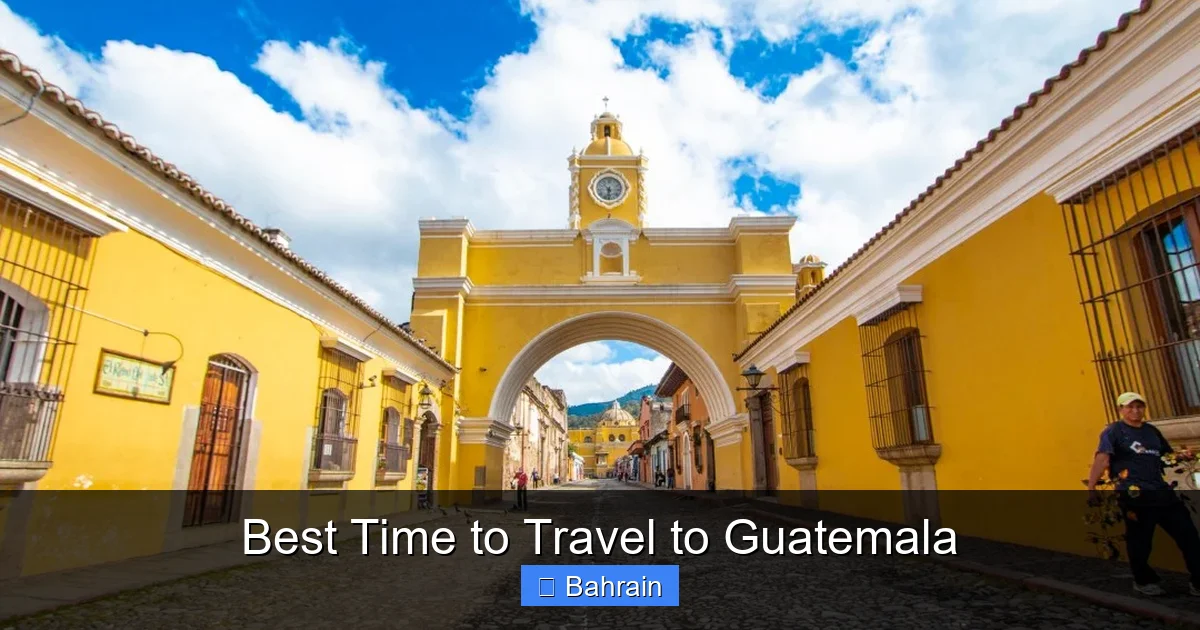
Visual guide about Best Time to Travel to Guatemala
Image source: travelandsolidarity.com
For many, the dry season represents the absolute best time to travel to Guatemala. With minimal rain and abundant sunshine, conditions are ideal for exploring.
November and December: Post-Rain Clarity and Holiday Cheer
As the rainy season recedes in November, the air becomes crisp and clear. The landscapes are still wonderfully green from the recent rains, yet the trails are drying out, making it perfect for hiking and outdoor activities. December brings festive holiday cheer, especially around Christmas and New Year’s, with unique Guatemalan traditions on display. This is a fantastic period to experience a refreshing blend of nature and culture. If you’re wondering about the best time to travel to Guatemala for post-rain vibrancy, these months are perfect.
January to March: Peak Travel, Ideal Weather
These months offer arguably the most consistent and pleasant weather. Days are warm, nights are cool, and humidity is low. This is prime time for hiking volcanoes like Pacaya or Acatenango, exploring the ancient city of Tikal, and enjoying the serene beauty of Lake Atitlán without worrying about rain. Because of the perfect weather, this period sees the highest tourist numbers, which means higher prices for accommodations and tours. Booking well in advance is highly recommended if you choose this time as the best time to travel to Guatemala for you.
April and May: Transition, Warmer, Semana Santa
As the dry season progresses into April and May, temperatures begin to rise, particularly in the lowlands. While still predominantly dry, you might start to experience an occasional late afternoon shower as the country transitions towards the wet season. April is famous for Semana Santa (Holy Week), one of the most spectacular religious festivals in the world, especially in Antigua. Carpets of flowers and sawdust adorn the streets for elaborate processions, attracting enormous crowds. If cultural immersion is your priority, and you’re thinking about the best time to travel to Guatemala for festivals, Semana Santa is an unparalleled experience, but expect peak prices and crowded conditions.
Pros of the Dry Season:
- Excellent Weather: Consistently sunny, low humidity, and comfortable temperatures.
- Clear Views: Perfect for volcano hikes, scenic overlooks, and photography.
- Easier Travel: Roads are well-maintained and less prone to issues, making transportation smoother.
- Vibrant Festivals: Home to many significant cultural and religious celebrations.
Cons of the Dry Season:
- Higher Prices: Accommodations, flights, and tours can be more expensive.
- More Crowds: Popular sites and towns can feel busier.
- Less Lush Landscapes: Towards the end of the dry season, some areas may appear less green.
The Wet Season: Lush Landscapes and Fewer Crowds (June – October)
While often overlooked, the wet season offers a different, yet equally rewarding, side of Guatemala. For travelers seeking authenticity, lower costs, and verdant landscapes, this could be the best time to travel to Guatemala.
June and July: Beginning of Rains, Still Good
The rains typically start in June, but they often come in predictable patterns – usually a heavy shower in the late afternoon or evening, leaving mornings clear and sunny. This means you can still enjoy most activities, simply planning them earlier in the day. The landscapes burst into vibrant green, and the air feels fresh and clean after the rain. Crowds are noticeably thinner than during the dry season.
August to October: Peak Rain, Some Areas Challenging
These months generally see the heaviest rainfall. While mornings can still be beautiful, expect more consistent afternoon showers, which can sometimes last longer. Some unpaved roads, especially in remote areas or towards the Pacific coast, might become muddy and challenging to navigate. However, major tourist routes and cities like Antigua and Lake Atitlán remain very accessible. This period is fantastic for seeing waterfalls at their fullest and experiencing the true tropical rainforests in their prime. If fewer tourists and lower costs are your main drivers for finding the best time to travel to Guatemala, these months are excellent.
Pros of the Wet Season:
- Lush Greenery: The country transforms into an incredibly vibrant, verdant paradise.
- Fewer Tourists: Enjoy popular sites with significantly smaller crowds.
- Lower Prices: Flights, accommodations, and tours are generally more affordable.
- Unique Atmosphere: Experience Guatemala in a more authentic, less touristy way.
- Amazing Photography: Dramatic clouds and misty mountains offer stunning photo opportunities.
Cons of the Wet Season:
- Daily Rain: Expect regular afternoon showers, which might disrupt some outdoor plans.
- Muddy Roads: Some rural areas or hiking trails can become difficult to traverse.
- Limited Visibility: Clouds and fog can sometimes obscure scenic views, especially in the highlands.
- Increased Mosquitoes: The humidity and rain can lead to more insect activity.
Seasonal Considerations for Specific Activities and Regions
The “best time to travel to Guatemala” truly depends on what you want to do and where you plan to go.
Hiking Volcanoes (Pacaya, Acatenango)
For challenging hikes like Acatenango, where clear views of Fuego erupting are the ultimate prize, the *dry season (November to May)* is unequivocally the best time. Trails are less slippery, and the chances of a cloud-free summit are much higher. While possible during the wet season, visibility can be poor, and trails can be muddy and treacherous.
Exploring Mayan Ruins (Tikal, Yaxha)
Tikal and other Mayan sites in the Petén region can be visited year-round. The *dry season* offers comfortable trekking through the jungle with less humidity and no rain. However, the *wet season* brings fewer crowds, making for a more mystical and solitary experience, and the jungle is incredibly vibrant. Just be prepared for potential downpours and muddy paths. Early mornings are best in either season to avoid heat and, during the wet season, beat the rain.
Lake Atitlán and Antigua
These popular destinations are wonderful almost any time. *Dry season (January to March)* is perfect for enjoying sunny boat rides on the lake and wandering Antigua’s cobblestone streets. However, the *shoulder months (November, December, May, June)* can offer a great balance of pleasant weather and fewer people. Even during the wet season, Lake Atitlán is stunning with dramatic clouds and lush surroundings; just plan your lake activities for the mornings.
Pacific Coast (Surfing, Wildlife)
For surfing on the Pacific Coast (e.g., El Paredón), the waves are good year-round, but generally larger during the wet season. For turtle nesting (September-December) or whale watching (December-April), the *dry season* offers the best chances.
Festivals and Cultural Events
Guatemala is rich in cultural festivals.
- Semana Santa (Holy Week): March/April (dry season) – Unforgettable in Antigua. Requires extensive advance booking.
- Día de los Muertos (Day of the Dead): November 1st (start of dry season) – Famous giant kite festivals in Sumpango and Santiago Sacatepéquez.
- Fiestas Patrias (Independence Day): September 15th (wet season) – Parades and celebrations nationwide.
- Local Patron Saint Festivals: Occur throughout the year in various towns, offering unique insights into local traditions.
Practical Tips for Planning Your Trip to Guatemala
Regardless of when you decide is the best time to travel to Guatemala for you, a little preparation goes a long way.
Booking in Advance
If you plan to visit during the peak dry season (January-March) or around major holidays like Semana Santa, booking flights, accommodations, and popular tours several months in advance is crucial. This will help you secure better prices and availability. During the wet season, you can often find more flexibility and last-minute deals.
Packing Essentials
- Year-Round: Layered clothing is essential due to varying altitudes and daily temperature shifts. Pack light, breathable clothing, a sweater or light jacket for cool evenings, and sturdy walking shoes. Sunscreen, a hat, and insect repellent are must-haves.
- Wet Season Specifics: Definitely bring a good waterproof rain jacket or poncho, waterproof hiking boots, and a waterproof cover for your backpack. Quick-drying clothes are a bonus.
Flexibility and Attitude
Especially during the wet season, embracing a flexible attitude is key. A sudden downpour might change your plans, but it also might lead to an unexpected, charming experience, like taking refuge in a cozy cafe. Guatemalans are incredibly welcoming, and adapting to local rhythms will enrich your trip.
Travel Insurance
Always a good idea, regardless of the season. Travel insurance can cover unexpected delays, medical emergencies, or lost luggage, providing peace of mind.
Staying Informed
Keep an eye on local weather forecasts and conditions, especially if you plan to visit remote areas or embark on challenging hikes. Local guides and tour operators are excellent resources for up-to-date information.
So, when is the *best time to travel to Guatemala*? There’s no single perfect answer because it truly depends on your personal preferences. Do you crave sunny days, clear views, and vibrant festivals? Then the dry season, particularly from November to March, is your ideal window. If you prioritize lush green landscapes, fewer crowds, lower prices, and don’t mind a daily afternoon shower, then the wet season from June to October might just be your perfect fit. Or perhaps a shoulder season offers the best of both worlds.
Guatemala is a country of incredible contrasts and endless beauty, and no matter when you choose to visit, you’re bound to be captivated. Prepare to be enchanted by its rich history, stunning scenery, and the warmth of its people. Whichever season you pick, a memorable adventure awaits you in this extraordinary Central American destination.
Frequently Asked Questions
What is the absolute best time to travel to Guatemala for hiking?
For strenuous hikes like volcano ascents and long treks through Mayan ruins, the dry season from November to May is generally considered the best time to travel to Guatemala. Trails are less slippery, views are clearer, and the weather is more predictable.
Are prices lower during Guatemala’s wet season?
Yes, prices for flights, accommodations, and tours tend to be lower during Guatemala’s wet season (June to October) due to fewer tourist crowds. This makes it an excellent option for budget-conscious travelers.
How often does it rain during the wet season in Guatemala?
During the wet season, you can expect daily rainfall, typically in the form of heavy afternoon showers. Mornings are often clear and sunny, allowing for plenty of activities before the rain starts.
Is it safe to travel to Guatemala during the rainy season?
Yes, it is generally safe to travel to Guatemala during the rainy season. While some unpaved roads might become muddy, major tourist routes and cities remain accessible. Always stay informed about local conditions, especially if venturing into remote areas.
Which months are best for experiencing cultural festivals in Guatemala?
The dry season, particularly November (Day of the Dead kites) and March/April (Semana Santa), offers some of Guatemala’s most spectacular cultural festivals. However, many local patron saint festivals occur throughout the year.
Can I still visit Lake Atitlán during the wet season?
Absolutely! Lake Atitlán is beautiful year-round. During the wet season, the surrounding mountains are incredibly lush, and the dramatic cloud formations offer stunning photo opportunities. Just plan your boat trips and outdoor activities for the usually clear mornings.