Best Time to Travel to Ghana
Determining the best time to travel to Ghana largely depends on your priorities, but the dry season (November to March) is generally favored for its sunny skies and lower humidity, ideal for beaches and safaris. However, the wet season (April to October) offers lush landscapes and fewer crowds, making it a great option for budget travelers and cultural immersion. Consider your desired activities and tolerance for heat or rain to choose your perfect Ghanaian adventure.
Ghana, a vibrant jewel nestled on West Africa’s coast, beckons travelers with its rich history, lively culture, stunning natural beauty, and warm hospitality. From the bustling markets of Accra to the serene beaches of Busua, the ancient slave castles of Cape Coast to the wildlife of Mole National Park, there’s an adventure waiting for every kind of explorer. But like any tropical paradise, the experience can vary dramatically depending on when you choose to visit. So, you’re asking, “What is the best time to travel to Ghana?”
The answer isn’t always a simple one-liner. It really depends on what you hope to do, see, and experience during your trip. Are you dreaming of sun-kissed beaches and safari adventures? Or perhaps you’re more interested in lush landscapes, cultural festivals, and avoiding the crowds? Ghana’s climate, like many equatorial regions, is primarily defined by its dry and wet seasons, but even within these broad categories, there are nuances and regional variations that can significantly impact your journey. Let’s dive deep into understanding Ghana’s climate and how to pinpoint the ideal time for your unforgettable West African escape.
Planning your trip means balancing weather, crowd levels, prices, and even local events. This comprehensive guide will break down everything you need to know, helping you make an informed decision so your visit to Ghana is nothing short of spectacular. We’ll explore the advantages and disadvantages of each season, highlight specific activities best suited for certain times of the year, and offer practical tips to ensure you choose the best time to travel to Ghana for *your* specific travel style and interests.
Key Takeaways
- Dry Season (November to March) is Popular: This period offers sunny days, lower humidity, and minimal rainfall, making it ideal for beach visits, wildlife safaris, and general sightseeing, though it also means higher prices and more crowds.
- Wet Season (April to October) Offers Different Charms: While characterized by rain, this season brings lush greenery, fewer tourists, and potentially lower costs. It’s excellent for cultural experiences and exploring waterfalls, especially during the “little dry season” within it.
- Harmattan Winds Affect January-February: The dry season can bring dusty Harmattan winds, particularly in January and February, which reduce visibility and can be challenging for those with respiratory issues, especially in the north.
- Consider Regional Differences: Southern Ghana experiences two rainy seasons, while Northern Ghana has one longer, more intense wet season. Your destination within Ghana will influence the best time to visit.
- Factor in Festivals and Events: Ghana’s rich cultural calendar features numerous vibrant festivals. Aligning your visit with a specific festival (like Homowo or Panafest) can significantly enhance your experience, regardless of the weather.
- Budget and Crowds Vary Seasonally: High season (dry season) means higher accommodation and flight costs with more tourists. Low season (wet season) often provides better deals and a more intimate travel experience.
- Flexibility is Key: Ghana’s weather can be unpredictable. Being flexible with your plans and embracing both sunshine and occasional rain showers can lead to a more enjoyable and authentic journey.
Quick Answers to Common Questions
What is the absolute best month to visit Ghana for sunny weather?
For consistently sunny weather and low humidity, December is often cited as one of the absolute best months to visit Ghana, before the peak of the dusty Harmattan winds. November and early January are also excellent choices.
Are there mosquitos in Ghana year-round?
Yes, mosquitos are present in Ghana year-round due to its tropical climate. However, their activity tends to increase significantly during and immediately after the wet season (April-October) when there is more standing water.
Is it safe to travel to Ghana during the rainy season?
Yes, it is generally safe to travel to Ghana during the rainy season. The main challenges are potential disruptions to travel due to muddy roads and increased mosquito activity, but with proper planning and precautions, it’s a perfectly viable time to visit.
When is the Harmattan season in Ghana?
The Harmattan season in Ghana typically occurs from January to February, sometimes extending into early March. It’s characterized by dry, dusty winds blowing from the Sahara, which can reduce visibility and make the air feel dry.
What is the “little dry season” in Ghana?
The “little dry season” is a short, relatively drier period that occurs in Southern Ghana, typically in August, separating the two main rainy periods (April-July and September-October).
📑 Table of Contents
Understanding Ghana’s Climate: The Basics
Ghana lies just north of the equator, which means it enjoys a tropical climate characterized by relatively high temperatures year-round and distinct wet and dry seasons. The average temperature hovers around 26-30°C (79-86°F) throughout the year, with coastal areas being slightly cooler due to sea breezes and the north experiencing more extreme heat, especially during the dry season. The main distinguishing factors for visitors are rainfall and humidity.
The Two Main Seasons: Dry and Wet
Ghana essentially has two primary seasons, though their timings can differ slightly depending on whether you’re in the south or the north of the country:
- The Dry Season: Generally runs from November to March. This period is often considered the best time to travel to Ghana for most tourists, as it features sunny skies, lower humidity, and very little rainfall.
- The Wet Season: Typically runs from April to October. This season brings higher humidity and more frequent rainfall, which can vary from short, intense downpours to prolonged showers.
Understanding these fundamental seasonal patterns is the first step in deciding when you should embark on your Ghanaian adventure. Each season offers a different kind of beauty and a unique set of travel considerations.
The Dry Season: November to March (Peak Popularity)
For many travelers, the dry season represents the undisputed best time to travel to Ghana. Picture endless days of sunshine, minimal humidity, and clear blue skies – perfect for exploring everything this vibrant nation has to offer.
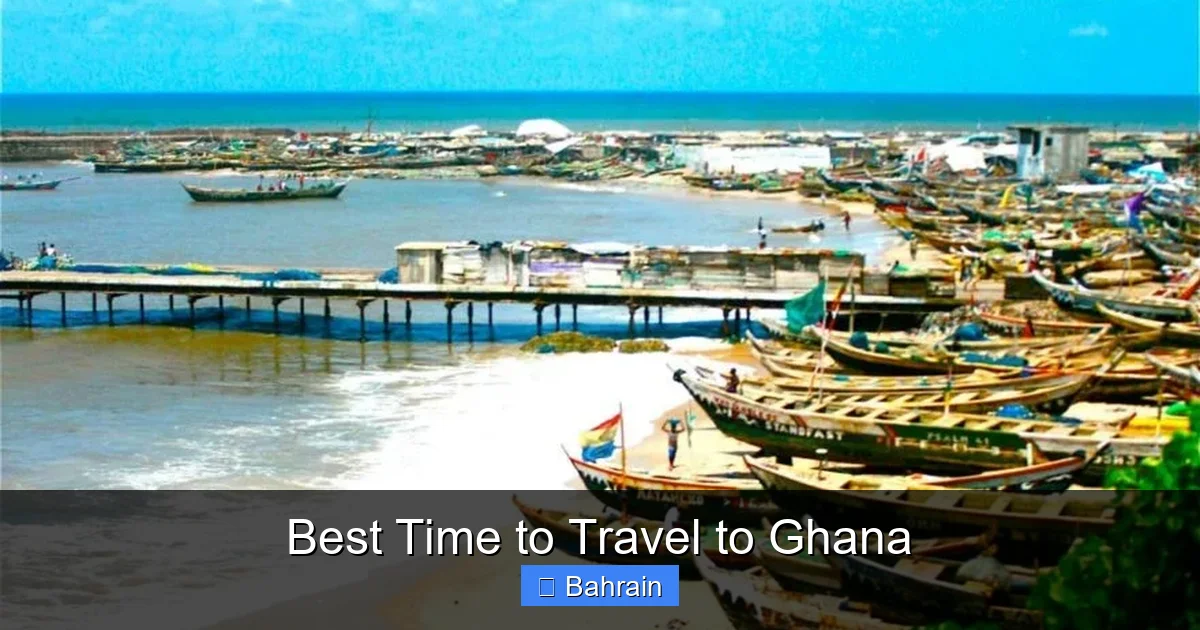
Visual guide about Best Time to Travel to Ghana
Image source: travelinspires.org
Pros of Traveling During the Dry Season
- Ideal Weather: The weather is generally superb. Expect plenty of sunshine, lower humidity levels, and comfortably warm temperatures. This is fantastic for outdoor activities, from beach relaxation to hiking.
- Excellent for Beaches: Ghana’s stunning coastline, with popular spots like Kokrobite and Busua, is at its best. The warm, dry weather makes sunbathing, swimming, and watersports incredibly enjoyable.
- Prime for Safaris: Wildlife viewing in places like Mole National Park is often easier during the dry season. Animals congregate around fewer water sources, making them simpler to spot. Vegetation is also less dense, improving visibility.
- Easier Travel: Roads, especially in more rural areas, are generally in better condition and less muddy, making overland travel smoother and quicker.
- Festivals and Events: Many significant cultural festivals, particularly in December and January, take place during this period, offering incredible opportunities for cultural immersion.
Cons of Traveling During the Dry Season
- Harmattan Winds (January-February): While generally dry and pleasant, January and February can bring the Harmattan, a dry, dusty wind blowing in from the Sahara. This can reduce visibility, make the air quality dusty, and bring cooler mornings and evenings, especially in the north. It can be particularly challenging for those with respiratory issues.
- Higher Prices: Being the peak tourist season, expect accommodation and flight prices to be at their highest. Booking well in advance is highly recommended.
- More Crowds: Popular attractions, hotels, and beaches will be busier with fellow tourists.
- Water Scarcity in Some Areas: Towards the end of the dry season, some rural areas, particularly in the north, may experience water shortages.
Best Activities During the Dry Season
If you choose to travel during this period, you’re in for a treat! This is the best time to travel to Ghana for:
- Beach Holidays: Relax on the golden sands of Ghana’s coastline.
- Wildlife Safaris: Experience the thrill of seeing elephants, antelopes, and various bird species in their natural habitat at Mole National Park.
- Hiking and Nature Trails: Explore Kakum National Park’s canopy walkway or climb Mount Afadjato without the worry of slippery trails.
- Cultural Festivals: Participate in or observe vibrant festivals like Hogbetsotso (November) or various traditional durbars.
- City Exploration: Wander through Accra’s historical sites and bustling markets with comfortable weather.
The Wet Season: April to October (Shoulder & Off-Peak)
While the dry season gets a lot of attention, the wet season offers a completely different, yet equally rewarding, side of Ghana. Don’t let the idea of rain deter you entirely; it can be the best time to travel to Ghana for certain experiences.
Pros of Traveling During the Wet Season
- Lush Green Landscapes: The rains transform the country into a vibrant, verdant paradise. The scenery is breathtakingly green and fresh.
- Fewer Crowds: With fewer tourists, you’ll find popular sites less crowded, offering a more intimate and authentic experience.
- Lower Prices: Accommodation and flight prices are often significantly lower, making it an excellent option for budget-conscious travelers.
- Waterfalls are Magnificent: Waterfalls like Wli Waterfalls are at their most spectacular, flowing powerfully and majestically.
- Cultural Immersion: With fewer tourists, you might find more opportunities to connect with locals and experience daily life without the busy tourist bustle.
Cons of Traveling During the Wet Season
- Rainfall: Expect regular rainfall, which can range from short, intense downpours to longer, persistent showers. This can disrupt outdoor plans.
- High Humidity: The air can feel heavy and humid, which might be uncomfortable for some travelers.
- Road Conditions: Unpaved roads, especially in rural areas, can become muddy and challenging to navigate, potentially causing delays or making some areas inaccessible.
- Mosquitoes: Mosquito activity tends to increase during the wet season, so robust insect repellent and malaria precautions are essential.
- Limited Visibility for Safaris: Dense vegetation can make spotting wildlife more challenging.
Dividing the Wet Season: Southern Ghana’s Nuance
It’s important to note that Southern Ghana (including Accra, Cape Coast, and Kumasi) often experiences two rainy periods within the broader wet season:
- Major Rains (April to July): This is typically the heaviest period of rainfall. Expect significant downpours, especially in May and June.
- “Little Dry Season” (August): A short, relatively drier spell often occurs in August, making it a surprisingly pleasant time to visit some southern areas with lighter rains and fewer crowds. This can be a hidden gem for those looking for a unique balance.
- Minor Rains (September to October): A second, less intense rainy season occurs before the onset of the main dry season.
Best Activities During the Wet Season
Despite the rain, the wet season can still be the best time to travel to Ghana for:
- Cultural Exploration: Spend more time in museums, art galleries, and cultural centers.
- Visiting Waterfalls: Witness the powerful beauty of Ghana’s waterfalls at their peak.
- Cooking Classes and Workshops: Immerse yourself in local life indoors.
- Relaxation and Reflection: Enjoy the tranquility and slower pace that fewer crowds bring.
- Budget Travel: Take advantage of lower prices for flights and accommodation.
Beyond Weather: Other Factors to Consider
While climate is a major factor, the best time to travel to Ghana also hinges on other crucial considerations that can shape your entire experience.
Festivals and Events
Ghana is a nation that loves to celebrate, and its cultural calendar is packed with vibrant festivals. Attending one of these can be a truly unforgettable experience. Some popular ones include:
- Homowo Festival (Ga people): Celebrated around August/September, particularly in Accra, marking the harvest and overcoming hunger.
- Panafest (Pan-African Historical Theatre Festival): Held biennially in July/August, primarily in Cape Coast and Accra, focusing on African culture and heritage.
- Akwasidae Festival (Ashanti people): Celebrated every 42 days, usually on a Sunday, in Kumasi, honouring the ancestors and the Ashanti kingdom. Check specific dates.
- Hogbetsotso Festival (Anlo Ewe people): Celebrated in November in the Volta Region, commemorating the migration of the Anlo Ewe people.
If experiencing a specific festival is high on your list, then planning your trip around its dates will determine the best time to travel to Ghana for you, regardless of the weather.
Budget and Crowds
As mentioned, the dry season (November-March) is peak tourist season, meaning higher prices for flights and accommodation, and more crowded attractions. If you’re on a tighter budget or prefer a more serene travel experience without the hustle and bustle, the wet season (April-October) or the shoulder months can be the best time to travel to Ghana. You might find better deals and more opportunities for authentic local interactions.
Specific Activities You Plan
Your itinerary plays a huge role. If you are focused on:
- Beach holidays and safaris: The dry season (November to March) is generally superior.
- Hiking and exploring waterfalls: While the dry season offers easier trails, the wet season (especially the “little dry season” in August) can offer more impressive waterfalls and lush scenery. Be prepared for mud and potentially closed trails during heavy rain.
- Cultural tours and city exploration: These can be enjoyed year-round, but the dry season offers more comfortable outdoor conditions, while the wet season offers a calmer atmosphere and potentially better deals.
Regional Nuances: North vs. South Ghana
Ghana is a diverse country, and its climate isn’t uniform. The best time to travel to Ghana might differ based on which region you plan to spend most of your time in.
Southern Ghana (Accra, Cape Coast, Kumasi, Volta Region)
This region experiences two distinct rainy seasons:
- Major Rainy Season: April to July (with the heaviest rains in May-June).
- Minor Rainy Season: September to October.
The “little dry season” in August is a pleasant interlude between the two. The dry season here runs from November to March, making it ideal for coastal activities and exploring historical sites like the slave castles.
Northern Ghana (Tamale, Mole National Park, Bolgatanga)
Northern Ghana has a single, more intense rainy season, typically from May to October, with peaks in August and September. The dry season is longer and hotter, usually from November to April. The Harmattan winds are also more pronounced and dusty in the north during January and February. For wildlife viewing in Mole National Park, the dry season (December to March) is definitely the best time to travel to Ghana‘s northern parts, as animals are easier to spot near dwindling water sources.
Making Your Decision: Tailoring Your Ghana Trip
So, considering all these factors, how do you decide the best time to travel to Ghana for *you*?
If You Prioritize Sunny Weather and Outdoor Activities:
November to March (Dry Season) is likely your best bet. You’ll enjoy comfortable temperatures, minimal rain, and ideal conditions for beaches, safaris, and outdoor adventures. Just be prepared for the Harmattan dust in late dry season and potentially higher costs and more tourists.
If You Prefer Fewer Crowds, Lush Scenery, and Lower Prices:
April to October (Wet Season) could be surprisingly rewarding. You’ll experience Ghana’s vibrant green landscapes, see spectacular waterfalls, and benefit from better deals. Consider the “little dry season” in August for a good balance, especially in the south. Pack rain gear and good insect repellent!
If Festivals are Your Focus:
You’ll need to research specific festival dates and plan accordingly. These can fall into any season, so be prepared for varied weather conditions. Many cultural festivals offer such unique experiences that they are worth planning around, regardless of the season.
For the Best of Both Worlds (Shoulder Season):
Consider the very beginning of the dry season (November) or the very end (March), or even the “little dry season” in August. These periods can offer a good compromise with pleasant weather, fewer crowds than peak dry season, and potentially better prices.
Ultimately, there is no single “best” answer that fits everyone. Ghana is a captivating destination year-round, and each season has its own unique charm and set of experiences. The key is to align your travel goals with the seasonal characteristics. With a little planning and flexibility, your Ghanaian adventure will undoubtedly be an incredible journey filled with unforgettable memories.
No matter when you decide the best time to travel to Ghana is for you, you’re guaranteed a warm welcome and a rich, immersive experience in this incredible West African nation. Happy travels!
Frequently Asked Questions
Is November a good time to visit Ghana?
Yes, November is an excellent time to visit Ghana. It marks the beginning of the dry season, offering pleasant, sunny weather with lower humidity, making it ideal for outdoor activities, beach visits, and cultural exploration before the peak crowds of December.
What about traveling to Ghana in August?
August can be a surprisingly good time to visit Southern Ghana due to the “little dry season,” offering lighter rainfall, greener landscapes, and fewer tourists. However, Northern Ghana will still be in its wet season, so plan accordingly if heading north.
Are flights cheaper during the wet season?
Generally, yes. Flights and accommodation prices tend to be lower during Ghana’s wet season (April-October) compared to the peak dry season (November-March) due to reduced tourist demand. This makes it a great option for budget travelers.
How does the Harmattan wind affect travel?
The Harmattan wind, prevalent from January to February, brings dry, dusty conditions and reduced visibility, especially in the north. It can cause discomfort for some and may affect respiratory conditions, but typically doesn’t severely disrupt travel plans beyond minor visibility issues.
Can I still do a safari during the rainy season?
While safaris are generally better in the dry season, it is still possible to do one during the rainy season. Expect denser vegetation, making wildlife spotting harder, and potentially muddy roads. Animals might be more dispersed, but you’ll experience lush landscapes and fewer crowds.
What should I pack for a trip to Ghana during the wet season?
For the wet season, pack light, breathable clothing, a good quality rain jacket or umbrella, waterproof walking shoes, and strong insect repellent. Quick-drying fabrics are a plus. Don’t forget swimwear for sunny interludes!