Best Time to Travel to Finland
Planning a Finnish getaway? The best time to travel to Finland truly depends on your desired experiences. Whether you seek the endless daylight of the Midnight Sun in summer, the vibrant Northern Lights and snowy landscapes of winter, or the spectacular autumn “ruska” colors, Finland offers unique magic in every season. Consider your activity preferences—from hiking and lake activities to skiing and Santa visits—to pinpoint your ideal travel window for this enchanting Nordic nation.
Finland, the land of a thousand lakes, vast forests, and the magical Aurora Borealis, is an incredibly captivating destination. It’s a place where nature reigns supreme, offering experiences unlike anywhere else on Earth. But when is the *best* time to visit this Nordic gem? That’s a question many travelers ponder, and the answer truly depends on what kind of Finnish adventure you dream of having. Do you envision endless summer days under the Midnight Sun, or a snow-covered wonderland lit by the dancing Northern Lights?
Finland’s charm lies in its distinct seasons, each offering a unique tapestry of activities, natural phenomena, and cultural experiences. There’s no single “right” answer for the best time to travel to Finland, as each season brings its own set of wonders and challenges. From the vibrant energy of Helsinki in July to the serene beauty of Lapland in December, your ideal travel window will be shaped by your interests, budget, and tolerance for varying temperatures. So, let’s embark on a journey through Finland’s year, helping you discover your perfect season to explore this enchanting country.
Embracing the Finnish Seasons: A Quick Overview
To truly decide the best time to travel to Finland, it’s helpful to understand the general characteristics of its four main seasons. Finland experiences dramatic shifts from one season to the next, meaning the landscape, available activities, and even the pace of life can change considerably. Knowing what each period offers will allow you to tailor your trip to your personal preferences.
Summer in Finland: The Land of the Midnight Sun (June – August)
If endless daylight, vibrant green landscapes, and a plethora of outdoor activities sound like your ideal vacation, then summer is undoubtedly the best time to travel to Finland. From June to August, especially in the northern parts of the country, you’ll experience the extraordinary phenomenon of the Midnight Sun, where the sun doesn’t set for weeks or even months.
What to Expect in Summer
Temperatures during Finnish summer are generally mild and pleasant, ranging from 15°C to 25°C (59°F to 77°F), though sometimes they can climb higher. The air is fresh, and the long daylight hours give you ample time to explore and enjoy.
- Midnight Sun: The further north you go, the longer the sun stays above the horizon. In Lapland, the sun doesn’t set at all for about 70 days in mid-summer. It’s an unforgettable experience, but remember to bring an eye mask for sleeping!
- Nature at its Peak: Lakes are perfect for swimming, fishing, and boating. Forests burst with berries and mushrooms (perfect for foraging, a popular Finnish pastime!). National parks offer endless hiking and cycling trails.
- City Life & Festivals: Finnish cities like Helsinki, Turku, and Tampere come alive with outdoor cafes, markets, and a wide array of music festivals and cultural events.
Pros of Summer Travel
- Maximized Daylight: More time for sightseeing and activities.
- Warm Weather: Comfortable for outdoor adventures.
- Abundance of Activities: Hiking, cycling, swimming, boating, island hopping, urban exploration.
- Vibrant Atmosphere: Cities and towns are lively.
Cons of Summer Travel
- Peak Season Crowds: Especially in popular areas like Helsinki and Lapland.
- Higher Prices: Flights and accommodation can be more expensive.
- No Northern Lights: The continuous daylight makes it impossible to see the Aurora Borealis.
- Mosquitoes: Can be quite prevalent in rural areas, especially during July.
Who is Summer Best For?
Adventure seekers, nature lovers, families, and anyone who wants to experience the unique phenomenon of the Midnight Sun will find summer the best time to travel to Finland. It’s perfect for those who enjoy long days, outdoor sports, and a lively atmosphere.
Autumn in Finland: Ruska & Early Auroras (September – October)
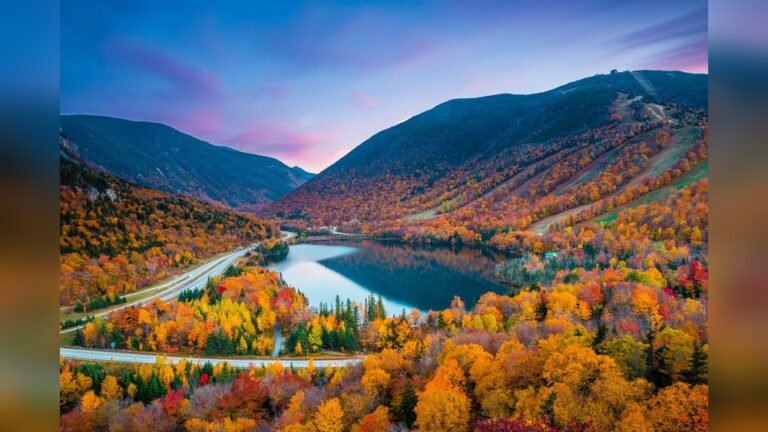
As summer gently fades, Finland transforms into a painter’s palette of fiery reds, vibrant oranges, and golden yellows. This season, known as “ruska” (the Finnish word for autumn foliage), is incredibly beautiful and offers a quieter, yet equally magical, experience. Autumn is also when the nights become dark enough again for the first sightings of the Northern Lights.
What to Expect in Autumn
Temperatures begin to drop, typically ranging from 0°C to 10°C (32°F to 50°F). The air becomes crisp, and there’s a certain peacefulness that descends upon the landscapes. This is truly a picturesque time if you’re wondering about the best time to travel to Finland for natural beauty.
- Ruska Season: Mid-September to early October is the peak for autumn colors, especially in Lapland. The landscapes are stunning, making it ideal for photography and scenic drives.
- Foraging: The forests are still rich with berries and mushrooms, providing a unique cultural experience.
- Northern Lights Return: As the nights grow longer and darker, the chances of seeing the Aurora Borealis increase, especially in Lapland.
- Fewer Crowds: After the summer rush, tourist spots become less busy, offering a more serene experience.
Pros of Autumn Travel
- Stunning Scenery: Unbeatable autumn foliage.
- Northern Lights Potential: Early chances to witness the Aurora.
- Lower Prices: Generally more affordable than peak summer or winter.
- Peaceful Atmosphere: Enjoy nature with fewer tourists.
Cons of Autumn Travel
- Variable Weather: Can be unpredictable, with chances of rain or early snow.
- Daylight Shortens: Days become noticeably shorter than in summer.
- Some Seasonal Closures: Certain summer attractions might close down.
Who is Autumn Best For?
Photographers, hikers who prefer cooler temperatures, nature lovers seeking tranquility, and those eager to catch the Northern Lights without the extreme cold of winter will find autumn the best time to travel to Finland.
Winter in Finland: A Snowy Wonderland & Arctic Magic (November – March)
When thinking about the best time to travel to Finland, for many, winter instantly springs to mind. From November to March, Finland transforms into a breathtaking snow-covered wonderland, especially in Lapland, which becomes the ultimate winter playground and the home of Santa Claus.
What to Expect in Winter
Winter in Finland is cold, often very cold. Temperatures can range from -5°C to -30°C (23°F to -22°F), and even lower in the far north. However, the dry cold often feels less biting than humid cold. The days are short, and in the northernmost regions, you’ll experience polar night (kaamos), where the sun doesn’t rise above the horizon at all.
- Northern Lights Max: This is arguably the absolute best time to travel to Finland for guaranteed darkness and the highest probability of seeing the Aurora Borealis. The long, dark nights provide perfect viewing conditions.
- Santa Claus Village: Rovaniemi, the official hometown of Santa Claus, is a magical destination for families during winter.
- Winter Sports: Skiing (downhill and cross-country), snowboarding, ice skating, snowshoeing, husky sledding, reindeer safaris, and snowmobile tours are all popular activities.
- Ice Hotels & Snow Castles: Unique accommodations carved from ice and snow offer an unforgettable stay.
Pros of Winter Travel
- Northern Lights: Best chances for spectacular displays.
- Magical Scenery: Picture-perfect snowscapes and frozen lakes.
- Unique Activities: Husky safaris, reindeer rides, meeting Santa.
- Cozy Atmosphere: Finnish saunas and warm cabins offer perfect refuge.
Cons of Winter Travel
- Extreme Cold: Requires proper winter clothing and preparation.
- Short Daylight Hours: Very limited daylight, especially in the north.
- High Season Crowds & Prices: Around Christmas and New Year, Lapland can be very busy and expensive.
- Travel Disruptions: Heavy snowfall can sometimes impact travel plans.
Who is Winter Best For?
Families, romantic getaways, adventurers seeking unique arctic experiences, and anyone whose ultimate dream is to see the Northern Lights will find winter the best time to travel to Finland.
Spring in Finland: Awakening & Melt (April – May)
Spring is a time of transition and renewal in Finland. As the days lengthen rapidly and temperatures slowly rise, the country sheds its blanket of snow, revealing fresh green shoots and blossoming flowers. This season offers a different kind of beauty and a more peaceful travel experience.
What to Expect in Spring
Temperatures in spring range from 0°C to 10°C (32°F to 50°F), with days getting progressively longer. While much of the south sees snow melt by April, Lapland might still have snow well into May, offering a chance for late-season skiing.
- Nature’s Awakening: Migratory birds return, flowers begin to bloom, and the forests slowly regain their vibrancy. It’s a beautiful time for gentle walks and appreciating the quiet return of life.
- Longer Days: While not as extreme as summer, daylight hours significantly increase, offering more time for exploration.
- Milder Weather: Generally more comfortable for exploring than the deep cold of winter, though still chilly.
- Fewer Crowds & Lower Prices: Spring is typically a shoulder season, meaning fewer tourists and often better deals on flights and accommodation.
Pros of Spring Travel
- Peaceful Atmosphere: Enjoy sights without the peak season crowds.
- Lower Costs: Often the most budget-friendly time to visit.
- Increasing Daylight: More time for activities as days lengthen.
- Late-Season Skiing: Still possible in Lapland, sometimes with sunny conditions.
Cons of Spring Travel
- Melting Snow: Can lead to muddy conditions in some areas.
- Limited Activities: Some summer activities aren’t yet available, and many winter activities have ended.
- Variable Conditions: Weather can be unpredictable, oscillating between mild and chilly, with lingering snow or sudden warmth.
- Less Dramatic Scenery: Not as vibrant as autumn or as pristine as winter.
Who is Spring Best For?
Budget travelers, those seeking a peaceful retreat, bird watchers, and travelers who enjoy witnessing nature’s gentle transformation will find spring the best time to travel to Finland. It’s also ideal for those who prefer milder weather and fewer crowds.
Choosing Your Perfect Finnish Adventure: Tailoring Your Trip
So, after exploring all the seasons, what truly is the best time to travel to Finland for *you*? It boils down to prioritizing your interests:
- For Northern Lights Enthusiasts: Aim for late autumn (September-October) or winter (November-March), with peak chances from December to February. Lapland is your best bet.
- For Midnight Sun & Outdoor Adventures: Summer (June-August) is unparalleled for hiking, swimming, cycling, and enjoying long, bright days.
- For Autumn Colors & Tranquility: Early autumn (September-early October) provides the spectacular “ruska” display and a peaceful atmosphere.
- For Winter Sports & Santa: Winter (December-March) is ideal for skiing, husky safaris, and a magical visit to Santa Claus Village.
- For Budget Travel & Quiet Exploration: Spring (April-May) or the shoulder months of late August/early September and November offer good value and fewer crowds.
Practical Tips for Planning Your Finnish Journey
No matter when you decide the best time to travel to Finland is for you, a little preparation goes a long way.
Book in Advance: Especially if you’re traveling during peak seasons (mid-summer, Christmas/New Year in Lapland), flights, accommodation, and popular activities can sell out quickly. Early booking can also often secure better prices.
Pack Layers: Finnish weather, even within a season, can be unpredictable. Layers are always key, allowing you to adapt to changing temperatures throughout the day. This is especially true if you are planning to travel to Finland in the shoulder seasons.
Understand Daylight Hours: Be aware of the extreme variations in daylight. In summer, you might need an eye mask; in winter, plan your outdoor activities for the limited daylight hours and embrace the magical darkness. For Northern Lights viewing, darkness is essential.
Consider Transportation: Finland has an excellent public transportation system, including trains and buses. Renting a car offers flexibility, especially in summer, but be prepared for winter driving conditions if traveling in the colder months.
Embrace the Sauna: No matter the season, the Finnish sauna is an integral part of the culture. It’s a perfect way to relax and warm up after a day of exploring.
Conclusion: Your Finnish Adventure Awaits
Ultimately, the best time to travel to Finland is deeply personal and depends entirely on the experiences you wish to gather. Whether you dream of vibrant summer festivals under an eternally bright sky, the crisp air and fiery foliage of autumn, the enchanting stillness of a snow-laden winter, or the gentle awakening of spring, Finland promises an unforgettable journey. Each season reveals a different facet of this magnificent country, offering a unique blend of nature, culture, and adventure. So, consider your priorities, pack your bags accordingly, and prepare to be charmed by the unparalleled beauty of Finland, whenever you decide to visit!
Key Takeaways
- Summer (June-August) is Best for Midnight Sun & Outdoor Activities: Enjoy nearly 24 hours of daylight, warm temperatures, and ideal conditions for hiking, cycling, lake cruises, and exploring cities without crowds.
- Autumn (September-October) is Prime for Ruska & Early Northern Lights: Witness breathtaking fall foliage (“ruska”) and experience the thrill of potentially seeing the Aurora Borealis as nights grow darker.
- Winter (November-March) is Ideal for Arctic Adventures & Northern Lights: Immerse yourself in a snowy wonderland, enjoy skiing, husky safaris, meeting Santa, and maximize your chances of spectacular Northern Lights displays.
- Spring (April-May) Offers Quiet Beauty & Awakening Nature: Experience a peaceful transition as snow melts, nature reawakens, and enjoy fewer crowds and milder temperatures, though some activities might be limited.
- Consider Your Interests for the Ultimate Trip: The “best time to travel to Finland” is highly personal; align your visit with your preferred activities, whether it’s summer festivals, winter sports, or autumnal photography.
- Pack Appropriately for Extreme Seasonal Changes: Finland’s weather varies dramatically between seasons, so always research typical conditions for your chosen travel time and pack layers accordingly.
Quick Answers to Common Questions
What is the absolute best time to see the Northern Lights in Finland?
The absolute best time to see the Northern Lights in Finland is during the dark, clear nights of winter, specifically from December to February, though they can be visible from late August to April. Lapland offers the highest chances due to its geographical location.
When is the Midnight Sun visible in Finland?
The Midnight Sun is visible in Finland during the summer months, primarily from late May to late July in Lapland. The further north you go, the longer the period of continuous daylight. In the southernmost parts, you’ll still experience very long days but with a brief sunset.
Is Finland very cold in winter?
Yes, Finland can be very cold in winter, especially in the northern regions like Lapland. Temperatures often drop well below freezing, sometimes reaching -30°C (-22°F) or colder. However, the dry cold can feel more manageable than humid cold, and proper layering is essential.
When are crowds highest in Finland?
Crowds are highest in Finland during the peak summer months (July-August) for general tourism, and significantly during the winter holiday season (late December-early January) in Lapland, primarily due to visits to Santa Claus Village and Northern Lights tours.
What is “ruska” and when can I experience it?
“Ruska” is the Finnish term for autumn foliage, referring to the spectacular display of reds, oranges, and yellows as leaves change color. You can experience ruska typically from mid-September to early October, with Lapland often having the most vibrant and earliest displays.
Frequently Asked Questions
Is Finland a good destination for a summer vacation?
Yes, Finland is an excellent destination for a summer vacation, especially if you enjoy nature and outdoor activities. The long daylight hours, often warm temperatures, and beautiful lakes and forests make it perfect for hiking, swimming, cycling, and enjoying city life.
Can I visit Santa Claus in Finland outside of winter?
Yes, you can visit Santa Claus at Santa Claus Village in Rovaniemi, Lapland, any time of the year. While the magical snowy atmosphere is most prominent in winter, Santa and his elves are there every day to meet visitors regardless of the season.
How expensive is it to travel to Finland?
Finland can be a relatively expensive destination, comparable to other Nordic countries. Accommodation, dining, and activities can add up. However, traveling during the shoulder seasons (spring and autumn) can often reduce costs compared to peak summer or winter in Lapland.
Do I need to speak Finnish to travel there?
No, you do not need to speak Finnish to travel there. English is widely spoken, especially in tourist areas, hotels, and restaurants, as well as by younger generations. Knowing a few basic Finnish phrases can be appreciated, but it’s not essential for navigation or communication.
What unique activities are available in Finnish winter?
Finnish winter offers a range of unique activities beyond Northern Lights viewing. These include husky sledding, reindeer safaris, snowmobile tours, ice fishing, cross-country skiing, downhill skiing, visiting ice hotels or snow castles, and experiencing the traditional Finnish sauna with an ice dip.
Is it possible to combine summer and winter activities in Finland?
It’s generally not possible to combine true summer and winter activities in one trip due to Finland’s distinct seasonal changes. However, if you visit during late spring (May) or early autumn (September), you might experience transitional weather allowing for some overlap, like late-season skiing in Lapland while the south is already green, or early Northern Lights while autumn colors are still strong.