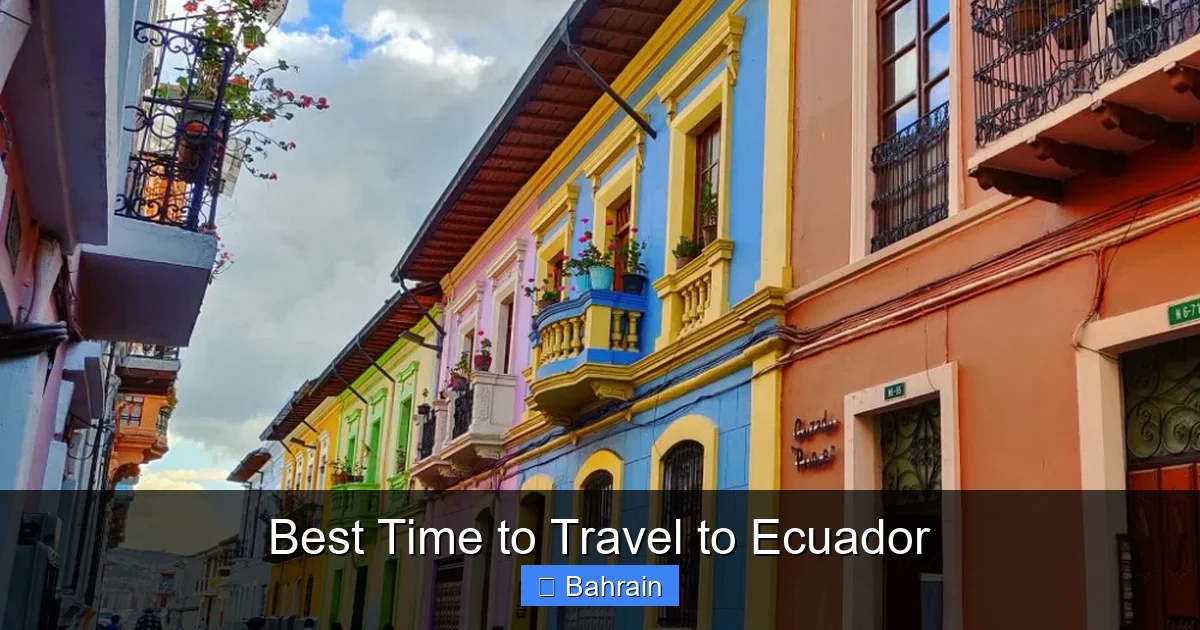
Best Time to Travel to Ecuador
Planning your dream trip to Ecuador means understanding its diverse climates. While the Galápagos Islands often shine from June to December for marine life, the Andes prefer dry seasons for hiking. The Amazon offers unique experiences in both high and low water, and the Pacific Coast invites sun-seekers from December to May. Your ideal travel time truly depends on which incredible region you wish to explore!
Best Time to Travel to Ecuador
Hey there, fellow adventurer! Are you dreaming of towering Andean peaks, pristine Galápagos beaches, lush Amazon rainforests, or vibrant Pacific coastlines? Ecuador, a small country packed with immense biodiversity and cultural richness, truly is a traveler’s paradise. But here’s the million-dollar question: when is the best time to travel to Ecuador to make sure you get the most out of your once-in-a-lifetime trip?
Well, unlike many destinations with distinct spring, summer, autumn, and winter, Ecuador, being right on the equator, has a more nuanced climate. Instead of seasons defined by temperature swings, you’ll find variations primarily in rainfall and sunlight. This means that the “best time to travel to Ecuador” isn’t a single answer; it really depends on where you want to go and what you want to do! Let’s dive deep into Ecuador’s fascinating weather patterns and help you plan your perfect journey.
Key Takeaways
- Ecuador has Diverse Microclimates: Due to its equatorial location and varied topography (Andes, Coast, Amazon, Galápagos), Ecuador doesn’t have traditional four seasons. The “best” time depends heavily on the specific region you plan to visit.
- Galápagos Islands: Consistent but Varied: The Galápagos are a year-round destination, but the dry season (June-December) offers cooler temperatures and clearer waters for snorkeling, while the wet season (January-May) brings warmer weather and lush landscapes, ideal for observing land animals.
- Andean Highlands (Quito, Cuenca): Drier for Hiking: For exploring cities and trekking in the Andes, the dry season from June to September (or December to February) is generally preferred, offering sunnier days and less rain, making outdoor activities more enjoyable.
- Pacific Coast (Beaches): Sunny Season is Key: The best time for beach lovers on Ecuador’s coast is typically from December to May, when the weather is sunnier, hotter, and humidity is higher. June to November can be cloudier and cooler, though still pleasant.
- Amazon Rainforest: High vs. Low Water: Both high water (February-May) and low water (September-December) seasons offer distinct Amazon experiences. High water allows deeper river exploration, while low water concentrates wildlife around main riverbeds, potentially making spotting easier.
- Shoulder Seasons Offer Value: Traveling during shoulder seasons (e.g., April-May or October-November outside of major holidays) can provide a good balance of pleasant weather, fewer crowds, and potentially better prices for flights and accommodations.
- Consider Festivals and Events: Timing your visit with local festivals like Inti Raymi (June) or Carnaval (February/March) can enrich your cultural experience, but may also mean higher prices and more crowds in specific areas.
Quick Answers to Common Questions
Is Ecuador a good place to visit in December?
Yes, December is generally an excellent time to visit Ecuador. It’s part of the dry season in the Andes, offering clear skies for hiking and sightseeing. On the Pacific Coast, it marks the start of the sunny, hot season perfect for beaches. It’s also within the dry season for the Galápagos Islands.
What is the hottest month in Ecuador?
Generally, the hottest months in Ecuador are from January to May, especially along the Pacific Coast and in the Amazon rainforest. During this period, the coastal regions experience their peak summer with high temperatures and humidity.
Are the Galápagos Islands always warm?
The Galápagos Islands have two main seasons: a warm and wet season (January to May) with air temperatures around 26-30°C, and a cooler, drier season (June to December) with air temperatures around 22-26°C. So, while generally mild to warm, they aren’t always consistently hot.
Is it expensive to travel to Ecuador?
Ecuador can be quite affordable for travelers, especially compared to other South American destinations, though the Galápagos Islands are a notable exception and can be significantly more expensive due to their remote location and conservation efforts. Mainland travel offers good value for accommodations, food, and transport.
Do I need a visa to travel to Ecuador?
Most tourists from countries like the USA, Canada, UK, Australia, and EU member states do not require a visa for stays up to 90 days. However, it’s always best to check the latest visa requirements with the Ecuadorian embassy or consulate in your country before traveling.
📑 Table of Contents
Understanding Ecuador’s Diverse Climates
Ecuador is wonderfully diverse, split into four distinct geographical regions, each with its own microclimate. To truly understand the best time to travel to Ecuador, we need to look at each of these unique zones: the Andes, the Pacific Coast, the Amazon Rainforest, and the Galápagos Islands. Forget traditional seasons; here, it’s all about wet versus dry periods, which can vary wildly from one region to another, even within the same month!
The Andean Highlands (Sierra)
Imagine rolling green hills, majestic volcanoes, and bustling cities like Quito and Cuenca. The Andes region experiences two main “seasons”: a dry season and a wet season. The dry season, often called summer, runs roughly from June to September and then again from December to February. During these months, you’ll generally find sunnier days, clearer skies, and cooler nights, making it perfect for hiking and sightseeing. The wet season, or winter, typically occurs from October to November and March to May. While it’s called “wet,” it often means sunny mornings followed by afternoon showers, not constant downpours. Temperatures in the Andes are fairly consistent year-round, ranging from cool to mild, rarely getting extremely hot or cold due to the altitude.
The Pacific Coast (La Costa)
If golden beaches, surfing, and fresh seafood are calling your name, the Pacific Coast is where you’ll want to be. This region experiences a hot and humid rainy season from December to May. Don’t let the “rainy” part scare you off too much – it often means heavy afternoon downpours that quickly clear, leaving behind lush, green landscapes and vibrant sunshine. This is also the hottest time of year. The dry season, from June to November, is cooler, cloudier, and less humid. While there’s less rain, you might experience more overcast days, sometimes called the “garúa” season, especially in the southern parts.
The Amazon Rainforest (El Oriente)
For an unforgettable wildlife adventure, the Amazon is a must-visit. The rainforest, as you might expect, is wet year-round. However, it also has periods of relatively higher and lower rainfall. Generally, the “wettest” months are from February to May, and the “drier” months are from September to December. But keep in mind, “drier” in the Amazon still means rain! Temperatures here are consistently hot and humid throughout the year. The differences in water levels can significantly impact your experience, from river navigation to wildlife spotting.
The Galápagos Islands
Ah, the legendary Galápagos! These islands, about 1,000 km off the coast, have their own distinct weather patterns. They generally experience two main seasons: a warm and wet season (January to May) and a cooler and drier season (June to December). During the warm season, skies are often clearer, temperatures are higher both on land and in the water, and there are occasional heavy showers. The cooler season brings the “garúa” mist, cooler air and water temperatures, and often cloudier skies. However, marine life thrives year-round, just with different animals being more active at different times.
Best Time to Travel to the Galápagos Islands
Visual guide about Best Time to Travel to Ecuador
Image source: i.pinimg.com
When people ask about the best time to travel to Ecuador, the Galápagos Islands often come up first! The good news is that the Galápagos are a fantastic destination any time of year. However, depending on your preferences for weather, water temperature, and specific wildlife encounters, certain months might be slightly better for you.
Dry Season (June to December)
This period is often considered the “peak” season for many visitors. You’ll find cooler air temperatures (around 22-26°C or 72-79°F) and cooler water temperatures (around 20-24°C or 68-75°F). The Humboldt Current brings nutrient-rich waters, which means incredible marine activity. This is an excellent time for snorkeling and diving, as the cooler waters can lead to clearer visibility and a higher concentration of marine life, including penguins, sea lions, and various fish. Land birds are also more active, with blue-footed boobies beginning their courtship rituals. Skies can be overcast, especially in the mornings, with the characteristic “garúa” mist. If you’re sensitive to heat, this might be your preferred time.
Wet Season (January to May)
The warm and wet season brings higher air temperatures (around 26-30°C or 79-86°F) and warmer water temperatures (around 24-27°C or 75-81°F). The islands become greener and more lush, making for beautiful landscapes. This period is ideal for observing land animals, as many species, like marine iguanas and land iguanas, are nesting and breeding. Giant tortoises are also very active. While there are more showers, they tend to be short, heavy bursts, often in the afternoon, leaving plenty of sunshine. The seas are generally calmer during this period, which can be a plus if you’re prone to seasickness. Visibility for snorkeling can still be excellent, though sometimes plankton blooms in warmer waters can reduce it slightly.
What About Marine Life?
It’s important to stress that marine life is abundant year-round in the Galápagos.
– **January-May (Warm Season):** Good for green sea turtles nesting, land iguanas breeding, marine iguanas displaying vibrant colors, and waved albatrosses beginning to arrive.
– **June-December (Cool Season):** Fantastic for blue-footed boobies nesting, flightless cormorants displaying, penguins and sea lions more active in the cooler waters, and migratory whales and dolphins passing through.
So, for the Galápagos, the best time to travel to Ecuador truly depends on whether you prefer warmer waters and land animal activity or cooler waters and prime marine viewing. Both seasons offer incredible experiences!
Exploring the Andean Highlands: Quito, Cuenca, and Volcanoes
The majestic Andes are the backbone of Ecuador, home to vibrant cities, ancient cultures, and breathtaking volcanic landscapes. If your travel dreams involve exploring colonial architecture, hiking to stunning viewpoints, or trekking active volcanoes, timing your visit for the dry season is generally the best.
Ideal Months for Hiking and Sightseeing
The dry season in the Andes runs from **June to September** and again from **December to February**. These months offer the most reliable sunny days, clearer skies, and less chance of afternoon rain.
– **June to September:** This is widely considered one of the best times to travel to Ecuador’s highlands. The weather is generally crisp and clear, perfect for exploring Quito’s historic center, visiting artisan markets in Otavalo, or embarking on multi-day treks like the Quilotoa Loop. Volcano climbing, especially to peaks like Cotopaxi or Chimborazo, is also best attempted during these months when conditions are more stable. Evenings can be chilly, so pack layers!
– **December to February:** This period also offers relatively dry conditions, especially around the Christmas and New Year holidays. It’s a great time for cultural immersion in cities like Cuenca, known for its beautiful architecture and vibrant arts scene. While there might be occasional showers, they are usually brief. This period can also coincide with school holidays, so some popular spots might be busier.
Avoiding the Peak Rains
The wet season in the Andes typically falls from **October to November** and **March to May**. During these months, you can expect more frequent rainfall, often in the afternoons. While the mornings can still be beautiful and sunny, the increased moisture can make hiking trails muddier and obscure volcanic views with clouds. If your priority is outdoor adventures like extensive trekking or volcano climbing, you might want to avoid these periods. However, the wet season also brings a lush green landscape and fewer tourists, which can be appealing for some travelers. Prices might also be slightly lower during these shoulder months.
Discovering the Pacific Coast: Beaches and Surfing
For those craving sun-drenched beaches, crashing waves, and a laid-back vibe, Ecuador’s Pacific Coast is a true gem. From the surfing mecca of Montañita to the whale-watching paradise of Puerto López, this region offers a different kind of adventure. The best time to travel to Ecuador’s coast largely depends on whether you’re chasing the sun or seeking marine wildlife.
Sunny Season vs. Cloudy Season
The prime time for beach lovers is during the **hot and humid rainy season, from December to May**.
– **December to May:** This is when the sun makes its most frequent appearances. Despite being called the “rainy season,” the rain typically comes in short, heavy bursts, often in the late afternoon or evening, leaving plenty of bright, sunny hours for swimming, sunbathing, and surfing. Temperatures are at their highest, and the ocean water is wonderfully warm, making it perfect for a dip. The landscape also becomes incredibly green and vibrant during this time. Resorts are bustling, especially around national holidays like Carnaval (February/March) and Easter. If your idea of the best time to travel to Ecuador involves endless beach days, this is your window.
– **June to November:** This period is the “dry season” or “garúa season.” While there’s less rain, skies are often overcast, especially in the morning, with a fine mist or “garúa.” Temperatures are cooler (though still pleasant), and the humidity drops. The ocean can also be a bit choppier and cooler. While you’ll still get sunny breaks, it’s not the consistently clear, hot weather of the other months. This season can be great if you prefer milder temperatures for exploring coastal towns or just relaxing without intense heat. You’ll also find fewer crowds and potentially better deals.
Whale Watching Opportunities
One of the most spectacular attractions on the Pacific Coast is whale watching. Humpback whales migrate from Antarctica to the warmer equatorial waters to breed and calve. The whale watching season typically runs from **June to October**, with peak sightings in July and August. So, if seeing these magnificent creatures breach is high on your list, then visiting during the cooler, cloudier dry season on the coast would be the best time to travel to Ecuador for you. Puerto López, home to Machalilla National Park, is the primary hub for these tours.
Venturing into the Amazon Rainforest
The Ecuadorian Amazon, or El Oriente, is a world unto itself – a symphony of sounds, a kaleidoscope of greens, and a hotbed of biodiversity. Visiting the rainforest is an immersive experience, and while it’s wet year-round, understanding the nuances of its “seasons” can enhance your adventure.
High Water Season vs. Low Water Season
The Amazon doesn’t have a distinct dry or wet season in the same way other regions do; rather, it experiences periods of relatively higher or lower rainfall, which directly impacts river levels.
– **High Water Season (February to May):** During these months, rainfall is generally higher, leading to elevated river and tributary levels. This can be fantastic for exploring deeper into the rainforest by canoe or kayak, allowing access to areas that might be inaccessible during lower water. Wildlife, especially monkeys and birds, might be found higher up in the canopy, and some animals may spread out more due to increased flooded forest areas. Mosquito activity can sometimes be higher during this period.
– **Low Water Season (September to December):** This period sees less rainfall, leading to lower river levels. While you might not be able to navigate as deep into some smaller tributaries, lower water levels often concentrate wildlife around the main riverbanks and accessible water sources. This can sometimes make spotting caimans, capybaras, and larger mammals easier. Hiking trails might also be less muddy and more accessible. Temperatures remain consistently hot and humid throughout both seasons.
Wildlife Spotting Tips
Regardless of the season, a successful Amazon trip relies heavily on your guide’s expertise and a bit of luck. Early mornings and late afternoons are generally the best times for wildlife viewing. The choice between high and low water season often comes down to personal preference for exploration style: deeper canoe trips versus potentially more concentrated wildlife viewing from riverbanks. The best time to travel to Ecuador’s Amazon for you might be when you can balance river exploration with land walks effectively.
Seasonal Events and Festivals to Consider
Beyond weather, cultural events can significantly enrich your travel experience. Ecuador boasts a vibrant calendar of festivals that can be a major draw for visitors. Timing your trip with these celebrations can offer unique insights into Ecuadorian culture, though it might also mean larger crowds and higher prices in specific areas.
Major Festivals and Their Seasons
– **Carnaval (February/March):** A lively pre-Lent celebration, particularly vibrant in coastal cities like Guayaquil and inland in Ambato (known for its Flower and Fruit Festival). Expect water fights, parades, and lots of local cheer. If you’re looking for a party, this is the best time to travel to Ecuador.
– **Semana Santa (Easter Week – March/April):** A deeply religious observance across the country, with solemn processions in Quito and other cities. Accommodation can be booked up and prices higher.
– **Inti Raymi (Festival of the Sun – June):** This ancient Inca festival celebrates the winter solstice and harvest. Indigenous communities, especially in the Andes (e.g., Otavalo, Cotacachi), celebrate with colorful dances, music, and rituals. It’s a powerful cultural experience during the Andean dry season.
– **Fiestas de Guayaquil (July):** Celebrates the city’s founding with parades, music, and street parties.
– **Independence Day (August 10th):** National holiday with celebrations, particularly in Quito.
– **Día de los Difuntos (Day of the Dead – November 2nd):** A significant cultural holiday where families honor deceased loved ones. Visit cemeteries to witness unique traditions and try “colada morada” (a purple fruit drink) and “guaguas de pan” (bread babies).
– **Christmas and New Year (December):** Cities like Quito and Cuenca light up with festive decorations. Many Ecuadorians travel during these weeks, leading to crowded buses and higher prices. New Year’s Eve, with its burning effigies (“años viejos”), is a truly unique spectacle.
Avoiding or Embracing Peak Tourist Seasons
The peak tourist seasons often align with major holidays and the “best” weather windows for popular regions. For instance, the Galápagos are popular year-round, but demand can surge during Christmas, New Year, and summer holidays (June-August). Similarly, the Andean dry seasons can see more visitors. If you prefer fewer crowds and potentially lower prices, consider traveling during the shoulder seasons (e.g., April-May or October-November) when the weather is still pleasant but not at its absolute prime, and major holidays aren’t impacting travel too much. This can be a smart strategy to find the best time to travel to Ecuador that suits your budget and crowd-aversion.
Conclusion
So, what’s the verdict on the best time to travel to Ecuador? As you’ve seen, there’s no single “right” answer. Ecuador’s incredible geographic diversity means that the ideal time for your visit truly hinges on your specific interests and the regions you plan to explore.
If your heart is set on **Galápagos marine life**, the cool, dry season (June-December) might be perfect, while land animal enthusiasts might prefer the warm, wet season (January-May). For **Andean trekking and city exploration**, aim for the dry months of June to September or December to February. Beach lovers will find the **Pacific Coast** at its sunniest from December to May, and if **whale watching** is a must, plan for June to October. The **Amazon** offers unique experiences during both high and low water, each with its own advantages for wildlife viewing.
Consider a mix-and-match approach! Perhaps combining the Galápagos with the Andean dry season in July, or enjoying the coastal sunshine with some Amazon exploration in March. Regardless of when you choose to visit, Ecuador promises an unforgettable adventure filled with natural wonders, vibrant culture, and warm hospitality. Pack layers, embrace the unexpected, and get ready to discover why Ecuador truly is a world in itself!
Frequently Asked Questions
What is the best time to visit Quito?
The best time to visit Quito, located in the Andean Highlands, is during its dry season, from June to September or December to February. These months offer sunnier days, clearer skies, and cooler temperatures, perfect for exploring the historic city center and enjoying views of surrounding volcanoes.
When is the best time for whale watching on Ecuador’s coast?
The best time for whale watching on Ecuador’s Pacific Coast, particularly from Puerto López, is from June to October. During these months, humpback whales migrate to the warmer waters off the coast to breed and calve, with peak sightings usually occurring in July and August.
Is the Amazon Rainforest too rainy to visit at certain times?
The Amazon Rainforest is wet year-round, so you should always expect rain. However, the “drier” months (September to December) typically have less intense and frequent rainfall compared to the “wetter” months (February to May), which can influence river levels and wildlife spotting opportunities.
When should I avoid traveling to Ecuador?
There isn’t a universally “bad” time to travel to Ecuador, as different regions have different peak seasons. However, if you dislike crowds and higher prices, you might want to avoid major holiday periods like Christmas, New Year, and Easter, especially in popular tourist destinations.
What are the benefits of traveling during Ecuador’s shoulder seasons?
Traveling during shoulder seasons, such as April-May or October-November, can offer several benefits. You’ll often find fewer crowds, potentially lower prices for flights and accommodations, and still enjoy generally pleasant weather, though you might experience a mix of sunshine and rain.
How does El Niño affect travel to Ecuador?
El Niño is a climate pattern that can bring warmer temperatures and significantly increased rainfall, particularly to Ecuador’s Pacific Coast and sometimes the Galápagos. While not an annual occurrence, a strong El Niño event can lead to flooding, disrupted travel, and changes in marine ecosystems, so it’s worth checking forecasts if one is anticipated during your travel dates.