Best Time to Travel to Cayman Islands
The best time to travel to the Cayman Islands for most visitors is during the dry season, from December to April, offering glorious sunshine, low humidity, and pleasant temperatures. While this period is also the busiest and most expensive, it guarantees ideal conditions for beach relaxation and water activities. Alternatively, the shoulder seasons or early wet season can offer better value and fewer crowds, provided you’re prepared for occasional rain and potential hurricane risks later in the year.
Ah, the Cayman Islands! Just uttering the name conjures images of pristine white-sand beaches, crystal-clear turquoise waters, and a laid-back Caribbean vibe that instantly melts away your worries. This British Overseas Territory, a trio of islands nestled in the western Caribbean Sea, is a dream destination for sun-seekers, diving enthusiasts, and anyone looking to escape the ordinary. Grand Cayman, the largest, is famed for its Seven Mile Beach, Stingray City, and vibrant culinary scene, while the smaller Cayman Brac and Little Cayman offer a tranquil retreat with world-class diving and untouched natural beauty.
But when exactly is the “best time” to pack your bags and jet off to this tropical paradise? That’s the million-dollar question, and frankly, there’s no single, one-size-fits-all answer. The ideal time to travel to the Cayman Islands truly depends on what you’re hoping to get out of your vacation. Are you chasing endless sunshine and lively events? Or perhaps you’re a budget-conscious traveler seeking solitude and great deals? Maybe you’re a diver fixated on perfect visibility, or a family planning around school holidays. Whatever your priority, understanding the nuances of the Cayman Islands’ climate, crowd levels, and event calendar is key to planning your perfect getaway.
In this comprehensive guide, we’ll break down everything you need to know about the seasons, weather patterns, and specific considerations to help you determine your personal best time to travel to the Cayman Islands. So, let’s dive in and uncover the secrets to an unforgettable Caymanian adventure!
Key Takeaways
- Dry Season (December – April) is Peak: This is generally considered the best time to travel to the Cayman Islands for optimal weather, with sunny skies, low humidity, and comfortable temperatures, perfect for all activities.
- Wet Season (May – November) Offers Value: If you’re looking for fewer crowds and lower prices, the wet season can be appealing, especially its early months (May-June). Be prepared for higher humidity and potential rainfall.
- Hurricane Season Awareness is Key: The official hurricane season runs from June 1st to November 30th. While direct hits are rare, travel insurance and flexibility are highly recommended if visiting during these months.
- Shoulder Seasons Provide Balance: Late April, May, and early December offer a sweet spot, balancing good weather with fewer crowds and more reasonable prices compared to peak season.
- Consider Your Priorities: The “best” time truly depends on your preferences. Prioritize pristine weather and vibrant events? Choose the dry season. Prefer budget-friendly quiet? Aim for the wet season.
- Diving and Snorkeling are Great Year-Round: The Cayman Islands boast excellent visibility and warm waters throughout the year, making it a fantastic destination for underwater enthusiasts regardless of the season, though winter months can have slightly cooler water.
- Book in Advance for Peak Travel: If you plan to visit during the dry season, especially around holidays, secure your flights and accommodations well in advance to avoid disappointment and higher last-minute costs.
Quick Answers to Common Questions
What is the absolute best month for weather in the Cayman Islands?
January to March typically offers the most ideal weather, with consistent sunshine, low humidity, and comfortable temperatures perfect for all activities.
When is hurricane season in the Cayman Islands?
The official Atlantic hurricane season runs from June 1st to November 30th, with the highest risk from mid-August through October.
Can I find good deals on travel to the Cayman Islands?
Yes, the wet season (May to November), especially from August to October, offers significantly lower prices on flights and accommodations compared to the peak dry season.
Is diving good year-round in the Cayman Islands?
Absolutely! The Cayman Islands boast excellent water visibility and warm temperatures throughout the year, making it a world-class diving destination regardless of the month.
When are the Cayman Islands most crowded?
The islands are most crowded during the peak dry season, specifically from late December through April, especially around major holidays like Christmas, New Year’s, and Easter.
📑 Table of Contents
Understanding the Cayman Islands Seasons
Like many Caribbean destinations, the Cayman Islands experience two main seasons: the dry season and the wet season. Each brings its own set of characteristics, influencing everything from the weather you’ll encounter to the prices you’ll pay and the number of fellow tourists you’ll share the beaches with.
The Dry Season (December to April)
This is undeniably the peak tourist season and for good reason. If you’re looking for the absolute best weather, this is the best time to travel to the Cayman Islands. Expect glorious sunshine, minimal rainfall, low humidity, and comfortable temperatures ranging from the mid-70s to low-80s Fahrenheit (24-28°C). The evenings are pleasantly cool, perfect for al fresco dining without feeling sticky.
Pros:
- Perfect Weather: Consistently sunny, dry, and less humid. Ideal for beach days, water sports, and outdoor excursions.
- Comfortable Temperatures: Warm enough for swimming and sunbathing, but not excessively hot.
- Low Chance of Rain: You’re highly unlikely to have your plans washed out by prolonged downpours.
- Vibrant Atmosphere: Resorts, restaurants, and attractions are fully operational and buzzing with activity.
- Escape the Cold: A popular escape for those in colder climates, particularly North America and Europe.
Cons:
- Higher Prices: Accommodation, flights, and even some activities can be significantly more expensive. This is the busiest time for tourism.
- Larger Crowds: Beaches, popular attractions like Stingray City, and restaurants will be more crowded. Booking well in advance is essential.
- Less Availability: Popular hotels and excursions can book up quickly, especially during holiday periods like Christmas, New Year’s, and Easter.
If your priority is perfect weather and you don’t mind paying a premium and sharing the island with more people, the dry season is certainly the best time to travel to the Cayman Islands for you.
The Wet Season (May to November)
Often referred to as the “off-season” or “green season,” this period sees higher humidity, warmer temperatures, and an increased chance of rainfall. It also coincides with the Atlantic hurricane season. Don’t let the name “wet season” deter you entirely, though! Rain often comes in short, heavy bursts, typically in the late afternoon, followed quickly by sunshine. Long, continuous downpours are less common, especially outside of a tropical storm system.
Pros:
- Lower Prices: A significant drop in accommodation and flight costs. Great for budget-conscious travelers.
- Fewer Crowds: Enjoy more space on the beaches and at attractions. A more tranquil and authentic experience.
- Lush Greenery: The increased rain keeps the islands vibrant and green.
- Warm Water: Ocean temperatures are even warmer, perfect for swimming and snorkeling.
- Good Visibility for Diving: Often excellent underwater visibility, though rain can occasionally stir up sediment near shore.
Cons:
- Higher Humidity and Heat: Temperatures can reach the high 80s and low 90s Fahrenheit (30-34°C) with significant humidity, which can feel oppressive to some.
- Increased Rainfall: While often brief, daily showers are more common.
- Hurricane Risk: This is the official hurricane season, with the highest risk from August to October.
- Some Closures: A few smaller establishments might close for renovation or vacation during the slowest months.
For those prioritizing affordability and fewer people, and who are willing to risk a little rain or monitor hurricane forecasts, certain parts of the wet season can still be a fantastic time to travel to the Cayman Islands.
Weather Wisdom: What to Expect Month-by-Month
Let’s get a bit more granular. While the two main seasons give a broad overview, understanding monthly variations can fine-tune your decision on the best time to travel to the Cayman Islands.
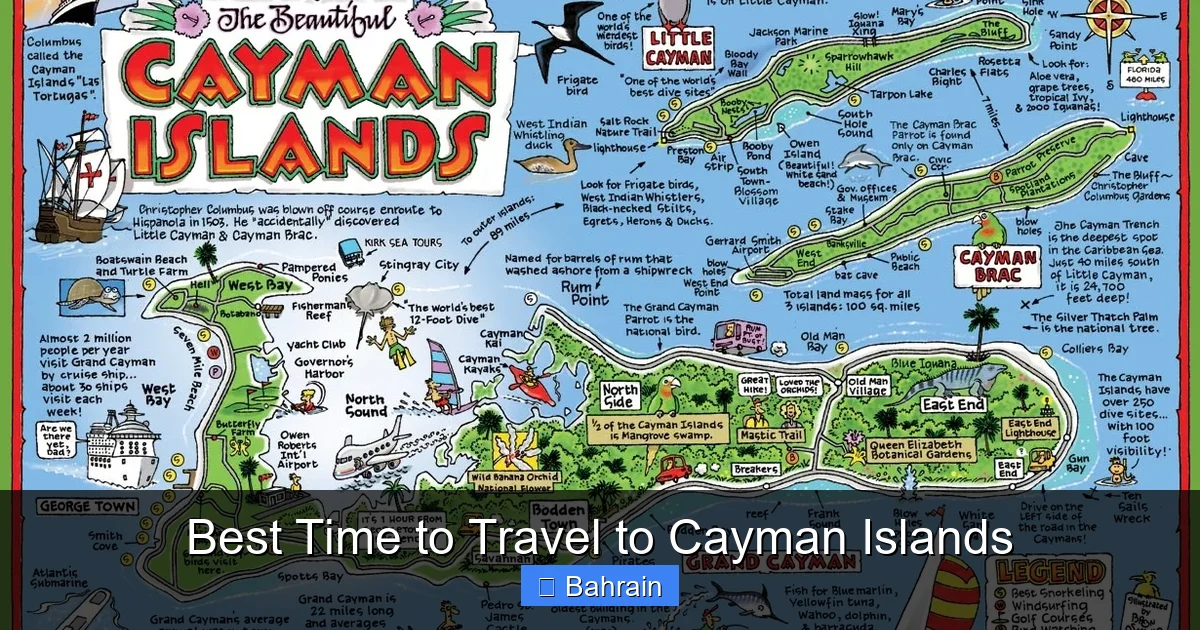
Visual guide about Best Time to Travel to Cayman Islands
Image source: ontheworldmap.com
Peak Dry Season (January – March)
These months offer the most consistently beautiful weather. Think endless sunny days, low humidity, and refreshing sea breezes. Daily highs average around 79-82°F (26-28°C), and nights are comfortably cool. This is prime time for all outdoor activities, from diving and snorkeling to beach lounging and exploring. It’s also the busiest and most expensive period, especially around major holidays and school breaks.
Practical Tip: If planning to visit in January, February, or March, book flights and accommodation 6-12 months in advance, particularly for popular resorts on Seven Mile Beach.
Shoulder Seasons (April – May & November – early December)
These periods offer a fantastic compromise and are often considered the “sweet spot” for many travelers. You get a taste of the dry season’s great weather with fewer crowds and better prices.
April and May: The weather is still excellent, with temperatures slowly rising into the mid-80s F (29-30°C). Humidity remains relatively low, but rain chances start to increase slightly towards May. Easter holidays can bring a mini-peak, but generally, it’s quieter than the preceding months. Many consider April and May among the best time to travel to the Cayman Islands for a balance of good weather and value.
November and Early December: As the wet season winds down and before the festive rush begins, these months offer pleasant weather, usually in the low 80s F (27-28°C), with decreasing humidity and rainfall. Hurricane risk significantly diminishes by November. It’s a great time to snag some pre-holiday deals and enjoy a quieter island before the peak season crowds arrive.
Mid-Wet Season (June – October)
These are the hottest, most humid, and wettest months, and they fall squarely within hurricane season. Temperatures hover in the high 80s to low 90s F (31-34°C), and humidity can be stifling. Expect daily afternoon showers, which can be heavy but typically short-lived.
June and July: Still relatively popular due to summer school holidays, but you’ll notice fewer international visitors compared to the dry season. The hurricane risk is present but generally lower than later in the season. You can find some excellent deals during these months.
August, September, and October: These are the quietest and most challenging months due to the highest risk of tropical storms and hurricanes. Many resorts offer “hurricane guarantees” (which means if a hurricane impacts your trip, you get a refund or free rebooking), and prices are at their lowest. If you’re flexible, have travel insurance, and are a serious bargain hunter, this could be the best time to travel to the Cayman Islands for savings, but be prepared for potential weather disruptions.
Navigating Crowds and Costs
Your budget and tolerance for crowds will heavily influence your decision on the best time to travel to the Cayman Islands.
High Season (December – April)
During these months, especially over Christmas, New Year’s, and Easter, the Cayman Islands truly buzz with activity. Seven Mile Beach will be lively, restaurants will require reservations, and popular excursions will be fully booked. Prices for everything, from flights and hotels to car rentals and tours, are at their absolute highest. Expect premium rates and be prepared to book months, or even a year, in advance, particularly if you have specific dates or accommodations in mind.
Practical Tip: If traveling during high season, consider staying in a condo or villa, which can sometimes offer more value for families or longer stays compared to hotels, though they too will command peak rates.
Low Season (June – October)
This is when you’ll find the best deals. Accommodation rates can drop by 20-50% compared to peak season, and you might find more flexible booking options. Flights also tend to be cheaper. The islands are noticeably quieter, offering a more serene experience. You’ll often feel like you have entire stretches of beach to yourself.
Practical Tip: When booking during low season, look for packages that include extras like resort credits or complimentary breakfast. Always check if a resort has a “hurricane guarantee” for peace of mind.
Shoulder Seasons (May & November)
These months strike a fantastic balance. You’ll typically find better prices than the high season, though not as low as the absolute nadir of the wet season. Crowds are significantly reduced from the peak, but most establishments are still fully open and operational. This is often recommended as the best time to travel to the Cayman Islands for those seeking a balance of good weather, reasonable prices, and manageable crowd levels.
Practical Tip: Consider May for a pre-summer escape or November for a pre-holiday refresh. You’ll get to enjoy the islands without the intense hustle and bustle.
Events and Activities: Timing Your Visit for Fun
Beyond weather and costs, specific events and activities might dictate the best time to travel to the Cayman Islands for you.
Annual Festivals and Celebrations
- Pirates Week Festival (November): This is arguably the Cayman Islands’ most exciting cultural event. A multi-day national festival celebrating the islands’ pirate heritage, it features mock pirate invasions, parades, street dances, costume parties, and fireworks. If you love vibrant cultural experiences, late November is the best time to travel to the Cayman Islands.
- Cayman Carnival Batabano (April/May): A lively Caribbean carnival with colorful costumes, street parades, music, and dancing. It’s a fantastic display of island culture and energy, typically held in late April or early May.
- Taste of Cayman Food & Wine Festival (January): A premier culinary event showcasing the islands’ diverse cuisine, from local dishes to international gourmet delights. Foodies should target January.
- Jazz Fest (December): A popular music festival bringing international and local jazz artists to the island, often held in early December.
Diving and Snorkeling
The Cayman Islands are renowned as one of the world’s top diving destinations, and thankfully, the water conditions are excellent year-round. Water temperatures range from 78°F (25°C) in winter to 86°F (30°C) in summer. Visibility is consistently superb, often exceeding 100 feet (30 meters). So, any time is a great time for diving! However, some divers prefer the slightly cooler water and potentially calmer seas of the dry season, while others enjoy the even warmer water of the wet season.
Fishing Tournaments
If you’re an avid angler, several big game fishing tournaments take place during the summer months, typically between May and October. These events attract fishermen from around the globe, competing for prize money and bragging rights. Specific dates vary each year, so check local fishing calendars.
Family Travel Considerations
Families with school-aged children often have less flexibility, usually tied to school breaks. The dry season (especially around Christmas, Easter, and Spring Break) aligns perfectly with these breaks, offering ideal weather for family beach days and water parks. The downside, as mentioned, is the higher cost and larger crowds. If you can travel during early summer (June) or late summer (August), you might find better deals and fewer people while still enjoying warm weather, though with increased humidity and rain chances.
Hurricane Season in the Caribbean: What You Need to Know
The Atlantic hurricane season runs officially from June 1st to November 30th. For many, the idea of traveling during this period raises concerns, and it’s certainly something to be aware of when considering the best time to travel to the Cayman Islands.
Dates and Risk Level
While the season spans half the year, the highest risk for tropical storms and hurricanes in the Cayman Islands is typically from mid-August through October. During this period, sea temperatures are at their warmest, providing fuel for storm development.
Risk vs. Reality
It’s important to put the risk into perspective. The chances of a direct hit on the Cayman Islands by a major hurricane are statistically low in any given year. The islands have a sophisticated early warning system, and local authorities are very efficient in preparing and communicating with residents and visitors. Most storms track north or south of the islands.
What’s more likely is experiencing some indirect effects, such as a few days of heavy rain, strong winds, or rough seas due to a distant storm system. These can disrupt travel plans and water activities but don’t necessarily equate to a full-blown hurricane.
Travel Insurance and Flexibility
If you choose to travel during hurricane season, comprehensive travel insurance is non-negotiable. Ensure your policy covers trip cancellations, interruptions, and medical emergencies specifically related to weather events. Many resorts also offer “hurricane guarantees,” allowing you to rebook or receive a refund if a hurricane disrupts your stay. It’s also wise to have some flexibility in your travel dates if possible.
Monitoring Weather Updates
Stay informed! Before and during your trip, keep an eye on official weather forecasts from reliable sources like the National Hurricane Center (NHC) and local Cayman Islands weather services. Being prepared means you can make informed decisions and react quickly if a storm threatens.
Your Perfect Cayman Experience: Matching Time to Preference
Ultimately, the best time to travel to the Cayman Islands is personal. Let’s summarize based on common traveler profiles:
For Sun Worshippers & Families Seeking Perfect Weather: Dry Season (December – April)
If your absolute priority is guaranteed sunshine, low humidity, and comfortable temperatures for beach relaxation and outdoor activities, and you don’t mind the higher costs and crowds, then the dry season is unequivocally your best bet. Book early, especially for holiday periods!
For Budget Travelers & Solitude Seekers: Early Wet Season (May – June) or Late Wet Season (November)
If saving money and avoiding crowds are your main drivers, consider the shoulder months of May or November. You’ll still enjoy plenty of sunshine, but with the added bonus of better deals and a more relaxed atmosphere. Even early June can be good before the peak hurricane risk truly sets in.
For Divers & Water Sports Enthusiasts: Year-Round (with minor preferences)
With consistently warm water and excellent visibility, the Cayman Islands are a diver’s paradise 365 days a year. Winter (dry season) offers slightly cooler water temperatures (meaning a wetsuit might feel more comfortable for some), while summer (wet season) brings warmer waters. Wind conditions can vary, but generally, dive operators are skilled at finding calm sites.
For Event Goers & Cultural Explorers: Specific Festival Dates
If attending a specific event like Pirates Week (November) or Batabano (April/May) is your primary goal, then plan your trip around those dates, regardless of the season. Be aware that hotel prices might spike around these events, even if they fall outside the traditional peak tourist season.
For the Adventurous & Flexible (and Insured!): Peak Hurricane Season (August – October)
For those who thrive on spontaneity, are on a very tight budget, and have comprehensive travel insurance, visiting during the height of hurricane season can yield incredible deals and an incredibly quiet island. Just be prepared for potential weather changes and the need for flexibility.
Conclusion
The Cayman Islands truly offer something for everyone, and this stunning destination holds its charm throughout the year. While the dry season from December to April stands out for its picture-perfect weather, don’t discount the value and tranquility that the wet season or shoulder months can provide. Your ideal best time to travel to the Cayman Islands ultimately comes down to your personal preferences for weather, budget, crowd levels, and specific activities.
No matter when you choose to visit, a trip to the Cayman Islands promises unforgettable memories, from swimming with stingrays to exploring vibrant coral reefs, indulging in delicious cuisine, and simply soaking up the sun on a world-class beach. So, weigh your priorities, do a little planning, and get ready to experience the magic of the Cayman Islands on your terms!
Frequently Asked Questions
What are the average temperatures during the dry season?
During the dry season (December to April), average daily temperatures in the Cayman Islands range from the mid-70s to low-80s Fahrenheit (24-28°C). Nights are pleasantly cool, making it very comfortable for both daytime activities and evening outings.
How often does it rain during the wet season?
During the wet season (May to November), rain is more frequent, but it typically comes in short, heavy tropical downpours, often in the late afternoon. These showers are usually quickly followed by sunshine, and it’s rare for an entire day to be completely washed out, unless a larger weather system is present.
Should I buy travel insurance if visiting during hurricane season?
Yes, absolutely. If you plan to visit the Cayman Islands during the official hurricane season (June to November), comprehensive travel insurance is highly recommended. Ensure it covers trip cancellations, interruptions, and medical emergencies due to weather events for peace of mind.
Are there any major events in the Cayman Islands during the off-season?
Yes, even during the off-season, the Cayman Islands host notable events. For instance, the Pirates Week Festival takes place in November, and various fishing tournaments occur throughout the summer months. It’s worth checking the local event calendar to align your visit with specific festivities.
Is it safe to travel to the Cayman Islands?
The Cayman Islands are generally considered a very safe destination with a low crime rate compared to many other Caribbean islands. Standard travel precautions should always be observed, but visitors typically experience a very secure and welcoming environment, making it a popular choice for families and solo travelers alike.
What are the water temperatures like for swimming and snorkeling?
The ocean water in the Cayman Islands is wonderfully warm year-round, making it perfect for swimming and snorkeling. Temperatures generally range from around 78°F (25°C) in the cooler winter months to a balmy 86°F (30°C) during the warmer summer and fall, ensuring comfortable conditions for water activities.