Best Time of Year to Visit Europe
Planning your trip to Europe but unsure when to go? Choosing the best time of year to visit Europe can make all the difference in your travel experience.
Whether you want to enjoy sunny days, avoid crowds, or save money, the timing of your visit matters a lot. In this guide, you’ll discover the perfect seasons for your ideal European adventure—when the weather feels just right, prices fit your budget, and the sights are at their most magical.
Keep reading to find out how to make your trip unforgettable by picking the best time to explore Europe.
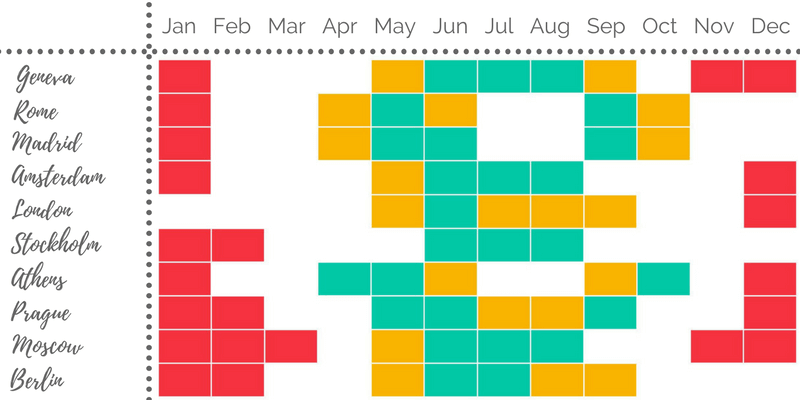
Credit: www.women-on-the-road.com
Off-season Travel
Traveling to Europe during the off-season offers a unique experience. The months from November to early March see fewer tourists. This period includes late fall and winter. Many travelers avoid these colder months. This drop in visitors creates different opportunities for those who go. The charm of quiet streets and local life shines. Prices for flights and hotels drop significantly. Off-season travel suits budget travelers and those who prefer calm.
When To Go
The off-season runs from November to early March. January and February are the coldest and quietest months. After the holiday season, crowds thin out. Some cities host beautiful Christmas markets in November and December. Early March still feels wintry but less crowded. Travelers can enjoy cozy city walks and winter scenes.
Reasons For Low Prices
Colder weather lowers travel demand. Many people avoid the chill and shorter days. Airlines and hotels reduce prices to fill rooms and seats. Fewer tourists mean less competition for tickets and stays. Businesses offer discounts and deals to attract visitors. This helps travelers save a lot on their trip costs.
Advantages
Prices for flights and accommodations are much lower. Museums and attractions are less crowded. Visitors enjoy a peaceful atmosphere in popular spots. Local culture and daily life become more visible. Winter markets add festive charm to cities. Travelers face shorter lines and easy access to tours. Hotels often provide better service due to fewer guests.
Drawbacks
Cold weather can limit outdoor activities. Daylight hours are shorter, reducing sightseeing time. Some attractions close early or have limited hours. Snow and rain may affect travel plans and comfort. Not all destinations are ideal in winter. Travelers need warm clothes and flexible schedules. Some events and festivals only happen in warmer months.
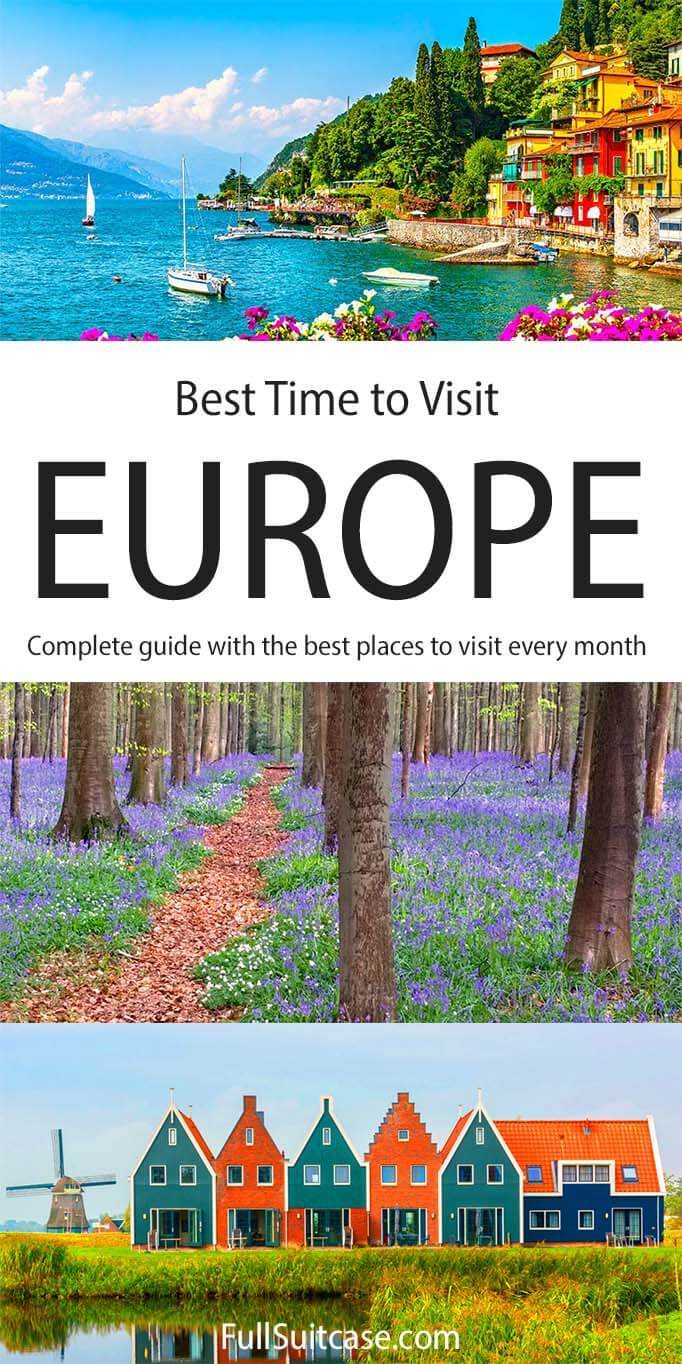
Credit: fullsuitcase.com
Shoulder Season Benefits
Traveling to Europe during the shoulder season offers many advantages. This period falls between the busy summer months and the cold winter season. Visitors enjoy a mix of good weather and fewer crowds. It is a smart choice for those who want a relaxed trip without high costs or large crowds.
Ideal Months
The best shoulder seasons in Europe are late April to June and September to early October. These months avoid the heavy tourist rush of summer. They also come before or after the colder winter months. This timing gives travelers a chance to see Europe in a peaceful setting.
Weather And Atmosphere
During shoulder season, the weather is mild and pleasant. Spring brings blooming flowers and fresh landscapes. Early fall offers warm days and colorful foliage. The atmosphere feels calm and welcoming. Streets and attractions are less crowded, making it easier to explore.
Pros Of Visiting
Travel costs drop during shoulder season. Flights and hotels are often cheaper than in summer. Tourist spots are quieter, allowing a more authentic experience. Lines for museums and popular sites are shorter. This season also means more space to enjoy parks and outdoor cafes.
Cultural Events
Many cities host festivals in shoulder season months. Spring has flower festivals, music events, and food fairs. Autumn offers harvest celebrations and art shows. These events provide a chance to experience local culture deeply. Visitors can join in without the huge crowds of peak season.
Peak Season Insights
Europe’s peak travel season attracts millions each year. Travelers enjoy vibrant cities filled with life and sunshine. Understanding peak season helps plan better trips.
This insight covers timing, cost reasons, plus pros and cons of summer travel.
Timing
Peak season in Europe usually runs from June through August. School holidays and warm weather drive this timing. Major festivals and events also fall in these months. Crowds swell in popular destinations during this period.
Why Prices Rise
High demand pushes prices for flights and hotels up. Families travel during school breaks, increasing bookings. Airlines and hotels raise rates due to limited availability. Tourist spots add seasonal charges for services and tours.
Benefits Of Summer Travel
Summer offers long daylight hours for sightseeing. Outdoor cafes and events create lively atmospheres. Beaches and festivals make this season exciting. Many attractions stay open late to welcome visitors.
Challenges During Peak
Large crowds can mean long lines and busy streets. Popular sites may require advance tickets. Higher prices impact travel budgets. Heat waves sometimes make outdoor tours uncomfortable.
Budget Tips
Traveling to Europe on a budget requires smart planning. Picking the right time and place helps save money. Small changes can lower costs without missing out on experiences. Consider these budget tips to enjoy Europe affordably.
Avoiding Holiday Surges
Avoid traveling during major holidays or school breaks. Prices for flights and hotels rise sharply then. Crowds increase at popular sites, making visits less pleasant. Traveling just before or after holiday periods cuts costs. Book tickets and accommodation early to lock in lower rates.
Exploring Lesser-known Regions
Tourist hotspots tend to be expensive and crowded. Instead, visit smaller cities and towns with rich culture. Places like Slovenia, Portugal’s interior, or Eastern Europe offer great value. Local food and lodging usually cost less here. These areas provide unique experiences without the high price tag.
Seasonal Deals
Look for special offers in shoulder and off-seasons. Many hotels and airlines drop prices during these times. November to early March often has the best deals. Festivals and events also bring discounts on tours and attractions. Signing up for alerts can help spot these seasonal savings quickly.
Seasonal Highlights
Europe changes beautifully with each season. Every time of year offers unique sights and activities. Knowing the seasonal highlights helps you pick the best travel time. This guide explores what each season brings to Europe.
Winter Experiences
Winter in Europe means cold weather and festive charm. Cities light up with Christmas markets and decorations. Ski resorts in the Alps attract many visitors for snow sports. Museums and cozy cafes offer warm escapes from the cold. Winter is perfect for quieter sightseeing and special holiday events.
Spring Blooms
Spring brings mild weather and blooming flowers. Gardens and parks burst with color, especially tulips in the Netherlands. Outdoor cafes open, and towns feel lively again. Festivals celebrate new life and culture. Spring offers a fresh and peaceful way to explore Europe’s cities and countryside.
Summer Festivities
Summer is Europe’s busiest season with warm weather and long days. Beaches fill with sunbathers, and outdoor events abound. Music festivals, street fairs, and open-air theaters create a festive mood. Summer nights stay light late, perfect for strolling and dining outside. It is ideal for those who enjoy lively atmospheres and outdoor fun.
Autumn Colors
Autumn paints Europe in warm reds, oranges, and yellows. Vineyards and forests show off vibrant hues. Harvest festivals celebrate local food and wine. Cooler weather invites cozy walks in historic towns. Autumn is great for photographers and those who want calm with beautiful scenery.
Choosing The Right Time
Choosing the right time to visit Europe shapes your whole experience. Weather, costs, and activities change with the seasons. Planning well helps you enjoy your trip more. Think about what matters most for your visit. Consider your budget, preferred weather, and travel style. Each season offers unique benefits and challenges. Read on to find the best match for your next European adventure.
Balancing Weather And Costs
Europe’s weather varies a lot by season. Summer brings warm days and lively streets but also high prices. Winter offers low costs and festive markets but colder weather. Shoulder seasons in spring and fall give mild weather and fewer tourists. Traveling in shoulder seasons often means better deals on hotels and flights. Decide how much you want to spend versus your weather preference. Finding a balance makes your trip both enjoyable and affordable.
Tailoring To Travel Style
Your travel style affects the best time to visit Europe. Outdoor lovers may prefer summer for hiking and festivals. History buffs might enjoy winter with quiet museums and cozy cafés. Foodies find harvest seasons ideal for tasting fresh local produce. Families often choose summer for school holidays and longer days. Solo travelers might like shoulder seasons for peaceful exploration. Match your activities and interests with the season to get the most out of your trip.
Using Expert Advice
Experts know Europe well and offer helpful insights. Travel blogs, guides, and forums share up-to-date tips. They highlight hidden gems and seasonal events. Experts warn about overcrowded places during peak times. Their advice helps avoid tourist traps and high costs. Follow trusted sources to plan your visit smartly. Expert tips can make your journey smoother and more fun.

Credit: www.twowanderingsoles.com
Frequently Asked Questions
What Is The Cheapest Time To Go To Europe?
The cheapest time to visit Europe is during the off-season, from November to early March. January and February offer the lowest prices on flights and hotels with fewer crowds. Shoulder seasons (April-June, September-October) provide good weather and moderate costs. Avoid peak summer for high prices.
Which Month Is Best For The Europe Tour?
The best months for a Europe tour are late April to June and September to early October. These shoulder seasons offer mild weather, fewer crowds, and affordable prices. Avoid peak summer and holiday periods for better deals and a more pleasant experience.
Where Not To Go In Europe Right Now?
Avoid traveling to conflict zones like eastern Ukraine and parts of Belarus due to safety risks. Some areas face political unrest or high crime rates. Check local travel advisories before planning your trip to ensure a safe experience.
What Is The Best Time To Visit European Countries?
The best time to visit European countries is during shoulder seasons: late April to June and September to early October. These months offer mild weather, fewer crowds, and better prices. Avoid peak summer and holiday periods to save money and enjoy a more relaxed experience.
Conclusion
Europe offers something special in every season. Winter brings low prices and festive markets. Spring and fall provide mild weather and fewer crowds. Summer shines with lively events and long days. Choose your travel time based on what you enjoy most.
Plan ahead to find better deals and avoid busy holidays. Wherever you go, Europe’s charm will make your trip memorable.