Best Time of Year to Travel to Egypt
The best time of year to travel to Egypt is generally from October to April. During these months, the weather is pleasantly mild, making it ideal for exploring ancient sites like the Pyramids and Luxor’s temples without extreme heat. While winter (December-February) is peak season with cooler temperatures and larger crowds, the shoulder seasons of autumn (October-November) and spring (March-April) offer a fantastic balance of agreeable weather, fewer tourists, and good value.
Ah, Egypt! Just the name conjures images of ancient pharaohs, colossal pyramids, the majestic Nile River, and bustling souks filled with exotic spices. It’s a land where history isn’t just in books; it’s alive in every stone, every monument, and every breathtaking sunset over the desert. Planning a trip to this incredible country is an adventure in itself, but one of the biggest questions everyone asks is: when is the best time of year to travel to Egypt?
Choosing the right time to visit Egypt can profoundly impact your experience. The country’s climate swings from intensely hot summers to pleasantly mild winters, and understanding these seasonal nuances is key to enjoying everything from exploring ancient temples to diving in the Red Sea. Whether you dream of comfortable sightseeing, budget-friendly travel, or escaping the crowds, there’s an ideal window for every type of traveler. Let’s embark on a journey through Egypt’s seasons to help you pinpoint your perfect travel dates.
We’ll delve into the pros and cons of each period, considering factors like weather, crowd levels, prices, and even specific activities. By the end of this guide, you’ll have a clear picture of the best time of year to travel to Egypt that aligns perfectly with your travel style and preferences.
Key Takeaways
- Golden Seasons (October-November & March-April): These shoulder months offer the best balance of comfortable weather, fewer crowds than winter, and good value, making them ideal for sightseeing.
- Winter (December-February): Enjoy the coolest temperatures, perfect for extensive exploration, but expect peak season prices and significant crowds at popular attractions.
- Summer (May-September): While intensely hot, summer is the low season with fewer tourists and lower prices, especially appealing for Red Sea coastal escapes and very early morning sightseeing.
- Regional Climate Differences: Southern Egypt (Luxor, Aswan) is consistently hotter and drier than northern Egypt (Cairo, Alexandria), and the Red Sea coast offers a milder, resort-focused climate year-round.
- Khamsin Winds: Be aware of potential strong, hot, dusty Khamsin winds during spring (March-May), which can occasionally disrupt travel plans.
- Packing Smart is Key: Regardless of the season, bring lightweight, breathable clothing, sun protection (hat, sunscreen, sunglasses), and comfortable walking shoes. Layers are useful for cooler evenings.
- Book Ahead for Peak Season: If traveling in winter, secure flights, accommodations, and Nile cruises well in advance due to high demand.
Quick Answers to Common Questions
What are the ideal months for a Nile cruise?
The ideal months for a Nile cruise are from October to April, when the weather is comfortably mild, making it perfect for relaxing on deck and exploring riverside temples.
Is it safe to travel to Egypt during the summer heat?
Yes, it is generally safe to travel during summer, but extreme heat requires careful planning: stay hydrated, seek shade, and do major sightseeing early in the morning or late afternoon.
When is the least crowded time to visit Egypt?
The least crowded time to visit Egypt is during the summer months, from May to September, due to the high temperatures deterring many tourists.
What is the weather like in Egypt in December?
In December, Egypt enjoys mild and pleasant weather, with comfortable daytime temperatures, cool evenings, and very little rain, making it a popular peak travel season.
Are prices for hotels and tours cheaper in the off-season?
Yes, prices for hotels, flights, and tours are generally significantly cheaper during Egypt’s off-season, which is typically the hot summer from May to September.
📑 Table of Contents
- The Golden Seasons: Autumn and Spring (October-November & March-April)
- Winter’s Embrace: December-February (Peak Season)
- Summer’s Heat: May-September (Low Season)
- Regional Considerations: Where You Go Matters
- Beyond Weather: Festivals and Special Events
- Practical Tips for Every Season
- Conclusion: Finding Your Perfect Egyptian Moment
The Golden Seasons: Autumn and Spring (October-November & March-April)
If there’s a universally agreed-upon answer for the best time of year to travel to Egypt, it often points to the shoulder seasons: autumn (October and November) and spring (March and April). These periods strike a near-perfect balance, offering comfortable temperatures without the intense heat of summer or the peak-season crowds and prices of winter.
Autumn’s Embrace: October and November
Imagine days filled with brilliant sunshine, a gentle breeze, and temperatures that are just right for extensive exploration. That’s what autumn in Egypt offers. The scorching summer heat has begun to recede, making outdoor activities incredibly enjoyable. In cities like Cairo, expect daytime temperatures to hover around 25-30°C (77-86°F), while Luxor and Aswan in the south might see averages of 30-35°C (86-95°F). Evenings cool down pleasantly, often requiring a light jacket.
- Pros:
- Ideal Weather: Comfortable temperatures for sightseeing, Nile cruises, and desert excursions.
- Moderate Crowds: While popular, the major sites aren’t as swamped as in winter.
- Good Value: Prices for flights and accommodations are generally more reasonable than in peak winter.
- Cons:
- Still Warm in the South: Luxor and Aswan can still be quite hot during the day, especially in early October.
- Growing Popularity: As winter approaches, crowd levels gradually increase.
Traveler Tip: October and November are fantastic for a comprehensive trip that includes Cairo, a Nile cruise, and a visit to Abu Simbel. The weather is perfect for early morning temple visits before the heat fully kicks in.
Spring’s Bloom: March and April
Similar to autumn, spring brings delightful weather to most of Egypt. Temperatures range from 20-30°C (68-86°F) in Cairo and the north, creeping up to 25-35°C (77-95°F) in the southern regions. The days are long and bright, providing ample opportunity for sightseeing. The landscapes, particularly along the Nile, can be surprisingly green and vibrant after the winter rains.
- Pros:
- Excellent Weather: Very pleasant temperatures for all types of activities.
- Beautiful Scenery: The desert can be dotted with wildflowers, and agricultural areas are lush.
- Easter & Spring Holidays: Can be a great time for families, though some dates might coincide with European school breaks.
- Cons:
- Khamsin Winds: A significant factor to consider. From March to May, Egypt can experience hot, dusty, sand-laden winds called Khamsin. These can reduce visibility and make outdoor activities less pleasant, sometimes even leading to temporary closures of attractions if severe.
- Increasing Heat: By late April, temperatures in the south can start to climb considerably.
Traveler Tip: If planning a spring trip, keep an eye on weather forecasts for Khamsin winds. Having a flexible itinerary can be helpful. Otherwise, early spring is absolutely one of the best times of year to travel to Egypt, especially if you prioritize comfortable temperatures and manageable crowds.
Winter’s Embrace: December-February (Peak Season)
Winter is undeniably the most popular and arguably the overall best time of year to travel to Egypt for many tourists, especially those seeking respite from colder climates. The weather across the country is at its absolute best, making it ideal for sightseeing and outdoor excursions.
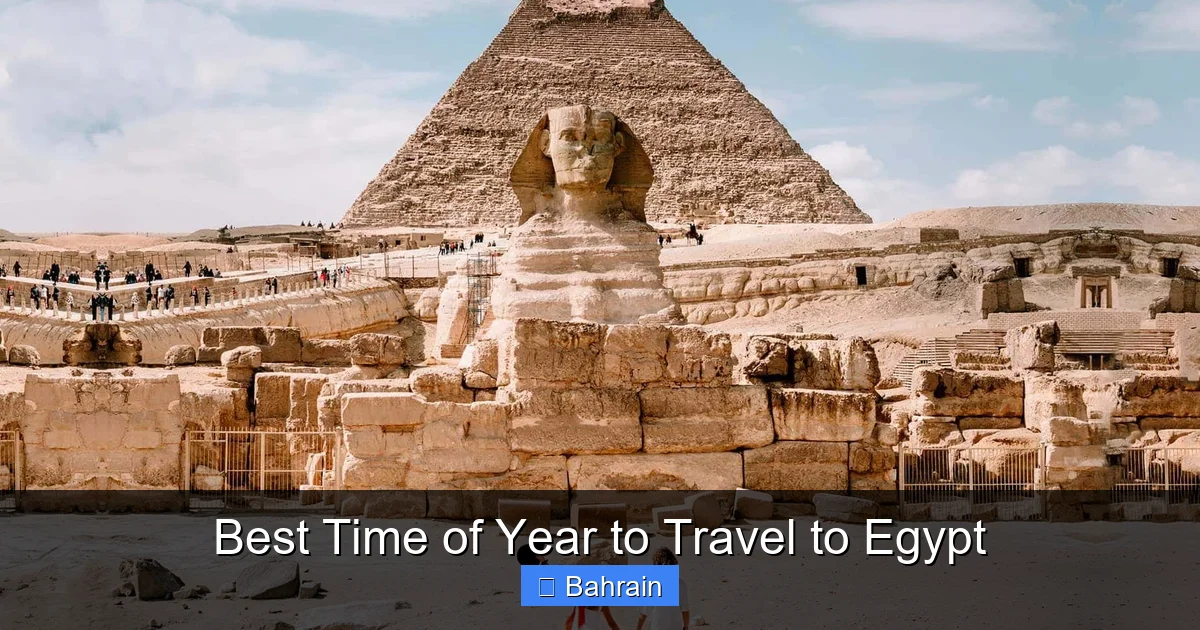
Visual guide about Best Time of Year to Travel to Egypt
Image source: saltinourhair.com
Cool Comfort and Blue Skies
From December to February, Egypt enjoys glorious sunny days with mild temperatures. In Cairo, daily highs average around 18-23°C (64-73°F), while in Luxor and Aswan, it’s a comfortable 22-28°C (72-82°F). Nights can be surprisingly cool, especially in the desert and by the river, often dropping to 10°C (50°F) or even lower. Rain is rare, particularly in the south, ensuring clear blue skies almost daily.
- Pros:
- Perfect Weather: The most comfortable temperatures for exploring ancient sites, walking around cities, and enjoying Nile cruises.
- Festive Atmosphere: Many travelers visit during Christmas and New Year, creating a lively, celebratory vibe.
- Extended Exploration: You can spend longer hours outdoors without worrying about extreme heat.
- Cons:
- Peak Crowds: This is the busiest time of year. Major attractions like the Pyramids, Valley of the Kings, and Abu Simbel will be packed.
- Higher Prices: Expect peak-season rates for flights, hotels, Nile cruises, and even some tour packages. Booking well in advance (6-12 months) is crucial.
- Limited Availability: Popular accommodations and cruise cabins sell out quickly.
Traveler Tip: If you plan to visit during winter, book everything – flights, hotels, Nile cruises, and key tours – as far in advance as possible. Be prepared for crowds and consider visiting popular sites right at opening time or in the late afternoon to avoid the biggest rushes. Despite the crowds and costs, many still consider this the best time of year to travel to Egypt due to the unmatched weather.
Summer’s Heat: May-September (Low Season)
If you don’t mind the heat, or if you’re specifically seeking a budget-friendly trip with fewer tourists, then Egypt’s summer months might surprisingly be the best time of year to travel to Egypt for you. However, it requires a different approach to sightseeing.
Desert Heat and Red Sea Bliss
Summer in Egypt is intensely hot, especially in the south. Cairo sees average highs of 35-40°C (95-104°F), while Luxor and Aswan can regularly reach 40-45°C (104-113°F) and sometimes even higher. The humidity is lower than in many tropical destinations, making it a dry heat, but it’s still relentless. The sun is strong, and outdoor activity during midday is generally not advisable.
- Pros:
- Fewer Crowds: You’ll often have major attractions almost to yourself, allowing for a more intimate experience.
- Lower Prices: This is the low season, so flights, hotels, and tours are significantly cheaper. Great for budget travelers.
- Red Sea Resorts: The coastal areas like Hurghada and Sharm El Sheikh are still popular due to cooling sea breezes and water activities. Diving and snorkeling are excellent year-round.
- Cons:
- Extreme Heat: It can be dangerously hot for prolonged outdoor sightseeing, especially for those unaccustomed to such temperatures.
- Limited Sightseeing Hours: You’ll need to plan your excursions for early mornings or late afternoons, limiting your daily activities.
- Discomfort: Walking around dusty, exposed ancient sites can be very tiring and uncomfortable.
Traveler Tip: If traveling in summer, embrace the early bird approach! Start your day by 6:00 AM to see the main sites before the heat peaks. Seek refuge in air-conditioned museums during midday. Hydrate constantly, wear wide-brimmed hats, light breathable clothing, and high SPF sunscreen. The Red Sea coast offers a refreshing escape, making it a feasible option for a summer trip, often paired with very quick, focused visits to Cairo. For those prioritizing budget and solitude, this could be the best time of year to travel to Egypt.
Regional Considerations: Where You Go Matters
Egypt is a large country, and its climate can vary significantly from north to south and along the coast. Understanding these regional differences helps in determining the best time of year to travel to Egypt for your specific itinerary.
Cairo and Northern Egypt (Alexandria, Giza)
The climate in Cairo and the Mediterranean coast (Alexandria) is generally milder than the south. Winters are cool and can occasionally have light rain, while summers are hot but often less extreme than Luxor or Aswan. Spring and autumn are excellent here, with pleasant temperatures.
* Best Months: October-April.
Upper Egypt (Luxor, Aswan, Abu Simbel)
This is where many of Egypt’s most famous ancient sites are located, and it’s also the hottest region. Summers are brutal, making extended outdoor exploration difficult. Winters are wonderfully mild, though popular. The shoulder seasons are highly recommended for comfort.
* Best Months: October-November, March-April.
Red Sea Coast (Hurghada, Sharm El Sheikh, Dahab)
The Red Sea resorts enjoy a desert climate tempered by coastal breezes. Water temperatures are pleasant year-round for swimming, snorkeling, and diving. While summers are hot, the sea offers a fantastic way to cool down, making it popular even in the low season. Winters are mild and very popular.
* Best Months: October-May (for balanced weather), but June-September are still great for beach/water activities if you tolerate heat.
Traveler Tip: Consider a multi-destination trip that leverages regional climates. For example, explore Cairo and the Nile in the shoulder season, then unwind at a Red Sea resort. This flexibility helps optimize your travel, regardless of the overall season, and ensures you’re choosing the best time of year to travel to Egypt for your itinerary.
Beyond Weather: Festivals and Special Events
Sometimes, the best time of year to travel to Egypt isn’t just about the weather; it’s about experiencing the country’s vibrant culture and unique events. While these might coincide with peak or shoulder seasons, they can add an extra layer of magic to your trip.
Major Festivals and Holidays
- Abu Simbel Sun Festival: Twice a year, on February 22nd and October 22nd, the sun perfectly aligns to illuminate the inner sanctuary of the Great Temple of Ramesses II at Abu Simbel. This ancient phenomenon draws huge crowds and requires booking months in advance.
- Coptic Christmas (January 7th): A significant holiday for Egypt’s Coptic Christian population, celebrated with special church services and family gatherings.
- Sham Ennessim (Spring Festival): An ancient Egyptian spring festival celebrated by all Egyptians, usually in April, marking the arrival of spring. Families go out to parks and picnics.
- Ramadan: The Islamic holy month of fasting. Dates vary each year as it follows the lunar calendar. Traveling during Ramadan can be a unique experience; daytime hours are quieter, but evenings burst with celebratory meals (Iftar) and festivities. However, some restaurants and services might have altered hours.
- Eid al-Fitr & Eid al-Adha: These two major Islamic holidays follow Ramadan and the Hajj pilgrimage, respectively. They are times of great celebration, family visits, and public holidays, meaning increased domestic travel and potentially crowded attractions or transport.
Traveler Tip: If your trip coincides with a major festival or holiday, research its impact on opening hours, transport, and crowd levels. While potentially challenging, participating in or observing these events can offer deep cultural insights, making it a truly unique experience that can transform the best time of year to travel to Egypt into an even more memorable one.
Practical Tips for Every Season
No matter when you decide the best time of year to travel to Egypt is for you, a few practical tips will help ensure a smoother and more enjoyable journey.
- Dress Modestly: Egypt is a conservative country. While there’s no strict dress code for tourists, especially in resorts, covering shoulders and knees is respectful, particularly when visiting religious sites. Loose, breathable fabrics are your best friend in any season.
- Sun Protection is Paramount: The Egyptian sun is powerful year-round. Always carry a wide-brimmed hat, high SPF sunscreen, and sunglasses. Even in winter, you can get sunburned.
- Hydrate, Hydrate, Hydrate: Drink plenty of bottled water, especially during warmer months. Dehydration can quickly sap your energy.
- Comfortable Footwear: You’ll be doing a lot of walking on uneven terrain at archaeological sites. Sturdy, comfortable shoes are essential.
- Learn Basic Arabic Phrases: Even a few words like “Shukran” (thank you) and “Salaam alaikum” (hello/peace be upon you) can go a long way in connecting with locals.
- Embrace the Early Morning: This tip is crucial year-round, but especially in warmer months. Get to sites like the Pyramids or Valley of the Kings right when they open to beat both the heat and the largest crowds.
- Bargaining is Expected: When shopping in souks, polite bargaining is part of the experience. Have fun with it!
- Stay Flexible: While planning is good, sometimes unexpected events (like Khamsin winds or minor local celebrations) can alter plans. A flexible attitude helps you adapt and enjoy.
Conclusion: Finding Your Perfect Egyptian Moment
So, what truly is the best time of year to travel to Egypt? As you can see, there isn’t a single, one-size-fits-all answer. It truly depends on your priorities. If comfortable weather and extensive sightseeing without extreme heat are your top concerns, the shoulder seasons of October-November and March-April are often the sweet spot. They offer a delightful balance of agreeable temperatures and fewer crowds than the peak winter months.
For those who prioritize the coolest possible weather and don’t mind higher prices and bustling sites, December-February offers ideal conditions for exploration. Conversely, budget-conscious travelers or those seeking solitude, especially around the Red Sea, might find May-September surprisingly rewarding if they can tolerate the intense heat and adapt their schedules.
Egypt is a timeless land that promises an unforgettable adventure whenever you choose to visit. By considering the seasonal weather patterns, regional variations, crowd levels, and your personal preferences, you can confidently decide the best time of year to travel to Egypt for your dream trip. Prepare to be enchanted by its ancient wonders and vibrant culture, no matter the season!
Frequently Asked Questions
What is the best time for diving in the Red Sea?
The Red Sea offers excellent diving conditions year-round, but the best time for consistently warm water and pleasant surface temperatures is from April to November. Even during the hotter summer months, the sea provides a refreshing escape.
Do I need to worry about sandstorms when traveling to Egypt?
Sandstorms, particularly the Khamsin winds, can occur in spring (March to May). While not typically severe enough to halt all travel, they can reduce visibility and make outdoor activities less pleasant. It’s advisable to check local forecasts.
Is it significantly cheaper to travel to Egypt in the summer?
Yes, traveling to Egypt during the summer (May to September) is generally significantly cheaper. Airfares, accommodation, and even some tour prices drop considerably as it is the low season due to the intense heat.
How far in advance should I book my trip to Egypt?
For peak season travel (December-February), you should book flights, hotels, and Nile cruises at least 6-12 months in advance. For shoulder seasons (October-November, March-April), 3-6 months is usually sufficient. Summer travel can be booked closer to the date.
What should I pack for a trip to Egypt in spring?
For a spring trip, pack lightweight, breathable clothing, layers for cooler evenings, comfortable walking shoes, a wide-brimmed hat, sunglasses, and high-SPF sunscreen. A light scarf can be useful for dust and sun protection, and for modest dress.
Can I combine a desert safari with a Nile cruise in most seasons?
Yes, you can combine a desert safari with a Nile cruise in most seasons, but the best time is during the mild weather of autumn, winter, or spring. Summer desert safaris are possible, but require very early morning starts and careful heat management.