Best Places to Travel in Brazil
Brazil offers an astounding array of travel experiences, making it one of the most exciting destinations on Earth. Whether you dream of vibrant city life, pristine natural wonders, or rich cultural immersion, the best places to travel in Brazil cater to every taste. Get ready to explore iconic landmarks, breathtaking landscapes, and unforgettable adventures across this vast and beautiful nation.
Are you dreaming of an adventure? Do you crave vibrant culture, breathtaking natural beauty, and unforgettable experiences? Then look no further than Brazil! This vast South American gem is a mosaic of diverse landscapes, pulsating rhythms, and warm, welcoming people. Deciding where to go can be a delightful challenge because there are so many incredible options. This guide will help you discover the best places to travel in Brazil.
Brazil is not just a country; it’s an entire world wrapped into one nation. You can dance the samba in Rio, explore the untamed Amazon jungle, marvel at powerful waterfalls, or relax on some of the most stunning beaches you’ve ever seen. Every corner offers a new story, a new flavor, and a new reason to fall in love. Let’s dive into the top destinations that make Brazil an absolute must-visit.
Key Takeaways
- Iconic City Exploration: Rio de Janeiro offers a blend of stunning natural beauty, vibrant nightlife, and cultural landmarks like Christ the Redeemer and Sugarloaf Mountain.
- Unparalleled Nature Experiences: The Amazon Rainforest provides a unique opportunity for wildlife spotting and eco-tourism, offering a deep dive into biodiversity.
- Cultural Immersion: Salvador, Bahia, is a heartland of Afro-Brazilian culture, renowned for its historic architecture, music, and delicious cuisine.
- Majestic Waterfalls: Iguazu Falls stands as one of the world’s most impressive natural wonders, a must-see for its sheer power and beauty.
- Paradise Beaches: Brazil’s Northeast coast, including places like Fernando de Noronha and Jericoacoara, boasts some of the globe’s most beautiful and serene beaches.
- Diverse Adventures: Beyond the highlights, Brazil offers everything from urban exploration in São Paulo to wildlife safaris in the Pantanal, ensuring a trip for every interest.
Quick Answers to Common Questions
What is the best time of year to visit Brazil?
The best time to visit Brazil generally depends on the region you plan to explore. For most of the country, the dry season (May to September) offers pleasant weather with less humidity and rain. However, if you want to experience Carnival in Rio, plan for February or March.
Is it safe to travel in Brazil?
Like any large country, Brazil has areas that require caution. Major tourist destinations generally have a strong police presence. It’s always wise to be aware of your surroundings, avoid displaying valuables, and use reputable transportation. Research specific areas you plan to visit.
What currency is used in Brazil?
The official currency of Brazil is the Brazilian Real (BRL). It’s advisable to carry some local currency for smaller purchases, but credit cards are widely accepted in most cities and larger establishments.
Do I need a visa to travel to Brazil?
Visa requirements for Brazil vary depending on your nationality. Citizens of many countries, including the United States, Canada, Australia, and most European Union nations, do not require a visa for tourist stays up to 90 days. Always check the latest requirements before your trip.
What are some must-try foods in Brazil?
You absolutely must try Feijoada (a hearty black bean and meat stew), Churrasco (Brazilian BBQ), Pão de Queijo (cheese bread), and Coxinha (shredded chicken croquettes). For drinks, don’t miss the Caipirinha, Brazil’s national cocktail.
📑 Table of Contents
Rio de Janeiro: The Marvelous City
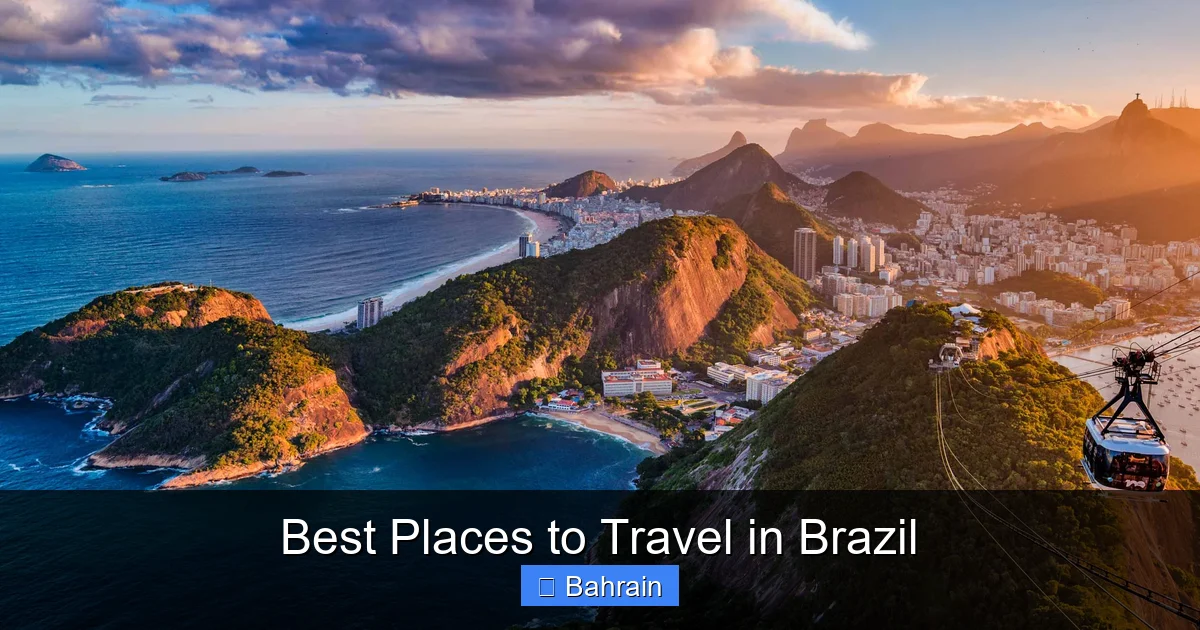
When you think of the best places to travel in Brazil, Rio de Janeiro often comes to mind first. And for good reason! Known as “Cidade Maravilhosa” (Marvelous City), Rio truly lives up to its name. It’s a city of dramatic beauty, where lush mountains meet golden beaches and a vibrant urban buzz. Get ready for an experience that will excite all your senses.
Iconic Landmarks and Views
No trip to Rio is complete without visiting its world-famous landmarks. First up, Christ the Redeemer. This colossal statue stands atop Corcovado Mountain. It offers panoramic views of the city, the bay, and beyond. Taking the cog train up is an experience in itself, winding through the Tijuca National Park. The views from the top are simply breathtaking. You’ll see Sugarloaf Mountain, Copacabana, and Ipanema beaches stretched out below.
Speaking of Sugarloaf Mountain, that’s your next must-see. Ride the iconic cable car in two stages to reach the summit. From here, you get a different, equally stunning perspective of Rio. It’s particularly magical at sunset when the city lights begin to twinkle. You can grab a drink and just soak in the incredible scenery.
Beaches and Beyond
Rio is synonymous with its beaches. Copacabana Beach is legendary, famous for its curved promenade and lively atmosphere. It’s perfect for people-watching, sunbathing, or enjoying a refreshing caipirinha. Just next door is Ipanema Beach, known for its chic vibe and the famous song “The Girl from Ipanema.” Both beaches offer a glimpse into the carioca (Rio locals) lifestyle.
Beyond the sand, explore the bohemian neighborhood of Santa Teresa. Its charming cobbled streets, historic mansions, and artistic studios offer a different side of Rio. Don’t miss the colorful Selarón Steps (Escadaria Selarón) for an amazing photo opportunity. For a taste of nature within the city, visit the beautiful Botanical Garden (Jardim Botânico) with its impressive palm-lined avenue and exotic plant collections.
Practical Tips for Rio
- Safety: Be aware of your surroundings, especially in crowded areas. Use reputable taxis or ride-sharing apps.
- When to Go: Rio is great year-round, but December to March is summer and carnival season, bringing hot weather and huge crowds.
- Food: Try traditional Brazilian BBQ (churrasco), feijoada (a hearty bean stew), and fresh seafood.
The Amazon Rainforest: Nature’s Grandeur
For those seeking raw, untamed nature, the Amazon Rainforest is one of the ultimate best places to travel in Brazil. It’s an ecological marvel, home to an unparalleled diversity of flora and fauna. This vast jungle offers an experience unlike any other, connecting you deeply with the natural world.
Visual guide about Best Places to Travel in Brazil
Image source: southamerica.travel
Exploring the World’s Largest Rainforest
The main gateway city to the Brazilian Amazon is Manaus, located in the state of Amazonas. From here, you can embark on various river tours and jungle lodges. These trips are designed to immerse you in the rainforest experience. You can choose from a few days to a week-long adventure, depending on your interest and budget.
What can you expect? Guided jungle treks will teach you about medicinal plants and the intricate ecosystem. You’ll go on canoe trips through narrow waterways, searching for caimans, monkeys, and exotic birds. Piranha fishing is a popular activity, as is visiting local communities to learn about their way of life. Night safaris reveal nocturnal creatures and the sounds of the jungle come alive.
Wildlife Encounters
The Amazon is a treasure trove of wildlife. While spotting jaguars can be rare, you’re likely to see monkeys (howler, capuchin, squirrel), sloths, pink river dolphins, anacondas, and a huge variety of colorful birds, including macaws and toucans. Keep your eyes peeled and your camera ready! Every rustle in the leaves or splash in the water could reveal a new discovery.
Eco-Tourism and Sustainability
When planning your Amazon adventure, choose eco-friendly lodges and tour operators. Many focus on sustainable tourism, supporting local communities and conserving the rainforest. This ensures your visit has a positive impact. It’s an incredible opportunity to witness one of the world’s most vital ecosystems up close.
Practical Tips for the Amazon
- Health: Consult your doctor about vaccinations (especially yellow fever) and malaria prevention. Bring strong insect repellent.
- Packing: Light, quick-drying clothing, waterproof gear, good walking shoes, and a hat are essential.
- Best Time: The dry season (July to December) is often preferred for easier trekking, but the wet season (January to June) offers higher river levels for better canoe access.
Salvador & Bahia: The Heart of Afro-Brazilian Culture
For a deep dive into Brazil’s rich history and vibrant culture, Salvador, the capital of Bahia state, is undoubtedly among the best places to travel in Brazil. It’s a city that pulses with African rhythms, boasts stunning colonial architecture, and offers an incredibly unique cultural experience. Salvador was Brazil’s first capital and remains a spiritual and cultural epicenter.
Pelourinho: A UNESCO World Heritage Site
The historic center of Salvador, known as Pelourinho, is a feast for the eyes. It’s a UNESCO World Heritage site, famous for its colorful colonial buildings, cobbled streets, and stunning baroque churches. Wander through its alleys and squares, and you’ll feel like you’ve stepped back in time. The area is alive with music, art, and the daily rhythm of local life.
Don’t miss the opportunity to witness a Capoeira demonstration. This Afro-Brazilian martial art, disguised as dance, is an incredible display of strength, agility, and rhythm. You’ll often find groups performing in the squares of Pelourinho. Also, visit the Church of São Francisco, known for its opulent gold-leaf interior, a true architectural marvel.
Music, Food, and Festivals
Salvador is the birthplace of many Brazilian music styles, including samba-reggae and axé. The city’s energy is infectious, with music filling the air day and night. If you’re lucky enough to visit during Carnival, you’ll experience one of the world’s largest and most vibrant street parties, distinct from Rio’s parade-style celebration.
Bahian cuisine is a highlight in itself. It’s a delicious fusion of African, indigenous, and Portuguese influences. Try Acarajé, a deep-fried bean cake filled with shrimp and spices, sold by “baianas” in traditional white dresses. Sample Moqueca, a flavorful seafood stew cooked in coconut milk and palm oil. Every meal in Salvador is a culinary adventure.
Beyond Salvador
The state of Bahia offers more to explore. Consider a trip to the Chapada Diamantina National Park, a stunning inland region with dramatic table mountains, sparkling waterfalls, and incredible hiking trails. It’s a perfect contrast to the coastal vibrancy of Salvador and offers more natural beauty for those who love adventure.
Practical Tips for Salvador
- Culture: Embrace the local culture. Learn a few Portuguese phrases.
- Currency: Carry some small bills for street vendors and local markets.
- Best Time: Carnival (February/March) is epic but crowded. The dry season (August to January) offers pleasant weather.
Iguazu Falls: A Wonder of the World
Prepare to be awestruck! Iguazu Falls (Iguaçu Falls in Portuguese) is a natural spectacle that simply has to be on your list of the best places to travel in Brazil. Straddling the border between Brazil and Argentina, these magnificent waterfalls are taller than Niagara and twice as wide. The sheer power and beauty are humbling and unforgettable.
Witnessing Nature’s Power
The Brazilian side of Iguazu Falls offers breathtaking panoramic views. You’ll walk along well-maintained pathways that lead to various viewpoints. The highlight is the walkway that extends out into the “Garganta do Diabo” (Devil’s Throat) viewing platform. Here, you’re practically surrounded by roaring water. The mist, the sound, and the incredible rainbows formed by the spray create a truly immersive experience. It feels like the entire world is crashing down around you.
While the Argentinian side provides more intimate close-up views and a wider network of trails, the Brazilian side delivers those iconic, sweeping vistas that photographers dream of. Many travelers choose to visit both sides to get the full experience. You can easily cross the border for a day trip. Remember to bring your passport!
Beyond the Falls
The area around Iguazu Falls is also rich in biodiversity. The falls are located within the Iguazu National Park, a UNESCO World Heritage site. Keep an eye out for exotic birds, colorful butterflies, and even coatis (a type of raccoon) scurrying around the park. There’s also the Parque das Aves (Bird Park) nearby, a wonderful place to see vibrant toucans, macaws, and other South American bird species up close in large aviaries.
Practical Tips for Iguazu
- Footwear: Wear comfortable walking shoes, as you’ll be doing a lot of walking.
- Rain Gear: Bring a raincoat or poncho – you will get wet from the spray, especially at Devil’s Throat!
- Hydration: Carry water, especially on hot days.
- Best Time: April to October offers cooler, drier weather. Avoid January to March if you dislike crowds and heat.
The Northeast Beaches: Tropical Paradise Found
If your idea of paradise involves white sands, crystal-clear turquoise waters, and swaying palm trees, then the beaches of Brazil’s Northeast are among the absolute best places to travel in Brazil. This region boasts some of the world’s most stunning coastlines, perfect for relaxation, water sports, and disconnecting from the everyday.
Fernando de Noronha: An Ecological Gem
Fernando de Noronha is an archipelago off the coast of Pernambuco, and it’s truly a slice of heaven. It’s a protected marine park and a UNESCO World Heritage site, famous for its incredible natural beauty and rich marine life. The number of visitors is limited, which helps preserve its pristine condition. Expect stunning beaches like Baía do Sancho (often rated among the world’s best), vibrant coral reefs, and amazing opportunities for snorkeling and diving with sea turtles, dolphins, and sharks.
It’s a bit more expensive to visit due to conservation efforts, but every penny is worth it for the untouched beauty and ecological experience. The views from Mirante Dois Irmãos are legendary, especially at sunset. This destination is perfect for couples, nature lovers, and anyone seeking a truly special beach getaway.
Jericoacoara: Rustic Charm and Wind Sports
Further west, in the state of Ceará, lies Jericoacoara (often called “Jeri”). This charming, remote fishing village has transformed into a bohemian paradise. What makes Jeri special? It’s famous for its sandy streets (no asphalt here!), dramatic sunsets over the “Duna do Pôr do Sol” (Sunset Dune), and fantastic conditions for windsurfing and kitesurfing.
Life in Jeri is laid-back. Spend your days exploring the Lagoa do Paraíso (Paradise Lagoon) with its hammocks strung over the water, or visit Pedra Furada (Holed Rock), a natural arch perfect for photos. Evenings are for enjoying fresh seafood, live music, and watching the stars. It’s a place where you can truly slow down and embrace the chill vibe.
Practical Tips for Northeast Beaches
- Sun Protection: The sun is intense. Use high SPF sunscreen, wear hats, and seek shade.
- Footwear: Sandals or flip-flops are essential. You won’t need anything fancy.
- Getting There: Access to places like Jeri and Fernando de Noronha can involve domestic flights, jeep transfers, or boat rides. Plan accordingly.
- When to Go: The dry season (July to December) generally offers the best weather for beach activities.
Conclusion: Your Brazilian Adventure Awaits
Brazil is a country of superlatives: the largest rainforest, some of the most beautiful beaches, and cities that pulsate with unparalleled energy. From the iconic vistas of Rio de Janeiro to the wild heart of the Amazon, the cultural depth of Salvador, the thunderous power of Iguazu Falls, and the serene beauty of the Northeast beaches, the best places to travel in Brazil offer an incredible spectrum of experiences.
Planning a trip to Brazil is an exciting journey in itself. Whether you’re an adventurer, a culture seeker, a beach lover, or a nature enthusiast, this diverse nation has something extraordinary waiting for you. So pack your bags, practice a few Portuguese phrases, and get ready for the trip of a lifetime. Brazil is calling, and its wonders are ready to be explored!
Frequently Asked Questions
What is the most famous landmark in Brazil?
The most famous landmark in Brazil is undoubtedly Christ the Redeemer (Cristo Redentor) in Rio de Janeiro. This iconic Art Deco statue stands atop Corcovado Mountain, offering breathtaking panoramic views of the city and Guanabara Bay. It’s a symbol of Brazil recognized worldwide.
How many days do I need to visit Brazil?
The ideal duration for a trip to Brazil depends entirely on how many places you wish to visit and your travel style. For a taste of one or two regions, 7-10 days might suffice. However, to truly experience its diverse offerings and visit multiple iconic destinations, 2-3 weeks would be much more rewarding.
What are the best outdoor activities in Brazil?
Brazil offers an incredible range of outdoor activities. You can hike in the Amazon Rainforest, surf the waves in Florianópolis, dive with marine life in Fernando de Noronha, go canyoning and rappelling in Chapada Diamantina, or paraglide over Rio’s beaches. The possibilities for adventure are endless!
Is Portuguese difficult to learn for traveling in Brazil?
While English is spoken in major tourist areas, learning a few basic Portuguese phrases will greatly enhance your travel experience in Brazil. Brazilians appreciate the effort, and it can help with everything from ordering food to navigating public transport. Many find Brazilian Portuguese to have a melodious and enjoyable sound.
What is Carnival like in Brazil?
Carnival in Brazil is an epic, vibrant festival celebrated annually, primarily in the week leading up to Ash Wednesday. It’s characterized by huge street parties, elaborate parades with samba schools, incredible costumes, and non-stop music and dancing. While Rio de Janeiro has the most famous parade, cities like Salvador and Olinda offer unique and equally energetic celebrations.
Are there good options for eco-tourism in Brazil?
Absolutely! Brazil is a leader in eco-tourism, especially in the Amazon and Pantanal regions. You can find numerous eco-lodges that focus on sustainable practices, wildlife conservation, and supporting local communities. These experiences offer a chance to connect with nature responsibly, learning about biodiversity and indigenous cultures.