Best Time to Travel to Antarctica
Choosing the best time to travel to Antarctica depends on your priorities, as the travel season runs from November to March. Each month offers distinct advantages, from abundant penguin chicks and whale sightings to pristine ice conditions, making your expedition uniquely memorable. Understanding the unique characteristics of the early, mid, and late season will help you tailor your adventure to your dream Antarctic experience.
Imagine a world of colossal icebergs, playful penguins, majestic whales, and an silence so profound it seems to absorb all sound. Antarctica, the Earth’s southernmost continent, is a destination unlike any other. It’s a place of stark beauty, incredible wildlife, and raw, untamed wilderness that calls to the most adventurous spirits. But when you’re planning such an epic journey, one of the first and most critical questions you’ll ask is: “What is the best time to travel to Antarctica?”
Unlike a tropical getaway where any sunny day might do, an Antarctic expedition requires precise timing. The continent is only accessible to tourists for a brief window each year, during the austral summer. Within this short period, however, each month offers a distinctly different experience. Your ideal time to visit will depend heavily on what you hope to see, what kind of weather you prefer, and your specific interests, whether it’s photography, wildlife spotting, or adventurous activities.
This comprehensive guide will walk you through the nuances of Antarctica’s travel season, breaking down what each period has to offer. We’ll delve into the weather, the wildlife spectacles, and the unique opportunities available, helping you pinpoint the best time to travel to Antarctica for your dream adventure. Get ready to embark on a journey of discovery, even before you set sail!
Key Takeaways
- Limited Travel Window: The Antarctic travel season is confined to the austral summer, running from late November to early March, due to extreme weather conditions and ice coverage during other months.
- Early Season (Nov-Dec): Ideal for pristine snowscapes, massive icebergs, and observing penguin courtship and nest-building. Fewer crowds and potentially lower prices are added benefits.
- Mid-Season (Dec-Jan): This is peak season, offering the warmest weather, longest daylight hours, and the most intense wildlife activity, including penguin chicks hatching and seal pups appearing.
- Late Season (Feb-Mar): Perfect for whale enthusiasts, as baleen whales are abundant, feeding in krill-rich waters. Penguin chicks are growing, and there are often fewer crowds and better deals.
- Wildlife Focus: Your primary interest (e.g., penguins, whales, seals, specific bird species) should heavily influence your chosen travel month.
- Activity Preferences: Specific activities like kayaking, camping, or extended hiking might be better suited to certain times when conditions are more stable or ice allows access.
- Booking Essentials: Regardless of your chosen time, booking your Antarctic expedition well in advance (12-18 months) is crucial, especially for peak season sailings.
Quick Answers to Common Questions
What is the main travel season for Antarctica?
The main travel season for Antarctica is during the austral summer, running from late November to early March.
When are penguins most active with chicks?
Penguin chicks start hatching from mid-December and are very active throughout January, growing rapidly and beginning to fledge in February.
Is November a good time to see whales?
While whale sightings can occur in November, the prime time for abundant whale watching is generally later in the season, particularly February and early March.
What’s the warmest month in Antarctica?
January is typically the warmest month in Antarctica, with temperatures hovering around the freezing mark or slightly above in the Peninsula region.
Are there fewer people in the shoulder seasons?
Yes, the shoulder seasons (late November/early December and late February/early March) generally see fewer tourists and ships compared to the peak mid-season.
📑 Table of Contents
- Understanding Antarctica’s Travel Season: The Polar Summer
- November to Early December: The Early Bird Gets the Pristine Views
- Mid-December to January: Peak Season, Peak Wildlife Activity
- February to March: Whale Wonders and Fewer Crowds
- Beyond the Calendar: Other Factors Influencing Your Choice
- Conclusion: Every Moment is Magic in Antarctica
Understanding Antarctica’s Travel Season: The Polar Summer
Antarctica’s travel season is a precious, fleeting window. It generally runs from late November to early March. Outside of these months, the continent is gripped by the harsh polar winter, characterized by perpetual darkness, extreme cold, and impenetrable sea ice. This makes travel extremely difficult, dangerous, and virtually impossible for tourism. So, when people talk about the best time to travel to Antarctica, they are always referring to this short summer period.
When Does the Season Run?
The Antarctic travel season kicks off in late spring/early summer, typically around late November, and concludes as autumn approaches in early March. This roughly four-month period is when the sun graces the continent with almost continuous daylight, the temperatures are “mildest” (relatively speaking!), and the sea ice retreats enough to allow ships to navigate the waterways.
Why a Limited Window?
The primary reasons for this limited window are, of course, the extreme weather and sea ice. During the austral winter, vast expanses of the Southern Ocean freeze over, making navigation impossible for tourist vessels. The temperatures plummet to unimaginable lows, and the absence of sunlight creates conditions that are simply too hostile for human visitors. As the planet tilts and the Southern Hemisphere experiences its summer, the sun’s rays melt back some of the sea ice, opening up pathways to the Antarctic Peninsula and surrounding islands. This brief thaw allows expedition ships to venture south, offering us a glimpse into this magnificent frozen world. Understanding this fundamental seasonality is the first step in deciding the best time to travel to Antarctica.
November to Early December: The Early Bird Gets the Pristine Views
The season officially begins in late November. This early period is often considered by many to be an excellent choice, especially for those seeking raw, untouched beauty and a sense of pioneering adventure. If you’re pondering the best time to travel to Antarctica for breathtaking landscapes, this might be your sweet spot.
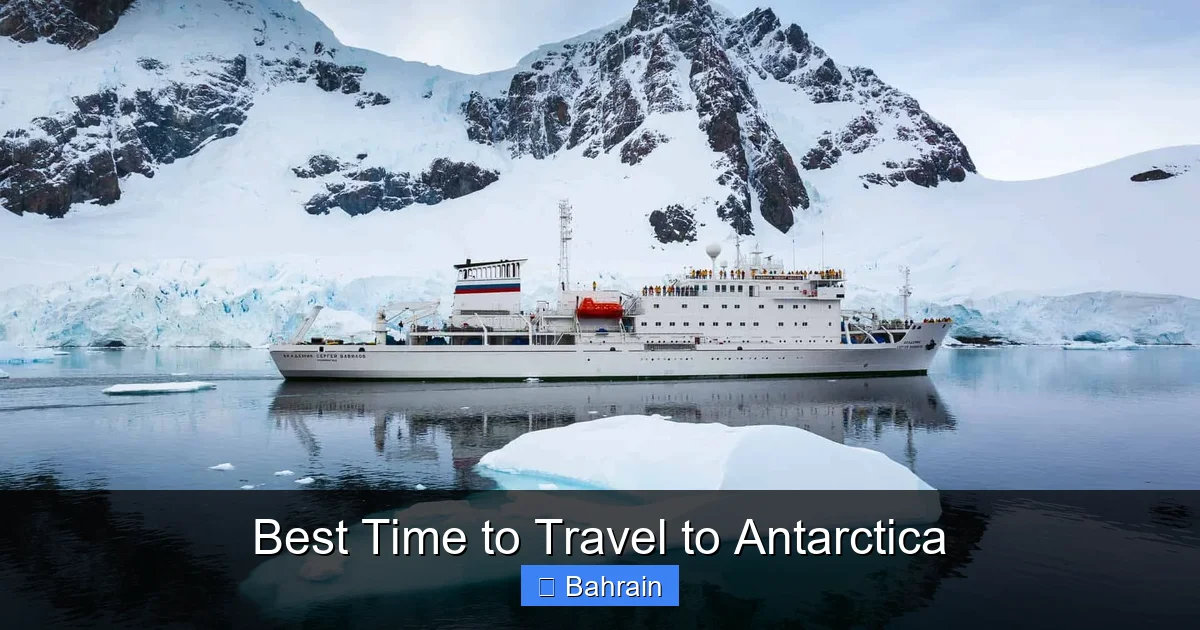
Visual guide about Best Time to Travel to Antarctica
Image source: theplanetd.com
What to Expect: Fresh Ice, Courtship Rituals
When you travel in November or early December, Antarctica is just emerging from its long winter slumber. The landscapes are utterly pristine, blanketed in fresh, untouched snow, and colossal icebergs, freshly calved, dominate the waters. These ice sculptures can be even more dramatic and numerous early in the season, often boasting incredible shades of blue and white. The sea ice is still extensive, particularly further south, which means your ship might be navigating through more ice than later in the season. This can make for spectacular scenery and interesting navigation.
Wildlife-wise, this is a fascinating time for birdwatchers and penguin enthusiasts. Penguins are returning to their colonies, busily engaging in courtship rituals, nest building, and egg-laying. Witnessing these dedicated creatures meticulously constructing their nests with pebbles, squawking loudly, and vying for mates is a truly captivating sight. You’ll see thousands of birds, sometimes tens of thousands, all getting ready for the breeding season. You might also spot various seal species lounging on ice floes.
Pros & Cons
- Pros: Stunning, pristine snowy landscapes; dramatic ice formations; fresh, untouched appearance; penguin courtship and nest building; fewer crowds compared to peak season; potentially lower prices; unique sense of being among the first explorers of the season.
- Cons: Generally colder temperatures; sea ice can be more extensive, potentially limiting access to some landing sites; slightly less guaranteed wildlife action (e.g., no penguin chicks yet, fewer whales).
Ideal for Whom?
This period is ideal for photographers looking for breathtaking, untouched snowscapes and dramatic ice. It’s also perfect for those who want to witness the very beginning of the penguin breeding cycle and prefer a quieter, less crowded experience. If your idea of the best time to travel to Antarctica involves unspoiled wilderness and pioneering spirit, consider late November to early December.
Mid-December to January: Peak Season, Peak Wildlife Activity
This two-month stretch is often considered the most popular time to visit Antarctica, and for good reason. It’s the height of the austral summer, offering the best weather and the most intense wildlife activity. If you’re wondering about the best time to travel to Antarctica for an all-around classic experience, this is it.
What to Expect: Hatching Chicks, Abundant Food
From mid-December through January, Antarctica truly comes alive. The daylight hours are at their longest, often stretching to nearly 20 hours a day, providing ample time for shore excursions and wildlife viewing. Temperatures are at their warmest, hovering around the freezing mark or slightly above, which can make landings more comfortable. The sea ice has retreated considerably, opening up more navigational routes and access to a greater number of landing sites.
The wildlife spectacle during this period is unparalleled. Penguin chicks begin hatching, transforming the colonies into bustling nurseries. You’ll witness the adorable fluff-ball chicks begging for food, learning to walk, and eventually molting. The sheer volume of life, from parent penguins tirelessly foraging to protect their young, is incredible. Seal pups are also born around this time, adding another layer of charm to the landscape. Whale sightings also become more frequent as the season progresses into January, with various species returning to feed in the krill-rich waters.
Pros & Cons
- Pros: Warmest temperatures; longest daylight hours; highest concentration of wildlife activity (penguin chicks hatching, seal pups); maximum number of accessible landing sites; ideal conditions for various adventure activities like kayaking and zodiac cruises.
- Cons: Highest demand and therefore highest prices; largest crowds; requires booking far in advance; landscapes can be a little less pristine (more melted snow, penguin guano).
Ideal for Whom?
This is the prime time for families, first-time visitors, and anyone whose priority is seeing the most wildlife possible, especially penguin chicks and seal pups. It’s also ideal for those who prefer slightly milder weather and maximum daylight for photography and exploration. If you seek the quintessential Antarctic experience with abundant life, mid-December to January offers the best time to travel to Antarctica.
February to March: Whale Wonders and Fewer Crowds
As the Antarctic summer begins to wane, a new charm emerges, particularly appealing to those with specific interests. The late season, from February to early March, offers a different, yet equally captivating, experience. For many, this is the best time to travel to Antarctica if whale watching is your top priority.
What to Expect: Whale Migration, Growing Chicks
February is often hailed as the prime month for whale watching in Antarctica. As the krill populations explode in the warming waters, vast numbers of humpback, minke, and fin whales migrate to the nutrient-rich Antarctic feeding grounds. You’ll have an excellent chance to witness these magnificent creatures breaching, lunge feeding, and fluke-diving. It’s not uncommon to see multiple whale sightings in a single day, or even within an hour.
Penguin chicks, by this time, are rapidly growing, starting to shed their downy feathers for waterproof plumage, and venturing out on their own. Witnessing their first clumsy attempts to swim is a joy. Many adults will be starting their molting process, which can look a bit disheveled but is a crucial part of their annual cycle. The landscapes, while no longer pristine, reveal exposed rock formations and the raw geology of the continent, offering a different kind of beauty.
Pros & Cons
- Pros: Best opportunities for whale watching; penguin chicks are active and growing; often fewer crowds; potentially lower prices and last-minute deals; slightly calmer seas (statistically); dramatic sunsets as daylight shortens.
- Cons: Melting snow reveals more guano-stained areas in colonies; some landing sites might be harder to access due to melted snow; temperatures begin to drop towards March; shorter daylight hours compared to mid-season.
Ideal for Whom?
This period is absolutely perfect for whale enthusiasts, avid photographers seeking dramatic skies, and travelers who prefer a slightly quieter atmosphere with fewer ships and people. It’s also a good option for budget-conscious travelers looking for potential savings. If you’re a whale lover or prefer a more intimate experience, February to early March could be the best time to travel to Antarctica for you.
Beyond the Calendar: Other Factors Influencing Your Choice
While the month you choose is crucial, it’s not the only factor. Your personal preferences, budget, and the specific activities you envision can also help define the best time to travel to Antarctica for your unique journey.
Specific Wildlife Interests
Are you obsessed with seeing a specific species? While most wildlife is present throughout the season, their activity cycles vary:
- Penguin Courtship & Nesting: November to early December
- Penguin Chicks: Mid-December to late January (hatching to early growth)
- Whale Watching: February to early March (peak activity)
- Seal Pups: Mid-December to January
- Bird Life (other than penguins): Throughout the season, but migratory birds arrive in early season.
Activity Preferences
Antarctica isn’t just about watching; it’s about experiencing. Many expedition ships offer a range of activities that might be better suited to certain conditions:
- Kayaking & Paddleboarding: Generally better in calmer waters and less extensive sea ice, often mid to late season.
- Camping: Usually offered in mid-season when temperatures are slightly milder and daylight is longest.
- Photography: Early season offers pristine snow; mid-season offers long daylight and abundant life; late season offers dramatic sunsets and whale action.
- Polar Plunge: Offered throughout the season, but perhaps a tad less shocking in mid-summer!
Budget & Availability
This is a significant practical consideration. Peak season (mid-December to January) typically commands the highest prices and sells out the fastest. If you’re flexible and budget-conscious, considering the shoulder seasons (late November/early December or late February/early March) can often lead to better deals and potentially last-minute availability. However, regardless of the period you choose, Antarctic expeditions are popular, so booking 12 to 18 months in advance is highly recommended to secure your preferred itinerary and cabin.
Route & Ship Type
Different ships and itineraries offer varied experiences. Some might focus on the Antarctic Peninsula, others venture further to the Weddell Sea for emperor penguins (a much rarer sight, only accessible on specific, longer voyages), or even across the Antarctic Circle. Larger ships offer more amenities but fewer landings, while smaller expedition vessels offer a more intimate experience with more flexibility for landings. Your ship choice can sometimes be more impactful than the exact timing when determining your best time to travel to Antarctica.
Conclusion: Every Moment is Magic in Antarctica
Deciding the best time to travel to Antarctica is a deeply personal choice, shaped by what you dream of experiencing in this extraordinary part of the world. There truly isn’t a single “bad” time to visit during the operational season, as each month offers its own unique magic and unforgettable moments.
Whether you envision vast, untouched snowscapes and penguin courtship in the early season, the bustling cacophony of penguin chicks and abundant daylight in the peak summer, or the awe-inspiring sight of whales breaching against a dramatic sunset in the late season, Antarctica will deliver. It’s a continent that defies expectations and leaves an indelible mark on every visitor.
Our advice? Consider your priorities carefully, do your research, and then trust that whichever window you choose within the austral summer, you are in for an adventure of a lifetime. Start planning your voyage now, and prepare to be utterly captivated by the raw, majestic beauty of the White Continent. Your journey to the end of the world awaits!
Frequently Asked Questions
How long is an Antarctic cruise typically?
Most standard Antarctic Peninsula cruises range from 10 to 14 days, including the sailing time through the Drake Passage. Longer itineraries extending to the Antarctic Circle or the Falkland Islands and South Georgia can last 18 to 25 days or more.
Do all cruises offer the same experiences?
No, experiences vary significantly based on the ship’s size, itinerary, and expedition focus. Smaller expedition ships offer more landings and activities, while larger vessels might have more amenities but fewer opportunities for shore visits due to IAATO regulations.
Is it very cold even in summer?
While it’s the “summer,” temperatures in the Antarctic Peninsula during the travel season typically range from -2°C to 5°C (28°F to 41°F). It’s cold, but with proper layered clothing, it’s very manageable and comfortable.
Can I fly directly to Antarctica?
Most travelers fly to Ushuaia, Argentina, or Punta Arenas, Chile, and then embark on a ship. Some specialized expeditions offer “fly-cruise” options where you fly directly over the Drake Passage to a research station or base on King George Island, then board your ship from there, reducing sea travel time.
What kind of clothing should I pack?
Packing layers is essential, including waterproof and windproof outer layers, warm mid-layers (fleece), thermal base layers, waterproof trousers, warm hats, gloves, scarves, and waterproof boots. Many expedition companies provide a waterproof parka and boots.
Is booking far in advance necessary?
Absolutely, yes! Antarctic expeditions are incredibly popular, and cabins, especially preferred categories or specific departure dates, can sell out 12 to 18 months in advance. Early booking ensures you get your desired itinerary and price.