Sealand Traveler Rv Toilet Valve
The Sealand Traveler RV toilet valve is a crucial component for the proper function of your RV’s toilet system, controlling water flow for flushing and maintaining a watertight seal. Understanding its operation, common issues, and simple maintenance can prevent costly repairs and unpleasant surprises on the road. This guide empowers RV owners with the knowledge to troubleshoot, maintain, and even replace this vital part, ensuring a hassle-free journey.
Hey there, fellow RV enthusiasts! Picture this: you’re out on the open road, the sun is shining, and your RV is taking you to incredible new places. Life is good, right? But then, disaster strikes – your RV toilet starts acting up. Maybe it’s leaking, not holding water, or just not flushing properly. Suddenly, that picture-perfect adventure can feel a little less appealing. More often than not, the culprit behind these common annoyances is a small but mighty component: the Sealand Traveler RV toilet valve.
This little hero is absolutely vital for the smooth operation of your RV’s sanitation system. Without it working correctly, you could be facing not just an inconvenient mess, but potentially unpleasant odors and even water damage. Understanding how your Sealand Traveler RV toilet valve works, what can go wrong, and how to fix it is key to maintaining peace of mind on all your journeys. It might sound daunting, but trust me, with a bit of knowledge and some straightforward tips, you’ll be a pro in no time!
In this comprehensive guide, we’re going to dive deep into everything you need to know about the Sealand Traveler RV toilet valve. We’ll explore its function, identify common problems, walk through troubleshooting steps, share essential maintenance advice, and even cover how to tackle a replacement yourself. So, grab a cup of coffee, get comfortable, and let’s make sure your RV toilet system stays in tip-top shape for all the adventures ahead!
Key Takeaways
- Crucial Component: The Sealand Traveler RV toilet valve is essential for your RV toilet’s functionality, controlling water intake for flushing and maintaining a seal to prevent odors and leaks.
- Common Issues: Leaks, improper flushing (too much or too little water), and sticky or non-operating foot pedals are frequent signs of a failing valve, often due to wear, debris, or freezing damage.
- Preventative Maintenance: Regular flushing with fresh water, using RV-safe chemicals, lubricating seals, and proper winterization are key steps to extend the life of your Sealand Traveler valve.
- Troubleshooting Steps: Before replacing, check for simple fixes like debris obstruction, pedal adjustment, or mineral buildup. Many issues can be resolved with basic tools and a little know-how.
- DIY Replacement is Feasible: Replacing a faulty Sealand Traveler RV toilet valve is a manageable DIY project for most RV owners, requiring basic tools and careful attention to instructions.
- Importance of Quality Parts: When replacing, opt for genuine Sealand or high-quality aftermarket parts to ensure compatibility and durability, saving future headaches.
- Enjoy Peace of Mind: A well-maintained or properly replaced Sealand Traveler valve guarantees a reliable toilet system, contributing significantly to a comfortable and worry-free RV experience.
Quick Answers to Common Questions
What is the main function of the Sealand Traveler RV toilet valve?
Its main function is to control the flow of water into the toilet bowl for flushing and to maintain a watertight seal at the bottom of the bowl to prevent odors from escaping the black tank.
How do I know if my Sealand Traveler RV toilet valve is leaking?
You might notice a slow drip into the toilet bowl when it should be sealed, constant water usage, or water leaking externally around the base of the toilet or from the valve body itself.
Can I repair a cracked Sealand Traveler RV toilet valve?
No, if the valve body itself is cracked, it typically cannot be repaired and requires a complete replacement of the entire valve assembly.
What type of lubricant should I use for my Sealand Traveler RV toilet valve?
Always use an RV-safe silicone-based lubricant for any moving parts or seals, as petroleum-based products can damage rubber components.
Is replacing a Sealand Traveler RV toilet valve a difficult DIY task?
While it requires some basic tools and attention to detail, replacing a Sealand Traveler RV toilet valve is generally considered a manageable DIY project for most RV owners.
📑 Table of Contents
- Understanding Your Sealand Traveler RV Toilet Valve
- Common Issues with the Sealand Traveler RV Toilet Valve
- Troubleshooting Your Sealand Traveler RV Toilet Valve
- Maintenance Tips for Your Sealand Traveler RV Toilet Valve
- When and How to Replace Your Sealand Traveler RV Toilet Valve
- Conclusion: Enjoying a Reliable RV Sanitation System
Understanding Your Sealand Traveler RV Toilet Valve
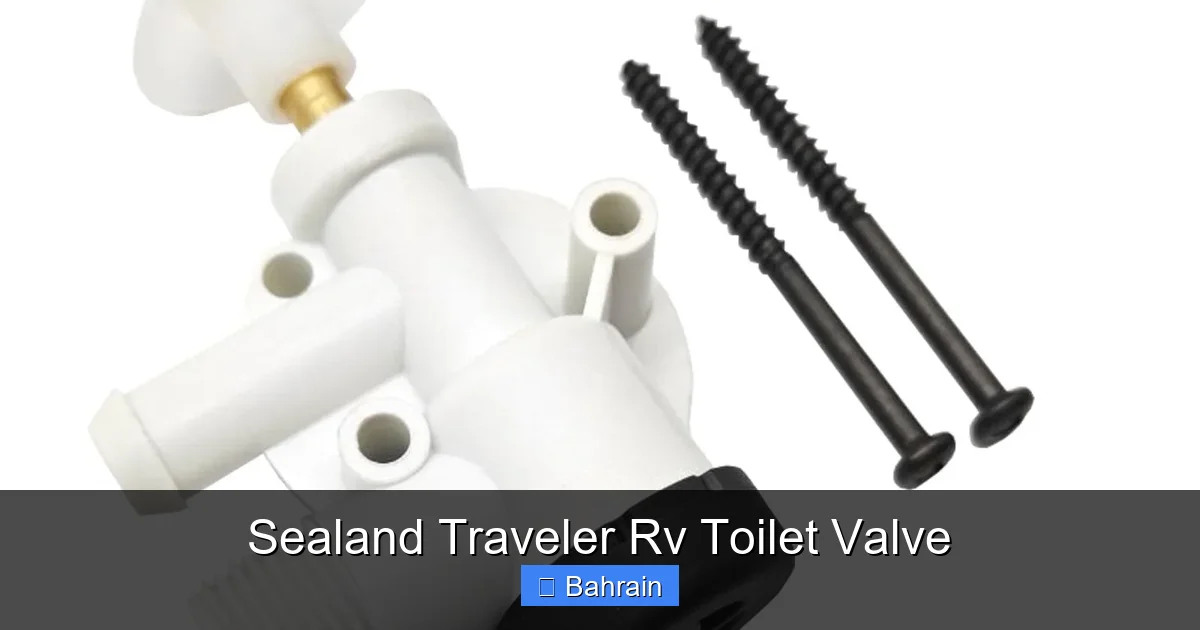
The Sealand Traveler RV toilet valve is essentially the heart of your RV toilet’s flushing mechanism. It’s a critical component, typically located at the rear or base of the toilet, that controls the flow of water into the bowl and maintains a watertight seal when the toilet isn’t in use. When you press or step on the foot pedal, this valve opens, allowing fresh water to enter the bowl, and simultaneously opens the waste ball to allow waste to pass into the black tank. Release the pedal, and the valve closes, refilling the bowl with a small amount of water to create a seal against odors.
What Does it Do?
At its core, the Sealand Traveler RV toilet valve performs two primary functions. Firstly, it regulates the supply of fresh water to the toilet bowl. This water is crucial for both flushing waste and rinsing the bowl clean. Secondly, and equally important, it acts as a seal. When the flush pedal is released, the valve closes, creating a water barrier at the bottom of the bowl. This water barrier is what prevents unpleasant odors from escaping the black tank and entering your living space. Think of it as a gatekeeper, ensuring everything stays where it should.
How it Works
When you operate the flush pedal on your Sealand Traveler toilet, a series of actions takes place within the valve assembly. The pedal is linked to both the water valve and the waste ball mechanism. As you press down, the water valve progressively opens, allowing water to flow into the bowl. Simultaneously, the waste ball (often referred to as the “blade” or “flap”) at the bottom of the bowl begins to rotate or slide open, allowing waste to drop into the black tank below. Releasing the pedal causes the waste ball to close, followed by the water valve, which then refills the bowl to the correct level for sealing. Proper synchronization and sealing are vital for the entire system to work correctly.
Common Issues with the Sealand Traveler RV Toilet Valve
Visual guide about Sealand Traveler Rv Toilet Valve
Image source: ifjf.net
Even the most robust components can encounter problems, and the Sealand Traveler RV toilet valve is no exception. Recognizing these common issues early can save you a lot of headache and potential damage. Most problems stem from wear and tear, mineral buildup, or improper use.
Leaking Valves
One of the most frequently reported issues is a leaking Sealand Traveler RV toilet valve. A leak can manifest in several ways. You might notice a slow drip into the toilet bowl when it should be sealed, leading to constant water usage and a quickly filling black tank. Alternatively, water might be leaking externally from the valve body itself, often visible around the base of the toilet. Internal leaks into the bowl are typically caused by worn-out seals or debris caught in the valve, preventing a complete seal. External leaks often point to a crack in the valve housing, a loose connection, or a failing O-ring where the valve connects to the water supply line.
Not Flushing Properly (Too Much or Too Little Water)
Another common complaint is an inconsistent flush. This can mean either too much water entering the bowl, leading to rapid black tank filling, or too little water, which results in poor flushing efficiency and waste lingering in the bowl. If too much water is flowing, the valve might not be closing completely. This could be due to a faulty spring mechanism, mineral deposits preventing full closure, or simply the foot pedal not returning to its fully closed position. Conversely, if too little water is entering, the valve might not be opening fully, perhaps due to a blockage in the water inlet screen or a mechanical issue with the pedal linkage.
Sticking or Non-Operating Pedal
The foot pedal is your primary interface with the Sealand Traveler RV toilet valve. If the pedal becomes stiff, sticky, or fails to operate the valve and waste ball correctly, your toilet becomes unusable. A sticky pedal can be caused by rust, corrosion, or debris accumulating in the pedal mechanism. If the pedal doesn’t return to its original position, it can prevent the valve from fully closing and sealing. In more severe cases, the pedal might completely detach or break, requiring immediate attention. Sometimes, the linkage between the pedal and the valve can become bent or disconnected, leading to a complete lack of operation.
Odor Problems
While not always directly a valve issue, a failing Sealand Traveler RV toilet valve can certainly contribute to unpleasant odors. If the valve isn’t sealing properly, even a tiny gap can allow sewer gases from the black tank to waft into your RV. This is why maintaining that small pool of water in the bowl is so important. If your toilet isn’t holding water in the bowl after flushing, the valve is likely the culprit, and addressing the leak will resolve the odor issue.
Troubleshooting Your Sealand Traveler RV Toilet Valve
Before you reach for the replacement parts, it’s always a good idea to try some basic troubleshooting. Many issues with the Sealand Traveler RV toilet valve can be resolved with a little investigation and a few simple adjustments. Always start with the easiest and least invasive solutions first.
Step-by-Step Diagnostic Guide
1. Check Water Supply: Ensure your RV’s water pump is on, or you’re connected to city water, and there’s adequate water pressure. A weak water flow might not be a valve issue at all.
2. Inspect the Water Inlet Screen: Often, debris can clog the small screen where the water line connects to the Sealand Traveler RV toilet valve. Turn off the water supply, disconnect the line, and clean any sediment from the screen.
3. Examine the Foot Pedal Linkage: Look under the toilet to observe the mechanism. Is the pedal freely moving? Is it connected properly to the valve? Sometimes, a simple bend in the linkage or a loose screw can be the problem. Lubricating moving parts with a silicone-based lubricant can also help a sticky pedal.
4. Observe the Waste Ball/Blade: With the water off, use a gloved hand or a tool to gently open and close the waste ball. Does it move smoothly? Is there any debris (like toilet paper or feminine hygiene products) caught under it preventing a full seal? Clear any obstructions.
5. Check for Visible Cracks or Damage: Shine a flashlight around the Sealand Traveler RV toilet valve body. Look for any visible cracks, especially if you suspect an external leak. Freezing temperatures without proper winterization are a common cause of such damage.
6. Test for Internal Leaks: If water isn’t holding in the bowl, try pouring a small amount of water dyed with food coloring into the bowl. Wait a few minutes. If the colored water disappears or drips out, you’ve confirmed an internal leak. This usually points to a worn internal seal or debris.
Simple Fixes and Adjustments
* Cleaning Seals: If you suspect debris is causing a leak, try flushing with plenty of clean water. For stubborn mineral buildup, a mild vinegar solution can sometimes help. Fill the bowl with a vinegar-water mix and let it sit for a few hours (or even overnight) to dissolve deposits.
* Lubricating Moving Parts: For a stiff pedal or waste ball, use an RV-safe silicone lubricant. Avoid petroleum-based products as they can damage rubber seals. Apply to the pedal pivot points and around the waste ball seal.
* Adjusting Pedal Tension: Some Sealand Traveler toilet models allow for minor adjustments to the pedal tension, which can affect how fully the valve opens and closes. Consult your toilet’s manual for specific instructions.
* Flushing Techniques: Teach everyone using the RV toilet to hold the pedal down long enough for a complete flush and to ensure the waste ball closes fully, leaving water in the bowl.
Maintenance Tips for Your Sealand Traveler RV Toilet Valve
Proactive maintenance is the best defense against plumbing woes. A little care for your Sealand Traveler RV toilet valve goes a long way in ensuring its longevity and reliability, keeping your RV adventures stress-free.
Regular Cleaning and Lubrication
Regularly clean your RV toilet, including the area around the waste ball and the flush valve. Use RV-safe toilet bowl cleaners – harsh household chemicals can damage seals and plastic components. Every few months, or if you notice any stiffness, apply a silicone-based lubricant to the waste ball seal and the pedal mechanism. This keeps things moving smoothly and helps maintain the seal’s integrity. Simply squirt a bit of lubricant into the bowl and work the pedal a few times.
Using the Right Products
Always use RV-specific toilet paper, which is designed to break down quickly and prevent clogs. Avoid flushing anything other than RV toilet paper and human waste. When using tank treatments, opt for enzyme-based products that break down waste and lubricate the system, rather than harsh chemical treatments that could degrade plastic and rubber over time, potentially affecting your Sealand Traveler RV toilet valve.
Proper Winterization
If you live in or travel to areas with freezing temperatures, proper winterization is absolutely crucial. Water left in the Sealand Traveler RV toilet valve can freeze, expand, and crack the valve body, leading to significant leaks and requiring a complete replacement.
* Drain all water: Ensure the fresh water system is fully drained, including the water line leading to the toilet.
* Blow out lines: Use compressed air to blow out any residual water from the lines.
* Add RV antifreeze: Flush a small amount of RV-specific non-toxic antifreeze into the toilet. Hold the pedal down until you see the pink antifreeze coming through the valve and into the black tank. This ensures the valve itself is protected.
Monitoring for Early Signs of Trouble
Pay attention to any changes in your toilet’s operation. Is the flush weaker? Is the bowl losing water faster than usual? Is the pedal feeling different? Addressing these minor issues early can prevent them from escalating into major repairs. Regular checks mean you’re more likely to catch a problem with your Sealand Traveler RV toilet valve before it ruins your trip.
When and How to Replace Your Sealand Traveler RV Toilet Valve
Sometimes, despite your best troubleshooting and maintenance efforts, a Sealand Traveler RV toilet valve simply needs to be replaced. This is often the case if there’s a visible crack in the valve body, if internal seals are irrevocably damaged, or if mechanical components are broken beyond repair. The good news is that replacing the valve is a manageable DIY project for most RV owners.
Deciding on Replacement vs. Repair
A full replacement is generally recommended if:
* The valve body itself is cracked (often due to freezing).
* The leak persists after cleaning and lubricating the seals.
* Mechanical components of the valve (e.g., springs, gears) are broken.
* The toilet is old, and replacement parts for internal seals are hard to find, or the cost of individual parts approaches the cost of a new valve assembly.
For simple seal issues, sometimes a seal kit is available and can be a cost-effective repair. However, for most significant issues affecting the core functionality or structural integrity, replacing the entire Sealand Traveler RV toilet valve assembly is the most reliable long-term solution.
Tools You’ll Need
Before you start, gather your tools:
* Adjustable wrench or pliers (for water line connections)
* Screwdriver (Phillips and/or flathead, depending on your toilet model)
* Bucket or towels (to catch any residual water)
* New Sealand Traveler RV toilet valve replacement kit (ensure it’s the correct model for your toilet!)
* RV-safe thread sealant tape or pipe thread compound
* Gloves
* Flashlight
Step-by-Step Replacement Guide
1. Turn off Water Supply: Crucially, turn off the water pump or disconnect from city water. Then, flush the toilet to relieve any pressure in the line.
2. Disconnect Water Line: Locate the water supply line attached to the back of the Sealand Traveler RV toilet valve. Place a bucket or towels underneath to catch any drips. Use your wrench or pliers to carefully loosen and remove the water line.
3. Drain Residual Water: There might be some water remaining in the valve body. Tip the toilet gently if possible, or use towels to soak up any water.
4. Remove the Toilet: Depending on your Sealand Traveler model, you’ll need to remove the toilet from the floor. This usually involves removing two nuts or bolts located at the base of the toilet, often hidden under plastic caps. Lift the toilet straight up and away from the floor flange, being careful not to damage the toilet seal (gasket).
5. Access the Valve: Once the toilet is removed, you’ll have better access to the Sealand Traveler RV toilet valve, which is usually secured to the toilet base with a few screws or clips.
6. Remove Old Valve: Unscrew or unclip the old valve and carefully detach it. Note how it’s oriented and connected for easier installation of the new one.
7. Install New Valve: Attach the new Sealand Traveler RV toilet valve, ensuring all screws and clips are securely fastened. Make sure any seals or gaskets that come with the new valve are properly seated.
8. Reinstall Toilet: Carefully place the toilet back onto the floor flange, ensuring it aligns with the drain hole and the floor bolts. Tighten the nuts or bolts, but don’t overtighten, as this can crack the toilet base.
9. Reconnect Water Line: Apply new thread sealant tape or pipe thread compound to the threads of the water inlet connection on the new valve. Reconnect the water supply line, tightening it firmly but not excessively.
10. Test for Leaks: Turn the water supply back on slowly and check for any leaks around the water line connection and the base of the toilet. Flush the toilet several times to ensure proper operation and check for any internal leaks or drips.
Conclusion: Enjoying a Reliable RV Sanitation System
Maintaining your Sealand Traveler RV toilet valve might seem like a small detail in the grand scheme of RVing, but it’s one that profoundly impacts your comfort and peace of mind. A properly functioning toilet system is non-negotiable for an enjoyable road trip, preventing everything from inconvenient leaks to unpleasant odors. By understanding the function of this vital component, recognizing common problems, and knowing how to troubleshoot, maintain, and even replace it, you’re empowering yourself to handle almost anything the road throws your way.
Remember, prevention is always better than cure. Regular cleaning, using RV-safe products, and especially thorough winterization can significantly extend the life of your Sealand Traveler RV toilet valve. And when a replacement is necessary, you now have the knowledge and confidence to tackle it yourself, saving on repair costs and adding another valuable skill to your RV owner’s toolkit. So, go forth, explore, and enjoy your adventures with a reliable, leak-free sanitation system – because every RV journey should be about making memories, not fixing plumbing!
Frequently Asked Questions
What causes a Sealand Traveler RV toilet valve to leak into the bowl?
Leaks into the bowl are most commonly caused by worn-out rubber seals within the valve, or by debris like toilet paper or mineral buildup getting caught and preventing the valve from closing completely. Freezing damage can also crack the valve body, leading to persistent leaks.
How often should I perform maintenance on my Sealand Traveler RV toilet valve?
While there’s no strict schedule, it’s good practice to lubricate the waste ball seal and pedal mechanism with an RV-safe silicone lubricant every few months or whenever you notice stiffness. Regular cleaning and proper winterization are also crucial annual maintenance steps.
Can harsh cleaning chemicals damage my Sealand Traveler RV toilet valve?
Yes, harsh household cleaning chemicals, especially those containing bleach or petroleum-based solvents, can degrade the rubber seals and plastic components of your Sealand Traveler RV toilet valve over time, leading to leaks or malfunction. Always use RV-safe toilet cleaners.
My Sealand Traveler toilet pedal is stiff. What should I do?
First, try applying an RV-safe silicone lubricant to the pivot points of the pedal and around the waste ball seal. Work the pedal several times to distribute the lubricant. If it remains stiff, inspect the linkage underneath the toilet for any corrosion, debris, or bent components.
What is the importance of winterizing the Sealand Traveler RV toilet valve?
Winterizing is critical to prevent water trapped within the valve from freezing and expanding, which can crack the plastic valve body. This damage will lead to significant leaks and require a costly full valve replacement when temperatures rise.
Are all Sealand Traveler RV toilet valves interchangeable?
No, Sealand Traveler RV toilet valves are not universally interchangeable. Different Sealand toilet models may require specific valve assemblies. Always ensure you purchase a replacement valve that is explicitly designed for your exact Sealand Traveler toilet model to guarantee proper fit and function.