Best Time to Travel to Spain
The best time to travel to Spain largely depends on your priorities and what you hope to experience. For pleasant weather, fewer crowds, and vibrant festivals, spring (April-May) and fall (September-October) are generally ideal across most regions. Summer offers sun-drenched beaches and lively cities but also higher temperatures and peak tourist numbers, while winter provides mild city breaks, excellent skiing, and budget-friendly options.
Best Time to Travel to Spain
Spain, a land of vibrant culture, stunning landscapes, and mouth-watering cuisine, beckons travelers with its diverse charm. From the sun-drenched beaches of the Costa del Sol to the snowy peaks of the Pyrenees, and from the ancient Moorish palaces of Andalusia to the futuristic architecture of Barcelona, there’s truly something for everyone. But with such variety, one question frequently arises for eager adventurers: what is the absolute best time to travel to Spain?
The truth is, there isn’t a single, one-size-fits-all answer. The “best” time depends entirely on your personal preferences, what kind of activities you have in mind, and which regions you plan to explore. Spain’s climate varies significantly from north to south and coast to inland, meaning that the ideal season for a beach holiday in Valencia might be completely different from the perfect time for a hiking trip in the Picos de Europa. This comprehensive guide will break down Spain’s seasons, highlighting the pros and cons of each, to help you pinpoint your perfect window to experience this magnificent country.
Let’s dive in and explore the ins and outs of planning your Spanish adventure, ensuring you pick the best time to travel to Spain for *your* dream vacation. We’ll cover everything from weather patterns and crowd levels to festivals and budget considerations, helping you make an informed decision for an unforgettable journey.
Key Takeaways
- Spring (April-May) is often considered the overall best time to travel to Spain: You’ll enjoy mild temperatures, blooming landscapes, and a plethora of cultural festivals like Semana Santa and Feria de Abril, all while avoiding the peak summer crowds.
- Autumn (September-October) offers a fantastic balance: Similar to spring, temperatures are comfortable, tourist numbers begin to dwindle, and it’s an excellent time for cultural exploration, hiking, and experiencing the grape harvest.
- Summer (June-August) is perfect for beach lovers and nightlife: Expect hot weather, especially inland, and crowded coastal areas. Book accommodations and flights well in advance if traveling during these months.
- Winter (December-February) is ideal for city breaks and skiing: Southern Spain enjoys mild winters, while the Pyrenees and Sierra Nevada offer great ski conditions. It’s also the most budget-friendly season for general travel.
- Regional variations are significant: Southern Spain (Andalusia) is very hot in summer, while the north (Basque Country, Galicia) remains cooler and wetter. Plan your season based on your specific Spanish destination.
- Consider local festivals and holidays: Major events like Easter (Semana Santa) or local fiestas can significantly impact crowd levels and prices, so research these for your chosen dates.
- Budget travelers benefit from shoulder seasons or winter: Prices for flights and accommodation are generally lower outside of the peak summer months and major holiday periods.
Quick Answers to Common Questions
Is Spain too hot in August?
Yes, August is typically the hottest month in Spain, especially in inland and southern regions where temperatures can exceed 100°F (38°C). Coastal areas are generally more tolerable due to sea breezes.
When is the cheapest time to visit Spain?
The cheapest time to visit Spain is generally during the winter months (November to February), excluding the Christmas and New Year holiday period, when demand for flights and accommodation is lower.
What are the best months for hiking in Spain?
The best months for hiking in Spain are spring (April-May) and autumn (September-October) when temperatures are mild and comfortable across most regions, and the landscapes are beautiful.
Is it rainy in Spain in spring?
Spring in Spain can have some rain, especially in March and April, but it usually comes in short bursts and is less disruptive than prolonged winter rains. The weather is generally pleasant and sunny.
When are the biggest festivals in Spain?
Some of Spain’s biggest festivals, like Semana Santa (Holy Week) and Feria de Abril in Seville, occur in spring (late March/April). Las Fallas in Valencia also happens in March, drawing huge crowds.
📑 Table of Contents
- Spring (March, April, May): The Golden Window for Most Travelers
- Summer (June, July, August): Sun, Sand, and Lively City Vibes
- Autumn (September, October, November): Cultural Charms & Harvest Hues
- Winter (December, January, February): Cozy Escapes & Festive Spirit
- Tailoring Your Trip: What’s Your Priority?
- Conclusion
Spring (March, April, May): The Golden Window for Most Travelers
Many seasoned travelers and locals alike will tell you that spring is hands down one of the best times to travel to Spain. The weather is generally delightful, landscapes are bursting with color, and the cultural calendar is packed with exciting events.
Mild Weather & Blooming Landscapes
During March, April, and May, Spain experiences a delightful transition from winter chill to summer warmth. Temperatures are mild and comfortable across most regions, ranging from the mid-50s to high 70s Fahrenheit (13-25°C). The south, like Andalusia, warms up earlier, often reaching pleasant beach temperatures by late May, while the northern regions remain cooler and greener. Rainfall is moderate but generally doesn’t disrupt travel plans for extended periods.
This is the season when Spain’s countryside truly comes alive. Almond blossoms give way to vibrant wildflowers, and orange groves fill the air with their sweet scent. It’s an ideal time for exploring cities on foot, enjoying leisurely lunches on sun-drenched terraces, or embarking on scenic road trips without the oppressive summer heat. Imagine strolling through Seville’s Santa Cruz quarter with a gentle breeze, or hiking in the Sierra Nevada foothills where the air is crisp and clean.
Festivals Galore & Cultural Immersion
Spring is perhaps Spain’s most festive season. The country comes alive with celebrations that offer deep dives into Spanish culture.
- Semana Santa (Holy Week): Usually occurring in late March or April, this is one of Spain’s most profound and moving events. Processions take over city streets, particularly in Andalusia (Seville is world-renowned), creating an unforgettable spiritual and cultural experience. If you plan to visit during Semana Santa, book accommodation and transport far in advance, as prices soar and crowds are immense.
- Feria de Abril (April Fair) in Seville: Immediately following Semana Santa, Seville erupts into a week-long celebration of flamenco, horse riding, and joyous festivity. It’s a spectacular display of Andalusian culture, with thousands donning traditional attire.
- Las Fallas in Valencia (March): A truly unique festival where gigantic papier-mâché sculptures are paraded through the streets before being spectacularly burned. It’s loud, vibrant, and a once-in-a-lifetime experience.
- Cordoba Patios Festival (May): The stunning courtyards of Cordoba are opened to the public, adorned with incredible floral displays, competing for prestige. It’s a beautiful, fragrant spectacle.
These events make spring an exceptional choice if cultural immersion is high on your list for the best time to travel to Spain.
Avoiding the Crowds (Mostly)
While major festivals like Semana Santa attract huge crowds, generally, spring sees fewer tourists than the peak summer months. This means shorter lines at major attractions like the Alhambra or Park Güell, more availability for popular restaurants, and a more relaxed pace overall. You’ll find better deals on flights and accommodation compared to July and August, though prices for specific festival dates will naturally be higher.
Summer (June, July, August): Sun, Sand, and Lively City Vibes
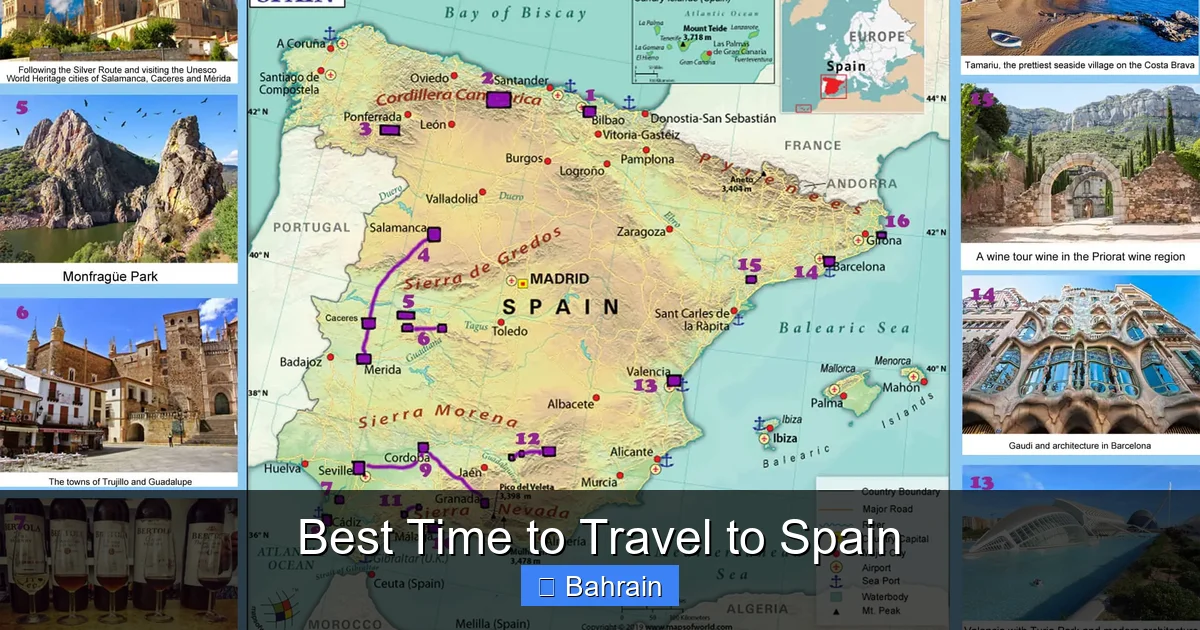
Visual guide about Best Time to Travel to Spain
Image source: bbqboy.net
For many, summer epitomizes vacation, and Spain certainly delivers on that front. If your priority is soaking up the sun, enjoying the Mediterranean Sea, and experiencing vibrant nightlife, then summer is definitely the best time to travel to Spain for you.
Beach Bliss & Coastal Escapes
From the Costa Brava in Catalonia to the Balearic Islands (Mallorca, Ibiza) and the Canary Islands (which enjoy year-round spring-like weather), Spain boasts some of Europe’s most beautiful beaches. During summer, these coastal areas are at their prime, offering warm waters perfect for swimming, snorkeling, and various water sports. The northern coast, with its Atlantic influence, remains a bit cooler and greener, providing a refreshing alternative to the hot south.
Even the cities along the coast, like Barcelona and Valencia, offer excellent urban beaches where you can combine sightseeing with sunbathing. Resorts are in full swing, offering a plethora of activities and entertainment.
Vibrant Nightlife & Outdoor Activities
Spanish summers are synonymous with long, balmy evenings and a lively atmosphere. Terraces are packed, streets buzz with energy, and celebrations often extend well into the early hours. Cities like Madrid and Barcelona come alive after dark, with outdoor concerts, open-air cinemas, and countless bars and clubs.
While daytime temperatures can be high, evenings are perfect for al fresco dining and enjoying Spain’s legendary nightlife. Many towns host their local fiestas (verbena) during the summer, offering street parties, traditional dances, and fireworks. If you’re looking for a party atmosphere and a chance to truly unwind by the sea, this is your season.
Navigating the Heat & Crowds
The main caveat for summer travel is the heat. Southern Spain, particularly Andalusia (Seville, Cordoba), can experience scorching temperatures well into the 100s Fahrenheit (40°C+). Inland cities also get very hot. Air conditioning becomes a necessity, and midday siestas are not just a tradition but a practical strategy for locals. Coastal areas are generally more bearable due to sea breezes.
Crowds are another significant factor. July and August are peak tourist months, meaning popular attractions will have long queues, beaches will be packed, and prices for flights, accommodation, and even some local services will be at their highest. If you travel during this period, booking everything well in advance is crucial. Be prepared for a bustling, energetic, but potentially less intimate experience. For a more relaxed trip, it might not be the best time to travel to Spain.
Autumn (September, October, November): Cultural Charms & Harvest Hues
As the summer heat mellows, autumn emerges as another contender for the best time to travel to Spain, offering a wonderful blend of pleasant weather, fewer crowds, and unique seasonal experiences.
Pleasant Temperatures & Fewer Tourists
September and October are often lauded as perfect months for visiting Spain. The intense summer heat subsides, but the warmth lingers, especially in the south. Temperatures typically range from the low 60s to high 70s Fahrenheit (15-25°C), creating ideal conditions for sightseeing and outdoor activities. The sea remains warm enough for swimming along the coasts, particularly in September.
Critically, the massive summer crowds begin to dissipate. This means shorter waits, easier movement, and a more authentic feel in many popular destinations. While major cities like Madrid and Barcelona will always have a buzz, you’ll find it easier to book tours, dine at popular restaurants, and generally enjoy a more relaxed pace. November sees temperatures dip further, especially in the north and central regions, but southern Spain still enjoys relatively mild, sunny days.
Wine Harvest & Gastronomic Delights
Autumn is harvest season in Spain, making it an exceptional time for food and wine enthusiasts.
- Wine Harvest: Spain’s renowned wine regions, such as La Rioja and Ribera del Duero, are bustling with activity. Many wineries offer special tours and tasting events where you can witness the grape harvest firsthand. It’s an incredible opportunity to learn about Spanish winemaking and sample some exquisite vintages.
- Mushroom Foraging: In regions like Catalonia and Castile and León, mushroom foraging becomes a popular activity, leading to delicious seasonal dishes in local restaurants.
- Chestnut Roasts: As the weather cools, street vendors in many towns begin roasting chestnuts, a simple yet comforting autumn treat.
This focus on seasonal produce and traditional practices makes autumn a wonderfully immersive time for foodies looking for the best time to travel to Spain.
City Breaks & Hiking Opportunities
The comfortable temperatures make autumn an excellent season for city breaks. Exploring the historical neighborhoods of Toledo, walking along the ancient walls of Ávila, or discovering the art museums of Madrid are all incredibly enjoyable without the summer heat or winter chill.
For nature lovers, autumn also offers prime hiking conditions. The vibrant fall foliage in national parks like Ordesa y Monte Perdido in the Pyrenees or the Picos de Europa creates breathtaking scenery. It’s a fantastic time for active travelers to explore Spain’s diverse natural beauty.
Winter (December, January, February): Cozy Escapes & Festive Spirit
Winter in Spain might not be the first choice for everyone, but it offers unique advantages, from mild southern sunshine to snowy mountain slopes and a festive, local atmosphere. It can certainly be the best time to travel to Spain for specific interests or budget-conscious travelers.
Mild Southern Winters & Ski Adventures
While central and northern Spain can be chilly and sometimes snowy, southern Spain enjoys remarkably mild winters. Cities like Seville, Malaga, and Valencia often experience sunny days with temperatures in the 50s and 60s Fahrenheit (10-18°C). This makes it an ideal escape for those looking to avoid harsh northern European winters. You can still enjoy outdoor dining and sightseeing without needing heavy layers.
On the other hand, for winter sports enthusiasts, Spain offers excellent skiing. The Pyrenees, bordering France, boast several well-regarded resorts, and the Sierra Nevada mountain range, just a short drive from Granada in Andalusia, offers Europe’s southernmost ski resort with stunning views of the Mediterranean on clear days. Imagine skiing in the morning and relaxing on a sunny beach in the afternoon – a unique Spanish winter experience!
Christmas Markets & Local Traditions
December brings a magical festive atmosphere. Spain celebrates Christmas with its own unique charm, from elaborate nativity scenes (Belenes) to bustling Christmas markets selling artisanal crafts and traditional sweets. The Three Kings’ Parade on January 5th (Eve of Epiphany) is a particularly joyous event, with elaborate floats and candy distributed to children.
While not as widespread as in Germany, Spanish Christmas markets in cities like Madrid and Barcelona offer a charming experience. The general slower pace of winter also allows for a deeper dive into local life and traditions without the tourist rush.
Budget-Friendly Travel
Winter (excluding the Christmas and New Year period) is generally the most budget-friendly time to visit Spain. Flight and accommodation prices drop significantly, and there are often great deals to be found. Popular attractions are less crowded, offering a more serene and unhurried experience. If saving money and avoiding crowds are your top priorities, and you don’t mind cooler temperatures (or specifically want snow), then winter could be the best time to travel to Spain for you.
Tailoring Your Trip: What’s Your Priority?
As we’ve seen, the “best time” is truly subjective. To help you decide, let’s consider different travel priorities:
For Budget Travelers
Winter (excluding Christmas/New Year) and the very end of autumn (November) or beginning of spring (early March) offer the best value. Flights and hotels are typically at their lowest prices, and you’ll find fewer crowds. This is truly the best time to travel to Spain if your wallet is a key concern.
For Beach Lovers
Summer (June-August) is undeniable if sunbathing and swimming are your main goals. September can also be excellent, especially in the south and Balearic Islands, as the water remains warm and crowds start to thin.
For Culture Enthusiasts & Festival Goers
Spring (April-May) and autumn (September-October) are unparalleled. These seasons host a wealth of traditional festivals, art exhibitions, and cultural events. The comfortable weather also makes exploring museums, cathedrals, and ancient sites much more enjoyable.
For Outdoor Adventurers (Hiking, Cycling, etc.)
Spring (April-May) and autumn (September-October) provide the ideal conditions. The temperatures are perfect for sustained activity, and the natural landscapes are at their most beautiful, whether it’s blooming wildflowers or vibrant fall foliage. Avoid summer for strenuous activities, especially in the south.
For Foodies and Wine Lovers
Autumn (September-November) is a fantastic choice, coinciding with the grape harvest and mushroom season. Spring also offers fresh produce and lighter dishes, making both seasons excellent for culinary exploration.
For Avoiding Crowds
Winter (December-February, outside holidays) or the shoulder seasons (early March, November, late September) are your best bet. You’ll have a more peaceful experience at major attractions and a better chance to interact with locals.
Conclusion
Deciding the best time to travel to Spain ultimately comes down to what you dream of experiencing. Do you envision lively beach parties under a scorching sun, or serene city strolls amidst ancient architecture? Are you chasing vibrant festivals, world-class skiing, or the quiet beauty of a wine harvest?
* Spring (April-May) shines as a top choice for overall comfort, culture, and beautiful landscapes, offering a balance that appeals to most.
* Autumn (September-October) closely follows, providing similar benefits with the added bonus of gastronomic delights.
* Summer (June-August) is unbeatable for quintessential beach holidays and a buzzing atmosphere, provided you can handle the heat and crowds.
* Winter (December-February) offers unique opportunities for mild city breaks, skiing, and budget-friendly travel.
No matter when you choose to go, Spain promises an enriching and memorable adventure. By considering your priorities and the regional nuances, you can truly pinpoint the best time to travel to Spain for *your* perfect trip. Start planning now, and get ready to fall in love with this incredible country!
🎥 Related Video: When to Visit Spain: The BEST (and WORST) Times to Go
📺 Spain Speaks
Planning a trip to Spain but not sure when to go? In this video, we’ll reveal the best time to visit Spain and when it’s best to avoid it.
Frequently Asked Questions
What is the absolute best time to travel to Spain for sightseeing?
For comfortable sightseeing across most of Spain, the absolute best time is during the shoulder seasons of spring (April to May) and autumn (September to October). The weather is pleasantly mild, and there are fewer crowds at major attractions compared to the peak summer months, making for a more enjoyable exploration.
When should I visit Spain if I want to go to the beach but avoid extreme heat?
If you primarily want to enjoy the beaches but prefer to avoid the extreme heat of July and August, then late May to early June or the month of September are ideal. The sea temperatures are still warm enough for swimming, and the air temperatures are more comfortable and less stifling.
Are there any times I should avoid traveling to Spain?
While every season has its charms, you might want to avoid mid-July to mid-August if you dislike extreme heat, large crowds, and high prices, especially in popular coastal areas and southern cities. Similarly, popular festival dates like Semana Santa can be overwhelmingly crowded and expensive in specific locations if you’re not there specifically for the event.
What is the weather like in Northern Spain versus Southern Spain?
Northern Spain (e.g., Basque Country, Galicia) has an Atlantic climate, meaning it’s generally cooler and wetter year-round, with mild summers and temperate winters. Southern Spain (e.g., Andalusia) has a Mediterranean/semi-arid climate, characterized by very hot, dry summers and mild, relatively dry winters, though occasional rain does occur.
Is Spain a good winter destination?
Yes, Spain can be a fantastic winter destination depending on your interests. Southern Spain offers mild, sunny escapes from colder climates, while the Pyrenees and Sierra Nevada provide excellent skiing opportunities. Cities are less crowded, and cultural experiences abound, often at more budget-friendly prices.
How far in advance should I book my trip to Spain?
For peak travel times like summer (July-August) or during major festivals (e.g., Semana Santa, Las Fallas), it’s highly recommended to book flights and accommodation 3-6 months in advance. For shoulder seasons (spring and autumn), 2-3 months is usually sufficient, and in winter, you might find good deals even closer to your travel date, though earlier is always safer.