Best Car Booster Seat for Travel
Embarking on family trips requires careful planning, especially when it comes to child safety. Choosing the best car booster seat for travel is paramount to ensure your child remains secure and comfortable, no matter the destination. Prioritize lightweight, portable, and easy-to-install models that meet safety standards for a stress-free travel experience, allowing you to focus on making wonderful memories with your loved ones.
Ah, the thrill of travel! Whether it’s a quick weekend getaway across the region, a longer road trip exploring new landscapes, or an exciting international adventure, there’s nothing quite like creating memories with your family. But for parents, packing lists extend far beyond clothes and toiletries; safety, especially for our little ones, is always at the forefront of our minds. When your child has outgrown their five-point harness car seat but isn’t quite tall enough for the adult seatbelt, a booster seat becomes an absolute necessity.
However, a “regular” booster seat isn’t always the most practical option when you’re on the go. Lugging a bulky seat through an airport, fitting it into a compact rental car, or quickly transferring it to a taxi can turn excitement into exasperation. That’s where the concept of the **best car booster seat for travel** comes in. It’s about finding that perfect balance of safety, convenience, and portability, ensuring your child remains protected without adding unnecessary stress to your journey.
This comprehensive guide is designed to help you navigate the world of travel booster seats. We’ll explore what makes a booster seat ideal for travel, the crucial features to look for, and even offer some practical tips for seamless installation and usage on your adventures. Our goal is to empower you with the knowledge to choose a travel booster seat that gives you peace of mind, allowing you to truly enjoy every moment of your family’s explorations.
Key Takeaways
- Safety First: Always prioritize travel booster seats that meet strict safety certifications (like ECE R44/04, ECE R129, or FMVSS 213) and have undergone crash testing to ensure your child’s protection.
- Portability is Key: For travel, look for booster seats designed to be lightweight, foldable, or even inflatable, making them easy to carry, store, and transport on planes, trains, or in rental cars.
- Ease of Installation: Opt for models that are simple and quick to install using the vehicle’s standard seatbelt, which is crucial for frequent transfers between different cars (taxis, ride-shares, rental vehicles).
- Proper Fit for Your Child: Ensure the travel booster seat correctly positions the vehicle’s lap belt low across your child’s hips and the shoulder belt across the center of their chest, not on the neck or off the shoulder.
- Consider Your Travel Style: Backless boosters offer maximum compactness for older, taller children, while high-back boosters provide head and side impact protection and comfort for younger or sleepier passengers.
- Check Local Regulations: Before you travel, research the car seat and booster seat laws of your destination country or region, as requirements can vary significantly.
Quick Answers to Common Questions
When should my child transition to a booster seat for travel?
Your child is typically ready for a booster seat when they outgrow the height or weight limits of their forward-facing car seat with a harness, usually around 4-7 years old, over 18 kg (40 lbs), and can sit still for the entire ride.
Are inflatable booster seats safe for travel?
Yes, certified inflatable booster seats are safe for travel. Always ensure they meet recognized safety standards like ECE R44/04 or ECE R129, as these certifications confirm they have passed rigorous crash tests.
Can I use a travel booster seat in a taxi or ride-share?
Absolutely! Travel booster seats are ideal for taxis and ride-shares due to their portability and quick installation using the vehicle’s seatbelt. Always prioritize using a booster even if local laws are more lenient.
Do booster seats count as carry-on luggage on an airplane?
While booster seats cannot be used on an airplane, many compact travel boosters are small enough to fit in overhead bins or can be easily gate-checked, often without an additional fee, depending on the airline.
What’s the difference between a high-back and backless travel booster seat?
A high-back booster provides head and side-impact protection and helps correctly position the shoulder belt, ideal for younger or sleeping children. A backless booster is just the cushion, offering maximum portability for older, taller children who receive head support from the vehicle’s seat back.
📑 Table of Contents
- Understanding Booster Seats: More Than Just a Cushion
- Why a “Travel” Booster Seat is a Game-Changer
- Key Features to Prioritize in Your Travel Booster Seat
- Exploring Your Options: Types of Travel Booster Seats for Every Adventure
- Smooth Sailing: Installation & Usage Tips for Your Travel Booster
- Beyond the Seat: Holistic Travel Safety for Kids
Understanding Booster Seats: More Than Just a Cushion
Before diving into the specifics of travel-friendly options, let’s briefly recap what a booster seat does and why it’s so important. A booster seat isn’t just a simple cushion to make your child taller; it’s a vital safety device designed to properly position the vehicle’s adult seatbelt across your child’s smaller frame. Without it, the seatbelt can ride up onto their stomach or neck, leading to severe injuries in the event of a crash.
When is a Booster Seat Needed?
Generally, children are ready for a booster seat when they have outgrown the weight and height limits of their forward-facing car seat with a harness. This typically happens around 4 to 7 years old, but it’s crucial to follow the specific guidelines of your car seat manufacturer and local regulations. The golden rule for transitioning to a booster is usually when your child is at least 4 years old, weighs over 18 kg (40 lbs), and can comfortably sit still for the entire ride. They should stay in a booster until they are tall enough for the adult seatbelt to fit them correctly, usually when they reach about 145 cm (4 feet 9 inches) in height and are between 8-12 years old.
Types of Booster Seats
You’ll primarily encounter two main types of booster seats:
- High-Back Boosters: These seats come with a back and often a headrest. They provide additional head and neck support, especially important for younger booster-aged children or those who tend to fall asleep in the car. The back also helps to position the shoulder belt correctly. Many high-back boosters have adjustable headrests, allowing them to grow with your child.
- Backless Boosters: As the name suggests, these are essentially just the bottom cushion. They lift your child up so the lap belt fits correctly across their hips. A clip or guide is usually included to help position the shoulder belt. Backless boosters rely on the vehicle’s seat back to provide head support and are generally suitable for older, taller children who are better able to sit upright independently.
Both types are designed to achieve the same fundamental goal: ensuring the vehicle’s seatbelt fits your child safely. The choice often comes down to your child’s age, comfort needs, and your specific travel requirements.
Why a “Travel” Booster Seat is a Game-Changer
While any certified booster seat provides essential safety, a booster specifically designed for travel offers distinct advantages that make journeys smoother and less stressful. These aren’t just minor conveniences; they can significantly impact your travel experience.
Portability: The Ultimate Convenience Factor
The most significant differentiator for a travel booster seat is its portability. Traditional booster seats can be bulky and heavy, making them a nightmare to carry through airports, train stations, or even from one car to another. Travel boosters, on the other hand, prioritize lightweight materials, compact designs, and often feature folding mechanisms or even inflatable options. Imagine being able to tuck a booster seat into a backpack or a small carry bag – that’s the kind of convenience we’re talking about when seeking the **best car booster seat for travel**.
Installation Simplicity
When you’re in a foreign country, dealing with a rental car you’re unfamiliar with, or jumping into a taxi, the last thing you want is a complicated car seat installation process. Travel booster seats are typically designed for quick and intuitive installation using only the vehicle’s standard seatbelt. They usually don’t rely on LATCH systems, which might not be available or compatible in all vehicles, especially older models or international cars. This simplicity means less fumbling and more time enjoying your destination.
Versatility for Different Scenarios
A travel booster seat shines in a variety of travel scenarios. Whether you’re:
- Renting a car for a family road trip.
- Using ride-sharing services or taxis in a bustling city.
- Visiting grandparents or friends who don’t have a dedicated booster seat.
- Traveling internationally where local car seat rentals might be expensive, unavailable, or of uncertain quality.
Having your own portable booster gives you consistent safety and reliability, no matter what vehicle you find yourself in. It’s about having control over your child’s safety equipment wherever your adventures take you.
Key Features to Prioritize in Your Travel Booster Seat
When sifting through the many options available, keeping these critical features in mind will help you identify the **best car booster seat for travel** that meets your family’s specific needs.
Safety Certifications and Crash Testing
This is non-negotiable. Always ensure any booster seat you consider, travel or otherwise, meets stringent safety standards. In Europe and many parts of the Middle East (including Bahrain), look for ECE R44/04 or the newer ECE R129 (i-Size) certification. In the US, it’s FMVSS 213. These certifications mean the seat has undergone rigorous crash testing and meets minimum safety requirements. Don’t compromise on safety for convenience; the two can, and should, go hand-in-hand.
Optimal Seatbelt Fit
The primary purpose of a booster seat is to ensure the vehicle’s seatbelt fits correctly. Look for features that facilitate this:
- Lap Belt Positioning: The booster should position the lap belt low across your child’s upper thighs/hips, not over their soft abdomen.
- Shoulder Belt Guide: Whether it’s a slot in a high-back booster or a separate clip for a backless one, the shoulder belt guide should hold the shoulder belt across the middle of your child’s chest and collarbone, away from the neck and off the shoulder. Many travel boosters feature adjustable guides for a perfect fit as your child grows.
Lightweight and Compact Design
As mentioned, portability is paramount. Look for booster seats that are:
- Lightweight: Made from advanced, durable yet light materials.
- Foldable: Many innovative designs fold in half or even into thirds, drastically reducing their footprint.
- Inflatable: Some unique options can be deflated for ultimate compactness, then inflated when needed.
- Carry Bag Friendly: Does it come with or fit easily into a carry bag for hands-free transport?
Comfort for Long Journeys
Travel often involves extended periods in the car. While compactness is important, comfort shouldn’t be overlooked.
- Padding: Adequate cushioning on the seat and armrests (if applicable) can make a big difference.
- Breathable Fabrics: Especially important in warmer climates, fabrics that allow airflow prevent stickiness and discomfort.
- Ergonomic Design: A design that supports your child’s posture can reduce fatigue.
- Cup Holders/Storage: While not essential for safety, integrated cup holders or small pockets can be a godsend for drinks, snacks, or small toys, keeping messes contained and children entertained.
Durability and Ease of Cleaning
Travel inevitably leads to spills and dirt. A good travel booster seat will feature:
- Robust Construction: Capable of withstanding the rigors of travel and frequent use.
- Removable, Washable Covers: Being able to easily remove and machine-wash the fabric cover is a huge plus for maintaining hygiene.
Exploring Your Options: Types of Travel Booster Seats for Every Adventure
The market offers several innovative designs tailored for travel. Understanding these categories will help you pinpoint the **best car booster seat for travel** that aligns with your family’s specific needs.
Backless Boosters: The Go-To for Simplicity
Backless boosters are the epitome of minimalism. They are lightweight, extremely compact, and often the most affordable option. They work by raising your child just enough for the lap belt to fit correctly, while a separate clip positions the shoulder belt. They’re excellent for older, taller children who no longer require head support from the seat itself and can sit upright comfortably for the duration of the ride.
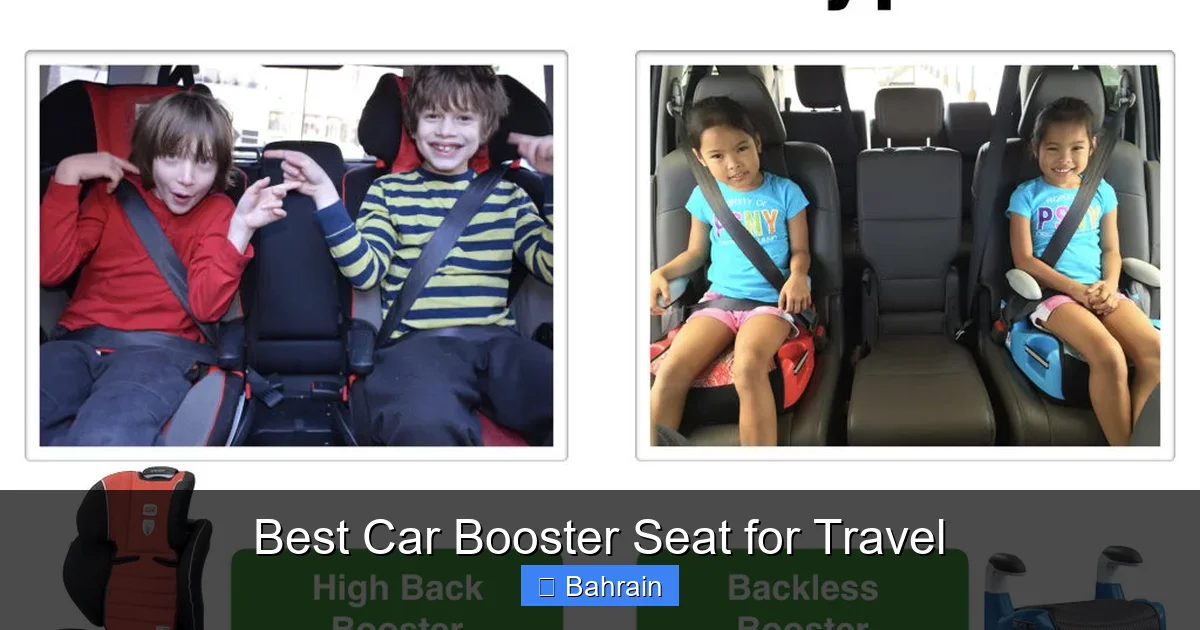
Visual guide about Best Car Booster Seat for Travel
Image source: thecarseatlady.com
- Pros: Highly portable, very compact, easy to transfer, typically inexpensive.
- Cons: No head or side-impact protection, relies on the vehicle’s seat for head support, not ideal for sleeping children.
- Best Use: Short trips, older children, situations where space is extremely limited (e.g., fitting three car seats across the back).
High-Back Boosters: Enhanced Support and Safety
While often bulkier than their backless counterparts, some high-back boosters are specifically designed with travel in mind. They might feature slimmer profiles or clever folding mechanisms. High-back boosters provide crucial head and neck support, which is beneficial for younger booster users or children who tend to fall asleep during car rides. The back also ensures the shoulder belt is consistently positioned correctly.
- Pros: Superior side-impact protection, head and neck support, better for sleeping children, consistent shoulder belt positioning.
- Cons: Generally less compact and heavier than backless options.
- Best Use: Longer road trips, younger booster-aged children, children who need extra support or sleep in the car.
Inflatable Boosters: The Ultra-Compact Solution
This niche but growing category offers incredible portability. Inflatable booster seats can be deflated and rolled up to a size small enough to fit into a backpack or even a large purse. They typically inflate quickly with a few breaths or a small pump. These are fantastic for extreme space-saving needs.
- Pros: Unbeatable portability and compactness, very lightweight.
- Cons: Requires inflation/deflation, may offer less rigid support than hard-shell options, some parents might have initial safety concerns (though certified models are rigorously tested).
- Best Use: Airplane carry-on, taxi/ride-share, emergency backup, minimalist travelers.
Foldable and Portable Hard-Shell Boosters: The Best of Both Worlds
Some innovative designs combine the safety and rigidity of traditional boosters with enhanced portability. These seats feature clever folding mechanisms that allow them to collapse into a much smaller, manageable package without compromising on structural integrity when unfolded. They can be backless or even compact high-back designs.
- Pros: Offers robust safety similar to standard boosters, significantly more portable than non-folding models, relatively quick setup.
- Cons: May still be heavier or larger than inflatable or basic backless options, can be a higher initial investment.
- Best Use: Frequent travelers who want solid protection with improved portability, those needing a versatile seat for various travel types.
Smooth Sailing: Installation & Usage Tips for Your Travel Booster
Even with the **best car booster seat for travel**, knowing how to use it effectively in different situations is key to stress-free journeys.
Mastering Rental Car Installations
When picking up a rental car, you might face unfamiliar seatbelt systems or vehicle designs. It’s a great idea to practice installing your travel booster seat in your home car a few times before you leave. This builds confidence and familiarizes you with its quirks. Upon receiving your rental, take a moment to understand its seatbelt mechanism before attempting installation. Always ensure the vehicle’s headrest provides adequate support if you’re using a backless booster, and check that the seatbelt buckles are easily accessible and not too recessed, which can sometimes be an issue.
Taxis and Ride-Shares: On-the-Go Safety
The beauty of a portable travel booster is its ease of transfer. For taxis and ride-shares, simply bring your booster with you. In many regions, specific car seat laws for taxis might be different or more lenient, but prioritizing your child’s safety with your own booster is always the best approach. Quickly position the booster, buckle your child in, and you’re good to go. Its minimal footprint means it won’t take up too much space in the trunk when not in use.
International Travel Considerations
This is crucial. Car seat and booster seat laws vary significantly from country to country. Before you depart, research the specific regulations of your destination. For example, some countries might require children up to a certain age or height to be in a full car seat, not just a booster. Ensure your travel booster’s certification (e.g., ECE R44/04 or FMVSS 213) is recognized and legal in the country you’re visiting. If in doubt, contacting the local road safety authority or your airline can provide clarity.
Airplane Travel: What to Know
Booster seats, by their very design, rely on a vehicle’s lap and shoulder belt system to work. Therefore, they are not designed to be used on airplanes, as airplane seats only have lap belts. If your child still needs a five-point harness on a plane, you’d need a travel car seat with a harness (often FAA-approved) or an airplane-specific child restraint system. However, your travel booster seat is perfect for the ground transportation part of your trip. Many travel boosters are compact enough to fit in overhead bins or can be gate-checked with ease, often free of charge by airlines.
Beyond the Seat: Holistic Travel Safety for Kids
Choosing the **best car booster seat for travel** is a significant step, but ensuring your child’s safety on the road involves a broader approach.
Regular Safety Checks
Before every journey, even short ones, quickly double-check:
- Is the booster seat correctly positioned?
- Is the lap belt low and snug across the hips?
- Is the shoulder belt across the chest and collarbone, not the neck?
- Are there any twists in the seatbelt?
- Is your child sitting properly, not slouching or leaning out of the belt?
Educate Your Child
Talk to your child about the importance of sitting correctly in their booster seat. Explain why the seatbelt needs to stay in the right position and why playing with buckles or slouching is dangerous. Empowering them with this knowledge makes them active participants in their own safety.
Packing Essentials
Consider a small, dedicated travel bag for your booster seat. This keeps it clean and makes it easy to carry. Pack a few cleaning wipes for quick spot cleaning, and maybe a small travel pillow for long rides if your child tends to nap in the car.
Flexibility is Key
Travel can be unpredictable. Be prepared for unexpected delays or changes in transport. Having your reliable travel booster seat with you means you’re always ready to ensure your child’s safety, no matter what twist your journey takes.
In conclusion, the quest for the **best car booster seat for travel** is a rewarding one. It’s about merging paramount safety standards with the practical demands of life on the move. By prioritizing certified safety, smart portability, and ease of use, you can confidently embark on any adventure, knowing your child is secure, comfortable, and ready to explore the world with you. Safe travels and happy memories to you and your family!
🎥 Related Video: This car seat makes traveling SO much easier!
📺 Kate Bast
This forward-facing car seat fits kids 22-50 lbs and 30-45 inches. For ages 2+. Car and plane approved! Product: WAYB Pico …
Frequently Asked Questions
Is a travel booster seat necessary for short trips?
Yes, a travel booster seat is necessary for all car trips, regardless of duration. Even short distances carry the risk of accidents, and the booster ensures your child is properly restrained by the vehicle’s seatbelt, significantly reducing the risk of injury.
How do I know if a booster seat is certified for use in Bahrain/internationally?
Look for safety labels on the booster seat. In Bahrain and most of Europe, ensure it has an ECE R44/04 or ECE R129 (i-Size) sticker. For travel to the US, look for FMVSS 213 certification. Always verify the destination country’s specific requirements before traveling.
Can I rent a booster seat at my destination?
Yes, most car rental agencies offer car seat and booster seat rentals. However, availability, quality, cleanliness, and cost can vary significantly. Many parents prefer bringing their own **best car booster seat for travel** for consistent safety and familiarity.
What’s the safest way to travel with a booster seat on an airplane?
Booster seats are not for use on airplanes as they require a vehicle’s lap and shoulder belt. The safest way to travel with your booster on a plane is to either check it as luggage (preferably in a protective bag) or, if compact enough, carry it on and store it in the overhead bin.
My child falls asleep easily, which travel booster is best?
If your child frequently falls asleep, a high-back travel booster seat is generally the better option. It provides essential head and neck support, preventing their head from flopping forward or to the side, thus maintaining proper seatbelt alignment even while they nap.
How long can my child use a travel booster seat?
Your child should use a travel booster seat until they are tall enough for the adult seatbelt to fit them correctly without it. This usually occurs when they reach approximately 145 cm (4 feet 9 inches) in height, typically between 8 and 12 years old, and pass the “5-step test” for seatbelt fit.