Best Time to Travel to Punta Cana
The absolute best time to travel to Punta Cana for ideal weather is generally from December to April, offering warm temperatures, low humidity, and minimal rain. However, shoulder seasons like May and June provide a great balance of good weather and fewer crowds, while the off-peak hurricane season from August to November offers incredible deals for budget-conscious travelers willing to take a slight risk. Ultimately, the best time to travel to Punta Cana depends on your personal priorities for weather, budget, and crowd levels.
Dreaming of pristine white-sand beaches, swaying palm trees, and turquoise waters? Punta Cana, nestled on the eastern tip of the Dominican Republic, is a paradise that calls to travelers worldwide. With its luxurious all-inclusive resorts, vibrant culture, and endless activities, it’s no wonder so many people yearn for a Caribbean escape here. But before you pack your swimsuits and sun hats, a crucial question arises: when is the *best time to travel to Punta Cana*?
Deciding on the perfect travel window isn’t just about finding the sunniest day; it’s about aligning your vacation with your personal preferences, whether that’s avoiding crowds, sticking to a budget, or experiencing specific activities. Punta Cana boasts a tropical climate, meaning warm temperatures year-round, but it also experiences distinct seasons that can significantly impact your trip. Understanding these patterns is key to unlocking your ideal getaway.
This comprehensive guide will help you navigate the weather patterns, crowd levels, and pricing fluctuations throughout the year, empowering you to pinpoint the absolute best time to travel to Punta Cana for *you*. We’ll break down each season, highlighting the pros and cons, and offer practical tips to ensure your Dominican Republic adventure is nothing short of spectacular.
Key Takeaways
- Peak Season Perfection (December-April): This is widely considered the best time to travel to Punta Cana for consistently sunny skies, comfortable temperatures (25-30°C / 77-86°F), and low humidity. Expect higher prices and larger crowds due to perfect conditions.
- Shoulder Season Sweet Spot (May-July): If you want to balance good weather with fewer crowds and better deals, May, June, and early July are excellent choices. While humidity starts to rise and occasional short showers are possible, you’ll still enjoy plenty of sunshine.
- Off-Peak Value (August-November): This period marks the hurricane season, bringing a higher chance of rain and tropical storms. However, it also offers the lowest prices, fewest crowds, and excellent opportunities for budget travel. Travel insurance is highly recommended.
- Hurricane Season Preparedness: The official hurricane season runs from June 1st to November 30th, with peak activity typically from mid-August to late October. While direct hits are rare, be aware and consider flexible bookings and travel insurance if visiting during this time.
- Consider Your Priorities: The “best time” is subjective. If you prioritize pristine weather, choose peak season. For budget savings, aim for off-peak. If avoiding crowds is key, shoulder seasons are your friend.
- Whale Watching Bonus (January-March): For a unique experience, humpback whale watching season peaks from mid-January to late March, particularly in Samaná Bay, a popular day trip from Punta Cana.
- Book Early for Peak: If you decide on peak season travel, especially around holidays, booking your flights and accommodations several months in advance is crucial to secure your preferred options and better rates.
Quick Answers to Common Questions
What is the cheapest time to go to Punta Cana?
The cheapest time to travel to Punta Cana is generally during the off-peak hurricane season, from August to November. Prices for flights and resorts are significantly lower due to the higher chance of rain and tropical storms.
Is Punta Cana too hot in August?
Punta Cana is very hot and humid in August, with average temperatures in the low 30s°C (high 80s°F) and high humidity levels. While still enjoyable for many, some may find the heat and stickiness a bit much.
Is May a good time to visit Punta Cana?
Yes, May is considered a very good time to visit Punta Cana. It’s part of the shoulder season, offering excellent weather, fewer crowds than peak season, and better prices, though humidity starts to rise and occasional short showers may occur.
What is the hurricane risk in Punta Cana?
The official hurricane season is from June 1st to November 30th, with peak activity typically from mid-August to late October. While direct hits are rare, tropical storms or depressions can bring heavy rain and strong winds. Travel insurance is highly recommended during this period.
When is the driest month in Punta Cana?
February and March are typically the driest months in Punta Cana, experiencing the lowest average rainfall and consistently sunny, pleasant weather.
📑 Table of Contents
- Understanding Punta Cana’s Climate: Tropical Bliss Year-Round
- December to April: The Peak Season Sweet Spot
- May to July: Shoulder Season Bliss (and a bit of rain)
- August to November: The Off-Peak & Hurricane Season
- Beyond Weather: Considering Your Priorities
- Special Events and Holiday Considerations
- Conclusion: Finding Your Best Time to Travel to Punta Cana
Understanding Punta Cana’s Climate: Tropical Bliss Year-Round
Punta Cana enjoys a wonderfully warm, tropical climate, which means sunshine is almost always on the agenda. There isn’t a “cold” season, but rather variations in humidity, rainfall, and the chance of tropical storms. Generally, the year can be divided into two main periods: the dry season and the wet season. Understanding these will be your first step in determining the best time to travel to Punta Cana.
The Dry Season: December to April – Near Perfection
This period is widely heralded as the prime time for a visit, and for good reason. The dry season brings with it consistently glorious weather.
- Temperatures: Expect delightful daytime temperatures ranging from 25°C to 30°C (77°F to 86°F), with comfortable evenings that rarely dip below 20°C (68°F).
- Rainfall: Rainfall is minimal and usually consists of brief, refreshing showers that pass quickly, leaving sunny skies in their wake.
- Humidity: This is a key differentiator! Humidity levels are significantly lower during these months, making the warm temperatures feel much more pleasant and less oppressive.
- Sea Conditions: The ocean is typically calm and clear, perfect for swimming, snorkeling, and other water sports.
These idyllic conditions make it an incredibly popular time, especially for those escaping colder northern winters.
The Wet Season: May to November – Warm, Humid, and More Rain
While called the “wet season,” it’s important not to imagine continuous downpours. Tropical climates often feature intense, short-lived showers, often in the late afternoon, followed by sunshine.
- Temperatures: Temperatures remain high, often peaking between 28°C and 32°C (82°F and 90°F), and sometimes even higher.
- Rainfall: Rainfall is more frequent and heavier than during the dry season, though prolonged periods of rain are still uncommon.
- Humidity: This is where it gets noticeable. Humidity levels are considerably higher, making the air feel much stickier and warmer.
- Hurricane Season: Critically, this period overlaps with the Atlantic hurricane season, which officially runs from June 1st to November 30th. Peak hurricane activity typically occurs from mid-August to late October. While direct hits in Punta Cana are rare, the possibility exists, and tropical depressions or storms can bring several days of heavy rain and strong winds.
Despite the increased chance of rain and storms, this season offers some distinct advantages, which we’ll explore.
December to April: The Peak Season Sweet Spot

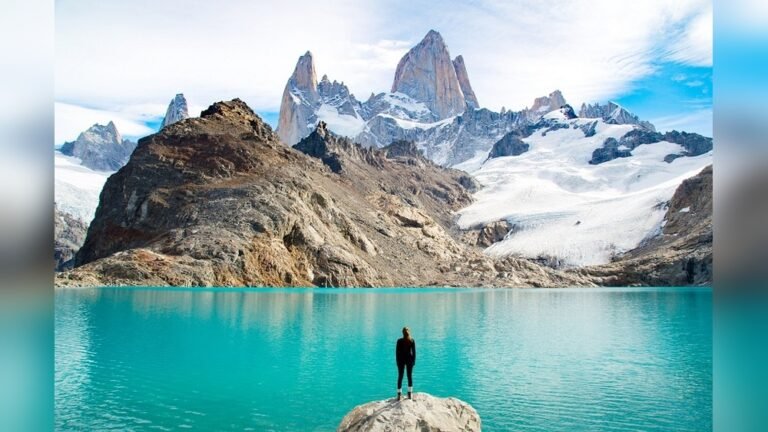
Visual guide about Best Time to Travel to Punta Cana
Image source: lmn-t.com
If your number one priority is consistently beautiful weather with minimal disruption, then the period from December to April is undoubtedly the best time to travel to Punta Cana. This is when the destination truly shines.
Weather Perfection and High Demand
Imagine waking up to clear blue skies every day, with a gentle breeze rustling the palm trees, and the warm Caribbean sun beckoning you to the beach. That’s essentially what you get during these months. This weather makes it the ultimate escape for those seeking to leave winter chills behind. The low humidity also means you can enjoy outdoor activities without feeling overly sticky or uncomfortable. It’s perfect for long beach days, exploring ecological parks, or simply lounging by the pool.
What to Expect: Crowds, Prices, and Activities
With such perfect conditions comes high demand. This is peak tourist season, especially around major holidays like Christmas, New Year’s, Easter, and school breaks in North America and Europe.
- Crowds: Expect resorts to be at or near full capacity, beaches to be livelier, and popular excursions to fill up quickly. If you love a bustling atmosphere and don’t mind sharing the paradise, this won’t be an issue.
- Prices: Accommodation, flights, and even some activities will be at their highest prices during this period. Deals are harder to find, especially for last-minute bookings.
- Activities: Everything is in full swing! All tours, restaurants, and entertainment options will be readily available. Plus, a special bonus: whale watching season in Samaná Bay (a fantastic day trip) runs from mid-January to late March, offering a chance to see majestic humpback whales.
Tips for Traveling During Peak Season
- Book Early: To secure your preferred resort and get the best possible rates, start planning and booking your trip 6-12 months in advance, especially for holiday periods.
- Be Flexible: If possible, try to travel during the early parts of December or late April, or avoid major holiday weeks, as this might offer a slight reduction in crowds and prices.
- Consider Shoulder Months: Late November/early December or late April/early May can offer a transition with great weather but slightly fewer people and better prices.
May to July: Shoulder Season Bliss (and a bit of rain)
For many savvy travelers, the shoulder season from May to July offers a fantastic compromise. This period provides a sweet spot where the weather is still predominantly excellent, but the crowds thin out, and prices begin to drop compared to peak season.
A Transition Period
As May rolls in, the peak season crowds start to dissipate. The weather remains incredibly warm, though you’ll notice a gradual increase in humidity as the weeks progress. Rain showers become a bit more frequent, but typically they are short, intense downpours that clear up quickly, often in the late afternoon or overnight, leaving plenty of sunshine for your daytime activities.
Balancing Weather and Value
This is often considered the best time to travel to Punta Cana for those who want to experience wonderful weather without paying peak season prices.
- May and June: These months are particularly appealing. While there’s a higher chance of rain than in the dry season, sunny days are still the norm. The ocean remains warm and inviting. You’ll find great deals on flights and resorts, and it’s easier to snag a prime spot by the pool or on the beach.
- July: As July progresses, humidity continues to rise, and the official hurricane season is well underway. However, the risk of a major storm is still relatively low compared to the later months. School holidays might bring a slight uptick in family travelers, but generally, crowds are manageable.
This is a fantastic time for a romantic getaway or a family vacation before the busiest summer rush and the heart of hurricane season. You can still enjoy all the excursions and activities with slightly more availability.
August to November: The Off-Peak & Hurricane Season
This period is the most adventurous time to visit Punta Cana. It offers the lowest prices and fewest crowds but comes with the highest risk of significant weather disruptions.
Higher Chances of Rain and Hurricanes
This is the official hurricane season, and while Punta Cana generally escapes direct hits, the risk is certainly there, particularly from mid-August to late October. Even if a direct hurricane doesn’t occur, tropical depressions or heavy rain systems can bring several days of continuous downpours, strong winds, and choppy seas, potentially disrupting your vacation plans.
- Weather: Expect very hot and humid conditions, with frequent and sometimes prolonged heavy showers. Thunderstorms are also common.
- Sea Conditions: The ocean can be rougher, especially if a storm system is nearby, which might impact water sports or excursions.
Unbeatable Deals and Serenity
Despite the weather risks, many travelers intentionally choose this period, especially September and October. Why?
- Unbeatable Value: This is when you’ll find the absolute best deals on flights and resorts. Prices can be significantly lower than during peak season, making a luxury vacation much more accessible.
- Fewer Crowds: Resorts are quieter, beaches are less populated, and you’ll often feel like you have entire sections of paradise to yourself. This is the ultimate “peace and quiet” time.
- Enhanced Service: With fewer guests, you might experience even more personalized service at your resort.
If you’re a budget-conscious traveler or someone who prioritizes solitude over guaranteed sunshine, this could still be the best time to travel to Punta Cana for you.
Preparing for Off-Peak Travel
If you decide to brave the off-peak season, especially during the hurricane months, here are crucial tips:
- Travel Insurance: Invest in comprehensive travel insurance that covers weather-related cancellations or interruptions. Read the fine print carefully.
- Flexible Bookings: Look for flights and accommodations with flexible cancellation or rebooking policies.
- Monitor Forecasts: Keep a close eye on hurricane forecasts from reputable sources like the National Hurricane Center (NHC) in the weeks leading up to and during your trip.
- Embrace the Rain: Be prepared for rain. Pack light rain gear and have indoor activities planned, like spa treatments, resort entertainment, or trying new cuisines.
Beyond Weather: Considering Your Priorities
While weather is often the primary concern, the “best time to travel to Punta Cana” is truly subjective and depends heavily on your personal travel style and priorities.
The Budget-Conscious Traveler
If stretching your dollar is paramount, then the off-peak season (August to November) offers the most significant savings. You can often find incredible deals on luxury resorts that would be out of reach during peak times. The shoulder season (May-July) also presents better value than peak, balancing cost with less weather risk.
Family Fun
Families often align their travel with school holidays.
- December-April: Spring break and Easter are popular, meaning bustling kid-friendly activities but also higher prices and more competition for family rooms.
- July-August: Summer holidays bring families, but also increased humidity and the start of hurricane season. Early July might be a good compromise.
- Late May/Early June: This period can be excellent for families with younger children or those able to travel before the main school breaks, offering good weather and manageable crowds.
Romantic Getaway
Couples seeking a tranquil and romantic escape might find the shoulder seasons (May, June, early July) or even the very late off-peak season (early December before the holiday rush) ideal. You’ll enjoy beautiful weather, fewer crowds for intimate dinners, and often better prices for those luxurious suites.
Avoiding Crowds
If peace and quiet are your ultimate goals, then September, October, and November are your best bets. Resorts will be much emptier, giving you a sense of private paradise. The shoulder months of May and June also offer a significant reduction in crowds compared to peak season.
Best for Water Sports Enthusiasts
For optimal conditions for snorkeling, diving, sailing, or parasailing, the dry season (December to April) typically offers the calmest seas and clearest waters. While water sports are available year-round, the likelihood of disruptions due to strong winds or choppy waters is lower during these months.
Special Events and Holiday Considerations
Keep in mind that certain holidays and events can significantly impact your trip, regardless of the season.
- Christmas and New Year’s: These are incredibly popular times, falling squarely within the peak season. Expect sky-high prices, fully booked resorts, and a very festive but crowded atmosphere. Book a year in advance if this is your chosen time!
- Easter (Semana Santa): This religious holiday is a significant event in the Dominican Republic. Many Dominicans also travel during this time, so resorts can be busy and local attractions more crowded, particularly during the week leading up to Easter Sunday.
- Whale Watching Season: As mentioned, from mid-January to late March, you can take a day trip to Samaná Bay to witness humpback whales migrating to breed and calve. This is a truly unforgettable experience and a huge draw during the peak season.
Conclusion: Finding Your Best Time to Travel to Punta Cana
So, when is the *best time to travel to Punta Cana*? The answer, as you’ve seen, isn’t a simple one-size-fits-all.
- If guaranteed perfect weather and a lively atmosphere are your top priorities, then December to April is your sweet spot.
- If you’re seeking a balance of great weather, fewer crowds, and better value, the shoulder seasons of May, June, and early July are highly recommended.
- If budget savings and solitude are paramount, and you don’t mind the increased risk of rain or tropical storms, then August to November will offer the best deals.
No matter when you decide to visit, Punta Cana’s warm hospitality, stunning landscapes, and vibrant culture promise an unforgettable vacation. By considering your personal preferences and understanding the nuances of its tropical climate, you can confidently choose the best time to travel to Punta Cana and create the Caribbean getaway of your dreams. Start planning today, and get ready for some sun, sand, and smiles!
🎥 Related Video: Best Time Of Year To Travel To Punta Cana – Travel To Punta Cana Tips – Best Punta Cana Vacations
📺 Everything Punta Cana
Punta cana, Vacation Everything for your best vacation in Punta Cana …
Frequently Asked Questions
What are the average temperatures in Punta Cana?
Punta Cana enjoys warm temperatures year-round. During the dry season (December-April), temperatures average 25-30°C (77-86°F). In the wet season (May-November), they are slightly higher, ranging from 28-32°C (82-90°F), with increased humidity.
Is it safe to travel to Punta Cana during hurricane season?
While the official hurricane season runs from June to November, many people still travel during this time due to lower prices and fewer crowds. The risk of a direct hit is relatively low, but it’s crucial to purchase travel insurance and monitor weather forecasts if you choose to go during this period.
When is whale watching season in Punta Cana?
Humpback whale watching season in the Dominican Republic, particularly in Samaná Bay (a popular day trip from Punta Cana), runs from mid-January to late March. This is a fantastic opportunity to see these magnificent creatures.
Will all resort facilities be open during the off-peak season?
Most major resort facilities remain open year-round, but during the off-peak season (especially September-October), some resorts might undergo maintenance or have slightly reduced entertainment schedules due to lower occupancy. It’s always a good idea to check directly with your chosen resort.
How far in advance should I book my trip to Punta Cana?
For peak season travel (December-April, especially holidays), booking 6-12 months in advance is highly recommended to secure the best rates and availability. For shoulder season, 3-6 months is usually sufficient, while off-peak allows for more last-minute deals.
What clothing should I pack for Punta Cana?
No matter the best time to travel to Punta Cana for you, pack lightweight, breathable clothing like shorts, t-shirts, sundresses, and swimwear. Include a light cover-up or sweater for evenings, and a rain jacket or umbrella if traveling during the wetter months. Don’t forget sunscreen, a wide-brimmed hat, and insect repellent!