Best Time to Go to South America
Planning your trip to South America but unsure when to go? Choosing the best time to visit can make all the difference between an unforgettable adventure and a frustrating experience.
Whether you want to hike the Andes, explore the Amazon rainforest, or relax on sunny beaches, timing plays a key role in what you’ll see and do. In this guide, you’ll discover the ideal months to visit different regions of South America so you can enjoy great weather, avoid crowds, and catch the best wildlife and cultural events.
Keep reading to find out exactly when your perfect South American journey should begin.
Seasonal Highlights
South America offers distinct experiences across its seasons. Each season brings unique weather and activities. Understanding these seasonal highlights helps plan a trip that fits your interests. Explore the advantages of each season below.
Spring Advantages
Spring runs from September to November. This season shows vibrant wildflowers and greener landscapes. Tourist crowds are smaller, making popular spots more enjoyable. Weather is mild and comfortable in many areas. It is perfect for outdoor activities and city tours. Spring also offers a good balance of rainfall and sunshine. National parks and hiking trails are accessible and scenic.
Summer Attractions
Summer spans December to March in South America. It is peak season for beaches and festivals. Patagonia is warm and inviting for hiking and sightseeing. Coastal cities buzz with cultural events and celebrations. Travelers enjoy longer daylight hours for exploring. Summer is ideal for water sports and tropical adventures. Expect more visitors and higher prices during this time.
Winter Conditions
Winter lasts from June to August. This is the dry season in the Andes Mountains. Clear skies make it great for trekking and visiting Machu Picchu. Temperatures are cooler but comfortable for outdoor tours. Rainfall is low, reducing trail difficulties. However, Amazon regions may see wetter weather. Skiing peaks in the Argentine and Chilean mountains. Winter offers quieter tourist sites and fewer crowds.
Rainy Season Impact
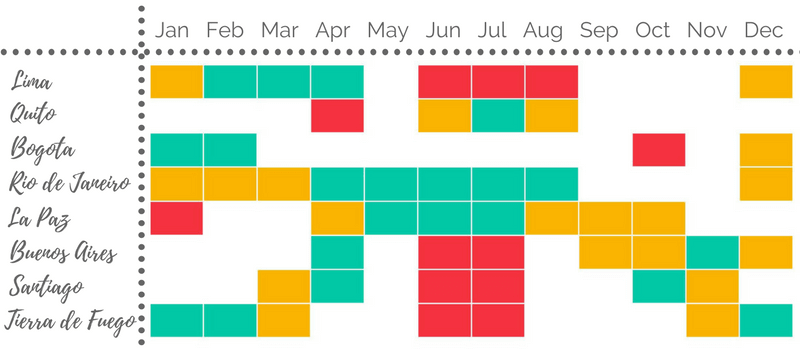
The rainy season occurs mainly from November to April. Heavy rains affect the Amazon and some coastal areas. Trails can become muddy and harder to access. River travel may be easier due to higher water levels. Some festivals and events take place despite the rain. Visitors should prepare for sudden showers and humidity. The rainy season can limit outdoor plans but shows lush green nature.
Credit: www.women-on-the-road.com
Regional Timing
South America is vast, with diverse climates across its regions. Timing your visit depends on local weather and activities. Knowing the best season helps enjoy each area fully. Travel plans benefit from understanding regional timing.
Patagonia Seasons
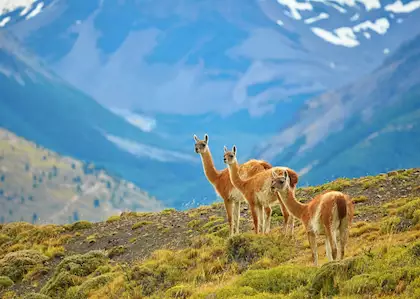
Patagonia shines in summer, from December to March. Days are longer and temperatures warmer. Hiking trails open, and wildlife is active. Shoulder months like October and November offer fewer tourists. April still has good weather, but it cools quickly.
Andes Hiking Periods
The dry season from June to August is best for hiking the Andes. Trails are clear and views are stunning. This period suits visits to Machu Picchu and the Inca Trail. Shoulder seasons provide fewer crowds but can be wetter.
Amazon Dry And Wet
The Amazon’s dry season runs from June to November. Trails dry up and mosquitoes lessen. Boat travel becomes easier. The wet season lasts from December to May. Rivers flood, creating unique boat tours through the forest.
Galapagos Wildlife
The Galapagos Islands are great year-round. Spring months, September to November, bring calm seas. Wildlife is very active during this time. Visitors can enjoy snorkeling and animal watching with ease.
Brazil And Colombia Year-round
Brazil and Colombia offer good weather all year. Brazil’s summer, December to March, includes Carnival and beach days. Colombia sees dry spells in August and September, perfect for outdoor tours. Both countries have lively festivals throughout the year.
Buenos Aires And Chile
Spring, from September to November, is ideal for Buenos Aires. The weather is mild and great for city walks. Chile shares this pleasant season, perfect for exploring and skiing. Avoid visiting in peak months like August and December to skip crowds.
Activity-based Timing
Choosing the best time to visit South America depends on the activities you want to enjoy. Different seasons offer unique experiences for hiking, beach visits, city tours, and festivals. Planning your trip by activity helps you make the most of your adventure.
Each activity thrives under certain weather conditions and crowd levels. Knowing the ideal months for each lets you avoid bad weather and busy times. Here is a breakdown of the best times for popular activities across South America.
Hiking And Trekking
The dry season from June to August is perfect for hiking in the Andes. Trails like the Inca Trail to Machu Picchu are clear and safe. Cooler temperatures make long hikes more comfortable. Avoid the rainy season from November to April to prevent slippery paths and closures. Patagonia’s summer, December to March, offers warm weather and longer daylight for trekking. Shoulder seasons like October and November bring fewer tourists but still good trail conditions.
Beach Visits
Summer months from December to March are best for beaches in Brazil and Colombia. Warm seas and sunny skies invite swimming and sunbathing. The Galapagos Islands have calm seas and active wildlife from September to November, ideal for snorkeling. Avoid rainy seasons that bring storms and rough waters. Planning beach trips during dry months ensures relaxation and fun in the sun.
City Exploration
Spring from September to November offers pleasant weather for city tours. Buenos Aires and Santiago have mild temperatures and fewer crowds. This time is good for walking tours, outdoor cafes, and sightseeing. Avoid peak holiday months like December and August to skip busy streets and high prices. Mild weather enhances your experience in South America’s vibrant cities.
Festivals And Events
South America shines during festival seasons. Brazil’s Carnival in February or March is world-famous. It fills cities with music, dance, and color. Many Andean countries celebrate local festivals in June and July, like Inti Raymi in Peru. These events offer rich cultural experiences. Plan trips around festivals to enjoy lively traditions and local joy.

Credit: advgrrl.com
Travel Tips
Traveling to South America offers incredible experiences across diverse landscapes. Planning your trip well helps you enjoy your visit fully. These tips focus on the best ways to avoid crowds, understand weather patterns, and pack smartly.
Avoiding Crowds
Travel during shoulder seasons like September to November to skip heavy tourist spots. Popular destinations fill up in December and January. Visiting early mornings or late afternoons also helps avoid busy times. Choose less-visited towns nearby to experience local culture peacefully.
Weather Considerations
South America’s weather varies greatly by region. The Andes are dry and clear from June to August, perfect for hiking. The Amazon has less rain between June and November, making trails easier. Coastal areas like Brazil enjoy warm summers from December to March. Pack layers to handle sudden temperature changes.
Best Months Summary
September to November suits most travelers with pleasant weather and fewer crowds. December to March is ideal for beach lovers and festival-goers. June to August works best for trekking in the mountains. Avoid rainy seasons in the Amazon and Peru, which can disrupt plans.
Packing Suggestions
Bring comfortable walking shoes for city tours and hikes. A light rain jacket is essential for unpredictable showers. Sunscreen and insect repellent protect you in tropical areas. Layered clothing helps adjust to hot days and cool nights. Don’t forget a hat and reusable water bottle for daily use.
Credit: www.audleytravel.com
Frequently Asked Questions
What Months Are Best To Visit South America?
The best months to visit South America are September to November for mild weather and fewer crowds. December to March suits Patagonia and beach trips. June to August is ideal for hiking the Andes and exploring the Amazon during its dry season.
What Is South America’s Rainy Season?
South America’s rainy season varies by region but mainly occurs from November to March. The Amazon sees heavy rain, while Andes experience drier months. Coastal areas like Patagonia have less rain during summer (December–March). Plan visits accordingly for outdoor activities and travel comfort.
What Is The Safest South American Country To Visit?
Chile is often considered the safest South American country due to its low crime rates and stable infrastructure. Uruguay also ranks high for safety, offering a peaceful environment and friendly locals. Both countries provide secure travel experiences for tourists.
Where Should I Go For The First Time In South America?
Start your first South America trip in Peru to explore Machu Picchu during the dry season, June to August. Alternatively, visit Buenos Aires in spring (September–November) for pleasant weather and fewer crowds. Both offer rich culture, stunning landscapes, and unforgettable experiences.
Conclusion
South America offers diverse experiences year-round. Choose spring months for fewer crowds and pleasant weather. Summer suits beach lovers and festival goers best. Winter provides clear skies for Andes hiking. Each region has its own ideal time. Plan according to activities and weather.
This helps make your trip enjoyable and smooth. Adventure awaits in every season. Pick the time that fits your travel style.