Hidden Gems in Oceania Islands Travel Guide
Embark on an extraordinary journey beyond the usual tourist trails with this hidden gems in Oceania islands travel guide. Uncover pristine beaches, vibrant cultures, and unparalleled natural beauty in destinations like Niue, the Lau Group of Fiji, and remote corners of Tonga. This guide offers practical tips for sustainable travel, ensuring an authentic and responsible adventure into Oceania’s most captivating, unspoiled paradises, far from the crowded tourist hubs.
Are you dreaming of an escape to pristine beaches, crystal-clear waters, and cultures untouched by mass tourism? While popular Pacific destinations like Bora Bora and Fiji’s Mamanuca Islands certainly have their charm, an entirely different kind of magic awaits those willing to venture a little further. If your ideal vacation involves genuine discovery, cultural immersion, and breathtaking natural beauty without the crowds, then you’re in the right place.
Oceania, a vast region spanning thousands of islands across the Pacific Ocean, holds a treasure trove of unspoiled paradises. This comprehensive hidden gems in Oceania islands travel guide is your passport to discovering the untouched beauty and authentic experiences that lie off the beaten path. Forget the overcrowded resorts and dive into a world where ancient traditions thrive, marine life flourishes, and the pace of life truly slows down. Prepare to uncover secrets that few travelers ever get to experience.
Key Takeaways
- Beyond the Postcard: Oceania offers countless lesser-known islands far from the crowded tourist spots, promising unique, authentic travel experiences that go deeper than typical tourist itineraries.
- Niue – The Rock of Polynesia: An exceptional hidden gem for adventurers, known for its dramatic limestone cliffs, intricate sea caves, stunning chasms, and world-class whale watching opportunities.
- Fiji’s Lau Group – Untouched Paradise: Discover pristine coral reefs, vibrant traditional village life, and a significantly slower pace, offering a stark contrast to Fiji’s more bustling main tourist hubs.
- Tonga’s Ha’apai Group – Whale Lover’s Dream: This tranquil cluster of islands is renowned globally for its humpback whale encounters, untouched white-sand beaches, and incredibly laid-back charm.
- Samoa’s Savai’i – Soul of Polynesia: Experience Samoa’s larger, less developed island, rich in unspoiled nature, ancient traditions, lava fields, and a genuine sense of cultural authenticity.
- Sustainable Travel Matters: Visiting these hidden gems in Oceania islands requires a strong commitment to responsible tourism, which means respecting local cultures, supporting communities, and protecting fragile marine and terrestrial ecosystems.
- Authentic Cultural Immersion: Engage directly with local communities, participate in traditional activities, and gain deeper, more personal insights into the timeless lifestyle and unique heritage of Oceanic island life.
Quick Answers to Common Questions
Which are the top three hidden gems in Oceania islands recommended in this guide?
This guide highlights Niue, Fiji’s Lau Group, and Tonga’s Ha’apai Group as top hidden gems in Oceania islands, each offering unique experiences from dramatic landscapes to authentic cultural immersion and incredible marine encounters.
What makes Niue a unique hidden gem in Oceania?
Niue, “The Rock of Polynesia,” stands out due to its dramatic limestone cliffs, extensive cave systems, deep chasms, and its reputation as one of the best places globally for responsible in-water swimming with humpback whales.
How does one access Fiji’s remote Lau Group?
Accessing Fiji’s Lau Group is an adventure itself, primarily involving private yachts or infrequent cargo ships. Some of the larger islands are reachable by domestic flights from Suva, but inter-island travel is usually by small local boat.
What is the best time to visit Tonga’s Ha’apai Group for whale watching?
The best time to visit Tonga’s Ha’apai Group for humpback whale watching and swimming encounters is typically from July to October, when the whales migrate to these warm, sheltered waters to calve and mate.
What kind of cultural experiences can be found on Samoa’s Savai’i island?
On Samoa’s Savai’i island, you can immerse yourself in traditional Samoan culture by witnessing fale (house) building, participating in umu (earth oven) cooking, and experiencing Fa’a Samoa (the Samoan Way of Life) in local villages, alongside exploring natural wonders like lava fields and waterfalls.
📑 Table of Contents
Why Venture Beyond the Well-Trodden Path in Oceania?
The allure of the Pacific Islands is undeniable. Turquoise lagoons, swaying palm trees, and warm hospitality beckon travelers from around the globe. However, many visitors stick to the most famous destinations, missing out on the profound beauty and unique character of Oceania’s lesser-known islands. Exploring these hidden gems in Oceania islands offers a richer, more meaningful travel experience.
The Allure of the Undiscovered
Imagine having a pristine beach all to yourself, snorkeling in untouched coral gardens teeming with vibrant marine life, or hiking through lush rainforests to discover hidden waterfalls. This is the reality when you seek out the Pacific’s less-frequented spots. These islands often lack large-scale tourism infrastructure, which means no towering hotels, no bustling souvenir shops, and certainly no throngs of tourists. Instead, you’ll find intimate guesthouses, local eateries, and a profound sense of peace.
Authenticity and Connection
One of the greatest rewards of exploring Oceania’s hidden gems is the opportunity for genuine cultural immersion. Without the filters of mass tourism, you interact directly with local communities, experience their traditions firsthand, and gain a deeper understanding of their way of life. Whether it’s sharing a kava ceremony, learning traditional weaving, or attending a local church service, these interactions create unforgettable memories and foster a true connection to the destination. This hidden gems in Oceania islands travel guide emphasizes destinations where such authentic encounters are not just possible, but commonplace.
Niue: The Rock of Polynesia – A World of Wonders
Often called “The Rock of Polynesia,” Niue is one of the world’s largest raised coral atolls, offering a truly unique landscape that sets it apart from other Pacific islands. Located northeast of New Zealand, this self-governing nation boasts dramatic limestone cliffs, intricate cave systems, and a coastline dotted with chasms and pristine snorkeling pools. It’s an adventurer’s paradise and a true hidden gem for those seeking an active island escape.
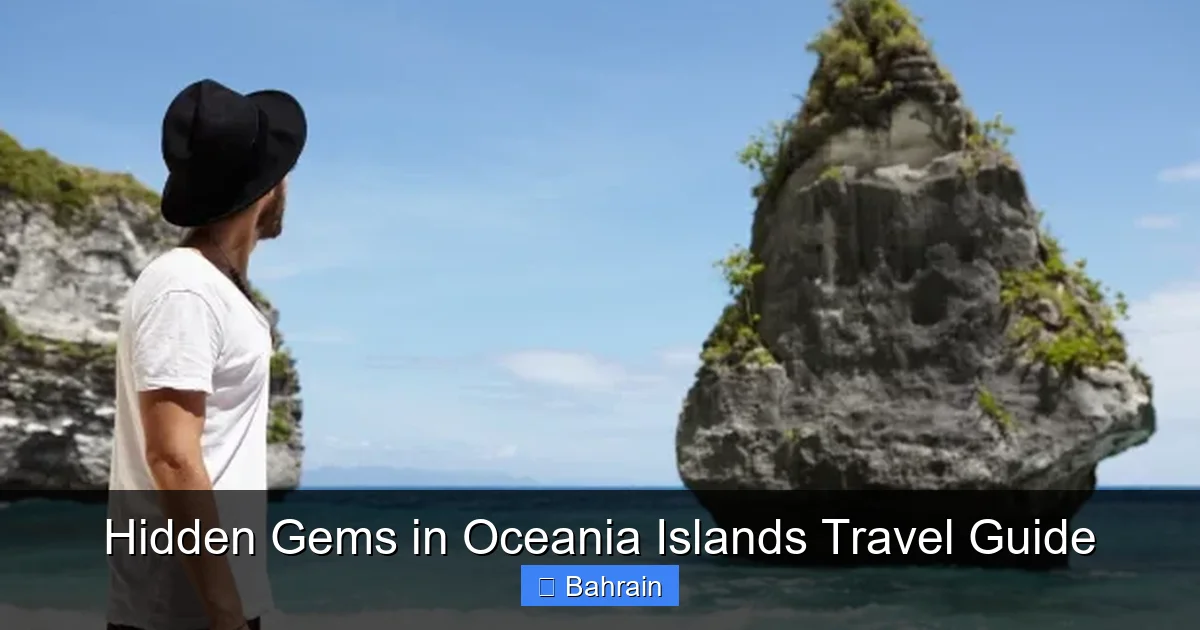
Visual guide about Hidden Gems in Oceania Islands Travel Guide
Image source: samppy.com
Above and Below the Surface
On land, explore the famous Limu Pools, Matapa Chasm, and Togo Chasm, where you can swim in crystal-clear natural pools or trek through lush rainforests to stunning viewpoints. The island’s reef system is incredibly healthy, making it a diver’s dream. Expect to encounter abundant marine life, including sea snakes, spinner dolphins, and, during whale season (July to October), humpback whales, which often come right into the coastal waters. Niue is one of the few places in the world where you can legally swim with these majestic creatures in their natural habitat – a truly once-in-a-lifetime experience.
Practical Tip: Renting a car is highly recommended in Niue, as public transport is minimal. The island is small enough to explore thoroughly at your own pace. Also, make sure to try the local taro and fresh seafood. English is widely spoken, and the Niuean people are incredibly welcoming.
Planning Your Niuean Escape
Getting to Niue typically involves a weekly flight from Auckland, New Zealand. Accommodation ranges from intimate guesthouses to boutique resorts, all offering a personal touch. Book well in advance, especially if you plan to visit during whale season. Niue embodies the spirit of hidden gems in Oceania islands travel guide, offering adventure, tranquility, and genuine connection in equal measure.
Fiji’s Lau Group: Where Time Stands Still
While Fiji is a well-known Pacific destination, its easternmost islands, collectively known as the Lau Group, remain largely untouched by mainstream tourism. This remote archipelago is a string of volcanic and coral islands, scattered across 100,000 square kilometers of ocean, accessible primarily by private yacht or infrequent cargo ships. If you’re looking for an authentic Fijian experience, far from the bustling resorts of Denarau, the Lau Group offers unparalleled serenity and traditional village life.
Experiencing True Fijian Culture
The Lau Group is famous for its strong cultural identity and its unique position as a crossroads between Fijian and Tongan cultures. Visitors are rare, and a true welcome awaits those who make the journey. You’ll need to seek permission (sevusevu) from the local village chief upon arrival, presenting a gift of kava root. This ritual is a beautiful introduction to Fijian customs and a sign of respect. Days here are spent snorkeling in pristine lagoons, visiting local villages, learning traditional crafts, and simply unwinding in a truly idyllic setting. The marine life here is spectacular, with untouched coral reefs providing vibrant underwater exploration.
Practical Tip: Visiting the Lau Group requires careful planning. There are very few official accommodations; most stays involve homestays in villages or staying on liveaboard boats. It’s essential to arrange your visit through a reputable local operator who understands the customs and logistics of this remote region. This is where a good hidden gems in Oceania islands travel guide becomes invaluable.
Getting to the Edge of Paradise
Access to the Lau Group is an adventure in itself. Regular flights from Suva serve a few of the larger islands like Vanua Balavu, but once there, inter-island travel is primarily by small boat. Expect basic facilities and a strong reliance on solar power and rainwater. This isn’t a trip for those seeking luxury, but for those craving authentic experience and untouched beauty, it’s unparalleled.
Tonga’s Ha’apai Group: An Ocean Lover’s Sanctuary
The Kingdom of Tonga is an incredibly authentic Polynesian nation, and its Ha’apai Group of islands is arguably its most captivating region for eco-tourists and ocean enthusiasts. Situated north of the main island of Tongatapu, Ha’apai is a cluster of low-lying coral and volcanic islands known for their pristine white-sand beaches, crystal-clear waters, and, most famously, as a premier destination for swimming with humpback whales.
Swimming with Giants and Unwinding
From July to October, humpback whales migrate to Tonga’s warm, sheltered waters to calve and mate. The Ha’apai Group, with its calm lagoons and abundance of whales, offers some of the world’s best opportunities for in-water encounters with these gentle giants. Licensed operators ensure responsible and respectful interactions. Beyond whales, the snorkeling and diving here are exquisite, with vibrant reefs and diverse marine life awaiting discovery. On land, the pace is incredibly relaxed. Explore deserted beaches, visit small villages, or simply enjoy the tranquility of island life. Ha’apai truly represents the essence of hidden gems in Oceania islands.
Practical Tip: Book your whale swim tours and accommodation well in advance, especially during peak season. The main island of Lifuka (Pangai) serves as the hub, with guesthouses and small resorts available. Electricity can be intermittent, so bring portable chargers and be prepared for a digital detox.
Making Your Way to Ha’apai
Domestic flights connect Tongatapu (Fua’amotu International Airport) to Lifuka Island, which is the gateway to the Ha’apai Group. Alternatively, a ferry service operates, offering a more adventurous (and often longer) journey. Inter-island travel within Ha’apai is usually by small boat, often arranged through your accommodation. The remote nature adds to the charm of this Oceania hidden gem.
Samoa’s Savai’i: The Soul of Polynesia
While Upolu, Samoa’s main island, receives most of the tourist traffic, its larger, less developed sister island, Savai’i, offers a profound journey into the heart of Samoan culture and unspoiled nature. Savai’i is characterized by its dramatic volcanic landscapes, lush rainforests, and a slower, more traditional way of life. It truly embodies the spirit of a hidden gems in Oceania islands travel guide for those seeking authenticity.
Unspoiled Nature and Ancient Traditions
Savai’i boasts incredible natural attractions. Explore the vast lava fields left by the Mt. Matavanu eruptions, discover stunning blowholes like those at Taga, and swim in freshwater pools such as Afu Aau waterfall. The Falealupo Rainforest Preserve offers canopy walks and ancient banyan trees, providing a glimpse into Samoa’s rich biodiversity. Cultural experiences are abundant; you can witness traditional fales (Samoan houses) being built, participate in umu (earth oven) cooking demonstrations, or simply enjoy the warmth of Fa’a Samoa (the Samoan Way of Life).
Practical Tip: Renting a car is the best way to explore Savai’i at your leisure. The island’s ring road makes navigation straightforward. Accommodation options include beach fales (traditional open-sided huts) for a truly authentic experience, as well as a few small resorts. Remember to be respectful of local customs, especially regarding attire when visiting villages or churches.
Navigating Savai’i
Getting to Savai’i involves a scenic ferry ride from Mulifanua Wharf on Upolu. The ferry crosses several times a day and takes about 60-90 minutes. Once on Savai’i, the pace immediately shifts. This island is less about organized tours and more about spontaneous discovery and immersion, making it a perfect addition to any hidden gems in Oceania islands travel guide.
Responsible Tourism: Protecting Oceania’s Hidden Treasures
Visiting these hidden gems in Oceania islands comes with a responsibility to protect their fragile ecosystems and unique cultures. Sustainable and ethical tourism is not just a buzzword; it’s essential for preserving these paradises for future generations.
Respecting Culture and Environment
Always seek to minimize your environmental footprint. This means packing out what you pack in, using reef-safe sunscreen, conserving water and energy, and choosing eco-friendly accommodations when available. When interacting with local communities, respect their customs and traditions. Dress modestly, ask permission before taking photos, and always engage with an open mind and heart. Learning a few words of the local language goes a long way in showing respect.
Supporting Local Economies
Make a conscious effort to support local businesses. Eat at local restaurants, buy handicrafts directly from artisans, and hire local guides for excursions. This ensures that your tourism dollars directly benefit the communities you visit, helping to sustain their livelihoods and preserve their cultural heritage. Your choices as a traveler have a significant impact on these delicate island nations, especially when visiting lesser-known Oceania islands.
Conclusion
The call of the Pacific is strong, but for those seeking something truly extraordinary, the hidden gems in Oceania islands travel guide points to a world beyond the usual postcards. From the unique landscapes of Niue to the cultural depths of Fiji’s Lau Group, the whale encounters of Tonga’s Ha’apai, and the authentic spirit of Samoa’s Savai’i, these islands offer adventures that will touch your soul. They promise not just a vacation, but a journey of discovery, connection, and profound appreciation for our planet’s most unspoiled corners.
Pack your bags, open your mind, and prepare to be enchanted by the true heart of Oceania. These are not just destinations; they are experiences waiting to be lived, stories waiting to be told, and memories waiting to be made. Take this guide as your inspiration, plan responsibly, and embark on an adventure to discover the Pacific’s most captivating secrets.
Frequently Asked Questions
What is the average cost of a trip to these hidden gems in Oceania islands?
The cost can vary significantly depending on the island, duration, and your travel style. Generally, because these destinations have less infrastructure and often require domestic flights or specialized transport, they can sometimes be more expensive than mainstream package holidays. Budget around $2000-$5000+ USD per person for a 7-10 day trip, excluding international flights, but this is a rough estimate.
Are these hidden gems suitable for family travel with young children?
Some hidden gems might be more challenging for families with very young children due to limited medical facilities, less child-specific entertainment, and potentially rugged terrain. However, islands like Niue or Samoa’s Savai’i can be fantastic for adventurous families with older children who appreciate nature and cultural exploration.
What kind of accommodation options are available on these lesser-known Oceania islands?
Accommodation typically ranges from intimate guesthouses, local homestays, and traditional beach fales (open-sided huts) to small, boutique resorts. You won’t find large international hotel chains. Booking well in advance is highly recommended, especially for popular seasons.
Is it safe to travel to these hidden gems in Oceania islands?
Generally, these islands are very safe with low crime rates. The biggest risks are usually related to natural elements like sun exposure, marine life, or uneven terrain. Always exercise standard travel precautions, respect local customs, and be aware of your surroundings. Check current travel advisories before your trip.
Do I need a visa to visit these Pacific island hidden gems?
Visa requirements vary greatly depending on your nationality and the specific island nation you plan to visit. Many Pacific island nations offer visa-free entry or visas on arrival for short tourist stays for citizens of major countries like the US, UK, Australia, and New Zealand. Always check the specific requirements for each country well before your travel dates.
What should I pack for a trip to these hidden gems in Oceania islands?
Pack light, breathable clothing, swimwear, reef-safe sunscreen, insect repellent, a wide-brimmed hat, and sturdy walking shoes or reef shoes. A good reusable water bottle, a basic first-aid kit, and a waterproof bag for electronics are also highly recommended. Be prepared for potential power outages and limited internet access.