Gmc Safari Conversion Travel Van
Dreaming of hitting the open road with a reliable, budget-friendly travel companion? The GMC Safari, and its Chevrolet Astro twin, offers an incredible platform for a DIY conversion travel van. Its manageable size, available AWD, and robust mechanics make it a surprisingly capable and popular choice for adventurers seeking a compact yet functional home on wheels, allowing you to craft a personalized escape without breaking the bank.
Hey there, fellow adventurers and dreamers! Have you ever scrolled through endless photos of custom camper vans, picturing yourself waking up to a new view every day, coffee in hand, with the open road calling? For many, the dream of vanlife seems unattainable, dominated by expensive Sprinters or massive RVs. But what if I told you there’s an unsung hero lurking in the shadows, waiting to be transformed into your perfect tiny home on wheels, all without emptying your savings? Enter the **GMC Safari conversion travel van**.
Yes, you heard that right! The GMC Safari, and its identical twin, the Chevrolet Astro, might just be the most underrated platform for a travel van conversion. These compact, utilitarian workhorses from the 80s, 90s, and early 2000s are making a huge comeback in the DIY vanlife community. Why? Because they offer an incredible blend of affordability, capability, and a surprisingly spacious interior for their size, making them an ideal starting point for anyone looking to build their own adventure machine.
If you’re ready to dive into the world of DIY van conversions and discover why the **GMC Safari conversion travel van** could be your next big project, you’ve come to the right place. We’re going to explore everything from why these vans are so popular to practical tips for planning, building, and living the dream on the road. So, grab a cup of coffee, and let’s get started on your journey to freedom!
Key Takeaways
- Unexpected Potential: The GMC Safari, often overlooked, provides an excellent and affordable foundation for a DIY conversion travel van due to its compact size, robust build, and optional all-wheel-drive.
- Budget-Friendly Entry: Compared to larger vans, a GMC Safari conversion travel van project typically involves lower initial vehicle costs and more manageable build expenses, making vanlife accessible.
- AWD Capability: A significant advantage of many Safari models is the available AWD, offering enhanced traction and confidence for venturing off paved roads and accessing more remote campsites.
- Compact and Maneuverable: Its smaller footprint allows for easier daily driving, parking, and navigating tighter city streets or narrow forest roads, a huge plus for new van dwellers.
- DIY Friendly: The relatively simple interior structure and ample online resources make the GMC Safari an ideal candidate for DIY enthusiasts looking to customize their own travel van.
- Thoughtful Planning is Key: Successful GMC Safari conversion travel van builds require careful planning of layout, insulation, electrical systems, and storage to maximize the limited interior space efficiently.
- Longevity and Parts: Despite being older models, these vans are known for their durability, and parts are generally readily available and affordable, simplifying maintenance on the road.
Quick Answers to Common Questions
Can a GMC Safari really be a comfortable travel van?
Yes, absolutely! Despite its compact size, the GMC Safari’s boxy interior and decent headroom allow for surprisingly comfortable layouts, especially for one or two people, with clever design and efficient use of space.
Is the AWD option on a GMC Safari worth it for a conversion?
For adventurers planning to explore off-pavement or in varying weather conditions, the AWD option is highly recommended. It significantly enhances traction and capability, opening up more remote camping and travel destinations for your GMC Safari conversion travel van.
How much does a typical GMC Safari conversion travel van cost to build?
Conversion costs vary widely. A basic build with a bed and minimal utilities might cost a few hundred to a couple of thousand dollars, while a more comprehensive build with solar, proper electricals, and custom cabinetry could range from $3,000 to $8,000 or more, not including the van itself.
Are parts for GMC Safari vans still readily available?
Yes, parts for the GMC Safari and its twin, the Chevrolet Astro, are generally still widely available and affordable due to the high production numbers and the shared components with other GM vehicles of that era.
What are the biggest challenges of converting a GMC Safari?
The main challenges are maximizing the relatively compact space efficiently, managing rust (common on older vehicles), and ensuring the older engine/transmission is in good mechanical shape before investing in the conversion. Careful planning is key to overcome space limitations.
📑 Table of Contents
Why the GMC Safari? The Unsung Hero of Vanlife
You might be thinking, “A GMC Safari? Really?” Absolutely! While they might not have the flashy appeal of a new full-size van, the Safari (and Astro) has earned a cult following for very good reasons. They punch well above their weight class when it comes to value and versatility.
Compact Yet Capable
One of the biggest draws of the GMC Safari is its size. It’s smaller than a full-size van, which means it’s much easier to drive, park, and navigate through city streets or tight forest roads. You won’t feel like you’re piloting a bus every time you go to the grocery store. Yet, despite its compact exterior, the interior offers a surprisingly generous amount of usable space thanks to its boxy design and relatively high roof (especially the extended versions). This means you can create a comfortable living area without feeling cramped, a crucial aspect of any **GMC Safari conversion travel van**.
The AWD Advantage
Here’s where the GMC Safari truly shines for adventurers: many models come with an all-wheel-drive (AWD) option. This isn’t just a fancy feature; it’s a game-changer for anyone wanting to explore beyond paved roads. That muddy trailhead, that slightly sandy beach access, that snowy mountain pass – the AWD Safari gives you an extra layer of confidence and capability that most two-wheel-drive vans simply can’t offer. This capability significantly expands your camping and exploration options, making your **GMC Safari conversion travel van** a true go-anywhere vehicle.
Budget-Friendly Entry Point
Let’s be real, one of the biggest hurdles to vanlife is the cost. New vans are incredibly expensive, and even used full-size vans can command high prices. This is where the GMC Safari conversion travel van truly becomes a hero. You can often find well-maintained Safaris for a fraction of the cost of other conversion candidates. This lower entry cost means you have more money left in your budget for the actual conversion, allowing you to invest in better materials or save up for more adventures. Parts are also generally affordable and readily available, keeping maintenance costs down.
Planning Your GMC Safari Conversion: From Dream to Design
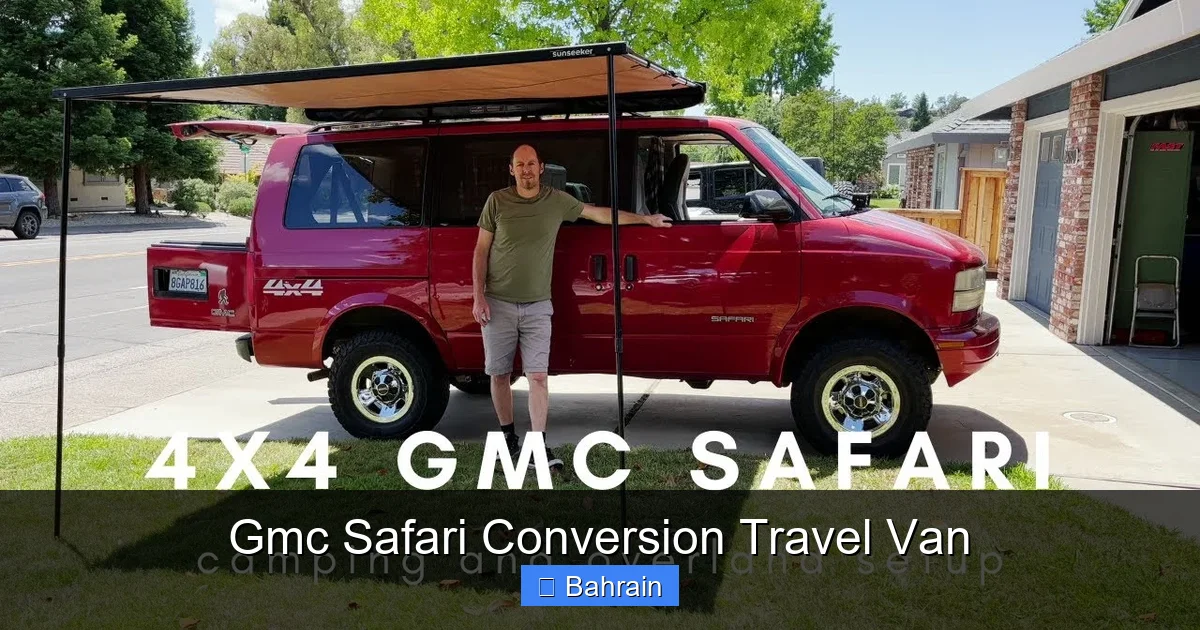
Visual guide about Gmc Safari Conversion Travel Van
Image source: i.ytimg.com
Embarking on a **GMC Safari conversion travel van** project is an exciting journey, but success hinges on careful planning. Don’t just grab a hammer and start tearing things out! Take your time to envision how you’ll use the space.
Define Your Travel Style
Before you even think about layouts, consider your primary use. Will this be a weekend warrior for solo trips? A couple’s retreat for longer journeys? Do you need space for hobbies like climbing gear or mountain bikes? Your answers will dictate everything from your sleeping arrangement to how much storage you’ll need. If you plan to work remotely, a dedicated workspace might be essential. Understanding your travel style will help you prioritize what goes into your **GMC Safari conversion travel van**.
Layout Considerations
The Safari’s interior, while surprisingly spacious, still requires clever design. Common layouts include:
- Fixed Bed: A permanent bed often runs lengthwise or width-wise (if you’re not too tall), offering constant comfort but potentially limiting other space.
- Convertible Bed/Dinette: A bench or seating area that transforms into a bed at night. This maximizes daytime living space.
- Modular Design: Some builders create movable modules for storage, kitchen, or seating, allowing flexibility for different trip types.
Think about flow, headroom, and how you’ll access different areas. Sketch out multiple designs, measure everything, and even use cardboard cutouts inside your van to get a feel for the space.
Budgeting for Your Build
Just like buying the van, budgeting for the build is crucial. Conversion costs can vary wildly depending on your skills, material choices, and desired amenities.
- Basic Build: Think simple insulation, a bed platform, basic storage, and a portable cooking setup (e.g., a camping stove). This can be done for a few hundred to a couple of thousand dollars.
- Mid-Range Build: This might include more robust insulation, a proper electrical system (solar, auxiliary battery), a small sink, built-in cabinetry, and a more comfortable bed. Expect to spend a few thousand dollars here.
- High-End (for a Safari): While you won’t be fitting a full shower, a high-end **GMC Safari conversion travel van** might feature custom cabinetry, advanced electricals, a fridge, a heating system, and premium finishes. This could run into several thousand dollars, approaching what you might spend on a basic full-size van build.
Always add a contingency fund (10-20%) for unexpected costs.
Essential Conversion Elements for Comfort and Functionality
Once you have your plan, it’s time to gather materials and start building. These are the core elements that will transform your Safari into a comfortable and functional home.
Insulation and Ventilation: Your Climate Control
This is one of the most important steps. Good insulation keeps you warm in winter and cool in summer. Common choices include rigid foam boards (like XPS), spray foam, or natural fibers. Don’t forget the floor, walls, and ceiling. Pair insulation with proper ventilation to prevent condensation and keep fresh air circulating. A roof vent fan (like a Maxxair fan) is almost a necessity for any **GMC Safari conversion travel van**. Even a small 12V fan can make a huge difference.
Powering Your Adventures: Electrical Systems
Unless you’re going entirely off-grid with no electronics, you’ll need power.
- Basic Setup: A secondary “house” battery (deep cycle or lithium) charged by your alternator (via an isolator or DC-DC charger) will power your lights, phone charging, and maybe a small fan.
- Solar Power: For extended off-grid stays, a solar panel (or two) on the roof, connected to a charge controller and your house battery, is a game-changer. This keeps your batteries topped up using the sun’s energy.
- Inverter: If you need to power standard household appliances (laptops, blenders), an inverter converts your 12V DC power to 120V AC.
Always prioritize safety. Use appropriate wire gauges, fuses, and circuit breakers. If you’re unsure, consult an electrician or experienced DIYer.
Sleeping Arrangements: Your Mobile Bedroom
Your bed is often the largest feature in your **GMC Safari conversion travel van**. Consider comfort, size, and how it impacts other areas. A memory foam mattress cut to size is a popular choice. Think about whether you want a permanent bed or one that converts from a seating area. Storage underneath the bed is prime real estate!
Kitchen and Storage: Practical Living Spaces
Even in a compact van, you can create a functional kitchen.
- Cooking: A portable propane stove is simple and effective. Many opt for a slide-out kitchen accessible from the rear hatch.
- Fridge/Cooler: A 12V compressor fridge is efficient but costly. A quality cooler is a more budget-friendly option.
- Storage: This is where creative solutions come in. Think vertical – overhead cabinets, wall-mounted pouches, under-bed drawers. Use lightweight materials like plywood or even fabric organizers. Every nook and cranny counts!
Water Management: Fresh and Grey
Having access to water for washing and light cooking is invaluable.
- Fresh Water: Simple solutions include 5-gallon water jugs with a hand pump or a small 12V pump for a faucet.
- Grey Water: Collect used water in a separate container. Never dump grey water indiscriminately. A small sink with a catchment tank underneath is a common setup for a **GMC Safari conversion travel van**.
Tools, Tips, and Tricks for Your DIY Safari Build
Building out your GMC Safari is a rewarding process, but it comes with its challenges. Here are some tips to help you along the way.
Prioritize Safety and Structural Integrity
When drilling or cutting into your van, always know what’s on the other side. Avoid drilling into fuel lines, brake lines, or electrical wiring. When attaching heavy components, try to tie into existing structural points of the van, or reinforce areas if necessary. Your **GMC Safari conversion travel van** needs to be safe for both driving and living.
Embrace Modularity and Flexibility
The smaller space of a Safari means you might not have room for everything. Consider multi-functional items. A bench that doubles as storage and converts into a bed. A table that folds away. A portable toilet. This allows you to adapt your space to different needs on the fly.
Don’t Forget the Details: Lighting and Aesthetics
Good lighting can transform the feel of your van. LED strip lights, puck lights, or even battery-operated fairy lights can create a cozy atmosphere. Consider dimmers for ambiance. As for aesthetics, paint, fabric, and personal touches can make your **GMC Safari conversion travel van** feel like a true home. Remember, lightweight materials are your friend.
Test, Learn, and Adapt
Your first build won’t be perfect, and that’s okay! Take your van on short trips to test everything out. Does the fridge drain your battery too quickly? Is the bed comfortable enough? Is the storage accessible? You’ll learn what works and what doesn’t, and you can always make adjustments. The beauty of a DIY build is that it’s always evolving.
Life on the Road: Maximizing Your GMC Safari Experience
Once your **GMC Safari conversion travel van** is complete (or complete enough!), it’s time to hit the road and enjoy the fruits of your labor.
Maintenance Matters
Even though Safaris are known for being robust, they are older vehicles. Regular maintenance is key to a trouble-free journey. Check your fluids, tires, brakes, and belts regularly. Learn basic troubleshooting. Having a good roadside assistance plan is also highly recommended, especially when venturing into remote areas. Keep an eye on the engine, transmission, and especially the AWD system if you have it. Proactive maintenance will save you headaches and costly repairs down the road.
Connecting with the Vanlife Community
The vanlife community is incredibly supportive. Join online forums, Facebook groups, and follow Instagram accounts dedicated to Safari/Astro conversions. You’ll find a wealth of information, inspiration, and troubleshooting tips. Attending meetups or connecting with other van dwellers on the road can also enhance your experience, offering companionship and shared wisdom. The collective knowledge of **GMC Safari conversion travel van** owners is immense!
Exploring Beyond the Pavement
One of the distinct advantages of your AWD GMC Safari conversion travel van is its ability to handle rougher terrain. Don’t be afraid to utilize that capability! Research forest service roads, BLM land, and state parks that offer dispersed camping. Always be mindful of local regulations, practice Leave No Trace principles, and be prepared for changing conditions. This opens up a whole new world of camping opportunities compared to sticking to paved campgrounds.
Conclusion
The **GMC Safari conversion travel van** represents an accessible and incredibly rewarding entry point into the world of vanlife. It might not be the biggest or the flashiest, but its robust nature, compact size, optional AWD, and affordability make it a fantastic foundation for a personalized adventure vehicle. From the initial planning stages to the nitty-gritty of insulation, electrical systems, and clever storage solutions, building out a Safari is a journey of learning, creativity, and problem-solving.
More than just a vehicle, your converted GMC Safari becomes a key to freedom, allowing you to explore new places, embrace minimalism, and wake up to breathtaking views, all from the comfort of a space you built with your own hands. So, if the call of the open road is whispering your name, don’t overlook the humble yet mighty GMC Safari. It might just be the perfect canvas for your next great adventure. Happy building, and happy travels!
Frequently Asked Questions
Is the GMC Safari a reliable vehicle for long-term travel?
The GMC Safari, particularly models from the late 90s and early 2000s, are generally considered robust and reliable vehicles. With proper maintenance and attention to common wear items for older vehicles, they can serve as excellent platforms for long-term travel in a GMC Safari conversion travel van.
What’s the typical fuel efficiency of a GMC Safari conversion travel van?
Fuel efficiency for a GMC Safari typically ranges from 15-20 miles per gallon (MPG), depending on the engine, drivetrain (2WD vs. AWD), vehicle weight from the conversion, and driving habits. AWD models generally get slightly lower MPG than 2WD versions.
Can I stand up inside a GMC Safari?
For most people, standing fully upright inside a standard GMC Safari conversion travel van is not possible, as the interior height is typically around 4.5 feet (54 inches). Some taller owners opt for a pop-top roof or fixed high-top addition to gain standing room, but this is a more complex modification.
What are common mechanical issues to look for when buying a used GMC Safari for conversion?
When purchasing a used GMC Safari for your conversion, pay close attention to the transmission (especially on older models), rust around the body and frame, suspension components, and the condition of the engine’s lower intake manifold gasket. A thorough pre-purchase inspection is always recommended.
How do I manage heat and air conditioning in a GMC Safari conversion travel van?
For heating, options include portable propane heaters, diesel heaters, or even installing a small forced-air furnace. For cooling, proper insulation and a good roof vent fan are crucial. Running the engine’s AC while driving and parking in the shade are also effective strategies.
Is it difficult to find insurance for a converted GMC Safari travel van?
Insuring a converted GMC Safari can sometimes be tricky as it falls between a standard vehicle and an RV. It’s best to inform your insurance provider about the modifications and intended use. Some companies offer specific “van conversion” or “RV” policies, or you might need to stick with standard auto insurance for personal use if the conversion is minimal and doesn’t significantly alter the vehicle’s classification.