Best Travel Trailer Covers for Winter
Winterizing your travel trailer is essential, and choosing the best travel trailer covers for winter is a critical step to safeguard your investment. These covers provide vital protection against snow, ice, UV rays, and moisture, preventing costly damage. Look for durable, breathable materials with a snug fit and easy access panels to ensure your RV stays in pristine condition until spring.
As the chill of winter approaches, many travel trailer owners start thinking about putting their beloved RVs into hibernation. While parking your trailer away for the colder months might seem straightforward, the truth is, winter can be incredibly harsh on your recreational vehicle. Freezing temperatures, heavy snow, ice, relentless winds, and even the weak winter sun can cause significant damage if your trailer isn’t properly protected. This is where investing in one of the best travel trailer covers for winter becomes not just a good idea, but an absolute necessity.
Imagine your travel trailer sitting outside, exposed to all the elements for months on end. Snow piles up on the roof, eventually melting and refreezing, stressing seals and potentially causing leaks. Ice expands and contracts, pushing against seams and breaking down materials. UV rays, even in winter, can degrade paint and decals. And let’s not forget moisture getting trapped, creating a perfect breeding ground for mold and mildew. A high-quality winter cover acts like a warm, protective blanket, shielding your investment from these threats and ensuring it remains in top condition for your adventures next spring. Choosing the right cover, however, can feel a bit overwhelming with so many options out there. But don’t worry, we’re here to guide you through finding the best travel trailer covers for winter.
Key Takeaways
- Essential Protection: A quality travel trailer cover is crucial for shielding your RV from snow, ice, UV radiation, rain, and debris during harsh winter months, preventing costly long-term damage.
- Material Matters: Look for multi-layer, non-abrasive materials like polypropylene or polyester blends that offer UV resistance, water repellency, and superior breathability to prevent mold and mildew.
- Breathability is Key: Adequate ventilation through vents or breathable fabrics is vital to allow moisture to escape, preventing condensation buildup that can lead to rust, rot, or mold inside the trailer.
- Proper Fit is Crucial: Opt for a cover that fits snugly but not too tightly. A good fit minimizes flapping in the wind, which can cause abrasions, and ensures comprehensive protection. Universal covers are an option, but semi-custom or custom fits are often better.
- Accessibility and Features: Consider features like zippered panels for easy entry to the RV, reinforced corners to prevent tearing, and strap systems to secure the cover against strong winds.
- Pre-Covering Preparation: Before installing any of the best travel trailer covers for winter, ensure your RV is clean, dry, and all sharp edges are padded to prevent cover damage and maximize its effectiveness.
- Long-Term Investment: While an initial expense, choosing one of the best travel trailer covers for winter extends the lifespan of your RV, maintains its aesthetic appeal, and preserves its resale value, making it a wise investment.
Quick Answers to Common Questions
Question 1?
Do I really need a special cover for winter, or will a regular tarp work?
Answer 1?
A specialized winter cover is highly recommended over a regular tarp. Winter covers are designed with breathable, multi-layered fabrics that prevent moisture buildup (which tarps often trap), offer superior UV and tear resistance, and have features like reinforced corners and securing straps for harsh conditions.
Question 2?
What’s the most important feature to look for in a winter travel trailer cover?
Answer 2?
Breathability is arguably the most important feature. While durability and water repellency are crucial, a cover that allows moisture to escape prevents condensation, mold, mildew, and rust, which can cause significant damage to your RV’s interior and structure.
Question 3?
How do I measure my travel trailer to ensure I get the right size cover?
Answer 3?
Measure your travel trailer from the longest exterior point, including bumpers and ladders, but generally *excluding* the hitch. Most manufacturers will provide length ranges for their covers; pick the one that accommodates your RV’s full length.
Question 4?
Can strong winds damage my travel trailer cover?
Answer 4?
Yes, strong winds can cause covers to flap excessively, leading to tears, abrasions, and potential damage to your RV’s finish. That’s why the best travel trailer covers for winter include robust strap systems and elasticized hems to secure them tightly and minimize movement.
Question 5?
Should I remove my RV’s antenna or other roof accessories before covering it?
Answer 5?
It’s generally recommended to remove any easily detachable or fragile protrusions like satellite dishes or antennas, if possible, to prevent damage to them and to the cover itself. For non-removable items, ensure they are padded to prevent sharp edges from tearing the cover.
📑 Table of Contents
- Why Winter Protection is Non-Negotiable for Your Travel Trailer
- What Makes a Travel Trailer Cover “Winter-Ready”? Key Features to Look For
- Types of Travel Trailer Covers: Finding Your Perfect Match
- Installation and Maintenance Tips for Your Winter Cover
- Making the Final Decision: Choosing Your Best Travel Trailer Cover for Winter
- Conclusion: Protect Your Investment, Preserve Your Adventures
Why Winter Protection is Non-Negotiable for Your Travel Trailer
You’ve invested a lot in your travel trailer. It’s your home away from home, your ticket to adventure. Leaving it exposed to winter’s wrath without adequate protection is like leaving your car’s windows open in a snowstorm. The consequences can range from minor cosmetic damage to major structural issues that are expensive and time-consuming to repair. Understanding the specific threats winter poses helps you appreciate just how vital a good cover is.
The Silent Enemies of Winter
- Snow and Ice: Heavy snowfall can put immense pressure on your trailer’s roof, potentially causing structural damage. When snow melts and refreezes, ice expansion can crack seals, leading to water infiltration.
- UV Radiation: Even on cloudy winter days, UV rays are present. Over time, these rays can fade paint, crack decals, and degrade rubber seals, leading to premature aging of your RV’s exterior.
- Moisture and Condensation: Trapped moisture, whether from rain, melting snow, or condensation, is a breeding ground for mold, mildew, and rust. This can damage interior fabrics, wood, and even the trailer’s frame.
- Wind and Debris: Strong winter winds can pick up branches, gravel, and other debris, potentially scratching or denting your trailer’s exterior. Constant wind can also wear down exposed surfaces.
- Pests: A parked trailer can become an inviting home for rodents, insects, and other critters seeking shelter from the cold. They can chew through wires, upholstery, and contaminate your RV.
The best travel trailer covers for winter are designed specifically to combat these threats, offering a multi-layered defense that standard tarps simply can’t match. They are an investment that pays off by preserving your RV’s condition and resale value.
What Makes a Travel Trailer Cover “Winter-Ready”? Key Features to Look For
Not all covers are created equal, especially when it comes to facing the rigors of winter. To find the best travel trailer covers for winter, you need to know what features truly matter. It’s about combining durability, breathability, and a smart design.
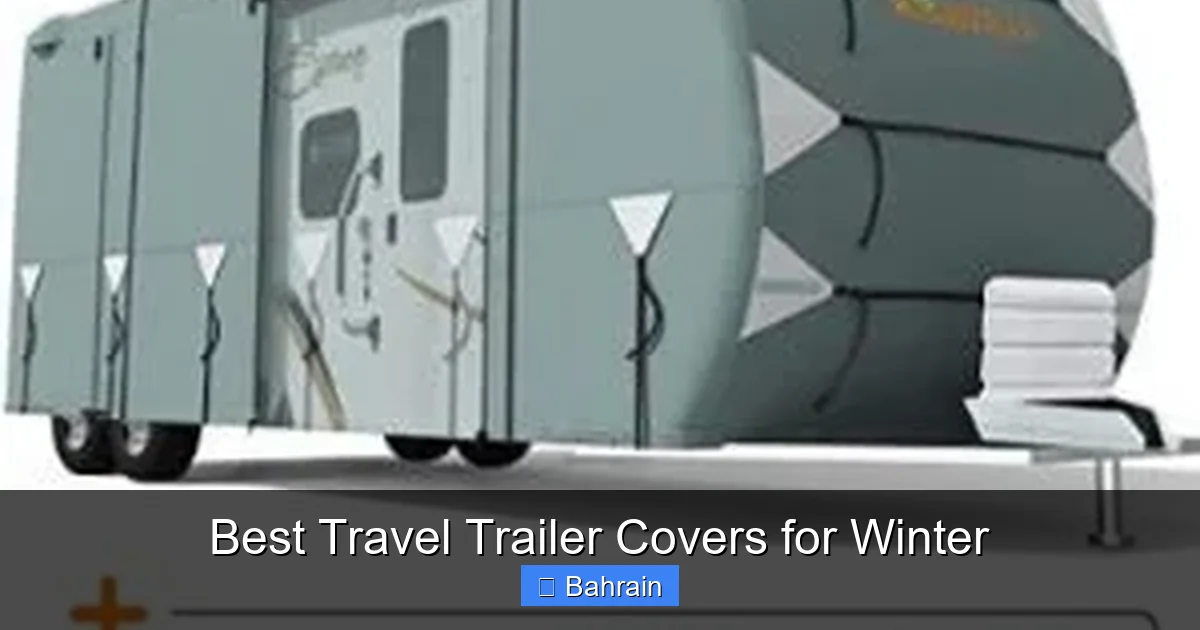
Visual guide about Best Travel Trailer Covers for Winter
Image source: images.whywelikethis.com
Material Composition: The Core of Protection
The material is perhaps the most critical factor. Winter covers typically feature multiple layers, often made from robust synthetic fabrics.
- Outer Layer: This layer needs to be tough. Look for UV-resistant, tear-resistant materials like heavy-duty polypropylene, polyester, or composite blends. It should be water-repellent to shed snow and rain effectively.
- Middle Layer(s): Some of the best travel trailer covers for winter incorporate additional layers for extra padding, often made from softer, non-abrasive materials to protect the trailer’s finish.
- Inner Layer: This should be soft and non-abrasive to prevent scratching your trailer’s delicate paintwork during installation or when the wind causes movement.
The key is a balance between strength and softness. You want something that can withstand heavy snow loads and sharp winter winds without damaging your RV’s exterior.
Breathability: Preventing the Silent Enemy
This is where many cheap tarps fail. While you want to keep moisture out, you also need to let trapped moisture and condensation escape. A cover that traps moisture inside creates a humid environment, leading to mold, mildew, and corrosion. Look for covers with:
- Microporous Fabrics: These materials are designed to be water-repellent from the outside but allow water vapor to pass through from the inside.
- Integrated Vents: Many quality covers include strategically placed vents, often reinforced, that promote airflow while preventing rain and snow entry. This is a hallmark of the best travel trailer covers for winter.
Good breathability is paramount for maintaining a healthy environment underneath the cover.
Fit and Security: Snug, Not Tight
A poorly fitting cover is worse than no cover at all. It can flap in the wind, causing abrasion and tears, and may not fully protect your trailer.
- Snug Fit: The best travel trailer covers for winter will fit snugly, minimizing excess material that can catch wind. However, it shouldn’t be so tight that it strains seams or is difficult to install.
- Elasticized Hems: These help hug the bottom of your trailer, creating a secure fit.
- Adjustable Strap Systems: Straps that go underneath the trailer, often with quick-release buckles, are essential for securing the cover against strong winds. Reinforced grommets and ropes can also help.
- Reinforced Corners: Corners are high-stress areas. Look for covers with reinforced panels or extra padding here to prevent tearing.
Accessibility and Practical Features
Even in winter, you might need to access your RV for maintenance or to retrieve items.
- Zippered Access Panels: These allow you to open sections of the cover (e.g., doors, engine areas) without removing the entire cover. This is a huge convenience feature.
- Ladder Cap: If your trailer has a ladder, ensure the cover accommodates it or has a specialized design to protect it.
- Storage Bag: A good cover will come with a robust storage bag for easy packing when not in use.
Types of Travel Trailer Covers: Finding Your Perfect Match
With a clearer understanding of essential features, let’s look at the different types of covers available, which will help you choose among the best travel trailer covers for winter.
Universal vs. Semi-Custom vs. Custom Covers
- Universal Covers: These are designed to fit a range of trailer lengths and heights. They are generally more affordable and widely available. While they can offer decent protection, the fit might not be as precise, potentially leading to more flapping.
- Semi-Custom Covers: These are designed for specific RV classes (e.g., travel trailers, fifth wheels) and common length ranges. They offer a better fit than universal covers, reducing excess material and improving protection. Many of the best travel trailer covers for winter fall into this category.
- Custom Covers: Tailored precisely to your specific RV make, model, and year, these offer the absolute best fit and protection. They are also the most expensive option. For extreme winter conditions or a high-value RV, a custom cover might be worth the investment.
For most users, a high-quality semi-custom cover provides an excellent balance of protection, fit, and cost-effectiveness for winter storage.
Material Options Explained
Beyond the layering, specific materials play a big role:
- Polypropylene: A very common material for RV covers. It’s lightweight, relatively durable, and often breathable. Multi-ply polypropylene covers are popular for winter use, offering several layers of protection.
- Polyester: Known for its strength, tear resistance, and UV resistance. Often used in blends or as a primary material in higher-end covers. It tends to be a bit heavier than polypropylene.
- Tyvek RV: A proprietary material from DuPont, often used for the top panel of covers. It’s excellent for UV protection and water resistance while remaining breathable. Covers featuring Tyvek tops combined with polypropylene or polyester sides are often among the best travel trailer covers for winter.
Installation and Maintenance Tips for Your Winter Cover
Even the best travel trailer covers for winter won’t perform optimally if not installed and maintained correctly. Proper preparation and care are key to maximizing their lifespan and your RV’s protection.
Pre-Installation Checklist: Get Ready for Winter
- Clean Your RV: Wash your travel trailer thoroughly and ensure it’s completely dry. Any dirt or grime trapped under the cover can scratch the paint.
- Cover Sharp Edges: Walk around your RV and identify any sharp points, such as gutters, antenna edges, ladder rungs, or awning arms. Pad these areas with old towels, pool noodles, or specialized corner protectors. This prevents the cover from tearing.
- Retract Awnings: Make sure all awnings are fully retracted and secured.
- Remove Protrusions (if possible): If your RV has easily removable items like bike racks or satellite dishes, consider taking them off to simplify covering and reduce potential stress points.
- Properly Winterize the RV: Before covering, ensure your RV’s plumbing, engine (if applicable), and interior are fully winterized according to manufacturer guidelines. The cover protects the exterior, but internal systems need attention too.
Installation Best Practices
Covering a large travel trailer can be a two-person job, especially for the first time.
- Unroll and Orient: Lay the cover out on the ground near your trailer and identify the front, back, and sides. Most covers have labels.
- Drape Over the Roof: Carefully pull the cover over the roof, starting from one end (usually the front or back, depending on the cover design). Avoid dragging it over sharp edges.
- Pull Down the Sides: Once draped over the top, pull the sides down evenly, ensuring the access panels align with your RV’s doors.
- Secure the Straps: Fasten all tie-down straps under the trailer. Pull them snug but don’t over-tighten, which can put undue stress on the fabric. Check straps periodically throughout winter, especially after heavy winds.
- Check for Snugness: Ensure the cover fits snugly all around, with minimal loose fabric.
Cover Maintenance During Winter
- Inspect Periodically: On a mild day, check the cover for any tears, loose straps, or signs of wear. Address any issues promptly.
- Clear Heavy Snow: While good covers can handle snow, extremely heavy, wet snow loads can be excessive. Gently brush off large accumulations of snow from the roof to relieve pressure.
- Keep Vents Clear: Ensure any integrated vents remain unobstructed to allow proper airflow.
Making the Final Decision: Choosing Your Best Travel Trailer Cover for Winter
So, you’re ready to buy one of the best travel trailer covers for winter. How do you make that final choice? It comes down to balancing protection, durability, convenience, and budget.
Consider Your Climate
If you live in an area with extremely harsh winters (heavy snow, freezing rain, prolonged sub-zero temperatures, strong winds), you’ll want a top-tier, multi-layered cover with superior tear resistance, reinforced stress points, and excellent breathability. For milder winters, a slightly less robust but still high-quality cover might suffice.
Measure Your Trailer Accurately
Always measure your travel trailer from the longest point, including bumpers and ladders (but not the hitch), to ensure you get the correct size. Most manufacturers specify the exact dimensions their covers will fit. Getting the measurement right is crucial for a proper fit, which directly impacts the effectiveness of the best travel trailer covers for winter.
Read Reviews
Customer reviews can offer invaluable insights into real-world performance, durability, ease of installation, and how well a cover holds up in various winter conditions. Look for patterns in feedback regarding specific features.
Balance Cost with Quality
While cheaper covers might be tempting, they often lack the durability, breathability, and features necessary for effective winter protection. Think of a quality cover as an investment that protects a much larger asset. Spending a bit more upfront can save you significant repair costs down the line. The best travel trailer covers for winter often represent a mid-to-high price point, but they deliver superior value over their lifespan.
Ultimately, the best travel trailer covers for winter are those that provide robust, breathable protection tailored to your specific RV and local climate. They are easy to install, secure against winds, and allow for necessary access without compromising overall coverage. By focusing on these key aspects, you can confidently choose a cover that will keep your travel trailer safe and sound, ready for new adventures when spring arrives.
Conclusion: Protect Your Investment, Preserve Your Adventures
Putting your travel trailer away for the winter doesn’t have to be a source of worry. By choosing one of the best travel trailer covers for winter, you are actively safeguarding your investment against the numerous challenges posed by cold weather, snow, ice, and UV rays. A high-quality cover extends the life of your RV, prevents expensive repairs, and preserves its aesthetic appeal and resale value. Remember to prioritize durable, breathable materials, a snug fit, and convenient features like access panels.
Taking the time for proper preparation and installation ensures that your cover performs its best, standing as a resilient barrier between your precious trailer and the elements. When spring rolls around, you’ll be able to uncover a well-preserved, ready-to-go RV, eager to hit the open road for another season of memorable journeys. Don’t compromise on winter protection; it’s a small effort for significant peace of mind and lasting enjoyment of your travel trailer.
Frequently Asked Questions
How often should I check my travel trailer cover during winter?
It’s a good practice to check your travel trailer cover periodically throughout the winter, especially after heavy snowfalls or strong winds. Look for any tears, loose straps, or areas where snow might be accumulating excessively. Addressing small issues early can prevent bigger problems.
Are lighter colored covers better for winter?
Yes, lighter colored covers, particularly white or light grey, are often preferred for winter as they reflect more sunlight. This helps reduce heat buildup under the cover on sunny days and can help prevent excessive ice formation by encouraging some snowmelt without overheating the trailer.
Will a cover protect my tires from winter damage?
Many full-coverage travel trailer covers extend down enough to protect the tires from direct sunlight and harsh elements, which can prevent dry rot and cracking. However, for maximum tire protection, consider adding dedicated tire covers underneath the main RV cover.
Is it okay for snow to accumulate on top of the cover?
While the best travel trailer covers for winter are designed to handle some snow load, excessive, heavy, wet snow can put undue stress on both the cover and your RV’s roof. It’s advisable to gently brush off large accumulations of snow to reduce this pressure.
How long do travel trailer covers typically last?
The lifespan of a travel trailer cover varies greatly depending on its quality, material, climate conditions, and how well it’s maintained. High-quality covers, especially those considered among the best for winter, can last anywhere from 3 to 7 years or even longer with proper care.
Can I put a cover on a wet travel trailer?
No, you should never put a cover on a wet travel trailer. Trapping moisture underneath the cover creates a perfect environment for mold, mildew, and corrosion to develop. Always ensure your RV is thoroughly clean and completely dry before installing the cover for winter storage.