Bed Bug Repellent Travel
Planning a trip? Don’t let bed bugs ruin your adventure or hitchhike home with you! This guide offers comprehensive advice on bed bug repellent travel, covering everything from pre-trip preparations and smart hotel habits to effective repellents and post-travel precautions. Learn how to identify risks, choose the right products, and implement simple strategies to travel confidently and pest-free.
Traveling is one of life’s greatest pleasures, offering new experiences, cultures, and memories. Whether you’re planning a serene escape to a beach resort, an adventurous trek through historical sites, or a bustling city break, the last thing anyone wants to bring home is an unwelcome souvenir: bed bugs. These tiny, nocturnal pests are masters of hitchhiking, and they thrive in places with high turnover, making hotels, hostels, and even public transport prime breeding grounds for their spread.
The thought of bed bugs can be enough to make any seasoned traveler shudder. They’re not just an annoyance; their bites can be itchy and irritating, and dealing with an infestation once you’re back home can be an absolute nightmare – costly, stressful, and time-consuming. But don’t let the fear of these tiny critters dampen your travel plans! With the right knowledge and tools, you can significantly reduce your risk and enjoy your journey with peace of mind. This comprehensive guide will arm you with everything you need to know about bed bug repellent travel, from essential preparations to post-trip precautions.
Key Takeaways
- Understanding the Threat: Bed bugs are expert hitchhikers that can infest luggage and homes after travel. Knowing their habits is the first step in prevention.
- Pre-Travel Preparation is Key: Inspect and treat luggage with permethrin-based sprays *before* packing. Consider packing essentials in sealed bags.
- Hotel Room Vigilance: Always inspect your hotel room thoroughly upon arrival, focusing on mattresses, headboards, and furniture. Keep luggage off the floor.
- Effective Repellents & Tools: Permethrin for luggage and fabrics, and DEET for personal skin application (though less effective against bed bugs) are common. Bed bug travel encasements and dissolvable laundry bags are also highly recommended.
- Post-Travel Decontamination: Immediately upon returning home, isolate luggage, wash all travel clothes in hot water, and tumble dry on high heat to kill any potential invaders.
- Natural Options & Limitations: While some natural repellents like essential oils exist, their efficacy against bed bugs is often debated and less reliable than chemical treatments.
- Prevention Over Cure: The most effective strategy against bed bugs during travel is a multi-layered approach of awareness, inspection, chemical protection, and careful post-travel protocols.
Quick Answers to Common Questions
Can bed bugs travel on airplanes?
Yes, bed bugs can easily hitchhike on personal items like carry-on bags, purses, and even clothing on airplanes. They are adept at finding hiding spots in seams and crevices.
Are bed bug repellent sprays safe to use on skin?
Most effective bed bug *repellent* sprays (like permethrin-based products) are insecticides designed for fabrics and luggage, not for direct skin application. Only use products specifically labeled safe for skin, like some essential oil blends, but be aware of their limited efficacy against bed bugs.
How long can bed bugs survive in a suitcase without feeding?
Bed bugs can survive for several months, sometimes even up to a year, without feeding, especially in cooler conditions. This is why thorough decontamination of luggage is crucial, even if it’s been stored away for a while.
Does heat kill bed bugs?
Yes, heat is highly effective at killing bed bugs and their eggs. Temperatures above 49°C (120°F) are lethal. This is why washing clothes in hot water and tumble-drying on high heat are recommended post-travel.
What should I do if I find bed bugs in my hotel room?
If you find bed bugs, immediately inform hotel management, request a new room (preferably not adjacent to or above/below the infested one), and thoroughly re-inspect the new room. Do not transfer any items from the potentially infested room to the new one until they have been checked.
📑 Table of Contents
Understanding the Bed Bug Threat for Travelers
Before we dive into bed bug repellent travel strategies, let’s get acquainted with our tiny adversaries. Bed bugs (Cimex lectularius) are small, reddish-brown insects, about the size of an apple seed. They feed exclusively on blood, typically human blood, and are most active at night. They’re not known to transmit diseases, but their bites can cause itchy welts, and their presence can lead to significant psychological distress.
Why Are Bed Bugs a Travel Concern?
Bed bugs are exceptional hitchhikers. They don’t jump or fly, but they are very good at crawling into luggage, clothing, and other personal items. High-traffic environments like hotels, airplanes, trains, and even rental cars are perfect vectors for their spread. A room that was infested just before your stay could easily transfer bed bugs to your belongings. Once they’re in your suitcase, it’s a short trip to your home, where they can establish a new colony, turning your dream vacation into a lasting nightmare. This is why effective bed bug repellent travel strategies are so crucial.
Identifying Bed Bugs and Their Signs
Knowing what to look for is your first line of defense.
- Adult Bed Bugs: Flat, oval, reddish-brown, about 4-5 mm long (size of an apple seed). After feeding, they become plumper and darker.
- Nymphs: Younger bed bugs are smaller and translucent or yellowish.
- Eggs: Tiny (about 1 mm), white, pear-shaped, often found in clusters in crevices.
- Exoskeletons: As bed bugs grow, they shed their skin. These empty shells look like the bugs themselves but are translucent.
- Fecal Spots: Small, dark, rust-colored spots on mattresses, sheets, or walls – these are bed bug droppings. They can bleed into fabric like a marker.
- Blood Spots: Small, rusty stains on sheets or pajamas, often from squashed bed bugs or bites.
Essential Bed Bug Repellent Travel Preparations
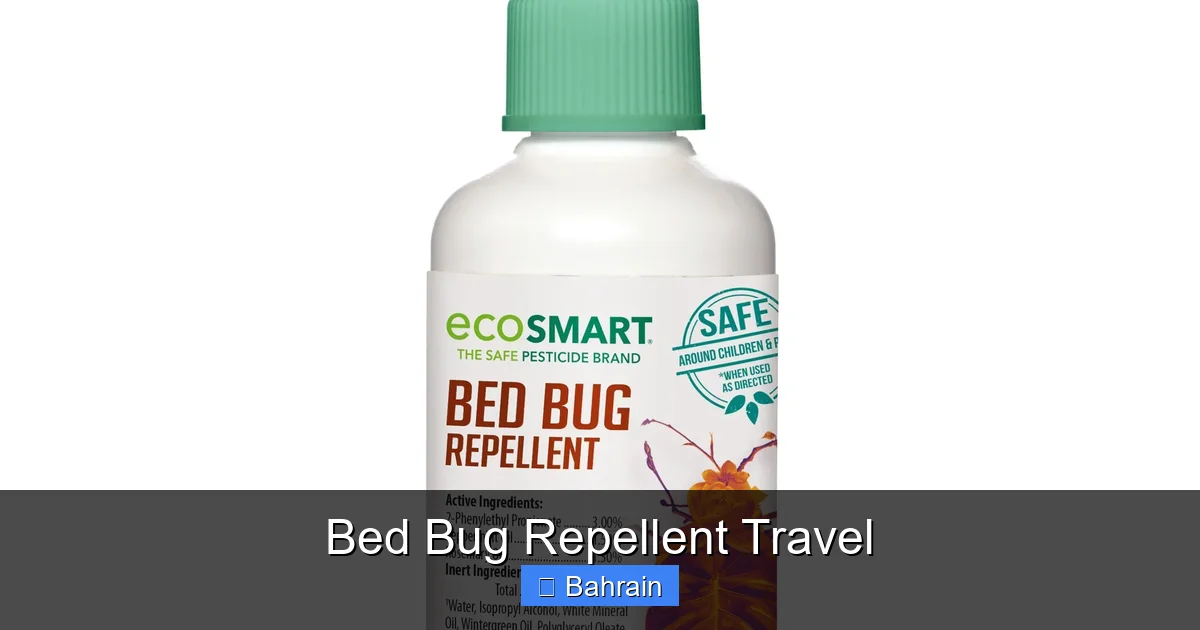
Visual guide about Bed Bug Repellent Travel
Image source: cdn.shopify.com
Preparation is paramount when it comes to bed bug repellent travel. A little effort before you leave can save you a lot of trouble later.
Treating Your Luggage and Backpacks
One of the most effective strategies is to treat your luggage *before* you even leave home.
- Permethrin-Based Sprays: These are insecticides, not repellents in the traditional sense, but they kill bed bugs on contact and provide long-lasting residual protection. Treat the inside and outside of your suitcases, backpacks, and duffel bags a few days to a week before your trip, allowing them to dry completely outdoors or in a well-ventilated area. Permethrin is safe for fabrics once dry but should not be applied to skin. It’s an excellent part of a bed bug repellent travel kit.
- Luggage Liners: Consider using bed bug specific luggage liners, which are essentially large, sealable bags that go inside your suitcase, creating a barrier.
Packing Smart
How you pack can also make a difference.
- Use Sealable Plastic Bags: Pack individual outfits or categories of items (e.g., underwear, shirts) in large, heavy-duty Ziploc bags or compression bags. This creates an extra barrier, making it harder for bed bugs to get to your clothes, and easier to isolate potentially contaminated items upon return.
- “Clean” vs. “Dirty” Segregation: Designate separate bags for clean clothes and those you’ve worn. This helps contain any potential hitchhikers on worn items.
- Minimalism: The less you bring, the less you have to inspect and potentially decontaminate.
Personal Bed Bug Repellent Travel Products
While there are no true topical bed bug repellents proven 100% effective (like DEET for mosquitoes), some products can offer an additional layer of defense.
- Essential Oil Sprays: Some travelers use essential oil blends (e.g., lavender, peppermint, tea tree oil) as a personal spray. While these might have some repellent qualities, their efficacy against bed bugs is not as robustly proven as permethrin. Use them as a complementary measure, not a primary defense.
- Travel-Size Sprays: Keep a small, non-aerosol spray bottle of rubbing alcohol (70% or higher) or a mild permethrin spray for quick spot treatments if you suspect activity in your room.
During Your Trip: Vigilance and Protection
Once you arrive at your destination, your bed bug repellent travel strategy shifts to active inspection and containment.
Hotel Room Inspection Protocol
This is perhaps the most critical step. Do this *before* you bring your luggage fully into the room.
- Leave Luggage in the Bathroom: The bathroom is typically the least likely place to find bed bugs due to its tile surfaces and lack of soft furnishings. Keep your suitcase there while you inspect.
- The “FLIR” Method: Use a flashlight (even your phone’s) and look for Fecal spots, Live bed bugs, bloodstains, and shed exoskeletons.
- F: Flashlight
- L: Lift up the mattress and check seams, tufts, and underneath.
- I: Inspect the headboard, nightstands, and any upholstered furniture.
- R: Raise and check behind curtains, under lamps, and along baseboards.
- Check All Crevices: Pay close attention to mattress seams, cracks in the bed frame, behind the headboard, and any upholstered furniture.
- Don’t Be Shy: If you find any signs, immediately request a different room, preferably one not adjacent to the suspected infested room, and repeat your inspection.
Protecting Your Belongings
Even after a thorough inspection, ongoing precautions are wise.
- Elevate Your Luggage: Never place your suitcase directly on the floor or on upholstered furniture. Use the metal luggage rack, dresser, or a hard surface. If there’s no suitable rack, use the bathroom counter or bathtub.
- Keep Clothes Contained: Don’t leave clothes scattered on the floor or on beds. Keep them in your sealed bags within your suitcase, or hang them in the closet.
- Zip It Up: Keep your suitcase zipped shut when not in use.
- Consider a Travel Encasement: Some travelers bring portable bed bug proof mattress encasements for an extra layer of protection, though this is more for those with severe anxiety or prolonged stays.
Post-Travel Bed Bug Repellent Travel Protocol
The journey home isn’t over until you’ve successfully decontaminated your belongings. This is where you prevent bringing any unwanted guests into your own home.
The “Hot Wash, Hot Dry” Strategy
This is your most powerful weapon.
- Immediate Isolation: As soon as you get home, *do not* bring your luggage into your bedroom or living areas. Take it directly to a laundry area, garage, or even outside.
- Laundry Blitz: All clothes, worn or unworn, that went on the trip should go straight into the washing machine. Wash them in the hottest water permissible for the fabric (at least 60°C or 140°F) and then tumble dry on the highest heat setting for at least 30 minutes. Heat is a bed bug killer.
- Items Not Washable: For items that can’t be washed (e.g., delicate clothing, shoes), place them in a hot dryer on high heat for at least 30 minutes. Alternatively, they can be sealed in plastic bags and placed in direct sunlight on a hot day for several hours (temperatures inside the bag need to reach over 49°C or 120°F), or frozen at 0°F for at least four days.
Luggage Decontamination
Your suitcase also needs attention.
- Vacuum Thoroughly: Vacuum your empty suitcase thoroughly, paying close attention to seams, zippers, and pockets. Immediately empty the vacuum cleaner bag into a sealed plastic bag and dispose of it outdoors.
- Steam Clean: If you have access to a steam cleaner, use it on your luggage. The high heat can kill any hidden bed bugs or eggs.
- Chemical Treatment: If you pre-treated your luggage with permethrin, it offers ongoing protection. If not, consider a post-travel application, allowing it to dry completely before storing.
- Store Safely: Store your luggage in a garage, attic, or a large, sealed plastic bag, away from your bed and upholstered furniture.
Choosing the Right Bed Bug Repellent Travel Products
When it comes to bed bug repellent travel, understanding your options is crucial.
Permethrin-Based Sprays
As mentioned, these are highly effective insecticides, not just repellents.
- Application: Apply to luggage, backpacks, tents, sleeping bags, and clothing (not worn items) several days before travel. Allow to air dry completely. It lasts for several washes or weeks.
- Mechanism: Kills bed bugs on contact and provides a residual killing effect.
- Caution: Do not apply directly to skin. It can be harmful to cats when wet, so keep pets away from treated items until fully dry.
DEET and Picaridin
These are effective mosquito and tick repellents, but their efficacy against bed bugs on human skin is limited.
- Mechanism: While they might deter some bed bugs from biting for a short period, they won’t kill them and aren’t a reliable long-term bed bug repellent travel solution.
- Use Case: Primarily for mosquito and tick protection. Do not rely on them solely for bed bug prevention.
Natural and Essential Oil Repellents
Many natural products claim to repel bed bugs, often utilizing essential oils like peppermint, lavender, tea tree, eucalyptus, or cedarwood.
- Efficacy: Scientific evidence supporting their effectiveness as primary bed bug repellent travel solutions is often weak or inconsistent compared to chemical treatments. Some studies show mild deterrent effects, but not reliable killing power or long-term repulsion.
- Use Case: Can be used as an *additional* layer of comfort spray for personal items, but should not replace inspection and chemical treatments.
Physical Barriers and Tools
These are non-chemical but highly effective components of your bed bug repellent travel kit.
- Zippered Mattress & Pillow Encasements: Essential for protecting your mattress at home, and some travelers even bring travel-sized versions for peace of mind.
- Travel Laundry Bags (Water Soluble): These allow you to toss all your dirty clothes, bag and all, into the washing machine, minimizing direct contact with potentially infested items.
- Flashlight: An absolute must-have for inspections.
Conclusion: Travel Smart, Travel Safe
Traveling should be an exciting and enriching experience, free from the worry of bringing home unwanted pests. By adopting a proactive and informed approach to bed bug repellent travel, you can significantly reduce your risk. Remember, the key is a multi-pronged strategy: thorough pre-travel preparation of your luggage, diligent inspection upon arrival at your accommodation, smart packing habits, and meticulous post-travel decontamination.
While no single product or method offers 100% guaranteed protection, combining these strategies creates a powerful defense against bed bugs. So, pack your bags, equip yourself with knowledge, and embark on your next adventure with confidence, knowing you’ve done everything you can to keep your travels (and your home) bed bug-free. Happy and healthy travels!
Frequently Asked Questions
Do bed bug bites transmit diseases?
Fortunately, bed bug bites are not known to transmit diseases to humans. While their bites can be itchy, irritating, and cause allergic reactions in some individuals, they pose no significant health risk beyond skin irritation and potential secondary infections from scratching.
Can bed bugs infest my car during travel?
Yes, bed bugs can certainly infest your car. If you transport infested luggage or spend time in an infested hotel room, bed bugs can crawl into car upholstery, crevices, and under floor mats. It’s important to inspect and clean your car if you suspect exposure.
Are natural bed bug repellents effective for travel?
The effectiveness of natural bed bug repellents, often made with essential oils like peppermint or lavender, is generally much lower and less consistent than chemical options like permethrin. While they might offer some mild deterrent effect, they should not be relied upon as a primary bed bug repellent travel strategy.
How can I protect my personal items like electronics from bed bugs?
For electronics and other non-washable items, you can thoroughly inspect them, wipe them down, and then seal them in airtight plastic bags upon return. Extreme temperatures (heat or prolonged freezing, if safe for the item) can also be used, but careful inspection and isolation are often the easiest methods.
Is it true that bed bugs prefer dirty environments?
No, bed bugs are not attracted to dirt or grime. They are attracted to warmth, carbon dioxide, and blood, regardless of the cleanliness of an environment. Even the cleanest hotels or homes can unfortunately experience a bed bug infestation, making bed bug repellent travel crucial for everyone.
What is the difference between a bed bug spray and a repellent?
A bed bug spray typically contains an insecticide designed to kill bed bugs on contact or with residual action (e.g., permethrin). A repellent, on the other hand, is meant to deter pests from approaching or biting without necessarily killing them (e.g., DEET for mosquitoes). For bed bugs, “repellent travel” often involves using insecticides on luggage or employing physical barriers rather than a personal topical repellent.