Travel Trailer Sway Controlers
Towing a travel trailer can be a joyful experience, but it comes with the inherent risk of trailer sway, which can be both unsettling and dangerous. Travel trailer sway controlers are essential devices designed to mitigate this risk, providing a much safer and more comfortable towing experience. They work by introducing resistance or actively managing the pivot point between your tow vehicle and trailer, ensuring greater stability on the road and reducing the chances of losing control due to crosswinds, uneven roads, or sudden maneuvers.
Embarking on a road trip with your travel trailer promises adventure, freedom, and unforgettable memories. The open road calls, and with your home-on-wheels trailing behind, you’re set for an incredible journey. However, there’s one common concern that often crosses the minds of both novice and experienced RVers: travel trailer sway. That unsettling, sometimes terrifying, side-to-side motion of your trailer can turn a relaxing drive into a white-knuckle experience, and in severe cases, lead to loss of control and accidents.
This is where travel trailer sway controlers step in as your trusty co-pilot. These ingenious devices are specifically engineered to combat the natural tendency of a trailer to sway, providing a much-needed layer of stability and peace of mind. Whether you’re navigating blustery highways, encountering sudden gusts from passing semi-trucks, or simply dealing with uneven road surfaces, a good sway controler can make all the difference in maintaining a safe and enjoyable tow.
Understanding how these vital components work, the different types available, and which one is best suited for your specific setup is crucial for any travel trailer owner. This comprehensive guide will demystify travel trailer sway controlers, helping you make an informed decision to ensure your next adventure is as smooth and secure as possible.
Key Takeaways
- Understanding Sway: Travel trailer sway is a side-to-side oscillation that can occur during towing, often caused by wind, passing vehicles, or uneven weight distribution, and it can quickly become dangerous if not controlled.
- Primary Function: Travel trailer sway controlers are crucial safety devices designed to counteract this dangerous motion by applying resistance or altering pivot points, thereby stabilizing the trailer.
- Types Available: The main types include friction sway controlers (independent or built-in), cam-based sway controlers (often part of weight distribution hitches), and advanced integrated systems offering superior control.
- Choosing the Right Controler: Selection depends on your trailer’s weight, size, your tow vehicle, budget, and specific towing conditions. Heavier trailers generally require more robust, integrated solutions.
- Importance of Installation & Setup: Proper installation and setup are paramount. Incorrectly installed or adjusted travel trailer sway controlers can be ineffective or even detrimental to towing safety.
- Beyond the Controler: While essential, sway controlers are part of a larger safety strategy. Correct weight distribution, proper tire pressure, and responsible driving habits are equally vital for safe towing.
Quick Answers to Common Questions
What is travel trailer sway?
Travel trailer sway is the uncontrolled side-to-side oscillation of a trailer while being towed, often caused by wind, passing vehicles, or improper weight distribution.
Do I need a sway controler if I have a weight distribution hitch?
Yes, while a weight distribution hitch helps level your rig and improve stability, it does not inherently control sway. Many systems combine both functions, but a separate or integrated sway controler is still essential.
Can I back up with a sway controler attached?
It depends on the type. Independent friction sway controlers usually need to be disconnected or loosened before backing up to prevent damage. Most integrated and cam-based systems do not require disconnection for backing.
How much does a good travel trailer sway controler cost?
Prices vary widely, from around $50-$100 for basic independent friction bars to over $1,000-$3,000 for advanced, integrated “no-sway” hitch systems.
Does a heavier trailer require a stronger sway controler?
Generally, yes. Heavier and longer trailers are more susceptible to sway and require more robust, often cam-based or integrated active sway control systems to provide adequate stability and control.
📑 Table of Contents
- Understanding Travel Trailer Sway: The Enemy of a Smooth Ride
- The Core Function of Travel Trailer Sway Controlers: How They Work Their Magic
- Types of Travel Trailer Sway Controlers: Finding Your Perfect Match
- Choosing the Right Travel Trailer Sway Controler for Your Rig
- Installation, Maintenance, and Best Practices for Travel Trailer Sway Controlers
- Beyond the Controler: Advanced Trailer Safety Features
- Conclusion: Tow with Confidence and Control
Understanding Travel Trailer Sway: The Enemy of a Smooth Ride
Before we dive into the solutions, let’s first understand the problem. Travel trailer sway, often referred to as “tail wagging the dog,” occurs when the trailer oscillates from side to side behind the tow vehicle. It can range from a minor, barely noticeable wobble to a violent, uncontrollable oscillation that feels like your trailer is trying to pull your vehicle off the road.
What Causes Sway?
Several factors can contribute to trailer sway. The most common culprits include:
- Wind: Crosswinds, headwind gusts, or the displacement of air from passing large vehicles like trucks and buses can create immense pressure on the side of your trailer, pushing it off-center.
- Improper Weight Distribution: This is arguably the biggest contributor to dangerous sway. If too much weight is concentrated at the rear of the trailer, or if the tongue weight (the downward force exerted by the trailer’s tongue on the hitch ball) is too low, the trailer becomes unstable and prone to swaying.
- Uneven Road Surfaces: Potholes, bumps, and general undulations in the road can initiate sway, especially if the trailer’s suspension isn’t perfectly balanced.
- Speed: Driving too fast for conditions or the capabilities of your setup can exacerbate minor sway into something much more serious.
- Incorrect Tire Pressure: Underinflated tires on either the tow vehicle or the trailer can reduce stability and contribute to sway.
The Dangers of Uncontrolled Sway
Beyond being an uncomfortable experience, uncontrolled sway is incredibly dangerous. It can lead to:
- Loss of Control: The trailer’s erratic movements can overpower the tow vehicle, causing the driver to lose control and potentially jackknife.
- Accidents: This can result in collisions with other vehicles, rollovers, and severe damage to both the trailer and tow vehicle, not to mention potential injury or fatality.
- Component Strain: Even minor, repeated sway puts undue stress on your hitch components, tow vehicle’s suspension, and trailer frame over time.
This is precisely why travel trailer sway controlers are not just an accessory but a fundamental safety component for anyone towing a substantial load.
The Core Function of Travel Trailer Sway Controlers: How They Work Their Magic
At their heart, travel trailer sway controlers work by applying resistance or friction to the pivot point between your tow vehicle and the trailer. Imagine trying to push a heavy box: if it slides easily, it’s hard to control its direction. If there’s some friction, you have more command. Sway controlers do something similar, making it harder for the trailer to swing freely from side to side.
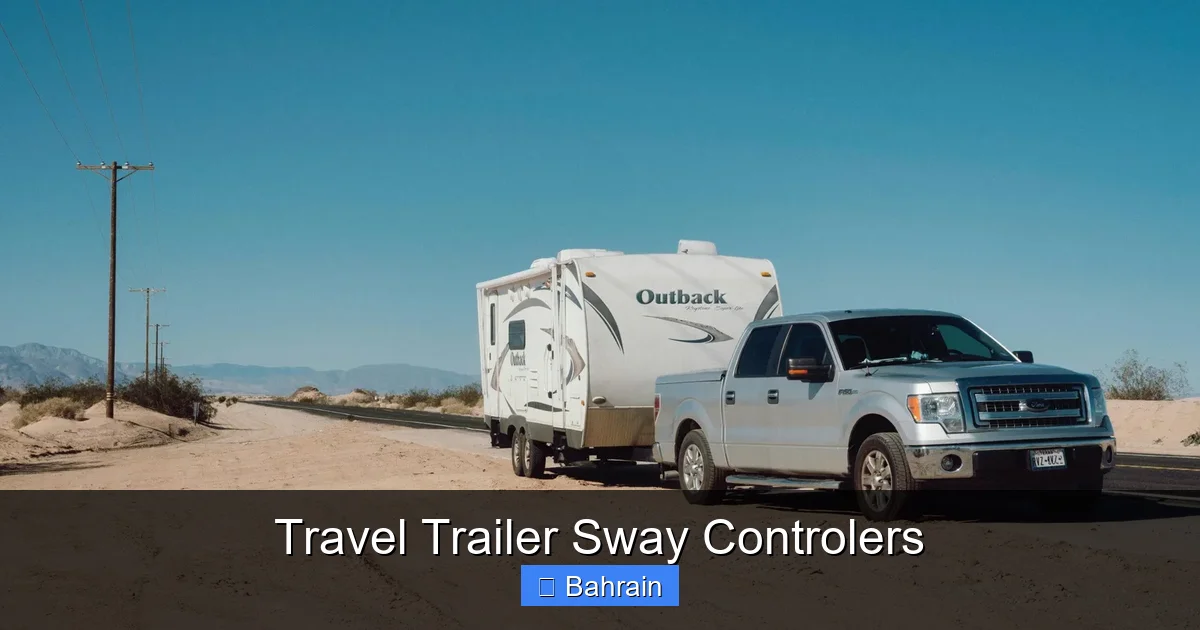
Visual guide about Travel Trailer Sway Controlers
Image source: vintageatlas.com
Principles of Sway Control
Most travel trailer sway controlers operate on one of two primary principles:
- Friction: Many systems use friction material that clamps down on a sliding bar or plate, effectively dampening the side-to-side movement of the trailer. This resistance makes it harder for external forces (like wind) to initiate sway and helps to bring any minor sway quickly back under control.
- Cam-based or Integrated Resistance: More advanced systems often incorporate a cam mechanism or are fully integrated into a weight distribution hitch. These systems actively work to keep the trailer centered by applying opposing forces, pulling the trailer back into alignment as soon as it begins to deviate. They provide constant, proactive control rather than just reactive dampening.
By constantly working against the forces that cause sway, these travel trailer sway controlers significantly reduce the likelihood of dangerous oscillations, making for a much more stable and predictable towing experience.
Types of Travel Trailer Sway Controlers: Finding Your Perfect Match
There isn’t a one-size-fits-all solution when it comes to travel trailer sway controlers. Different types offer varying levels of control, complexity, and cost. Let’s explore the most common options:
1. Independent Friction Sway Controlers
- How they work: These are often the simplest and most affordable travel trailer sway controlers. They consist of a small bar that extends from the hitch head to the trailer A-frame. Inside the bar is a friction pad that clamps down on a sliding surface, providing resistance to lateral movement. You typically adjust the amount of friction with a hand-tightened knob.
- Pros: Inexpensive, relatively easy to install, and can be used with or without a weight distribution hitch (though highly recommended with one). Good for lighter trailers or minor sway issues.
- Cons: Must be disengaged when backing up to prevent damage. Not ideal for heavy trailers or severe sway. Can be noisy. Provides reactive, rather than proactive, sway control.
- Practical Tip: Always remove or loosen independent friction travel trailer sway controlers when backing up, especially sharply, to avoid bending or breaking the bar.
2. Integrated Friction Sway Controlers (Built into Weight Distribution Hitches)
- How they work: Many modern weight distribution hitches come with friction sway control built directly into the hitch head. Instead of an external bar, the friction points are within the hitch itself, often using friction discs or pads that resist the rotational movement of the trailer tongue.
- Pros: More convenient than independent friction bars as they don’t typically need to be disengaged for backing up. Offers constant sway dampening. Simplifies the setup process.
- Cons: Still primarily friction-based and might not be enough for very heavy trailers or extreme conditions.
- Practical Example: Hitches like the Reese Strait-Line or Equal-i-zer often feature integrated friction, providing both weight distribution and sway control in one unit.
3. Cam-Based Sway Controlers
- How they work: These are more sophisticated travel trailer sway controlers that use cams or similar mechanisms to actively recenter the trailer. They are typically part of a weight distribution hitch system. As the trailer attempts to sway, the cam system applies force to pull it back into alignment.
- Pros: More proactive and effective at preventing sway from starting, rather than just reacting to it. Doesn’t typically need to be disconnected for backing up. Excellent for moderate to heavy trailers.
- Cons: Generally more expensive and complex to install and adjust than simple friction systems. Can sometimes be noisy during turns.
- Practical Example: Systems like the Reese Dual Cam or certain specialized hitches use cam-based designs to provide superior sway control.
4. Integrated Active Sway Control Systems
- How they work: These are the most advanced and often most expensive travel trailer sway controlers. They typically combine weight distribution with highly effective, proactive sway control mechanisms, often using unique hitch head designs or even electronic components (though electronic sway control is more common as a trailer safety feature, not a hitch-based controller). These systems are designed to constantly keep the trailer aligned with the tow vehicle.
- Pros: Superior sway prevention and control, even in challenging conditions. Very smooth and quiet operation. Often includes robust weight distribution capabilities.
- Cons: Highest cost, more complex installation, and sometimes heavier than simpler systems.
- Practical Tip: Brands like Hensley Arrow and ProPride are renowned for their “no-sway” designs, virtually eliminating sway by changing the pivot point of the trailer. These are considered the gold standard by many for heavy trailers.
Choosing the Right Travel Trailer Sway Controler for Your Rig
With several options available, how do you decide which travel trailer sway controler is right for you? Consider these factors:
Trailer Weight and Size
- Lighter Trailers (under 5,000 lbs): An independent friction sway controler might suffice, especially if combined with a basic weight distribution hitch. Integrated friction systems are also a great choice.
- Medium Trailers (5,000-8,000 lbs): You’ll want something more robust. Integrated friction or cam-based systems within a weight distribution hitch are highly recommended.
- Heavy Trailers (over 8,000 lbs) or Fifth Wheels: For these substantial rigs, investing in a high-end integrated active sway control system or a cam-based solution like the Hensley Arrow or ProPride is often considered essential for maximum safety and comfort.
Towing Frequency and Conditions
If you tow frequently, over long distances, or through areas prone to high winds and varying terrain, a more advanced and robust travel trailer sway controler will be a worthwhile investment. Occasional, short trips in ideal conditions might allow for simpler solutions.
Budget
Travel trailer sway controlers range from under $100 for basic friction bars to over $3,000 for premium “no-sway” hitches. Set a realistic budget, but always prioritize safety over cost. Think of it as an insurance policy for your peace of mind and your valuable assets.
Tow Vehicle and Hitch Compatibility
Always ensure that the sway controler you choose is compatible with your existing weight distribution hitch (if you have one) and your tow vehicle’s capabilities. Some systems require specific receiver sizes or weight ratings.
Installation, Maintenance, and Best Practices for Travel Trailer Sway Controlers
Even the best travel trailer sway controler is only as good as its installation and maintenance. Proper setup is critical for its effectiveness.
Professional Installation is Key
While some simple friction bars can be DIY installed, for integrated or complex cam-based systems, professional installation and initial setup by a qualified RV technician are highly recommended. They can ensure the hitch is correctly adjusted for your specific tow vehicle and trailer combination, which is paramount for both weight distribution and sway control.
Regular Maintenance
- Lubrication: Follow the manufacturer’s recommendations for lubrication. Some systems require grease, while others (especially friction-based ones) must remain dry for proper operation.
- Inspection: Regularly check all components for wear, damage, or loose bolts. Look for cracks, bent parts, or excessive play.
- Cleaning: Keep friction pads and surfaces clean and free of dirt, grease, or rust that could impede their function.
- Adjustments: Over time, components can settle or wear. Re-check adjustments periodically, especially if you notice new sway or changes in handling.
Best Practices for Safe Towing (Beyond the Sway Controler)
Remember, travel trailer sway controlers are a crucial tool, but they are not a substitute for safe towing practices:
- Proper Weight Distribution: Always ensure your trailer is loaded correctly, with about 10-15% of the total trailer weight on the hitch tongue. Use a weight distribution hitch to properly balance the load between your tow vehicle and trailer axles.
- Correct Tire Pressure: Maintain the correct tire pressure on both your tow vehicle and trailer tires as specified by their manufacturers.
- Moderate Speed: Drive at a safe and appropriate speed for towing, which is often lower than the posted speed limit for cars.
- Smooth Driving: Avoid sudden braking, sharp turns, or rapid lane changes. Gentle inputs are key.
- Mirror Setup: Ensure your tow mirrors are properly extended and adjusted to give you a clear view along the sides of your trailer.
Beyond the Controler: Advanced Trailer Safety Features
While hitch-based travel trailer sway controlers are essential, it’s worth noting that some modern trailers come with electronic sway control systems as a built-in safety feature. These systems, often found on newer RVs, use sensors to detect the onset of sway and can automatically apply the trailer brakes selectively to help stabilize the trailer before the driver even fully perceives the problem. These electronic systems work in conjunction with, rather than replacing, mechanical hitch-based sway controlers for comprehensive safety.
For those looking for the ultimate peace of mind, combining a high-quality mechanical travel trailer sway controler with a trailer equipped with electronic sway control offers the best defense against this common towing hazard.
Conclusion: Tow with Confidence and Control
Towing a travel trailer opens up a world of possibilities, but it also demands a commitment to safety. Travel trailer sway controlers are an indispensable part of that commitment, transforming potentially nerve-wracking journeys into smooth, confident rides. By understanding the different types of travel trailer sway controlers, choosing the one that perfectly matches your rig and towing habits, and ensuring its correct installation and maintenance, you’re not just buying a piece of equipment; you’re investing in safety, comfort, and the ability to fully enjoy every mile of your adventure.
Don’t let the fear of sway keep you from exploring. Equip your setup with the right travel trailer sway controlers, practice safe towing habits, and hit the road with the confidence that you’re prepared for whatever comes your way. Happy travels!
Frequently Asked Questions
What are the primary benefits of using travel trailer sway controlers?
The main benefits include significantly enhanced towing stability, reduced risk of dangerous trailer sway leading to accidents, and a much more comfortable and less stressful towing experience for the driver. They help maintain control of the trailer in adverse conditions like high winds or when being passed by large vehicles.
Can improper loading affect how well a sway controler works?
Absolutely. While travel trailer sway controlers are highly effective, they cannot fully compensate for severely improper weight distribution. Always ensure your trailer is loaded with approximately 10-15% of its total weight as tongue weight for optimal performance of both your sway controler and overall towing safety.
Are there any downsides to using a friction sway controler?
One potential downside of independent friction sway controlers is that they typically need to be disconnected when backing up, especially during sharp turns, to avoid bending or breaking the bar. They also provide reactive rather than proactive sway control, meaning they dampen sway once it starts, rather than actively preventing it.
How do I know if my sway controler is working correctly?
A properly functioning travel trailer sway controler will make your trailer feel more stable and less susceptible to side-to-side movement from external forces. If you notice persistent or increased sway, or if the trailer feels “loose” behind your tow vehicle, it’s a sign that your controler may need adjustment, maintenance, or could be inadequate for your setup.
Should I use a sway controler with a small, lightweight trailer?
Even with small, lightweight trailers, a travel trailer sway controler is a wise investment. While less prone to severe sway than larger rigs, small trailers can still experience unsettling movements from crosswinds or uneven roads. A basic friction sway controler can provide an added layer of safety and peace of mind.
Is electronic sway control the same as a mechanical sway controler?
No, they are different systems that serve the same ultimate goal. Electronic sway control is a built-in safety feature on some trailers that uses sensors and applies selective braking to individual trailer wheels to correct sway. Mechanical travel trailer sway controlers are hitch-based devices that physically resist or prevent the trailer’s lateral movement. They can work complementarily for enhanced safety.