Travel Trailer Awning Shade
Transform your outdoor RV living space with the right travel trailer awning shade. It’s not just about comfort; it’s about protecting yourself from harsh sun, wind, and even light rain, extending your enjoyment of nature. Choosing and maintaining the ideal awning shade ensures your travel trailer remains a cool, comfortable oasis, enhancing every adventure and providing a durable, long-lasting solution for all your outdoor needs.
When you hit the open road with your travel trailer, you’re not just looking for a change of scenery; you’re seeking comfort, adventure, and a deeper connection with nature. But sometimes, nature can be a little *too* present – think scorching sun, persistent winds, or those pesky insects that just won’t quit. This is where the magic of a good travel trailer awning shade comes into play, transforming your outdoor space from an exposure zone to a delightful haven.
Imagine sitting outside your RV, enjoying a cool breeze, sipping your favorite drink, and not feeling the sun bake your skin. Or perhaps you’re sharing a meal with loved ones, protected from the elements, all thanks to the simple yet incredibly effective addition of an awning shade. It’s more than just a piece of fabric; it’s an extension of your living space, an essential upgrade that significantly enhances your RV experience. Let’s dive deep into everything you need to know about optimizing your outdoor comfort with the perfect travel trailer awning shade.
Key Takeaways
- Enhanced Comfort and Protection: A quality travel trailer awning shade significantly lowers temperatures, blocks harmful UV rays, and provides shelter from wind and light rain, making your outdoor living space far more enjoyable and comfortable.
- Variety of Shade Solutions: From simple sunscreens and drop shades to full screen rooms and portable canopies, there’s a wide range of travel trailer awning shade options available to suit different needs, budgets, and climate conditions.
- Energy Efficiency Benefits: By shading the side of your RV, an effective awning shade can reduce the interior temperature, leading to less reliance on air conditioning and potential savings on power consumption, especially crucial when boondocking.
- Proper Installation is Crucial: Securing your awning shade correctly, often with tie-downs, stakes, or tension poles, is vital for safety, stability, and longevity, preventing damage to the shade and your RV in windy conditions.
- Regular Maintenance Extends Lifespan: Cleaning your travel trailer awning shade regularly, proper storage when not in use, and prompt repairs of minor tears or damage will significantly extend its functional life and maintain its aesthetic appeal.
- Consider Climate and Use: When selecting an awning shade, think about where and how you typically camp. Do you need maximum sun block, insect protection, or just a windbreak? This will guide your choice of material and design.
- Maximize Outdoor Living Space: An awning shade effectively expands your living area, creating a private, sheltered space for dining, relaxing, or socializing, making your travel trailer feel even more like home on the road.
Quick Answers to Common Questions
What is the main benefit of a travel trailer awning shade?
The main benefit is creating a comfortable, protected outdoor living space by blocking harsh sun, reducing heat, and offering shelter from wind and light rain.
Are awning shades difficult to install on an RV?
Most common drop-style awning shades are relatively easy to install, often sliding into a utility channel on your existing RV awning. Full screen rooms can be more involved.
Can an awning shade help cool my RV interior?
Yes, by shading the side of your travel trailer, an awning shade can significantly reduce the amount of heat absorbed by your RV, leading to a cooler interior and less reliance on air conditioning.
How do I choose the right size awning shade?
Measure the length of your existing RV awning. Awning shades are typically sold in corresponding lengths (e.g., a 15-foot awning needs a 15-foot shade).
What’s the best way to clean my travel trailer awning shade?
Use mild soap (like dish soap) and water with a soft brush or sponge. Rinse thoroughly and always let it air dry completely before storing to prevent mildew.
📑 Table of Contents
- Why Your Travel Trailer Needs an Awning Shade
- Types of Travel Trailer Awning Shade Solutions
- Choosing the Right Travel Trailer Awning Shade for Your RV
- Installation and Setup Tips for Your Awning Shade
- Maintenance and Care for Your Travel Trailer Awning Shade
- Creative Ways to Maximize Your Awning Shade Experience
Why Your Travel Trailer Needs an Awning Shade
Having an awning on your travel trailer is already a huge step towards outdoor comfort, but an additional awning shade takes it to the next level. It’s about optimizing your experience and protecting your investment.
Protection from the Elements
The primary benefit of a travel trailer awning shade is, as the name suggests, shade! But it’s not just about blocking the sun.
- Sun Protection: Direct sunlight can be relentless. A good travel trailer awning shade can significantly reduce the temperature under your awning, making it a comfortable spot even on the hottest days. It also blocks harmful UV rays, protecting your skin and preventing your outdoor furniture from fading.
- Wind Control: While an awning itself can catch wind, a well-placed side or front awning shade can act as a windbreak, creating a much calmer and more enjoyable space, especially in gusty conditions.
- Light Rain Shelter: While not a substitute for a full rain shelter, many awning shades can offer enough protection from light drizzle to keep your outdoor activities going without having to pack everything up.
Enhanced Comfort and Privacy
Beyond protection, an awning shade seriously upgrades your comfort and privacy.
- Cooler Interior: By shading the side of your travel trailer, an awning shade helps reduce the heat entering your RV. This means your air conditioner won’t have to work as hard, saving energy and keeping your interior cooler. This is particularly beneficial when boondocking or trying to conserve power.
- Expanded Living Space: Your awning shade effectively extends your indoor living space outdoors. It creates a dedicated, comfortable area for relaxing, dining, playing games, or simply enjoying the view, making your RV feel even more spacious.
- Privacy: Depending on the type, a travel trailer awning shade can offer a degree of privacy from neighboring campers, allowing you to relax without feeling completely exposed.
Types of Travel Trailer Awning Shade Solutions
Visual guide about Travel Trailer Awning Shade
Image source: img.ltwebstatic.com
The world of travel trailer awning shade is surprisingly diverse, offering solutions for nearly every need and budget. Understanding the different types will help you choose the best fit for your adventures.
Fabric Drop Shades / Sunscreens
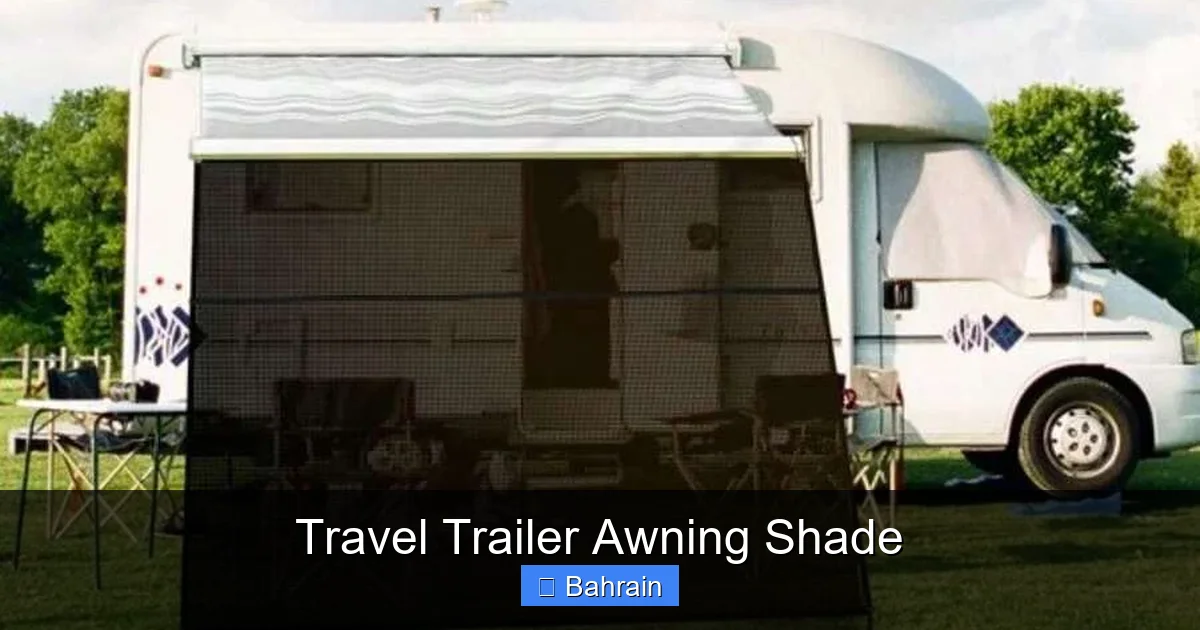
These are perhaps the most common and versatile travel trailer awning shade options. They attach to the front edge of your existing RV awning and drop down vertically.
- Features: Made from durable, UV-resistant mesh fabric. The mesh design allows for airflow while still blocking a significant percentage of UV rays and sunlight. They often come with grommets along the bottom edge for tie-downs.
- Benefits: Excellent for sun blocking and reducing glare. They maintain some visibility through the mesh. Relatively easy to install and remove.
- Considerations: Offers less privacy than solid fabric and minimal rain protection.
Awning Side Panels
Similar to drop shades but designed for the sides of your awning, creating a more enclosed feel.
- Features: Usually triangular or rectangular, fitting between the awning arm and the ground or RV side. Available in mesh or solid fabric.
- Benefits: Great for blocking low-angle sun, wind protection, and added privacy. When combined with a front drop shade, they can create a more sheltered “room.”
- Considerations: May require specific attachment points or poles depending on the design.
Full Awning Screen Rooms
For the ultimate outdoor living space, a full screen room encloses your entire awning area.
- Features: Comprised of a front panel and two side panels, typically made of insect-proof mesh. They zip together and attach to your awning and the RV, creating a bug-free enclosure. Some even have a floor.
- Benefits: Provides complete protection from insects, excellent privacy, and a significant expansion of usable living space.
- Considerations: More involved to set up and take down. Can be bulky to store. Higher cost.
Portable Canopies and Free-Standing Shades
While not directly attached to your travel trailer’s awning, these offer supplementary shade and flexibility.
- Features: Pop-up canopies, sail shades, or large umbrellas that can be set up independently of your RV.
- Benefits: Highly flexible; you can move them wherever shade is needed. Great for beach trips or picnics away from the RV.
- Considerations: Requires separate setup and storage. Can be less stable in high winds than attached solutions.
Choosing the Right Travel Trailer Awning Shade for Your RV
Selecting the perfect travel trailer awning shade involves considering several factors specific to your RV, your camping style, and the environments you typically visit.
Awning Size and Type
First, measure your existing awning. Awning shades are usually sold based on the length of your awning (e.g., 15-foot, 20-foot). Also, consider if you have a manual or electric awning, as some attachment methods might differ slightly. Ensure the travel trailer awning shade you choose is compatible with your specific awning model.
Material Matters
The material of your travel trailer awning shade impacts its effectiveness, durability, and features.
- Mesh: Offers excellent airflow and sun blockage without completely obstructing the view. Ideal for hot climates where breathability is key. Blocks 70-90% of UV rays depending on the weave.
- Solid Fabric (e.g., vinyl, polyester): Provides maximum privacy and sun protection, and some resistance to light rain. Less airflow. Great for cooler climates or when full privacy is desired.
- Durability: Look for materials that are UV-resistant, mildew-resistant, and tear-resistant. Reinforced edges and strong stitching are indicators of quality.
Climate and Camping Style
Where do you typically camp?
- Hot, Sunny Climates: A mesh travel trailer awning shade is usually best for maximum airflow and sun protection.
- Windy Areas: Consider side panels and robust tie-down kits to ensure stability.
- Buggy Locations: A full screen room is an absolute must to keep pests at bay.
- Privacy Needs: Solid fabric panels or full screen rooms offer the most privacy.
Ease of Installation and Storage
How much effort are you willing to put into setting up and taking down your travel trailer awning shade?
- Quick Setup: Drop shades are generally the easiest to install, often just sliding into an existing awning channel.
- Moderate Setup: Side panels might require a bit more effort, involving poles or straps.
- More Involved: Full screen rooms take the longest to set up but offer the most benefits.
- Storage: Consider how much space the travel trailer awning shade will take up when packed away in your RV.
Installation and Setup Tips for Your Awning Shade
Proper installation of your travel trailer awning shade is key to its stability, effectiveness, and longevity. It’s not just about looking good; it’s about staying put!
Before You Start
- Read the Instructions: Every travel trailer awning shade is a little different. Always start by thoroughly reading the manufacturer’s instructions.
- Check for Damage: Before installation, inspect your awning shade for any tears, frayed edges, or missing parts.
- Gather Your Tools: You might need a ladder, tape measure, hammer (for stakes), and potentially some tensioning tools.
Step-by-Step Installation Basics (for Drop Shades)
Most drop shades involve a similar process:
- Extend Your Awning: Fully extend your travel trailer’s main awning.
- Locate the Utility Channel: Most RV awnings have a utility channel (sometimes called an accessory or roller tube channel) along the roller tube. This is where the travel trailer awning shade often slides in.
- Slide In the Awning Shade: Carefully feed the Keder bead (the rope-like edge) of the awning shade into the utility channel. This might require two people – one to guide and one to pull.
- Position and Secure: Once slid in, center the travel trailer awning shade. Use bungee cords, ropes, or stakes to secure the bottom grommets to the ground. This prevents it from flapping in the wind.
- Adjust Tension: Ensure the shade is taut enough to prevent excessive movement but not so tight that it strains the awning or shade fabric.
Tips for Stability and Safety
- Use Strong Tie-Downs: Always use sturdy ropes, bungee cords, or straps and secure them with heavy-duty stakes, especially if camping in potentially windy areas. Some shades come with D-rings or other attachment points for this purpose.
- Awning De-Flappers: These small devices attach to the awning fabric and arms, helping to reduce flapping and stress on your main awning, which benefits your travel trailer awning shade as well.
- Retract in High Winds: Even the most secure travel trailer awning shade and awning should be retracted during strong winds or severe weather. It’s better to be safe than sorry!
- Consider an Anti-Flap Kit: For larger awnings or in consistently breezy conditions, an anti-flap kit can make a huge difference in keeping your awning and its shade stable.
Maintenance and Care for Your Travel Trailer Awning Shade
Just like any other part of your RV, your travel trailer awning shade needs a little love and care to ensure it lasts for many adventures to come.
Regular Cleaning
Dirt, dust, pollen, bird droppings, and sap can accumulate on your awning shade.
- Gentle Cleaning: Use a soft brush or sponge with mild soap (like dish soap) and water. Avoid harsh chemicals, bleach, or abrasive cleaners, which can damage the fabric and its UV coating.
- Rinse Thoroughly: Make sure to rinse off all soap residue completely.
- Air Dry: Always let your travel trailer awning shade air dry completely before storing it to prevent mildew growth.
Inspection and Minor Repairs
Periodically inspect your awning shade for any signs of wear and tear.
- Check for Tears: Small tears can often be repaired with a patch kit designed for awning or tent fabric. Addressing them early prevents them from getting larger.
- Examine Stitching: Look for any loose or frayed stitching, especially around grommets or attachment points.
- Inspect Hardware: Check bungee cords, stakes, and any other hardware for rust, bends, or damage. Replace as needed.
Proper Storage
When not in use, store your travel trailer awning shade correctly.
- Clean and Dry: This is the golden rule. Never store a damp or dirty shade, as it will almost certainly lead to mildew and unpleasant odors.
- Fold Neatly: Fold or roll the shade neatly to prevent creases and damage. Store it in its original bag or a dedicated storage container.
- Cool, Dry Place: Keep it in a cool, dry place away from direct sunlight and pests.
Creative Ways to Maximize Your Awning Shade Experience
A travel trailer awning shade is a fantastic starting point, but you can always do more to create the ultimate outdoor oasis.
Add Lighting
String lights, LED strips, or battery-operated lanterns can transform your shaded area into a magical evening retreat. They provide ambiance and practical illumination.
Comfortable Seating
Don’t just throw out a couple of camping chairs. Invest in comfortable outdoor furniture, cushions, and perhaps a small outdoor rug to define the space and make it feel more like a living room.
Bug Zappers and Repellents
Even with a screen room, a little extra help never hurts. A discreet bug zapper or citronella candles can keep the remaining determined insects at bay.
Outdoor Cooking Station
With the protection of your travel trailer awning shade, you can set up a small outdoor kitchen with a portable grill, griddle, or even a small camp stove, keeping cooking odors out of your RV.
Entertainment Hub
Mount a small outdoor TV (if safe and appropriate for your location) or set up a projector for movie nights under the stars, all within the comfort of your shaded area. A Bluetooth speaker can provide music or podcasts.
Weather Station or Thermometer
Keep an eye on the temperature and weather conditions from the comfort of your shaded space, helping you plan your day’s activities effectively.
In conclusion, investing in a quality travel trailer awning shade is one of the smartest upgrades you can make to your RV. It’s a game-changer for comfort, protection, and expanding your usable living space. By understanding the types available, making an informed choice, installing it correctly, and maintaining it diligently, you’ll unlock a whole new level of enjoyment for all your travel trailer adventures. So go ahead, find your perfect travel trailer awning shade, and start creating those unforgettable outdoor memories!
Frequently Asked Questions
How does a travel trailer awning shade provide privacy?
A travel trailer awning shade, especially a solid fabric drop shade or full screen room, creates a visual barrier between your campsite and neighbors. This allows you to relax and enjoy your outdoor space without feeling completely exposed.
Can I leave my travel trailer awning shade up in windy conditions?
While a travel trailer awning shade, when properly secured with tie-downs and stakes, can withstand light winds, it’s always safest to retract your main awning and remove any attached shades in strong winds or severe weather to prevent damage to both the shade and your RV.
Do awning shades protect against insects?
Standard mesh drop shades offer minimal insect protection. For comprehensive insect protection, you would need a full awning screen room designed specifically to enclose your entire awning area with fine mesh, creating a bug-free zone.
Are travel trailer awning shades universal, or do they fit specific RV models?
Most travel trailer awning shades are designed to be somewhat universal in terms of attaching to a standard RV awning roller tube channel. However, you must match the length of the shade to the length of your awning. Some specific models might have unique attachment systems, so always check compatibility.
How much sun blockage can I expect from a mesh travel trailer awning shade?
Mesh travel trailer awning shades typically offer 70% to 90% UV blockage, depending on the weave tightness and material. This allows for significant sun protection while still permitting some airflow and visibility through the fabric.
What is the difference between a drop shade and a side panel for an RV awning?
A drop shade attaches along the front edge of your RV awning and hangs down vertically, primarily blocking direct sun and glare. A side panel attaches to the side of your awning, often running from the awning arm to the ground or RV, providing protection from low-angle sun, wind, and offering additional privacy.