Travel from Dublin to Belfast by Train
Planning to travel from Dublin to Belfast by train is a fantastic choice, offering convenience, comfort, and stunning scenery. The Enterprise service provides a direct link, making the 2-hour journey a breeze with comfortable seating and amenities. Booking in advance ensures the best prices and a stress-free start to exploring vibrant Belfast.
Dreaming of a short escape from Dublin, perhaps to explore the vibrant history and culture of Northern Ireland’s capital? Or maybe you’re planning a multi-city adventure across the Emerald Isle? Well, you’re in for a treat, because when it comes to getting from the bustling streets of Dublin to the dynamic heart of Belfast, there’s truly no better way than to travel by train. It’s a journey that combines convenience, comfort, and captivating views, transforming a simple transit into an integral part of your travel experience.
Forget the stress of traffic, the hassle of parking, or the complexities of navigating unfamiliar roads. Choosing to travel from Dublin to Belfast by train allows you to simply sit back, relax, and let the landscape unfold outside your window. This isn’t just a trip; it’s an opportunity to unwind, catch up on a good book, or simply gaze out at the rolling green fields and picturesque coastline that define the island of Ireland. The train journey offers a unique perspective, providing glimpses of towns and natural beauty you might otherwise miss.
Why the Train is Your Best Bet for Dublin to Belfast Travel
Choosing the train for your trip between these two iconic cities offers a host of benefits that other modes of transport simply can’t match. First off, it’s incredibly efficient. The Enterprise service, jointly operated by Irish Rail and Translink NI Railways, is specifically designed for this route, offering a direct, swift connection. Secondly, it’s remarkably comfortable. You’ll find spacious seating, room to stretch your legs, and often onboard amenities that make the journey feel more like a mini-cruise on rails. Finally, and perhaps most appealingly, it’s wonderfully relaxing. There’s no need to worry about directions or finding parking; your only task is to enjoy the ride.
Key Takeaways
- Direct Service: The Enterprise train offers a direct, hassle-free connection between Dublin Connolly and Belfast Lanyon Place, making it the most convenient way to travel from Dublin to Belfast by train.
- Comfort and Amenities: Enjoy comfortable seating, onboard catering, and free Wi-Fi on your journey, ensuring a relaxing and productive travel experience.
- Scenic Route: The train journey provides picturesque views of the Irish coastline and countryside, particularly as you approach Northern Ireland, making the trip enjoyable in itself.
- Easy Booking: Tickets can be easily purchased online via Irish Rail (Iarnród Éireann) or Translink NI Railways websites, with advance booking often securing better fares.
- Border Crossing Simplicity: There’s no formal passport control when you travel from Dublin to Belfast by train, allowing for a seamless transition between the Republic of Ireland and Northern Ireland.
- Convenient Stations: Both Dublin Connolly and Belfast Lanyon Place stations are centrally located and well-connected to local transport, simplifying onward travel at both ends of your journey.
- Currency Differences: Remember that while Euros are used in Dublin, you’ll need British Pounds (GBP) in Belfast, although card payments are widely accepted.
Quick Answers to Common Questions
How long does the train journey from Dublin to Belfast take?
The train journey from Dublin Connolly to Belfast Lanyon Place typically takes approximately 2 hours and 15 minutes on the Enterprise service.
Do I need a passport to travel from Dublin to Belfast by train?
No, you do not need a passport for the border crossing when you travel from Dublin to Belfast by train, thanks to the Common Travel Area agreement between Ireland and the UK.
Which train station in Dublin goes to Belfast?
Trains to Belfast depart from Dublin Connolly Station, one of Dublin’s main railway hubs.
Can I buy tickets at the station on the day of travel?
Yes, you can buy tickets at the station, but it’s generally recommended to book online in advance to secure cheaper fares, especially “Web Fares.”
Are there food and drink facilities on the train?
Yes, the Enterprise service usually includes an onboard catering car or a trolley service offering a selection of snacks, sandwiches, and hot and cold drinks.
📑 Table of Contents
Understanding the Enterprise Service: Your Gateway North
When you decide to travel from Dublin to Belfast by train, you’ll be boarding the Enterprise service. This isn’t just any train; it’s the dedicated intercity link connecting the two capitals, renowned for its punctuality and comfort. It’s a cross-border collaboration, ensuring a seamless experience for passengers.
Who Operates the Service?
The Enterprise train service is a partnership between Iarnród Éireann (Irish Rail), the national railway company of the Republic of Ireland, and Translink NI Railways, Northern Ireland’s railway operator. This joint venture ensures consistency in service and scheduling, making it straightforward for travellers. You can book tickets through either operator’s website, and they will be valid for the same train.
Journey Time and Frequency
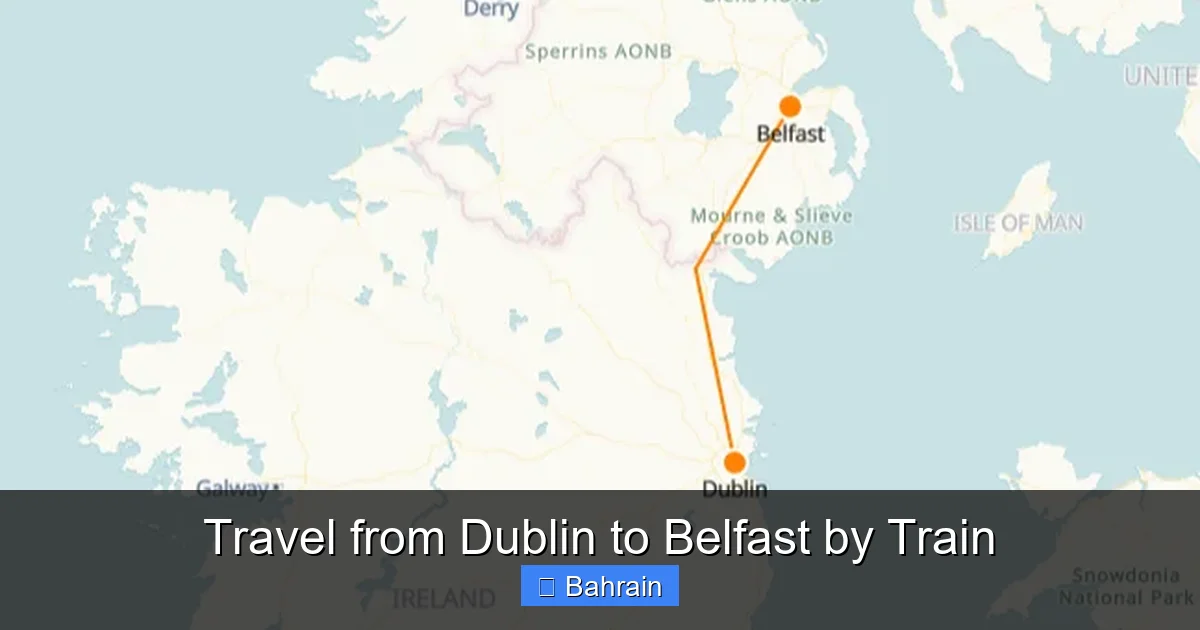
The journey from Dublin Connolly Station to Belfast Lanyon Place (formerly Belfast Central Station) typically takes around 2 hours and 15 minutes. This makes it a very efficient way to cover the approximately 165-kilometre (102-mile) distance. The Enterprise operates multiple services daily, usually every two hours from early morning until late evening, offering flexibility whether you’re planning a day trip or a longer stay. It’s always a good idea to check the latest timetable on the Irish Rail or Translink websites, especially around public holidays or weekends, to confirm specific departure and arrival times.
Onboard Comfort and Amenities
The Enterprise trains are designed with passenger comfort in mind. You’ll find comfortable seating, often with ample legroom. Many services offer both Standard Class and First Plus Class (sometimes called Premium Class).
- Standard Class: This offers comfortable seating, often with tables, making it perfect for working, reading, or simply enjoying the view.
- First Plus Class: For a little extra luxury, First Plus provides larger, more comfortable seats, a complimentary newspaper, and usually a light snack and beverage service. It’s an excellent option if you’re looking to enhance your journey with a touch of premium service.
- Catering Car: Most Enterprise services feature an onboard catering car or a trolley service, offering a selection of hot and cold drinks, sandwiches, and snacks. Perfect for grabbing a coffee or a bite to eat during your travel from Dublin to Belfast by train.
- Free Wi-Fi: Staying connected is easy with free Wi-Fi available on board most services, allowing you to catch up on emails, browse the web, or share your journey photos.
- Power Sockets: Many seats are equipped with power sockets, so you can keep your devices charged throughout the trip.
Booking Your Train Tickets: Simple Steps for a Smooth Start
Visual guide about Travel from Dublin to Belfast by Train
Image source: static.tildacdn.net
Getting your tickets to travel from Dublin to Belfast by train is a straightforward process, but a few tips can help you secure the best fares and ensure a hassle-free experience.
Online Booking: Your Best Bet
The easiest and often cheapest way to purchase your tickets is online. You can book directly through:
- Irish Rail (Iarnród Éireann) website: www.irishrail.ie
- Translink NI Railways website: www.translink.co.uk
Both sites offer the same train times and fares, so choose whichever you find most convenient. Booking online allows you to select your preferred date, time, and class of travel.
Booking in Advance for the Best Prices
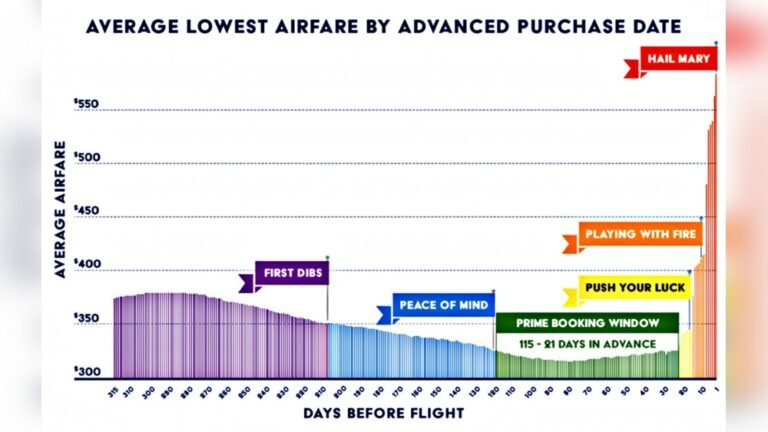
Just like with flights, train tickets for the Dublin to Belfast route tend to be cheaper when booked in advance. “Advance Fares” are often released several weeks or even months before the travel date. If you’re flexible with your travel times, you might find even better deals by opting for off-peak services. Waiting until the day of travel or purchasing at the station typically results in higher “Walk-Up” fares.
Ticket Types and Options
- Standard Open Return: Offers flexibility to return on any service within a set period (e.g., one month). It’s more expensive but great if your plans might change.
- Standard Day Return: For same-day return journeys, this is often the most cost-effective option for a round trip.
- Single/One-Way: If you’re staying in Belfast, a single ticket is all you need.
- First Plus: As mentioned, this offers a premium experience with added comforts.
- Web Fares: These are the discounted advance tickets, available online only, and usually for specific trains, meaning less flexibility if you miss your booked service.
Mobile Tickets vs. Physical Tickets
When booking online, you’ll typically have the option for a mobile ticket (sent to your phone) or to collect your physical ticket at the station (using your booking reference and the card you paid with). Mobile tickets are incredibly convenient, saving you time at the station. Simply present the QR code or barcode on your phone to the conductor.
Group and Family Discounts
If you’re travelling as a group or with family, inquire about potential discounts. Both Irish Rail and Translink occasionally offer special group rates or family passes that can make your travel from Dublin to Belfast by train even more economical.
The Journey Itself: What to Expect on Your Train Trip
Once your tickets are booked, it’s time to prepare for the actual journey. This section will walk you through what to expect from departure to arrival.
Departure from Dublin Connolly Station
Your journey will begin at Dublin Connolly Station, one of Dublin’s main railway stations. Connolly is centrally located, easily accessible by Dublin Bus, the Luas tram service (Red Line), and taxis. It’s a busy hub, so make sure to arrive at least 20-30 minutes before your scheduled departure time to find your platform and get settled. There are shops and cafes at the station if you need to grab a snack or drink before boarding. The Enterprise service usually departs from one of the longer platforms, which will be clearly signposted.
The Scenic Route: Coastline and Countryside
As the train pulls out of Connolly and heads north, you’ll quickly leave the city sprawl behind. The route takes you through the picturesque Boyne Valley, rich in historical significance. Soon, you’ll catch glimpses of the Irish Sea, particularly around the counties of Louth and Down, offering beautiful coastal views. Expect a mix of lush green countryside, charming small towns, and the occasional historical landmark. It’s a genuinely pleasant way to spend two hours, watching the diverse landscapes of Ireland roll by.
The Border Crossing: Seamless and Simple
One of the unique aspects of this journey is crossing the border between the Republic of Ireland (EU member) and Northern Ireland (part of the UK). However, thanks to the Common Travel Area agreement between Ireland and the UK, this is an entirely seamless process when you travel from Dublin to Belfast by train. There are no formal passport checks or customs procedures on the train. You won’t even notice the border passing!
It’s worth noting that your mobile phone network might switch from an Irish provider to a UK provider, and the currency changes from Euro to British Pounds (GBP). While your phone might alert you to roaming changes, it’s generally a non-event. Just remember to have some GBP or a card ready for purchases in Belfast.
Arrival at Belfast Lanyon Place
Your train journey will conclude at Belfast Lanyon Place station. This station, formerly known as Belfast Central, is the main railway hub for Belfast and Northern Ireland. It’s located just south-east of the city centre, making it a convenient arrival point.
Upon arrival, you’ll find taxi ranks just outside the station, and numerous bus stops providing connections to various parts of the city. The city centre is also within walking distance (about 15-20 minutes) if you prefer to stretch your legs and soak in the initial atmosphere of Belfast. Lanyon Place itself has facilities including a café, toilets, and information points.
Practical Tips for a Smooth Journey
To make your experience of travel from Dublin to Belfast by train as smooth and enjoyable as possible, here are some practical tips.
Arriving Early at the Station
Give yourself plenty of time. Arriving 20-30 minutes before departure at Dublin Connolly allows you to locate your platform, maybe grab a coffee, and settle onto the train without rushing. This is especially important during peak hours or if you have a lot of luggage.
Luggage Allowance
The Enterprise service is quite generous with luggage. You can typically bring two large items and one small piece of hand luggage. There are overhead racks and luggage storage areas at the ends of carriages. Just make sure you can comfortably manage your own bags. Unlike flying, there are no strict weight limits, but common sense applies – don’t bring more than you can carry.
Accessibility Information
Both Irish Rail and Translink are committed to making travel accessible. If you require assistance with boarding, disembarking, or have specific accessibility needs (e.g., wheelchair space), it’s highly recommended to contact the relevant railway company in advance (at least 24-48 hours prior to travel). They can arrange for staff assistance and ensure you have a comfortable journey.
Connecting Transport in Dublin and Belfast
- Dublin Connolly: Well-served by Dublin Bus routes and the Luas Red Line tram. If coming from Dublin Airport, take the Aircoach or Dublin Express bus to the city centre, then connect to Connolly.
- Belfast Lanyon Place: Directly outside the station, you’ll find taxi stands. Translink’s Metro bus services (including the Glider) stop regularly nearby, connecting to the city centre and beyond. You can purchase a day ticket for local buses for convenience.
Currency Considerations (Euro vs. GBP)
As mentioned, the Republic of Ireland uses the Euro (€), while Northern Ireland uses the British Pound (£). It’s wise to have some GBP on hand for small purchases in Belfast, although credit and debit cards are widely accepted throughout the city. If you’re coming from further afield, inform your bank about your travel plans to avoid any issues with card usage.
Mobile Data Roaming
Be aware that once you cross the border into Northern Ireland, your phone will likely switch to a UK network. Depending on your mobile plan, this might incur roaming charges. Check with your service provider before you travel. Many providers offer roaming packages or inclusive roaming in the UK, but it’s always best to be informed.
Exploring Belfast Upon Arrival
Congratulations! You’ve successfully completed your travel from Dublin to Belfast by train and arrived in a city brimming with history, culture, and a vibrant contemporary scene.
Lanyon Place’s Location Relative to City Centre
Belfast Lanyon Place is ideally situated for exploring the city. It’s a short distance from the very heart of Belfast. You can easily walk to popular areas like the Cathedral Quarter, Victoria Square shopping centre, and the Titanic Quarter.
Public Transport Options in Belfast
Belfast has an excellent public transport network operated by Translink.
- Metro Buses: These provide extensive coverage across the city and surrounding areas. The main bus centre is Europa Bus Centre, a short walk from Lanyon Place.
- Glider: Belfast’s rapid transit system, the Glider, offers fast and frequent services along key routes, including connections to the Titanic Quarter and Queen’s University.
- Taxis: Black cabs and private taxis are readily available from Lanyon Place and throughout the city.
Key Attractions Accessible from the Station
From Lanyon Place, many of Belfast’s top attractions are within easy reach:
- Titanic Belfast: A must-visit, award-winning museum telling the story of the RMS Titanic. It’s a pleasant walk or a short bus/Glider ride from the station.
- St. George’s Market: One of Belfast’s oldest attractions, a bustling Victorian market offering local crafts, food, and music, especially lively on weekends. A short walk.
- Victoria Square: A modern shopping and leisure complex with a distinctive glass dome offering panoramic city views. Also walkable.
- City Hall: An iconic landmark and a beautiful example of Edwardian Baroque architecture, located in the city centre.
- Cathedral Quarter: Known for its historic buildings, vibrant street art, pubs, and restaurants.
Belfast is a very walkable city once you’re in the centre, so put on your comfy shoes and get ready to explore!
Conclusion: Your Seamless Northern Adventure Awaits
Undoubtedly, to travel from Dublin to Belfast by train is more than just a means of transport; it’s a fundamental part of the adventure itself. From the moment you step onto the comfortable Enterprise service at Dublin Connolly until you arrive refreshed at Belfast Lanyon Place, you’ll enjoy a journey free from the typical stresses of travel. It’s an opportunity to soak in the stunning Irish landscape, enjoy a moment of peace, and arrive ready to dive into all that Belfast has to offer.
With easy online booking, frequent services, and excellent onboard amenities, the train provides an unrivalled combination of convenience and comfort. Whether you’re travelling for business or pleasure, a day trip or a longer stay, choosing the train ensures a smooth, scenic, and truly enjoyable passage between these two captivating cities. So, go ahead, plan your next great adventure, and discover for yourself why the train remains the preferred choice for those looking to travel from Dublin to Belfast by train. Happy travels!
Frequently Asked Questions
What is the best way to book tickets for the Dublin to Belfast train?
The best way to book tickets is online through either the Irish Rail (www.irishrail.ie) or Translink NI Railways (www.translink.co.uk) websites. Booking in advance usually secures the best fares, often referred to as “Web Fares”.
Is there WiFi available on the train from Dublin to Belfast?
Yes, most Enterprise train services operating between Dublin and Belfast offer free Wi-Fi for passengers, allowing you to stay connected throughout your journey.
What’s the difference between Standard Class and First Plus Class?
Standard Class offers comfortable general seating, while First Plus Class provides larger, more luxurious seats, a complimentary newspaper, and usually a light snack and beverage service for an enhanced travel experience.
Do I need to convert currency before travelling to Belfast?
Yes, while the Republic of Ireland uses the Euro (€), Northern Ireland uses the British Pound (£). It’s advisable to have some GBP for small purchases, though credit and debit cards are widely accepted.
How far is Belfast Lanyon Place station from the city centre?
Belfast Lanyon Place station is conveniently located just a short distance (about a 15-20 minute walk) from Belfast city centre, with ample public transport connections like buses and taxis readily available.
Are there luggage restrictions when travelling on the Enterprise train?
While there are no strict weight limits like on flights, passengers are generally allowed to bring two large items and one small piece of hand luggage. There are dedicated luggage racks and overhead storage on board.