How to Travel with Semaglutide
Traveling with semaglutide requires careful preparation to ensure its safety and efficacy. Always carry your medication in your carry-on luggage, keeping it in its original packaging with your prescription and a doctor’s letter. Proper temperature control and familiarity with airport security procedures are key to a stress-free journey with your vital medication.
How to Travel with Semaglutide
Ah, the joy of travel! Whether you’re dreaming of exploring the vibrant souks of Bahrain, relaxing on a pristine beach, or venturing into a bustling metropolis, the world calls to us. But for many, modern travel comes with an added layer of planning, especially when managing a chronic health condition or maintaining weight loss goals with medications like semaglutide. If you’re one of the millions who rely on this powerful medication, the thought of taking it on a plane, crossing borders, and navigating new environments can feel a little daunting.
Fear not, fellow traveler! This comprehensive guide is designed to empower you with all the knowledge you need to travel confidently and smoothly with your semaglutide medication. We’re going to break down everything from essential pre-trip preparations to navigating airport security and ensuring your medication stays safe and effective throughout your adventure. Consider this your friendly, expert guide to a stress-free journey, ensuring your health remains a top priority, no matter how far you roam.
So, let’s unpack those concerns, one by one. Our goal is to make sure your only worry is choosing which exciting activity to do next, not stressing over your medication. By the time you finish reading, you’ll be well-equipped to handle any travel scenario involving semaglutide, allowing you to focus on making incredible memories.
Key Takeaways
- Doctor’s Letter is Crucial: Always obtain a detailed letter from your doctor explaining your prescription for semaglutide, the dosage, and why it’s medically necessary. This is vital for airport security and customs.
- Carry-On is Your Best Friend: Pack all your semaglutide medication, syringes, and sharps containers in your carry-on bag. Temperatures in checked luggage are unregulated and can damage the medication.
- Original Packaging and Prescription: Keep your semaglutide in its original, pharmacy-labeled packaging. Carry a copy of your prescription with you, as this helps prevent any misunderstandings with authorities.
- Temperature Control is Non-Negotiable: Semaglutide needs to be stored within specific temperature ranges. Invest in an insulated cooler bag with gel packs to maintain the correct temperature during transit, especially for long journeys.
- Be Prepared for Security: Declare your medication to security agents. Have your doctor’s letter and prescription readily available. Most agencies are familiar with medical necessities, but transparency helps.
- Research Destination Regulations: Before traveling, research any specific medication import regulations for your destination country, including any quantity limits or required declarations, to avoid issues upon arrival.
- Plan for Contingencies: Know what to do if you lose your medication or experience delays. Have a plan for refills or medical assistance at your destination.
Quick Answers to Common Questions
Can I take semaglutide pens on an airplane?
Yes, you can and should take semaglutide pens in your carry-on luggage. Never pack them in checked luggage due to temperature fluctuations and the risk of loss.
Do I need a doctor’s letter to travel with semaglutide?
Absolutely, a doctor’s letter explaining your medical need for semaglutide, dosage, and medical supplies is highly recommended and often required for smooth passage through security and customs.
How do I keep my semaglutide cold during travel?
Use an insulated medical cooler bag with frozen gel packs. Place a cloth barrier between the pens and the gel packs to prevent freezing. Ensure gel packs are completely frozen when going through airport security.
What if I forget my semaglutide at home?
Contact your prescribing doctor immediately. They may be able to send a new prescription to a pharmacy at your travel destination, but this can be complex and may require local medical consultation.
Are sharps containers allowed in carry-on?
Yes, travel-sized sharps containers for used needles are allowed in carry-on luggage. Declare them at security, and ensure they are puncture-resistant and sealable.
📑 Table of Contents
Understanding Your Semaglutide Medication for Travel
Before you even start packing your bags, it’s vital to have a clear understanding of your semaglutide medication itself, particularly in the context of travel. Knowing its nature and requirements is the first step to successful preparation.
What is Semaglutide and Why is Travel Preparation Key?
Semaglutide is a type of medication known as a GLP-1 receptor agonist. It’s primarily used to manage type 2 diabetes and, in some formulations, for chronic weight management. It typically comes in a pre-filled injection pen, requiring subcutaneous injection, usually once a week. Because it’s an injectable, and often needs specific storage conditions, it’s not just another pill you can toss into a bag. Proper preparation ensures its efficacy and avoids any issues with security or customs officials. The active ingredient, semaglutide, is sensitive, meaning haphazard packing could render it useless.
Storage Requirements for Semaglutide
One of the most critical aspects of traveling with semaglutide is understanding its storage requirements. Unopened semaglutide pens must be stored in a refrigerator, typically between 2°C and 8°C (36°F and 46°F). Once opened or in use, the pens can usually be stored at room temperature (below 30°C or 86°F) for a specific period, often 56 days, but always double-check your specific pen’s instructions. Exposure to extreme heat or freezing temperatures can damage the medication, making it ineffective or even harmful. This sensitivity means you need a robust plan for temperature control, especially during transit.
Essential Preparations Before You Go
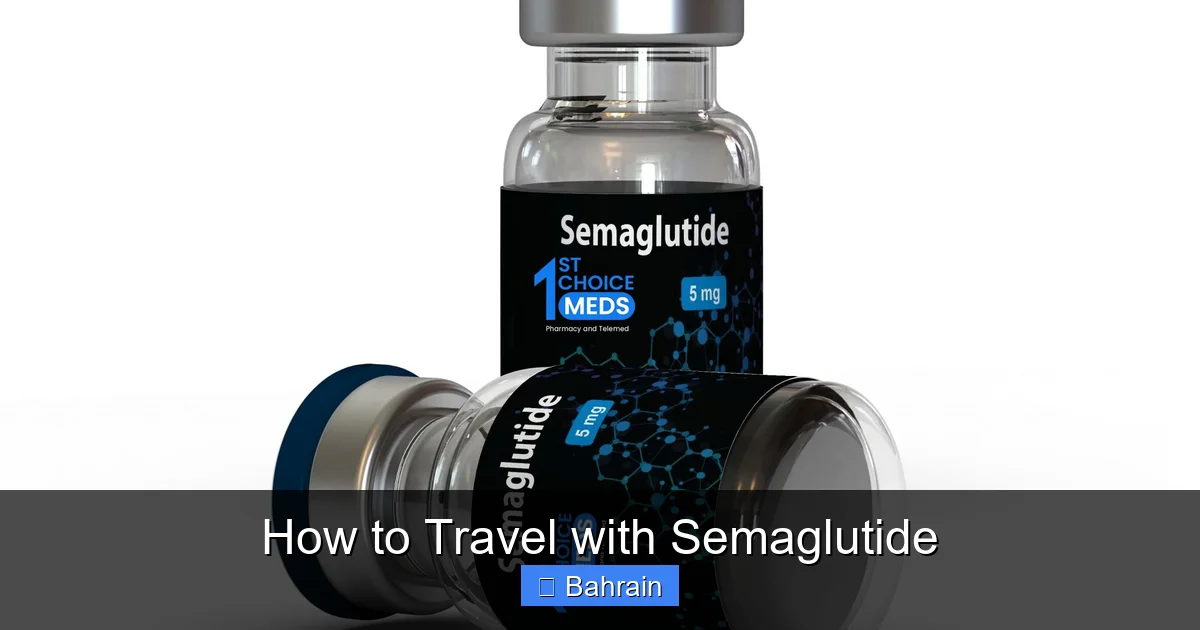
Visual guide about How to Travel with Semaglutide
Image source: 1stchoicemeds.com
The secret to stress-free travel with semaglutide lies in thorough preparation. A little planning goes a long way in preventing headaches down the line.
Get a Doctor’s Letter and Prescription
This is perhaps the most important document you’ll need. Request a detailed letter from your prescribing doctor. This letter should:
- Clearly state that you are prescribed semaglutide (mentioning the brand name like Ozempic, Wegovy, or Rybelsus if applicable).
- Specify the dosage and frequency of use.
- Explain that the medication is for a legitimate medical condition (e.g., type 2 diabetes or chronic weight management).
- Confirm that the medication, syringes, and any associated sharps containers are medically necessary for your journey.
- Be printed on official letterhead, signed by your doctor, and dated.
Carry this letter with you at all times, along with a copy of your official prescription. In some cases, customs officials may also want to see proof of your prescription.
Check Destination Country Regulations
Before booking your flights, it’s wise to research the specific medication import regulations for your destination country. While semaglutide is generally widely accepted, some countries have restrictions on certain medications, limits on quantities, or require specific documentation for controlled substances (though semaglutide is typically not one). For example, if you’re traveling to a country like Bahrain, while it’s generally progressive in healthcare, always a quick check with their embassy or consulate can save you trouble. Most government travel websites or embassy sites will have information on bringing medications into their country. This step is particularly important for longer trips where you might need a larger supply.
Pharmacy Coordination and Supply
Ensure you have enough semaglutide to cover your entire trip, plus a few extra doses in case of delays or emergencies. Contact your pharmacy well in advance to arrange refills. Ask them to dispense your medication in its original, pharmacy-labeled boxes. This packaging contains vital information like your name, the medication name, dosage, and the pharmacy’s details, which can be crucial for identification. Avoid combining different medications into one container.
Consider Travel Insurance
While not directly related to carrying semaglutide, good travel insurance is always a wise investment. Ensure your policy covers pre-existing conditions and medication loss or damage. This can be a lifesaver if your medication is lost, stolen, or damaged during your trip, or if you require unexpected medical attention abroad.
Packing Your Semaglutide for Travel
How you pack your semaglutide is just as important as what documents you carry. Your goal is to keep it safe, secure, and at the correct temperature.
Carry-On Luggage: The Only Option
Never pack your semaglutide in checked luggage. The cargo hold of an airplane is not temperature-controlled and can experience extreme temperature fluctuations, both hot and cold, that can damage your medication. Furthermore, checked bags can be lost or delayed, leaving you without your essential treatment. Always keep all your semaglutide pens, needles, and a small sharps container in your carry-on bag, easily accessible.
Temperature Control: Insulated Bags and Gel Packs
For maintaining the correct temperature, especially if you’re traveling for an extended period or through warm climates, an insulated medical cooler bag is indispensable.
- Choose a quality bag: Look for bags specifically designed for insulin or other temperature-sensitive medications. They are often compact and discreet.
- Gel packs, not ice: Use frozen gel packs or ice packs that won’t leak water as they melt. Ensure the gel packs are completely frozen before you leave.
- Protect from direct contact: Place a small piece of cloth or bubble wrap between the semaglutide pens and the frozen gel pack to prevent direct contact, which could potentially freeze the medication.
- Check airline rules: While gel packs are generally allowed, ensure they are completely frozen when going through security. If they are partially melted or slushy, they may be subject to the TSA liquid rule (3-1-1 rule for liquids). Solidly frozen packs are usually exempt.
Remember that semaglutide, once opened, can typically stay at room temperature for up to 56 days (check your specific product’s instructions). For shorter trips, you might not need refrigeration for an already-in-use pen, but keeping it cool certainly won’t hurt.
Original Packaging and Sharps Container
As mentioned, keep your semaglutide in its original pharmacy-labeled packaging. This makes identification easy for security personnel. For used needles, you’ll need a travel-sized sharps container. These are small, puncture-resistant containers designed for safe disposal. You can usually purchase them at pharmacies or online. Don’t forget to pack enough clean needles for your injections!
Navigating Airport Security and Customs
This is often the part that travelers worry about most, but with proper preparation, it can be a breeze.
Declaring Your Medication
When you reach the security checkpoint, explicitly declare your semaglutide medication to the TSA agent (or equivalent security personnel in other countries). Inform them that you are carrying liquid medication and medical supplies. Have your doctor’s letter and prescription readily accessible for inspection.
Security Screening Tips
- Be transparent: Don’t try to hide your medication. Place your medication bag, including the cooler bag and sharps container, in a separate bin for X-ray screening.
- Expect visual inspection: Security agents may want to visually inspect your semaglutide pens and sharps container. They might ask you to remove them from their packaging. Remain calm and cooperative.
- Liquid exemptions: The TSA and similar agencies worldwide generally exempt medically necessary liquids, gels, and aerosols from the standard 3-1-1 rule for carry-on liquids. However, these items must be declared and are subject to additional screening.
- Know your rights: While rare, if you encounter an agent who seems unfamiliar with medication rules, politely refer them to their supervisor or the official guidelines on medical exemptions. Most agents are well-trained regarding medical necessities.
Customs Procedures
Upon arrival in your destination country, you’ll go through customs. Be prepared to declare your semaglutide if required. Have your doctor’s letter and prescription ready. In most cases, if you have these documents and the medication is for personal use and in reasonable quantities, you should have no issues. If you researched the destination country’s rules beforehand, you’ll know exactly what to expect.
During Your Trip: Storage and Administration
Once you’ve arrived at your destination, the journey with your semaglutide continues.
Maintaining Storage at Your Destination
If your semaglutide requires refrigeration (for unopened pens), ensure your accommodation has access to a refrigerator. Most hotels offer mini-fridges, but it’s worth confirming when you book or upon arrival. For pens already in use, remember they can typically be stored at room temperature (below 30°C/86°F) for up to 56 days. Avoid leaving them in direct sunlight or in a hot car.
Managing Time Zones for Dosage
Semaglutide is typically a once-a-week injection. For minor time zone differences, you can usually stick to your home schedule. For significant time zone changes (e.g., more than 6-8 hours), you can gradually adjust your injection day by a day or two forward or backward. Consult your doctor beforehand for personalized advice on adjusting your dosing schedule, especially if you have specific medical conditions or are sensitive to changes. The flexibility of weekly dosing makes semaglutide quite travel-friendly in this regard.
Safe Disposal of Used Sharps
During your trip, continue to use your travel sharps container for used needles. Do not dispose of needles in regular trash bins. When your travel sharps container is full, do not discard it in regular hotel waste. Inquire at your hotel about safe disposal options, or locate local pharmacies or medical facilities that accept sharps waste. Some countries, like Bahrain, have clear medical waste disposal guidelines. If you can’t find a suitable disposal point, you may need to carry the full container home for proper disposal.
Potential Challenges and Solutions
Even with the best planning, unforeseen circumstances can arise. Here’s how to tackle them.
Lost or Damaged Medication
If your semaglutide is lost, stolen, or damaged:
- Contact your doctor immediately: They can advise you on next steps and potentially send a new prescription to a pharmacy at your destination.
- Locate local pharmacies: Research pharmacies in your destination that might stock semaglutide (under its brand name). Your doctor’s letter and prescription will be essential here.
- Travel insurance: This is where your travel insurance might come in handy to cover replacement costs or medical consultations.
Different Brands or Formulations Abroad
While semaglutide is globally recognized, the specific brand name (Ozempic, Wegovy, Rybelsus) or even the exact formulation or pen design might vary by country. If you need a refill abroad, be prepared for potential differences. Always confirm with a local pharmacist and ideally, your prescribing doctor, that the product is equivalent and appropriate for you.
Managing Security in Unfamiliar Environments
Beyond airports, always be mindful of where you store your medication. If you’re staying in shared accommodation or hostels, consider a small lockable box for your semaglutide. While it’s unlikely to be targeted, keeping valuable medications secure is always a good practice.
Traveling with semaglutide doesn’t have to be a source of anxiety. With careful planning, the right documentation, and a good understanding of storage and security procedures, you can ensure your health regimen continues uninterrupted, allowing you to fully embrace your travel experiences. Remember, your health is paramount, and taking these precautions ensures you can enjoy every moment of your journey, wherever in the world it takes you. Happy travels!
Frequently Asked Questions
How much semaglutide can I bring on an international flight?
Generally, you can bring a supply sufficient for your personal use during your trip, plus a small buffer. It’s always best to check the specific regulations of your destination country for any quantity limits, as this can vary.
What should I do if airport security questions my semaglutide?
Stay calm and politely present your doctor’s letter and prescription. Explain that it’s a medically necessary injectable medication. Most security personnel are familiar with such situations, but having your documents ready helps resolve any questions quickly.
Can semaglutide be exposed to room temperature for short periods?
Unopened semaglutide pens need refrigeration. Once a pen is in use, it can typically be stored at room temperature (below 30°C or 86°F) for up to 56 days. Always refer to the specific instructions for your pen to confirm this timeframe.
Is it okay to adjust my semaglutide injection day due to time zones?
For weekly semaglutide, minor adjustments (a day or two earlier or later) due to time zones are generally fine. For significant changes, consult your doctor for personalized advice on how to safely adjust your dosing schedule without compromising efficacy.
What if my destination country doesn’t have my specific brand of semaglutide?
While the active ingredient, semaglutide, is common, specific brand names (like Ozempic or Wegovy) or pen designs might differ. If you need a refill, bring your doctor’s letter and prescription, and consult a local pharmacist. They can help identify an equivalent product or advise on local medical consultation.
How should I dispose of used needles while traveling abroad?
Always use a travel-sized sharps container for used needles. Do not discard them in regular trash. Upon arrival, inquire at your accommodation or local pharmacies for safe disposal options, or plan to carry the container home for proper disposal.