Breast Milk Travel Cooler
A breast milk travel cooler is an indispensable tool for parents on the move, ensuring the safe and hygienic transport of precious breast milk. Whether you’re commuting to work, visiting family, or embarking on a longer journey, these specialized coolers maintain optimal temperatures, preserving the milk’s nutritional integrity and offering invaluable peace of mind. They are a must-have for any parent who pumps and wants to ensure their baby always has access to nutritious milk, even when away from home.
As a parent, you quickly learn that breast milk truly is “liquid gold.” It’s packed with nutrients, antibodies, and all the goodness your baby needs to thrive. But what happens when life calls you away from home, or you need to transport your precious milk from one place to another? This is where the unsung hero of many parents’ lives steps in: the breast milk travel cooler.
For parents in Bahrain, with our beautiful but often warm climate, the challenge of keeping breast milk at a safe temperature is even more pronounced. Whether you’re commuting to work, enjoying a day out with the family, or traveling further afield, ensuring your pumped milk remains safe and fresh is a top priority. A reliable breast milk travel cooler isn’t just a convenience; it’s a necessity that provides peace of mind and incredible flexibility, allowing you to maintain your breastfeeding journey without interruption.
This comprehensive guide will dive deep into everything you need to know about breast milk travel coolers. We’ll explore why they’re so important, the different types available, key features to look for, and the best practices for packing and traveling with them. Our goal is to empower you with the knowledge to choose and use the perfect breast milk travel cooler, making your life as a pumping parent a little easier and a lot less stressful.
Key Takeaways
- Essential for Safety: A breast milk travel cooler is vital for maintaining the safe temperature of breast milk, preventing spoilage and preserving its nutritional and immunological properties, especially crucial in warmer climates like Bahrain.
- Variety of Options: There are different types of breast milk travel coolers, including insulated bags and hard-sided coolers, each offering varying levels of portability and insulation power to suit diverse travel needs.
- Key Features Matter: When choosing a breast milk travel cooler, prioritize strong insulation, a leak-proof design, portability, durability, and compatibility with your preferred milk storage containers.
- Optimal Packing Techniques: Proper packing involves pre-chilling the cooler, using high-quality ice or gel packs, securely storing milk in sterile bags or bottles, and layering items for maximum cold retention.
- Navigating Travel Regulations: Be aware of guidelines for traveling with breast milk, particularly for air travel, where allowances for medically necessary liquids often apply, making your breast milk travel cooler an approved item.
- Hygiene and Maintenance: Regular and thorough cleaning of your breast milk travel cooler is crucial to prevent bacterial growth and ensure it remains hygienic for repeated use.
- Empowerment for Parents: Utilizing a breast milk travel cooler empowers pumping parents to maintain their feeding routine and provide breast milk confidently, whether for work, errands, or vacations.
Quick Answers to Common Questions
How long does breast milk stay fresh in a cooler?
Freshly expressed breast milk can be safely stored in an insulated breast milk travel cooler with ice packs for up to 24 hours.
Can I use regular ice in my breast milk travel cooler?
While you can, frozen gel packs are generally preferred because they don’t melt into liquid water, which can potentially contaminate milk or leak from the cooler.
Are breast milk travel coolers TSA approved for flights?
Yes, breast milk is considered a medically necessary liquid, and you can bring it in reasonable quantities in your carry-on luggage, along with its designated cooler and ice packs.
How many ice packs do I need for my breast milk travel cooler?
The number depends on the size of your cooler and the duration of travel, but generally, you should use enough ice packs to surround your milk containers for optimal cold retention.
Can I store formula in my breast milk travel cooler too?
Yes, a breast milk travel cooler is also suitable for safely transporting prepared formula, ensuring it stays at a safe temperature until feeding time.
📑 Table of Contents
- Why Every Parent Needs a Breast Milk Travel Cooler (Especially in Bahrain)
- Understanding Different Types of Breast Milk Travel Coolers
- Essential Features to Look for in Your Cooler
- Mastering the Art of Packing Your Breast Milk Travel Cooler
- Traveling with Breast Milk: Tips and Regulations
- Cleaning and Maintaining Your Breast Milk Travel Cooler
- Conclusion
Why Every Parent Needs a Breast Milk Travel Cooler (Especially in Bahrain)
Let’s face it, parenting is full of juggling acts. When you’re a pumping parent, adding milk storage and transport to that list can feel overwhelming. But a good breast milk travel cooler solves many of these challenges.
Preserving Liquid Gold
Breast milk is a living substance, and like many perishable foods, it needs to be stored at specific temperatures to maintain its integrity. Exposing breast milk to fluctuating or warm temperatures can cause bacteria to grow, diminish its nutritional value, and ultimately make it unsafe for your baby. A dedicated breast milk travel cooler provides the stable, cool environment needed to protect this invaluable food source, preserving its nutrients, antibodies, and freshness for when your little one needs it most.
The Bahraini Climate Challenge
Living in Bahrain, we are no strangers to heat. Our climate, especially during summer months, demands extra vigilance when it comes to keeping perishable items cool. A regular bag simply won’t cut it for breast milk. A high-quality breast milk travel cooler is designed with superior insulation to withstand external temperatures, keeping your milk chilled even when the mercury rises. This is absolutely critical for preventing spoilage and ensuring your baby always receives safe, healthy milk, whether you’re at the mall, visiting friends, or heading to the beach.
Freedom and Flexibility for Pumping Parents
One of the greatest benefits of a breast milk travel cooler is the freedom it offers. For working parents who pump at the office, it means you can safely transport your day’s supply home. For parents on a family outing, it ensures your baby has access to breast milk without being tied to a refrigerator. It enables day trips, visits to grandparents, or even just running errands without worrying about your milk supply. It truly empowers you to live your life while continuing to provide the best for your baby.
Understanding Different Types of Breast Milk Travel Coolers
Just like there are different cars for different journeys, there are various types of breast milk travel coolers designed for different needs and distances. Knowing the differences can help you pick the perfect one.
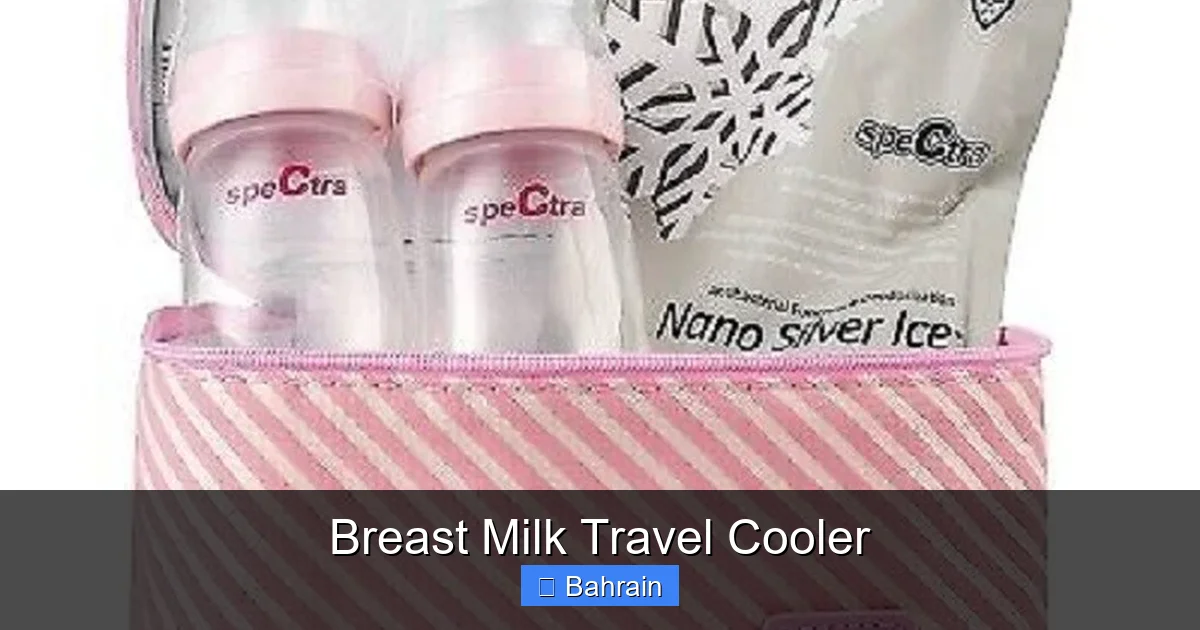
Visual guide about Breast Milk Travel Cooler
Image source: i.ebayimg.com
Insulated Cooler Bags
These are perhaps the most common type of breast milk travel cooler. They are typically made from soft, flexible materials with an insulated lining. Many come in stylish designs and often feature multiple compartments for bottles, pump parts, and ice packs. They are lightweight, easy to carry, and often collapsible when empty, making them convenient for daily use or shorter outings. Their capacity usually ranges from holding 4 to 12 bottles.
- Pros: Lightweight, portable, often stylish, good for daily use or shorter trips.
- Cons: May not offer the longest cold retention compared to hard coolers, can sometimes be less durable.
Hard-Sided Coolers
While often larger and bulkier, hard-sided coolers offer superior insulation and durability. They are generally made from robust plastic and are designed for longer journeys or situations where maximum cold retention is paramount. These are excellent if you’re planning a long road trip across Bahrain or even a weekend getaway. Some models might even have wheels for easier transport. While they might not be specifically branded as “breast milk travel coolers,” smaller versions can work effectively.
- Pros: Excellent cold retention, very durable, ideal for longer trips or extreme heat.
- Cons: Heavier, bulkier, less convenient for everyday portability.
Advanced Portable Options
Some newer breast milk travel cooler options integrate electric cooling mechanisms, either battery-powered or plug-in (car charger/USB). These offer active cooling rather than passive insulation, providing even greater temperature control. They are often more expensive but can be a game-changer for very long trips or if you need to maintain a precise temperature for extended periods. However, they are less common for just breast milk and more for general medical or food storage.
- Pros: Superior temperature control, active cooling.
- Cons: More expensive, requires power source, often larger.
Capacity Considerations
When choosing your breast milk travel cooler, think about how much milk you typically need to carry. Do you pump once a day and need to transport just one or two bottles? Or do you pump several times and need to bring home a day’s worth, plus pump parts? Coolers are available in various sizes, from compact bags holding two bottles to larger ones that can fit an entire pump set-up and multiple bottles or storage bags. Consider your specific needs to avoid buying a cooler that’s too small or unnecessarily large.
Essential Features to Look for in Your Cooler
Not all breast milk travel coolers are created equal. To ensure you’re getting the best value and protection for your milk, keep an eye out for these key features:
Insulation Power
This is the most critical feature. Look for coolers with thick insulation, often multi-layered. Some specify “thermal insulation” or use materials like foam padding. Good insulation is what keeps your milk safe from the Bahraini heat. Reviews often mention how long a cooler can keep items cold, which is a great indicator of its insulation quality.
Leak-Proof Design
Accidents happen, especially with liquids. A leak-proof lining is essential. You don’t want melted ice packs or spilled milk seeping out onto your clothes, bag, or car seat. Look for heat-sealed seams and durable, easy-to-clean inner materials. This also makes cleaning your breast milk travel cooler much simpler.
Portability and Comfort
How will you carry it? Adjustable shoulder straps, padded handles, or a design that fits easily into a larger diaper bag are all important. If you’re often carrying other bags, hands-free options like a backpack-style breast milk travel cooler can be a lifesaver. Consider the overall weight when empty, too.
Durability and Materials
Your breast milk travel cooler will likely get a lot of use, so it needs to be built to last. Look for strong outer fabrics (like polyester or nylon), sturdy zippers, and robust stitching. The interior should be made from food-grade, easy-to-wipe-clean materials that won’t absorb odors.
Compatibility with Milk Storage Bags/Bottles
Ensure the breast milk travel cooler you choose can comfortably fit your preferred brand and size of breast milk storage bags or bottles. Some coolers come with perfectly sized slots or compartments, which can be very convenient. Always check the dimensions of the cooler’s interior and compare them with your storage containers.
Mastering the Art of Packing Your Breast Milk Travel Cooler
Having the right breast milk travel cooler is only half the battle; knowing how to pack it correctly is equally important for maintaining optimal temperatures.
Pre-Chilling is Key
Before you even put your milk in, “pre-chill” your breast milk travel cooler. Place a few ice packs in it for 20-30 minutes beforehand, then remove them and add your cold milk and fresh ice packs. This helps bring down the internal temperature of the cooler itself, making it more efficient from the start.
Using Ice Packs or Gel Packs Effectively
Ice packs or gel packs are your best friends. Frozen gel packs are generally preferred over loose ice because they don’t create meltwater that can contaminate your milk or leak. Always use enough ice packs to surround your milk bottles or bags. Place some at the bottom, some between items, and some on top. For longer trips, consider using larger, colder packs or a greater quantity.
Safe Storage Containers
Always store breast milk in clean, sterile breast milk storage bags or bottles specifically designed for breast milk. Ensure they are properly sealed to prevent leaks. Double-bagging storage bags can offer an extra layer of protection against accidental punctures.
Layering for Optimal Cold Retention
Think of your cooler as a mini-refrigerator. Place the coldest items (frozen breast milk or additional ice packs) at the bottom. Then, layer your chilled breast milk bottles or bags. Fill any empty spaces with more ice packs or even crumpled newspaper (if sealed and clean) to reduce air pockets, which helps maintain a colder temperature. Keep the lid or zipper closed as much as possible to avoid cold air escaping.
Monitoring Temperature
For longer journeys, especially in warmer conditions, consider placing a small, accurate thermometer inside your breast milk travel cooler. This allows you to periodically check the internal temperature to ensure it remains below 15°C (59°F), which is the maximum recommended temperature for freshly pumped milk stored in a cooler with ice packs for up to 24 hours.
Traveling with Breast Milk: Tips and Regulations
Taking your breast milk travel cooler on an adventure requires a little planning, but it’s totally doable!
Air Travel with Breast Milk
Good news for flying parents! Most aviation authorities, including those in Bahrain and internationally, make allowances for breast milk. Breast milk, formula, and juice for infants are considered medically necessary liquids and are exempt from the standard liquid limits for carry-on luggage. You can typically carry reasonable quantities in bottles or storage bags, and your breast milk travel cooler is usually permitted. Declare your breast milk to security personnel at the screening checkpoint. They may conduct additional screening, which could include asking you to open the containers or using specialized equipment. Always check with your specific airline and the airport security guidelines before you fly, but generally, your breast milk travel cooler is welcome.
Road Trips and Day Outings
For car travel around Bahrain or extended day trips, your breast milk travel cooler is indispensable. Place it in the coolest part of the car, away from direct sunlight. The trunk can sometimes get very hot, so the cabin is often a better choice if space allows. If you make stops, try to minimize the time the cooler is exposed to warm outdoor air. Keep extra ice packs in a separate cooler if you anticipate needing to refresh your supply on a very long journey.
Workplace Pumping
For many working parents in Bahrain, a breast milk travel cooler is an everyday essential. It allows you to safely transport freshly pumped milk from your workplace back home. Ensure your workplace has a clean, private space for pumping and access to a sink for cleaning pump parts. Your breast milk travel cooler will keep your milk safe until you can transfer it to your home refrigerator or freezer.
Hygiene on the Go
When traveling, maintaining hygiene is crucial. Always wash your hands thoroughly before handling breast milk or pump parts. Bring along a small kit with cleaning wipes or a quick-clean spray for pump parts if you don’t have immediate access to soap and water. Sanitize your breast milk travel cooler regularly, as discussed below, to prevent bacterial growth.
Cleaning and Maintaining Your Breast Milk Travel Cooler
To ensure your breast milk travel cooler remains a safe environment for your baby’s food, proper cleaning and maintenance are essential.
Immediate Post-Use Cleaning
As soon as you’ve emptied your breast milk travel cooler, give it a quick clean. Remove any ice packs and wipe down the interior with a damp cloth and mild soap. This helps prevent milk residue or condensation from settling and becoming a breeding ground for bacteria. Don’t forget to wipe the exterior as well, especially if it’s been exposed to spills or dirt.
Deep Cleaning Practices
Every few uses, or if there’s been a spill, your breast milk travel cooler will need a deeper clean. Prepare a solution of warm water and a small amount of mild dish soap. Use a clean sponge or cloth to thoroughly scrub the interior, paying attention to seams and corners. For an extra sanitizing step, you can wipe it down with a diluted bleach solution (1 tablespoon bleach per gallon of water) or a food-safe sanitizing spray. Rinse thoroughly with clean water, ensuring no soap or bleach residue remains. Air dry the cooler completely with the lid or zipper open to prevent mildew and odors.
Storage for Longevity
Once completely dry, store your breast milk travel cooler in a clean, dry place, ideally with the lid or zipper slightly ajar. This allows for air circulation and prevents any trapped moisture from creating mildew or unpleasant smells. Proper storage will extend the life of your cooler and ensure it’s always ready for your next adventure.
Conclusion
The journey of parenthood is filled with wonderful moments and unique challenges, especially when it comes to nourishing your baby. A reliable breast milk travel cooler stands as a testament to your dedication, offering a practical and essential solution for parents who pump. In a bustling place like Bahrain, where daily life can take you to many places, and the climate demands extra care, a good breast milk travel cooler isn’t just an accessory—it’s an investment in your baby’s health and your own peace of mind.
By understanding the different types, knowing what features to prioritize, and mastering the art of proper packing and cleaning, you can confidently transport your liquid gold anywhere. Whether it’s a quick trip to the grocery store, a full day at work, or an international journey, your breast milk travel cooler ensures that your baby always has access to the best nutrition, safely and conveniently. Embrace the freedom and flexibility it offers, and continue to provide your baby with the incredible benefits of breast milk, no matter where life takes you.
Frequently Asked Questions
What’s the ideal temperature range for breast milk storage in a cooler?
Breast milk stored in a cooler with ice packs should ideally be kept at 15°C (59°F) or colder to prevent bacterial growth and maintain freshness for up to 24 hours. Regular monitoring with a small thermometer can help ensure this range is maintained.
How do I properly sanitize my cooler?
To sanitize your breast milk travel cooler, first clean it with warm water and mild soap, then rinse thoroughly. You can then wipe the interior with a diluted bleach solution (1 tablespoon bleach per gallon of water) or a food-safe sanitizing spray, ensuring a final thorough rinse and complete air drying.
What’s the difference between an insulated bag and a hard cooler for breast milk?
Insulated bags are typically softer, lighter, and more portable, great for daily use or shorter trips. Hard coolers, made of rigid plastic, offer superior insulation and durability, making them ideal for longer journeys or extremely hot conditions but are generally bulkier.
Can I mix freshly pumped milk with chilled milk in the cooler?
It’s best practice to chill freshly pumped milk in a refrigerator first before adding it to an already chilled batch of milk. Introducing warm milk can raise the temperature of the colder milk, potentially compromising its safety and storage duration.
Are there specific breast milk storage bags/bottles recommended for travel coolers?
While most standard breast milk storage bags and bottles will fit, look for options that are leak-proof and durable. Some parents prefer bags for space efficiency, while others prefer bottles for reusability and sturdiness. Ensuring they are BPA-free and food-grade is always recommended.
How often should I replace my ice packs?
The frequency of replacing ice packs depends on the insulation quality of your breast milk travel cooler, the ambient temperature, and the specific ice packs you’re using. For longer trips or very hot weather, checking the packs every few hours and replacing them if they’ve fully thawed is a good practice to maintain optimal coldness.