Best Time to Travel to Edinburgh
Choosing the best time to travel to Edinburgh truly depends on your priorities. While summer offers vibrant festivals and warmer weather, it also brings large crowds and higher prices. Spring and autumn provide a wonderful balance of pleasant weather and fewer tourists, perfect for exploring. Winter, though cold, offers magical festive experiences and budget-friendly travel, especially outside of Hogmanay.
Edinburgh, Scotland’s captivating capital, is a city steeped in history, brimming with culture, and boasting a dramatic skyline dominated by its iconic castle. From its ancient cobbled streets to its vibrant arts scene, there’s an undeniable magic that draws visitors from across the globe. But for such a diverse and dynamic destination, a common question arises: when is the best time to travel to Edinburgh?
The truth is, there’s no single “best” answer, as the ideal time truly hinges on what you hope to experience. Are you dreaming of sunny strolls and lively festivals? Or perhaps cozy evenings in historic pubs and crisp, atmospheric walks? Maybe you’re a budget-conscious traveler looking to avoid the peak season prices. Understanding the seasonal nuances of Edinburgh will help you tailor your trip to perfection.
This comprehensive guide will walk you through what each season in Edinburgh has to offer, helping you decide on the best time to travel to Edinburgh based on weather, crowds, events, and your personal preferences. We’ll delve into the highs and lows of spring, summer, autumn, and winter, ensuring you’re well-equipped to plan an unforgettable Scottish adventure. Let’s explore when to visit this magnificent city!
Key Takeaways
- Summer (June-August) is Peak Season: Expect the warmest weather, longest daylight hours, and world-famous festivals (Fringe, Military Tattoo), but also the highest prices and largest crowds. Book accommodation and flights well in advance.
- Spring (April-May) Offers a Pleasant Balance: Enjoy milder temperatures, blooming gardens, and moderate crowd levels. It’s an excellent time for sightseeing and outdoor activities before the summer rush.
- Autumn (September-October) Provides Golden Charm: Experience crisp air, beautiful fall foliage, and thinner crowds after the summer festivals. Ideal for those seeking a cozy, atmospheric trip with good weather for exploring.
- Winter (November-March) is Budget-Friendly and Festive: Beyond the bustling Christmas markets and Hogmanay celebrations, winter sees lower prices and fewer tourists. Be prepared for cold, short days, but enjoy enchanting festive cheer or a quiet, introspective visit.
- Prioritize Your Interests: If festivals are key, August is your month. If budget and fewer crowds matter most, consider the shoulder seasons (spring/autumn) or late winter. For mild weather and sightseeing, spring and early autumn are excellent.
- Weather is Unpredictable: Edinburgh’s weather can be famously ‘four seasons in one day’ at any time of year. Always pack layers, regardless of when you visit.
- Book Ahead for Festivals: If you plan to visit during the Edinburgh Festival Fringe or Royal Edinburgh Military Tattoo in August, secure your flights, accommodation, and show tickets many months in advance.
Quick Answers to Common Questions
What is the warmest month in Edinburgh?
July and August are typically the warmest months in Edinburgh, with average temperatures ranging from 15°C to 20°C (59-68°F), though it’s rarely hot.
When are the Edinburgh Festivals held?
The main Edinburgh Festivals, including the Fringe, International Festival, and Royal Edinburgh Military Tattoo, are held predominantly in August each year.
Is Edinburgh very rainy in winter?
Edinburgh experiences consistent rainfall throughout the year. Winter can be wet, but it often brings a mix of rain, sleet, and sometimes snow rather than constant heavy downpours.
How far in advance should I book for August?
For August, especially during the festivals, it’s highly recommended to book flights and accommodation at least 6-9 months in advance, and popular festival tickets even earlier.
Is Edinburgh cheaper in winter?
Yes, outside of the Christmas market period and Hogmanay (New Year’s Eve), late January, February, and early March are generally the cheapest months to visit Edinburgh for flights and accommodation.
📑 Table of Contents
- Spring (April – May): The Blooming City & Milder Mornings
- Summer (June – August): Festival Frenzy & Peak Season Buzz
- Autumn (September – October): Golden Hues & Cozy Vibes
- Winter (November – March): Enchanting Festivities & Cozy Escapes
- Beyond the Seasons: Considering Your Priorities
- Conclusion: Your Perfect Edinburgh Adventure Awaits
Spring (April – May): The Blooming City & Milder Mornings
If you’re wondering about the best time to travel to Edinburgh for pleasant weather and moderate crowds, spring often comes out on top. As the city shakes off its winter chill, Edinburgh transforms into a canvas of fresh greens and blossoming flowers, offering a delightful experience for visitors.
Weather and Atmosphere in Spring
Spring in Edinburgh, typically from April to May, brings noticeably milder temperatures, averaging between 8°C and 13°C (46-55°F). While still prone to the occasional shower (this is Scotland, after all!), you’ll find more sunny days and longer daylight hours. The air is crisp and invigorating, perfect for exploring the city on foot without the biting cold of winter or the intense heat (rarely, but possible) of summer. You’ll see daffodils, cherry blossoms, and tulips painting the city’s parks and gardens with vibrant colours.
Crowds and Costs in Spring
The crowds during spring are generally moderate. It’s the “shoulder season” – a sweet spot where you avoid the winter quiet and the summer crush. This means you can often enjoy attractions like Edinburgh Castle or the National Museum of Scotland without feeling overwhelmed. Accommodation and flight prices also tend to be more reasonable than during the peak summer months, offering a good balance for budget-conscious travelers who still want a vibrant experience.
Events and Activities in Spring
Spring offers a wonderful array of activities. Take a leisurely stroll through the Royal Botanic Garden Edinburgh to admire the spring blooms, or climb Arthur’s Seat for panoramic views of the city bathed in spring light.
- Beltane Fire Festival (April 30th): A unique pagan festival celebrating the coming of summer, held on Calton Hill. It’s a spectacular and ancient tradition.
- Edinburgh International Science Festival (April): If you’re a fan of innovation and discovery, this festival offers engaging events for all ages.
- Exploring the Old Town: The milder weather makes exploring the Royal Mile and its closes a joy. You can wander at your own pace, pop into shops, and enjoy a coffee at an outdoor café.
For many, the opportunity to enjoy Edinburgh’s beauty without the extreme crowds or cold makes spring the best time to travel to Edinburgh.
Summer (June – August): Festival Frenzy & Peak Season Buzz
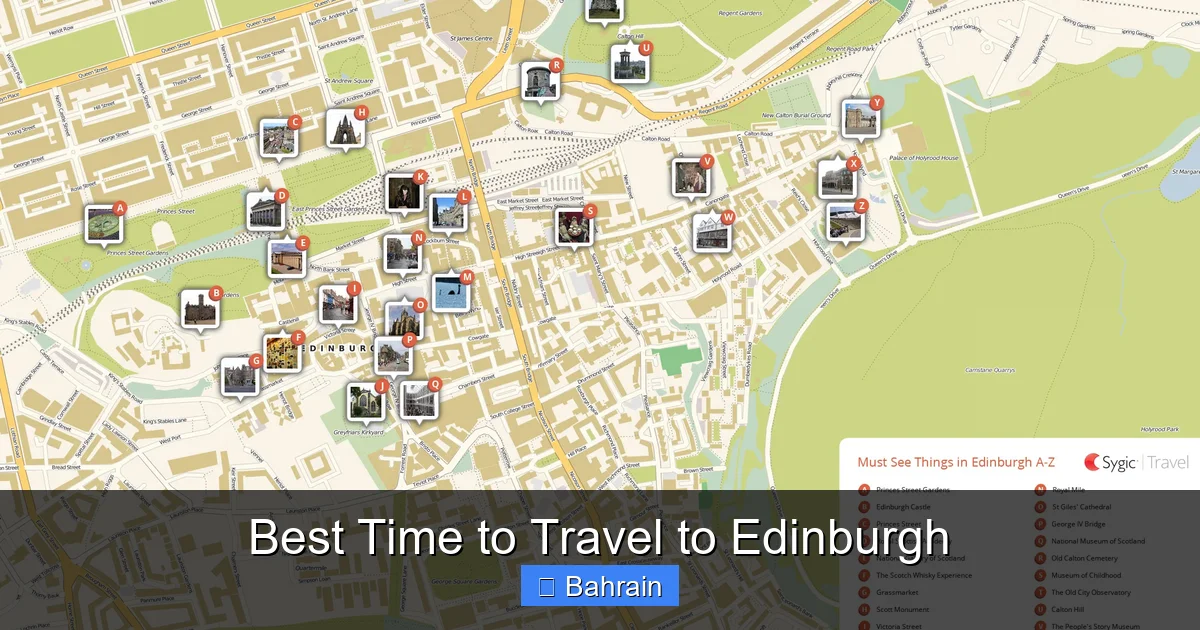
Visual guide about Best Time to Travel to Edinburgh
Image source: cdn-locations.tripomatic.com
Summer is undoubtedly Edinburgh’s busiest and most famous season. If your idea of the best time to travel to Edinburgh involves long daylight hours, warmer temperatures, and an electrifying atmosphere, then June, July, and especially August are calling your name.
Weather and Atmosphere in Summer
Edinburgh in summer is at its warmest, with average temperatures ranging from 15°C to 20°C (59-68°F), though it can occasionally climb higher. Daylight hours are incredibly long, especially in June, with the sun setting very late, giving you ample time for sightseeing and outdoor activities. The city absolutely buzzes with energy, particularly in August, when it transforms into a global cultural hub. However, “warmest” doesn’t mean “hot,” and you should still be prepared for cooler evenings and the ever-present possibility of rain.
Crowds and Costs in Summer
This is peak season, and there’s no way around it: Edinburgh gets *extremely* busy, especially in August. Tourists flock from all over the world to experience the city’s vibrant festivals. This influx means significantly higher prices for flights, hotels, and even some attractions. Queues will be longer, popular restaurants will require reservations, and the city centre will be packed. If you plan to visit during this time, booking everything – flights, accommodation, and festival tickets – many months in advance is absolutely crucial.
Events and Activities in Summer
Summer is synonymous with festivals in Edinburgh, making it the best time to travel to Edinburgh for culture vultures and entertainment seekers.
- Edinburgh Festival Fringe (August): The world’s largest arts festival, offering thousands of shows from comedy and theatre to music and dance. It’s an unparalleled explosion of creativity.
- The Royal Edinburgh Military Tattoo (August): A spectacular display of music, dance, and military pageantry performed on the Esplanade of Edinburgh Castle. Tickets sell out incredibly fast.
- Edinburgh International Festival (August): A more curated program of world-class opera, theatre, music, and dance.
- Jazz & Blues Festival (July): A fantastic event for music lovers, filling the city with soulful sounds.
- Outdoor Activities: Enjoy picnics in Princes Street Gardens, hike up Arthur’s Seat for stunning views, or simply soak in the lively atmosphere at outdoor cafes and pubs.
Visiting in June or July can offer a good balance if you want summer weather without the intensity of the August festivals.
Autumn (September – October): Golden Hues & Cozy Vibes
As the summer crowds disperse and the air takes on a crisp edge, autumn emerges as a wonderfully atmospheric and arguably the best time to travel to Edinburgh for many. The city dons a cloak of golden, russet, and fiery red hues, offering a different kind of charm.
Weather and Atmosphere in Autumn
Autumn, primarily September and October, brings cooler, crisper weather to Edinburgh. Temperatures average between 10°C and 15°C (50-59°F) in September, dropping to 7°C to 12°C (45-54°F) in October. You’ll experience more beautiful, clear days perfect for photography, interspersed with brisk, cloudy periods and occasional rain. The decreasing daylight hours create a cozy ambiance, perfect for enjoying Edinburgh’s historic pubs and warm cafes. The foliage in parks and along the Water of Leith walkway is absolutely stunning.
Crowds and Costs in Autumn
Following the August festivals, the crowds thin out significantly, making autumn a fantastic shoulder season option. You’ll find popular attractions like the Scottish National Gallery or Holyrood Palace more accessible, and the city generally feels less hectic. This reduction in demand often translates to more reasonable prices for flights and accommodation, though not as low as in the deep winter. It truly is one of the best times to travel to Edinburgh if you’re seeking a blend of good weather, fewer crowds, and a rich, authentic city experience.
Events and Activities in Autumn
Autumn in Edinburgh offers a mix of cultural events and opportunities to enjoy the city’s natural beauty.
- Scottish International Storytelling Festival (October): A captivating festival celebrating traditional and contemporary storytelling from Scotland and beyond.
- Exploring Parks and Gardens: The autumn colours in Princes Street Gardens, Holyrood Park, and the Royal Botanic Garden are breathtaking.
- Museums and Galleries: With cooler weather, it’s the perfect time to delve into Edinburgh’s world-class museums and galleries, like the National Museum of Scotland or the Scottish National Portrait Gallery.
- Whisky Tasting: Warm up with a whisky tasting experience at The Scotch Whisky Experience or one of the many excellent whisky bars.
- Halloween (October 31st): Edinburgh, with its dark history and spooky tales, is a fantastic place to spend Halloween. Ghost tours are particularly popular.
Many consider early autumn the best time to travel to Edinburgh for a truly atmospheric visit, enjoying the city’s beauty without the summer rush.
Winter (November – March): Enchanting Festivities & Cozy Escapes
Winter in Edinburgh offers a unique, magical, and often budget-friendly experience. If you’re prepared for the cold and shorter daylight hours, this can be the best time to travel to Edinburgh for festive cheer, atmospheric walks, or a quieter, more reflective visit.
Weather and Atmosphere in Winter
Winter brings cold temperatures, averaging between 2°C and 7°C (36-45°F), with the possibility of snow, especially in January and February. Daylight hours are significantly shorter, with the sun setting as early as 3:30 PM in December. While it can be chilly and damp, the city often looks incredibly beautiful under a dusting of snow, and the festive lights create a truly enchanting atmosphere. The air has a crispness that adds to the historic charm of the Old Town.
Crowds and Costs in Winter
Outside of the Christmas and New Year periods, winter is Edinburgh’s quietest season. This means fewer crowds at major attractions, shorter queues, and generally lower prices for flights and accommodation. If budget is a primary concern, and you don’t mind bundling up, then late November (before the Christmas markets start in earnest) or late January/February could be the best time to travel to Edinburgh. However, plan and book well in advance if you’re targeting Christmas or, especially, Hogmanay (New Year’s Eve), as these periods are extremely popular and expensive.
Events and Activities in Winter
Winter is dominated by festive celebrations, but also offers opportunities for cozy indoor activities.
- Edinburgh Christmas Markets (Mid-November to Early January): The city centre transforms with charming markets, ice rinks, and fairground rides, creating a magical festive wonderland.
- Hogmanay (New Year’s Eve): Edinburgh hosts one of the world’s most famous New Year’s celebrations, a multi-day festival of concerts, street parties, and fireworks. Book accommodation *months* in advance.
- Indoor Attractions: Perfect for colder days, explore the National Museum of Scotland, the Scottish National Gallery, or dive into the Royal Yacht Britannia.
- Cozy Pubs and Cafes: Edinburgh’s historic pubs and inviting cafes are ideal for warming up with a hot drink or a hearty meal.
- Burns Night (January 25th): Celebrate the life and poetry of Robert Burns with traditional dinners and events across the city.
Embrace the winter chill, and you’ll find a uniquely enchanting and memorable Edinburgh experience.
Beyond the Seasons: Considering Your Priorities
While understanding the seasonal characteristics is key, the ultimate best time to travel to Edinburgh comes down to your personal travel style and what you prioritize.
Budget Travelers
If you’re traveling on a shoestring, the cheapest time to visit Edinburgh is typically late January, February, and early March, excluding the Hogmanay period. Accommodation and flight prices are at their lowest, and there are fewer tourists, meaning less competition for deals. The shoulder seasons of late autumn (November, excluding festive period) and early spring (March, early April) can also offer good value.
Avoiding Crowds
To enjoy Edinburgh without the throngs of tourists, aim for the shoulder seasons. April, May, September, and October offer a fantastic balance of pleasant weather and manageable crowd levels. Winter, particularly outside of Christmas and New Year, will see the fewest visitors, allowing you to explore at a more leisurely pace.
Specific Events or Festivals
If a particular event is the driving force for your visit, then your travel dates are set!
- August Festivals: For the Fringe, Military Tattoo, or International Festival, August is non-negotiable. Start planning and booking at least 6-9 months ahead.
- Hogmanay: For New Year’s Eve, again, December 30th-January 1st is fixed. Book even earlier than for August – sometimes a year in advance for prime spots.
- Christmas Markets: Mid-November to early January.
Remember that peak event times mean peak prices and peak crowds.
Weather Preferences
If you prefer milder, potentially sunnier weather for walking and outdoor activities, late spring (May) and early autumn (September) are excellent choices. Summer (July-August) offers the warmest temperatures and longest daylight, though “warm” is relative in Scotland. If you dream of a white Christmas or don’t mind bundling up, winter offers a distinct, crisp beauty. Always remember Edinburgh’s weather can be unpredictable, so layers are your friend, no matter the season!
Conclusion: Your Perfect Edinburgh Adventure Awaits
Deciding on the best time to travel to Edinburgh is a delightful dilemma, as this magnificent city offers something special in every season. Whether you envision a vibrant summer filled with festivals, a serene spring among blooming gardens, a cozy autumn wrapped in golden hues, or an enchanting winter adorned with festive lights, Edinburgh is ready to welcome you.
By considering your priorities – be it budget, avoiding crowds, specific events, or weather preferences – you can pinpoint the ideal time for your visit. Remember to always pack layers, embrace the Scottish charm, and allow yourself to be captivated by Edinburgh’s unique blend of ancient history and contemporary culture. No matter when you choose to go, your journey to Scotland’s capital is sure to be an unforgettable experience. Happy travels!
Frequently Asked Questions
What’s the best time to visit Edinburgh for budget travelers?
For budget travelers, the best time to visit Edinburgh is typically late January, February, and early March. During these months, demand for flights and accommodation is lowest, leading to significantly reduced prices, provided you avoid the Hogmanay period.
When should I visit Edinburgh to avoid crowds?
To avoid crowds, consider visiting Edinburgh during the shoulder seasons of late spring (April/May) or early autumn (September/October). You’ll find fewer tourists than in summer, but still enjoy pleasant weather. Winter, excluding Christmas and New Year, also offers a much quieter experience.
What kind of clothes should I pack for Edinburgh in autumn?
For autumn in Edinburgh, you should pack layers. Include warm sweaters, a waterproof jacket, comfortable walking shoes, and a scarf. The weather can change quickly, so being prepared for both crisp sunshine and sudden showers is key.
Are Edinburgh’s Christmas Markets worth visiting?
Absolutely! Edinburgh’s Christmas Markets, typically running from mid-November to early January, are widely considered some of the best in the UK. They offer a magical festive atmosphere with stalls, rides, and beautiful lights, making it a very popular time to travel to Edinburgh.
Can I see snow in Edinburgh?
Yes, it is possible to see snow in Edinburgh, primarily during January and February. While heavy snowfall isn’t guaranteed, the city often gets light dustings, which can make its historic architecture look particularly enchanting.
Is it possible to visit Edinburgh Castle without booking in advance?
While technically possible, it’s highly recommended to book Edinburgh Castle tickets online in advance, especially during peak season (summer, holidays). Pre-booking guarantees entry, allows you to skip potential long queues, and often offers a slightly discounted rate.