Travel Trailer Brands to Avoid
Embarking on the travel trailer journey is exciting, but knowing which travel trailer brands to avoid is crucial for a positive experience. This article guides you on identifying manufacturers with consistent quality issues, poor customer service, and low resale value. By understanding common red flags and conducting thorough research, you can protect your investment and ensure your adventures are filled with joy, not frustration.
Dreaming of open roads, picturesque campsites, and the freedom of exploring new horizons in your very own travel trailer? It’s an incredibly appealing vision, and for many, owning a travel trailer is the gateway to unforgettable adventures. The market is absolutely brimming with options, from tiny teardrops perfect for solo adventurers to sprawling multi-slide models designed for the whole family. But amidst this exciting array of choices, there’s a vital truth that often gets overlooked by eager first-time buyers and even some seasoned RVers: not all travel trailers are created equal.
The reality is that while many manufacturers build fantastic, durable, and reliable units, others unfortunately churn out products that can quickly turn your dream trip into a nightmare of repairs, frustration, and unexpected expenses. Our goal here isn’t to scare you away from buying a travel trailer, but rather to equip you with the knowledge and insights needed to make an informed decision. By understanding what to look for and, crucially, which travel trailer brands to avoid, you can significantly increase your chances of a happy, hassle-free RVing experience. Let’s dive in and learn how to navigate this complex market like a pro.
Key Takeaways
- Research is Paramount: Never rush into a travel trailer purchase; thoroughly investigate specific models and manufacturers.
- Look for Consistent Complaints: Brands frequently cited for issues like leaks, electrical faults, or structural problems should raise a red flag.
- Customer Service Matters: A brand’s reputation for after-sales support and warranty fulfillment is as important as the initial build quality.
- Understand Build Quality Indicators: Pay attention to materials used, fit and finish, and appliance quality as indicators of overall durability.
- Beware of Bargain Brands: While attractive, extremely low prices often signal cut corners and potential long-term issues.
- Pre-Purchase Inspection is Essential: Always arrange for a professional RV inspection before finalizing any deal, even on new units.
- Resale Value Reflects Quality: Travel trailers from brands with poor reputations often suffer from significantly lower resale values.
Quick Answers to Common Questions
What is the most common problem with new travel trailers?
Leaks are arguably the most common and damaging issue with new travel trailers, often stemming from poor sealing around windows, roofs, and slide-outs during manufacturing.
Should I get a professional inspection for a new travel trailer?
Absolutely, yes. A professional RV inspector can identify hidden defects and potential problems that even a brand-new unit might have, saving you significant headaches and costs down the line.
How important is customer service when choosing a travel trailer brand?
Customer service and warranty support are extremely important. Even good brands can have minor issues, and a responsive manufacturer and dealer network are crucial for getting problems resolved quickly and efficiently.
Are cheaper travel trailers always of lower quality?
While not a universal rule, exceptionally low prices in travel trailers often indicate that corners were cut in materials, construction, or quality control, making them more likely to develop problems over time.
What should I look for during my own walk-through inspection?
During your walk-through, look for signs of poor fit and finish (uneven gaps, loose trim), test all appliances, check for water stains, and ensure all doors and windows operate smoothly.
📑 Table of Contents
- Understanding the Red Flags: What Makes a Brand ‘Bad’?
- The Crucial Role of Customer Service and Warranty
- Identifying Brands with Consistent Negative Feedback (Without Naming Names)
- Common Problems Across the Board (and How to Spot Them Before Buying)
- Protecting Your Investment: What to Do Before You Buy
Understanding the Red Flags: What Makes a Brand ‘Bad’?
When we talk about travel trailer brands to avoid, we’re not necessarily talking about companies that intentionally build shoddy products. Often, it’s a combination of factors: rapid expansion, pressure to keep prices low, inconsistent quality control, or simply a company culture that prioritizes quantity over quality. Recognizing these underlying issues is key to identifying potential problems before they become *your* problems.
Subpar Build Quality
One of the most common complaints revolves around the overall build quality. This isn’t just about cosmetic flaws; it delves into the fundamental construction of the unit. We’re talking about frames that flex too much, walls that delaminate prematurely, and structural components that aren’t adequately secured. Imagine your travel trailer slowly falling apart around you as you drive down the highway or, worse, while you’re parked and trying to relax. These are the kinds of issues that indicate a lack of attention to detail during manufacturing. For instance, sometimes you might find cabinets that aren’t screwed in properly or plumbing connections that are loose from the factory. These seemingly small things can lead to significant problems down the road.
Persistent Leak Issues
Water intrusion is arguably the RV owner’s worst enemy. Leaks can cause devastating damage, leading to rot, mold, electrical shorts, and structural compromise, all of which are incredibly expensive and difficult to repair. Brands with a consistent history of reported leaks—whether from roofs, windows, slide-outs, or plumbing—are certainly travel trailer brands to avoid. These issues often stem from poor sealing techniques, inadequate material choices for exterior components, or rushed assembly line work. Detecting a leak after purchase can be a costly discovery, as water damage is often hidden until it becomes extensive.
Electrical and Plumbing Nightmares
While less common than structural or leak issues, problems with the electrical or plumbing systems can be equally disruptive and, in the case of electrical faults, potentially dangerous. This includes everything from faulty wiring causing blown fuses and non-functional outlets to poorly routed plumbing leading to blockages, leaks (again!), or even burst pipes in colder weather. These are typically indicators that corners were cut in the crucial, yet often unseen, infrastructure of the travel trailer. A poorly installed electrical system can also lead to issues with your appliances or even safety hazards like fires.
The Crucial Role of Customer Service and Warranty
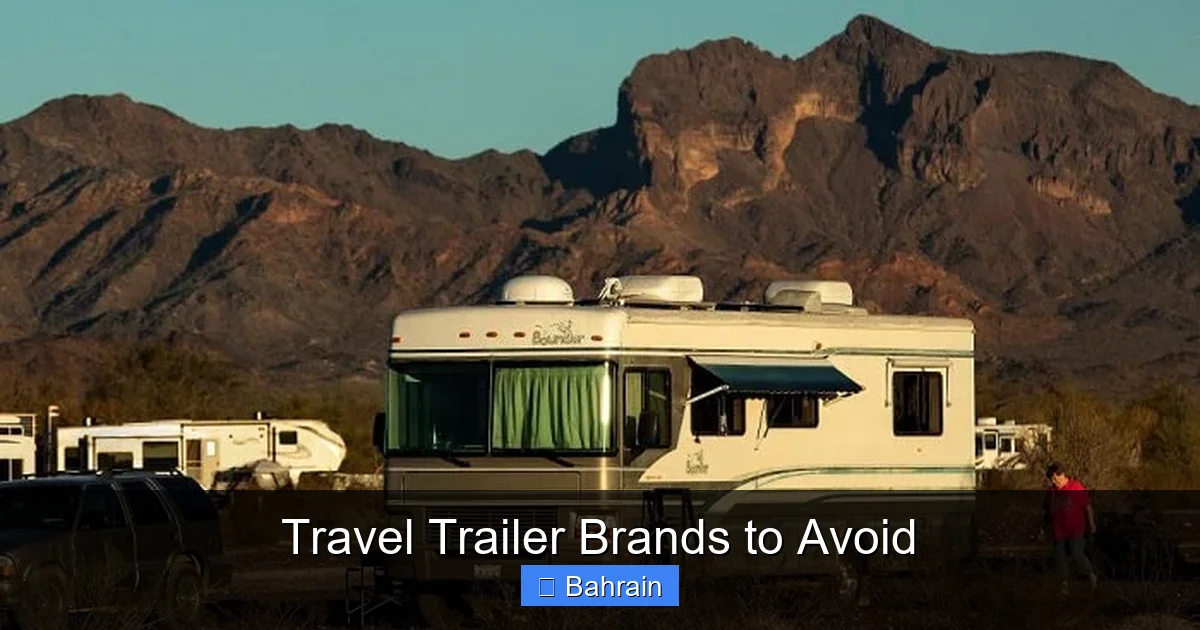
Visual guide about Travel Trailer Brands to Avoid
Image source: rvzone.com
Even the best travel trailers can have a minor issue or two. What truly separates a good brand from a problematic one often comes down to how they handle these issues. Excellent customer service and a reliable warranty are your safety nets. When a brand consistently fails in these areas, it joins the ranks of travel trailer brands to avoid, regardless of the initial build quality.
Unresponsive Dealerships
The dealership is often your first point of contact for warranty claims and service. However, some travel trailer brands have networks of dealerships that are notoriously difficult to work with. Long wait times for service appointments, lack of communication, or even outright refusal to honor warranty claims can turn a small problem into a giant headache. It’s crucial to remember that a dealership’s service department is often independently operated, but a brand’s reputation for supporting its dealers, and in turn, its customers, heavily influences the overall experience. Before buying, check reviews not just of the brand, but of the specific dealership you plan to use for service.
Voided Warranties and Fine Print
Some manufacturers are known for having warranties riddled with loopholes or for being overly strict in interpreting their terms, making it incredibly difficult for owners to get legitimate issues fixed. Before you commit to a purchase, always read the warranty document carefully. Look for clear stipulations, understand what is covered and, more importantly, what isn’t. Brands that make warranty claims a bureaucratic nightmare are definitely travel trailer brands to avoid because you’re essentially buying a product with little to no post-purchase support. For example, some warranties might be voided if you make even minor modifications to your RV, or if you don’t adhere to a very strict maintenance schedule.
Identifying Brands with Consistent Negative Feedback (Without Naming Names)
While it’s not our place to name specific travel trailer brands to avoid directly, we can empower you to identify them through diligent research. The RV industry is dynamic, and quality can fluctuate even within the same manufacturer, depending on the model year or production line. Therefore, relying on up-to-date information gathered from various sources is your best strategy.
Identifying Red Flags in Reviews and Forums
The internet is a goldmine of information. Spend significant time on dedicated RV owner forums, Facebook groups for specific travel trailer brands, and consumer review websites. Look for recurring themes in complaints. Is it always about leaky roofs? Consistently poor wiring? Electrical issues? Are multiple owners reporting the same problem with a particular model year? Pay close attention to the *volume* and *consistency* of negative feedback. A single bad review can happen to any company, but dozens or hundreds of similar complaints are a strong indicator of systemic issues. Many owners are keen to share their experiences, both good and bad, providing invaluable insights into which travel trailer brands to avoid. Don’t just read the five-star reviews; seek out the one- and two-star experiences and see if patterns emerge.
The Lure of ‘Bargain’ Brands
Everyone loves a good deal, but when it comes to travel trailers, an exceptionally low price tag can often be a warning sign. Some brands compete solely on price, which often means cutting corners on materials, labor, and quality control. While they might look attractive on the lot, these units are often among the travel trailer brands to avoid because they tend to develop problems much faster than their slightly more expensive counterparts. The savings upfront can quickly be overshadowed by repair costs, diminished enjoyment, and a significantly lower resale value. Always be skeptical of a deal that seems too good to be true in the RV world. Consider why the price is so low compared to competitors offering similar features. Is it due to cheaper construction methods or less durable materials?
Common Problems Across the Board (and How to Spot Them Before Buying)
Beyond brand-specific issues, there are general quality indicators that can help you gauge a travel trailer’s potential for problems. Learning to spot these red flags during your pre-purchase inspection is a crucial skill. These aren’t necessarily indicators of which travel trailer brands to avoid outright, but rather signs that a specific unit or line might have issues.
Cheap Interior Finishes
Walk inside any travel trailer and pay attention to the details. Are the cabinet doors flimsy? Do drawers slide smoothly, or do they stick? Are the countertops and upholstery made of durable, easy-to-clean materials, or do they look like they’ll wear out quickly? Poorly installed trim, visible glue lines, uneven gaps, and cheap hardware are all signs of hurried assembly and a lack of pride in craftsmanship. While cosmetic, these issues often hint at similar shortcuts taken in less visible, but more critical, areas of the RV. You might find screws that are stripped or crooked, or wallpaper peeling at the edges, which point to a general lack of quality control.
Underperforming Appliances
The appliances in your travel trailer—refrigerator, stove, microwave, air conditioner, water heater—are central to your comfort. While most manufacturers use third-party appliance brands, the installation quality and the choice of appliance tier can vary significantly. Test everything during your walkthrough. Does the AC blow cold? Does the furnace ignite reliably? Does the water heater heat quickly? If a brand consistently outfits its units with the cheapest, least reliable appliances, or installs them incorrectly, it’s a mark against their overall commitment to quality and owner satisfaction. Some brands might opt for residential-grade appliances without proper bracing, leading to issues from road vibration.
Structural Weaknesses
This is harder to spot for an untrained eye but can be identified with a thorough inspection. Look for signs of uneven flooring, flexing in the roof or walls, or doors and windows that don’t close perfectly square. Check the chassis underneath for rust, bent components, or shoddy welding. While minor imperfections are common, significant structural flaws indicate fundamental weaknesses that will only worsen over time, leading to significant repair bills. If you see signs of excessive sealant application on the exterior, it might be an attempt to cover up structural gaps or poor panel alignment.
Protecting Your Investment: What to Do Before You Buy
Knowing which travel trailer brands to avoid is only half the battle. The other half is taking proactive steps to ensure your chosen unit, regardless of brand, is a sound investment. Your due diligence before signing any papers can save you thousands of dollars and countless headaches.
Thorough Pre-Purchase Inspections
This cannot be stressed enough: *always* get a professional RV inspection, even on a brand-new unit. A certified RV inspector has the knowledge, tools, and experience to identify hidden defects, structural issues, and potential problems that you might miss. They can check everything from the roof seams and undercarriage to the electrical system, plumbing, and appliance functionality. This unbiased third-party evaluation is invaluable for peace of mind and can provide leverage during negotiations if issues are found. It’s especially crucial when considering used units or those from travel trailer brands to avoid that have a mixed reputation. Don’t rely solely on the dealership’s inspection or assurances.
Understanding Dealer Reputations
Your relationship with the dealership is almost as important as your relationship with the manufacturer. A reputable dealer will stand behind the products they sell, offer excellent pre-delivery inspection (PDI), and provide reliable post-sale service. Research dealer reviews extensively. Talk to other RV owners about their experiences with local dealerships. A fantastic travel trailer from a brand known for quality can still be a frustrating experience if sold by a dealer with poor service and support. Conversely, a less-than-perfect unit might be manageable with a dealer who is committed to making things right. This balance is key when deciding on your final purchase.
Consider Your Needs and Budget Realistically
Before you even start looking at specific travel trailer brands to avoid or embrace, sit down and honestly assess your needs. How many people will be traveling? What kind of camping will you do (full hookups, boondocking)? What’s your tow vehicle’s capacity? What’s your absolute maximum budget for the purchase, insurance, maintenance, and potential repairs? Being realistic about your requirements and financial limits will help you narrow down your search and prevent you from being swayed by features you don’t need or units that are beyond your budget – which might lead you to consider those budget-friendly (and potentially problematic) travel trailer brands to avoid.
In conclusion, embarking on the travel trailer lifestyle is an exciting venture, promising years of adventure and memories. However, the joy of RVing can quickly turn into a financial and emotional burden if you don’t choose wisely. By diligently researching, paying attention to red flags like poor build quality, persistent leaks, and unresponsive customer service, and understanding the characteristics of which travel trailer brands to avoid, you equip yourself to make a smart, informed purchase. Remember, your investment isn’t just in a vehicle; it’s in your future adventures. Choose a travel trailer that will be a reliable companion on your journey, not a source of constant stress. Happy trails, and safe travels!
Frequently Asked Questions
How can I research travel trailer brands to avoid effectively?
To effectively research which travel trailer brands to avoid, spend time on online RV owner forums, social media groups dedicated to specific brands, and reputable consumer review websites. Look for recurring complaints and patterns of dissatisfaction regarding build quality and customer service.
Is it true that all RVs have some issues, even from good brands?
Yes, it’s generally true that nearly all RVs, regardless of brand or price point, may experience minor issues, often referred to as “PDI items.” The key difference lies in the severity and frequency of these issues, and how well the manufacturer and dealership address them.
What’s the risk of buying a travel trailer from a brand known for poor quality?
The primary risks of buying from travel trailer brands to avoid include frequent and costly repairs, frustrating warranty disputes, significantly lower resale value, and a diminished enjoyment of your RVing experience due to ongoing problems.
Should I consider buying an extended warranty for my travel trailer?
An extended warranty can offer peace of mind, especially if you’re concerned about potential issues or considering a brand with a mixed reputation. However, always read the terms and conditions carefully to understand what is covered and what isn’t, and compare it to your perceived risk.
How does rapid growth affect a travel trailer brand’s quality?
Rapid growth can sometimes lead to a decline in quality for travel trailer brands. Manufacturers might struggle to maintain consistent quality control standards, train new staff adequately, or source sufficient high-quality materials when production speeds increase dramatically.
What role does the dealership play in my overall travel trailer experience?
The dealership plays a crucial role as your primary point of contact for sales, service, and warranty claims. A good dealership with strong after-sales support can significantly improve your ownership experience, even mitigating some minor issues that might arise from the manufacturer.