Travel Physician Assistant Jobs
Are you a Physician Assistant with a thirst for adventure and a desire for diverse clinical experiences? Travel Physician Assistant jobs offer a unique and rewarding career path, blending medical professionalism with the thrill of exploration. These roles typically involve short-term contracts in various locations, often providing higher compensation and unparalleled opportunities for professional growth, making it an increasingly popular choice for PAs seeking flexibility and new challenges.
Imagine a career where your medical skills aren’t confined to a single clinic or hospital, but instead take you across states, perhaps even continents, to help communities in need. Picture yourself gaining unparalleled clinical experience while simultaneously exploring new cultures, landscapes, and ways of life. For many Physician Assistants (PAs), this isn’t just a daydream; it’s the reality of a travel physician assistant job.
The healthcare landscape is constantly evolving, and with it, the demand for flexible, highly skilled medical professionals. Hospitals, clinics, and healthcare systems across the globe often face temporary staffing shortages due to seasonal demands, unexpected vacancies, or rural outreach initiatives. This is where the travel PA steps in, offering a vital service while embarking on a truly unique professional adventure. If you’re a PA feeling the call of the open road, eager to broaden your horizons, and looking for a career that offers both stability and excitement, then exploring travel physician assistant jobs might just be your next big move.
Key Takeaways
- Dynamic Career Path: Travel Physician Assistant jobs allow PAs to combine their medical expertise with a passion for exploration, working in diverse healthcare settings across different geographical locations.
- Enhanced Compensation: Many travel PA positions offer attractive financial packages, including higher hourly rates, housing stipends, and travel allowances, making them financially rewarding.
- Professional Growth: Engaging in travel PA roles exposes practitioners to a wide range of patient populations, medical systems, and clinical challenges, significantly expanding their skills and experience.
- Flexibility and Autonomy: Travel PAs often have control over their work schedule, contract lengths, and choice of assignments, enabling a better work-life balance and opportunities for personal pursuits between contracts.
- Essential Qualifications: While a standard PA education and NCCPA certification are crucial, travel PA roles typically require at least 1-2 years of post-graduate clinical experience, strong adaptability, and excellent communication skills.
- Navigating the Market: Specialized travel healthcare agencies are the primary route for finding and securing travel PA positions, assisting with credentialing, licensing, and logistics.
- Unique Challenges: Despite the benefits, travel PAs must be prepared for challenges such as constant adaptation to new environments, managing multiple state licenses, and navigating temporary social and professional connections.
Quick Answers to Common Questions
What kind of experience do I need for travel PA jobs?
Most travel PA positions require at least 1-2 years of post-graduate clinical experience to ensure you can quickly adapt and function independently in new settings.
How long do travel PA contracts typically last?
Contract lengths vary but commonly range from 8 to 26 weeks, with 13-week assignments being very popular.
Do travel PA jobs pay more than permanent PA positions?
Yes, travel PAs often earn higher hourly rates and receive additional stipends for housing, travel, and sometimes meals, leading to greater overall compensation.
Who handles the licensing and credentialing for travel assignments?
Travel healthcare agencies typically assist significantly with the complex processes of state licensing and credentialing for each new assignment.
Are there international travel PA opportunities?
While most travel PA jobs are domestic, international opportunities exist with humanitarian organizations or private facilities in countries where the PA role is recognized, requiring careful research into country-specific requirements.
📑 Table of Contents
What Exactly is a Travel Physician Assistant?
A Travel Physician Assistant, often referred to simply as a “travel PA,” is a licensed Physician Assistant who takes on temporary assignments or contracts in various healthcare facilities. Unlike a permanent, staff PA who works in one location for an extended period, a travel PA typically works for a few weeks to several months at a time in different hospitals, clinics, or specialized units. These assignments can be anywhere from a bustling metropolitan emergency room to a rural community clinic, or even international humanitarian efforts.
The Core Responsibilities
At their core, the responsibilities of a travel PA are identical to those of any other PA. They diagnose illnesses, develop and manage treatment plans, prescribe medications, and often act as a patient’s primary healthcare provider. They perform physical exams, order and interpret diagnostic tests, assist in surgery, and provide patient education and counseling. The difference lies not in *what* they do, but *where* and *for how long* they do it. Travel PAs are expected to hit the ground running, integrating quickly into new teams and adapting to different electronic health record (EHR) systems and protocols.
The Flexibility Factor
The defining characteristic of travel physician assistant jobs is their inherent flexibility. PAs can often choose their assignments based on location, specialty, contract length, and even desired time off between contracts. This level of autonomy is a huge draw for many, allowing them to tailor their career to fit their lifestyle, whether that means taking several months off to travel internationally or seeking back-to-back assignments to maximize earnings. It’s a career path that truly puts the PA in the driver’s seat of their professional journey.
Why Consider a Career as a Travel PA? The Benefits Galore
Visual guide about Travel Physician Assistant Jobs
Image source: ziprecruiter.com
The appeal of travel physician assistant jobs extends far beyond just seeing new places. This career path offers a multitude of professional and personal benefits that make it an incredibly attractive option for many PAs.
High Demand and Competitive Compensation
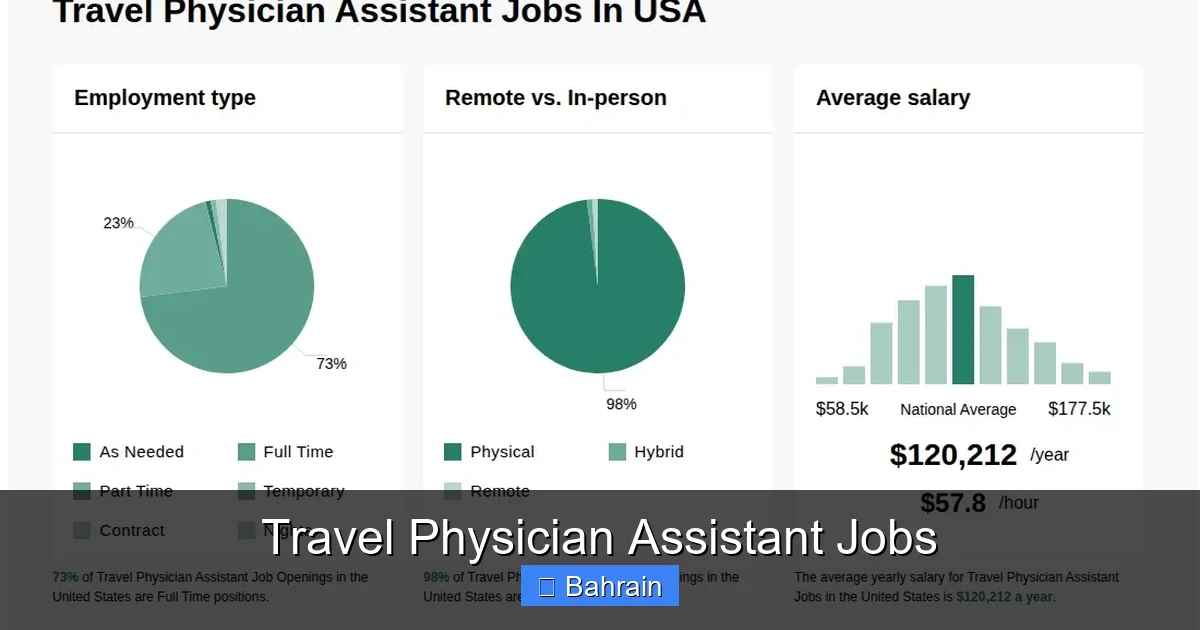
One of the most compelling reasons to consider travel PA jobs is the financial incentive. Because travel PAs fill critical, often urgent, staffing gaps, they are frequently compensated at a higher rate than their permanent counterparts. This can include elevated hourly wages, lucrative completion bonuses, and generous stipends for housing, travel, and even meals. Many travel PAs find they can pay off student loans faster, save for future goals, or simply enjoy a higher quality of life. The demand for PAs is consistently high across the US and internationally, ensuring a steady stream of opportunities.
Unparalleled Professional Experience
Working in diverse environments exposes travel PAs to a vast array of patient demographics, medical conditions, and healthcare systems. One contract might involve working in a fast-paced urban trauma center, while the next could be in a quaint, underserved rural clinic. This breadth of experience sharpens clinical skills, fosters adaptability, and builds a comprehensive understanding of different medical practices. It’s an accelerated path to professional growth, making you a more versatile and well-rounded practitioner. You’ll learn to quickly assess situations, integrate into new teams, and effectively communicate with a wide range of colleagues and patients.
Work-Life Balance and Personal Exploration
The ability to choose your assignments and take time off between contracts provides an unparalleled opportunity for work-life balance. Many travel PAs use their time off to pursue personal interests, travel extensively, or spend quality time with family and friends. This control over your schedule prevents burnout and allows for a truly fulfilling life both inside and outside of work. Imagine working for three months in California, then taking a month to hike national parks, followed by another contract in Florida – the possibilities are endless! This freedom from routine and the chance to continually experience novelty is a powerful motivator.
The Path to Becoming a Travel PA: Qualifications and Experience
While the allure of travel PA jobs is strong, it’s important to understand the necessary qualifications and experience to embark on this exciting journey.
Essential Certifications and Licensure
First and foremost, you must be a fully qualified and licensed Physician Assistant. This means:
- Graduation from an ARC-PA accredited PA program: This is the foundational educational requirement.
- NCCPA Certification: Passing the Physician Assistant National Certifying Exam (PANCE) and maintaining certification through ongoing continuing medical education (CME) and periodic recertification exams (PANRE) is mandatory.
- State Licensure: For travel PA jobs within the United States, you will need to obtain licensure in each state where you plan to practice. This can be a logistical challenge, but many travel agencies assist with the application process and even cover associated fees. For international opportunities, specific country-by-country licensing requirements will apply, and these can vary significantly.
Gaining Valuable Clinical Experience
Most travel healthcare agencies and facilities prefer, and often require, that travel PAs have at least 1-2 years of post-graduate clinical experience. While new graduates possess excellent theoretical knowledge, the ability to quickly adapt to new environments and function independently is paramount for travel roles. Having established clinical confidence and efficiency in a specific specialty (e.g., Emergency Medicine, Internal Medicine, Family Practice) makes you a more attractive candidate. This experience demonstrates your capability to handle diverse cases, manage patient loads effectively, and integrate seamlessly into new healthcare teams with minimal orientation. Strong critical thinking, problem-solving skills, and a proven track record of patient care are invaluable.
Navigating the Travel PA Job Market: Finding Your Next Adventure
Finding the right travel physician assistant jobs requires a strategic approach. The market is robust, but knowing where to look and how to prepare is key.
The Power of Travel Healthcare Agencies
The vast majority of travel PA jobs are facilitated through specialized travel healthcare staffing agencies. These agencies act as intermediaries between healthcare facilities and PAs, handling much of the logistical heavy lifting. They have extensive networks of hospitals and clinics seeking temporary staff and are experts in navigating the complexities of travel healthcare.
- Benefits of using an agency: Agencies typically assist with licensing applications, credentialing, finding housing, arranging travel, and negotiating contracts. They also often provide health insurance and other benefits.
- Choosing an agency: Research reputable agencies known for their transparency, support, and fair compensation. Look for agencies with a strong track record and good reviews from other travel healthcare professionals. It’s often beneficial to work with multiple agencies to maximize your options.
- Your Recruiter: You’ll work closely with a dedicated recruiter who will help you find suitable assignments, guide you through the application process, and be your point of contact throughout your contract. A good relationship with your recruiter is invaluable.
Crafting a Standout Application
To secure the best travel physician assistant jobs, you need to present yourself professionally and effectively.
- Resume/CV: Highlight your clinical experience, especially any independent practice or leadership roles. Emphasize your adaptability, strong communication skills, and ability to quickly integrate into new teams. List all your certifications and licenses.
- References: Have strong professional references ready who can speak to your clinical competence, work ethic, and ability to thrive in dynamic environments.
- Interview Skills: Be prepared to discuss your experience with diverse patient populations, your comfort level with new EHR systems, and how you handle challenging situations. Demonstrate your enthusiasm for travel and your flexibility. Facilities want to know you can hit the ground running.
Don’t be afraid to be specific about your preferences – whether it’s a particular specialty, geographic region, or type of facility. The more clearly you communicate your desires, the better your agency can match you with appropriate travel physician assistant jobs.
Challenges and Considerations for Travel PAs
While the benefits are numerous, it’s also important to be realistic about the challenges that come with travel physician assistant jobs. Being prepared for these can make all the difference in having a successful and fulfilling experience.
Embracing Constant Change
One of the biggest hurdles for travel PAs is the constant need to adapt. You’ll regularly encounter new colleagues, new hospital policies, new EHR systems, and different local patient populations. Each assignment requires you to quickly learn the ropes, understand the facility’s culture, and find your place within a new team. This can be exhilarating for some but draining for others. A high degree of flexibility, resilience, and a positive attitude are crucial. You must be comfortable with ambiguity and proactive in seeking out information and support when needed. The ability to troubleshoot and problem-solve independently is highly valued.
Managing Logistics and Personal Life
The logistical aspects of travel PA jobs can be complex. Maintaining multiple state licenses, understanding varying state regulations, and managing credentialing for each new facility takes effort. While agencies assist, the ultimate responsibility rests with you. Furthermore, being away from home for extended periods can impact personal relationships and routines. You’ll need strategies for staying connected with family and friends, and for creating a sense of home wherever you go. Finding new doctors, dentists, or even a preferred grocery store in each location adds another layer of adjustment. For those with families, careful planning and support systems are essential. Tax implications can also be complex for travel healthcare professionals, so consulting with a tax advisor specializing in this area is highly recommended.
International Opportunities: A Glimpse Beyond Borders
While most travel physician assistant jobs are domestic, opportunities do exist internationally. These roles can range from humanitarian aid missions in underserved regions to contract positions in private facilities in countries where the PA profession is recognized or emerging. For example, some PAs might find opportunities in the Middle East, Europe, or Asia, often working with international organizations or private healthcare groups. These roles present even greater cultural adaptation challenges and unique licensing hurdles but offer truly unparalleled life experiences. If you’re considering such a path, research specific country requirements, speak with PAs who have worked abroad, and connect with agencies specializing in international medical placements.
Conclusion
Travel physician assistant jobs offer a dynamic and incredibly rewarding career path for PAs seeking more than just a traditional role. They combine the noble pursuit of healing with the thrill of exploration, professional growth with personal freedom, and financial stability with invaluable life experiences. While the journey comes with its unique set of challenges, the benefits – from competitive compensation and diverse clinical exposure to the ability to control your career trajectory and see the world – often far outweigh them.
If you’re a PA ready to embrace new challenges, expand your horizons, and make a significant impact across various communities, then now is the perfect time to explore the exciting world of travel physician assistant jobs. It’s a career that promises not just a paycheck, but a passport to adventure, knowledge, and a deeply fulfilling professional life. So, pack your bags, update your resume, and get ready to embark on your next great medical adventure!
Frequently Asked Questions
How do travel PAs manage housing during assignments?
Many travel healthcare agencies provide housing options, either directly arranging furnished accommodations or offering a tax-free housing stipend, giving the PA the flexibility to find their own lodging.
What specialties are most in demand for travel PAs?
High-demand specialties often include Emergency Medicine, Urgent Care, Family Medicine, Internal Medicine, and Hospitalist roles, but opportunities can arise in almost any medical field.
Can new PA graduates find travel physician assistant jobs?
It’s uncommon for new graduates to secure travel PA jobs immediately, as agencies and facilities usually prefer candidates with at least 1-2 years of clinical experience due to the need for quick adaptation and independent practice.
What are the tax implications for travel PAs?
Tax rules for travel healthcare professionals can be complex, especially concerning tax-free stipends. It’s highly recommended to consult with a tax advisor specializing in travel healthcare to ensure compliance and maximize benefits.
How much downtime is there between travel PA contracts?
The amount of downtime is largely up to the individual PA. Some prefer back-to-back assignments, while others choose to take weeks or even months off between contracts for travel or personal time, offering great flexibility.
Is it difficult to build long-term professional relationships as a travel PA?
While you won’t have the same long-term colleagues as a permanent staff member, travel PAs often build strong short-term professional relationships. Many agencies also foster communities where travel professionals can connect and network.