Alabama Winter Weather Travel Warning
Alabama winter weather can pose significant travel hazards, even for a state known for mild climates. Understanding an Alabama winter weather travel warning is crucial for your safety and preparedness. This comprehensive guide helps you prepare your home and vehicle, offers safe driving strategies, and outlines what to do before, during, and after winter storms, ensuring you stay secure and informed when conditions turn challenging.
When you think of Alabama, images of sunshine, warm beaches, and lush green landscapes probably come to mind. It’s not typically a state associated with blizzards or icy roads, right? Well, think again! While major snowfalls might be less frequent than in northern states, winter weather can and does affect Alabama, sometimes quite severely. And when it does, an Alabama winter weather travel warning becomes a very serious advisory that everyone, residents and visitors alike, needs to heed.
Facing an Alabama winter weather travel warning can be unsettling, especially if you’re not used to dealing with ice or snow. But with the right information and preparation, you can navigate these challenging conditions safely. This article is your friendly guide, offering practical advice and essential tips to help you understand, prepare for, and safely manage situations when winter weather decides to make a surprise visit to the Heart of Dixie. Let’s make sure you’re ready for whatever Mother Nature throws our way!
Key Takeaways
- Alabama Winter Weather is Real: Despite its southern location, Alabama can experience severe winter weather, including ice, snow, and freezing rain, making an Alabama winter weather travel warning a serious concern.
- Understand Warning Levels: Learn the difference between a Winter Weather Advisory, Watch, and Warning to properly assess risk and take appropriate action.
- Preparation is Paramount: Before winter weather hits, prepare your home with emergency supplies, insulate pipes, and get your vehicle ready for icy conditions.
- Safe Driving is Essential: During an Alabama winter weather travel warning, avoid unnecessary travel. If you must drive, slow down, increase following distance, and be aware of black ice.
- Stay Informed: Rely on official sources like the National Weather Service and local authorities for the most accurate and up-to-date information regarding an Alabama winter weather travel warning.
- Be Ready for Power Outages: Winter storms often lead to power loss. Have alternative heating, lighting, and communication plans in place.
- Post-Storm Precautions: Even after the weather clears, roads can remain hazardous. Continue to exercise caution and check for damage around your home.
Quick Answers to Common Questions
What is the primary danger during an Alabama winter weather travel warning?
The primary danger is often black ice, which is difficult to see and can cause vehicles to lose traction unexpectedly, leading to accidents.
Should I use cruise control during an Alabama winter weather travel warning?
No, you should never use cruise control on wet or icy roads, as it can make you lose control of your vehicle if you hit a slippery patch.
Where can I find official information about an Alabama winter weather travel warning?
Always rely on official sources like the National Weather Service (NWS) website, local news channels, and county emergency management agencies.
What should I do if my pipes freeze during an Alabama winter weather travel warning?
If pipes freeze, keep faucets slightly open, apply gentle heat with a hairdryer or heating pad. If a pipe bursts, immediately turn off your main water supply valve and call a plumber.
Is it safe to use a generator indoors during a power outage?
No, never use a generator indoors or in an attached garage. Generators produce carbon monoxide, a colorless, odorless gas that can be deadly. Always operate them outdoors and away from windows.
📑 Table of Contents
Understanding Alabama’s Winter Weather Landscape
It’s easy to assume Alabama skirts by winter without much fuss. However, the state’s geography, particularly its varied elevations from the Gulf Coast to the Appalachian foothills, means that winter weather can manifest in several ways. We’re not just talking about a little frost; we’re talking about conditions that can make travel incredibly dangerous, hence the importance of any Alabama winter weather travel warning.
The Realities of Alabama’s Winter
Unlike areas accustomed to heavy snow, Alabama often grapples with freezing rain and sleet. These forms of precipitation are arguably more hazardous. Why? Because they create a treacherous layer of ice on roads, bridges, and power lines, often without the visual cue of thick snow. This ice is notoriously slippery and difficult to see, especially at night or on shaded roads. A single patch of black ice can turn a routine commute into a dangerous slide. This is why an Alabama winter weather travel warning should always be taken seriously.
Typical Conditions and Regional Differences
While the entire state can experience freezing temperatures, the impact varies. North Alabama, with its higher elevations, is more prone to snow and ice accumulation. Areas like Huntsville, for instance, might see more significant winter weather events than Mobile or Gulf Shores. However, even the coastal regions can experience debilitating freezes, turning even minor precipitation into a major hazard. When an Alabama winter weather travel warning is issued, it’s tailored to specific regions, so always check the details for your location.
What Constitutes an Alabama Winter Weather Travel Warning?
Knowing what to do when an Alabama winter weather travel warning is issued starts with understanding the different types of alerts. These aren’t just fancy terms; they signal varying levels of threat and call for different actions. The National Weather Service (NWS) is your primary source for these critical updates.
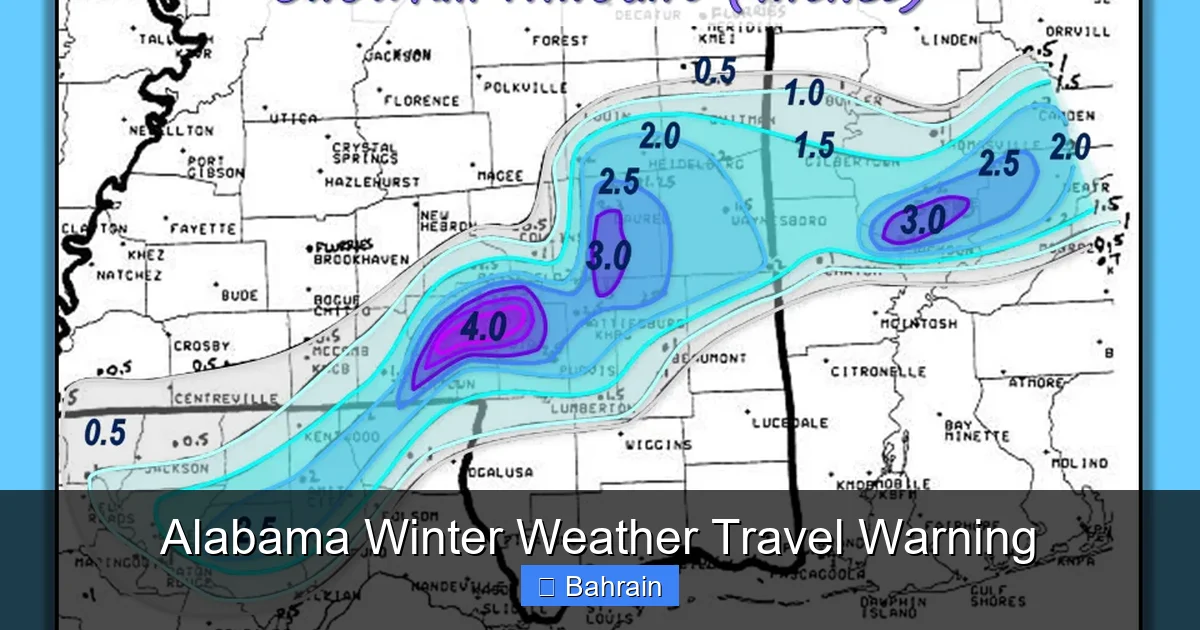
Visual guide about Alabama Winter Weather Travel Warning
Image source: weather.gov
Advisory, Watch, or Warning: What’s the Difference?
- Winter Weather Advisory: This is the lowest level of alert. An advisory means that winter weather conditions are expected to cause significant inconveniences and might be hazardous, especially for travel. Think of it as a heads-up that conditions could be tricky, and you should exercise caution. A common example related to an Alabama winter weather travel warning would be expecting an inch or two of snow or a light glaze of ice.
- Winter Storm Watch: A watch means that conditions are favorable for a significant winter storm to develop. It’s a signal to prepare! Heavy snow, significant ice accumulations, or a combination of both are possible. This is your cue to finalize your preparations – charge devices, gather supplies, and make sure your vehicle is ready. When you see a Winter Storm Watch as part of an Alabama winter weather travel warning, it’s time to get serious about preparing.
- Winter Storm Warning: This is the highest level of alert. A warning means that dangerous winter weather conditions are happening or will happen very soon. Heavy snow, freezing rain, or sleet is imminent or occurring, making travel extremely dangerous. This is when an Alabama winter weather travel warning means staying off the roads is highly recommended, if not imperative. Life-threatening conditions are possible.
Reliable Sources for Updates
Always get your information from official sources. The National Weather Service (NWS) website or app is the gold standard. Local news channels, radio stations, and county emergency management agencies also provide timely updates. Be wary of unofficial social media posts that might spread misinformation. When an Alabama winter weather travel warning is in effect, accurate information is your best tool.
Before the Storm: Essential Preparation Steps
Preparation is your best friend when an Alabama winter weather travel warning looms. A little effort beforehand can save you a lot of trouble, stress, and even danger when the weather turns bad. Think proactively about your home, your vehicle, and your family’s needs.
Preparing Your Home for Winter Weather
- Emergency Kit: Every home needs one! Include flashlights, extra batteries, a first-aid kit, a battery-powered radio, a whistle, a supply of non-perishable food, and at least three gallons of water per person. Don’t forget any necessary medications.
- Heating and Insulation: Check your heating system before winter officially begins. Ensure your carbon monoxide detectors are working. Insulate exposed pipes, especially in unheated areas like crawl spaces or garages, to prevent them from freezing and bursting.
- Generator Preparedness: If you have a generator, make sure it’s in good working order and you have a supply of fuel. Always operate generators outdoors and away from windows to prevent carbon monoxide poisoning.
- Fire Safety: If using alternative heating sources like fireplaces or space heaters, ensure they are in good repair and used safely. Keep flammable materials away from heat sources.
Getting Your Vehicle Ready
Your car is one of the most vulnerable things during an Alabama winter weather travel warning. Preventative maintenance is key.
- Tires: Check tire pressure and tread depth. Ensure your tires are properly inflated, as cold weather can reduce pressure. Good tread is crucial for traction on wet or icy roads.
- Fluids: Top off windshield wiper fluid (make sure it’s a winter-grade solution that won’t freeze). Check antifreeze levels.
- Battery: Cold weather is tough on car batteries. Get yours tested to ensure it’s in good condition.
- Emergency Car Kit: Keep essentials in your car: jumper cables, a bag of sand or cat litter for traction, a small shovel, blankets, extra warm clothes, a phone charger, snacks, and water.
Communication and Family Plans
Make sure everyone in your household knows what to do. Have a family communication plan, including out-of-state contacts in case local lines are down. Designate a meeting place if you’re separated. During an Alabama winter weather travel warning, staying connected is vital.
During the Warning: Navigating Hazardous Conditions
When an Alabama winter weather travel warning is in effect, the best advice is often to stay home. However, if travel is unavoidable, or if you’re stuck at home during a storm, knowing how to stay safe is critical.
Driving Safely on Icy Roads
This cannot be stressed enough: ice is extremely dangerous. If an Alabama winter weather travel warning includes ice, seriously reconsider your travel plans. If you absolutely must drive:
- Slow Down: This is the golden rule. Speed limits are for ideal conditions. Drive significantly slower than you normally would.
- Increase Following Distance: Leave ample space between your vehicle and the one in front. Stopping distances on ice can be ten times greater than on dry pavement.
- Gentle Inputs: Accelerate, brake, and steer gently. Sudden movements can cause you to lose traction.
- Black Ice Awareness: Black ice is nearly invisible. It often forms on bridges, overpasses, and shaded areas. If the road looks wet but temperatures are at or below freezing, assume it’s ice.
- Avoid Cruise Control: Do not use cruise control on slippery roads. You need to be in full control of your vehicle.
- Know Your Vehicle: Understand how your specific vehicle handles in snow and ice. Front-wheel drive, rear-wheel drive, and all-wheel drive vehicles all have different characteristics.
- Emergency Services: Know how to contact emergency services (e.g., dial 911). Be prepared to describe your location accurately if you need help during an Alabama winter weather travel warning.
Staying Safe at Home
Even at home, winter weather can pose risks, especially if power outages occur.
- Stay Warm Safely: Dress in layers. Use blankets. If using a fireplace or a space heater, ensure proper ventilation and follow all safety guidelines. Never use outdoor grills or generators indoors.
- Conserve Heat: Close off rooms you’re not using. Block drafts under doors and around windows.
- Food Safety: If the power goes out, keep refrigerator and freezer doors closed as much as possible to preserve food.
- Pipes: Allow faucets to drip slowly to prevent pipes from freezing and bursting. Know how to shut off your main water valve if a pipe does burst.
- Stay Connected: Keep your cell phone charged. Have a battery-powered radio for news and updates.
After the Storm: Recovery and Assessment
Just because the snow has stopped or the ice has melted doesn’t mean all danger has passed. The aftermath of an Alabama winter weather travel warning can still present hazards. Take it slow and assess your surroundings before jumping back into normal routines.
Assessing Damage and Continuing Caution
- Check for Damage: Inspect your property for downed power lines, damaged trees, or broken pipes. Do not approach downed power lines; report them immediately to your power company.
- Clear Pathways Safely: If you have snow or ice to clear, do so carefully. Shoveling can be strenuous, and slippery surfaces can lead to falls. Consider asking for help if needed.
- Road Conditions: Even if the sun is out, roads can remain icy, especially in shaded areas or on bridges. Continue to drive with extreme caution until local authorities declare roads are fully clear. An Alabama winter weather travel warning might be lifted, but residual hazards can remain.
Resuming Travel Safely
Before heading out, check local road conditions. Departments of Transportation (DOT) often provide online maps showing cleared routes. Allow extra time for travel, and be mindful of other drivers who might be less cautious. Remember, patience is a virtue after an Alabama winter weather travel warning.
Helping Your Community
If you’re able, check on elderly neighbors or those who might need assistance. Offer to help clear walkways or bring supplies. Community spirit shines brightest during and after challenging times. Your local emergency management agency might also have information on how you can volunteer or assist with recovery efforts following an Alabama winter weather travel warning event.
Conclusion
While Alabama winters are generally mild, the occasional severe cold snap, ice storm, or even snowfall can create significant challenges. Understanding and preparing for an Alabama winter weather travel warning is not just about avoiding inconvenience; it’s about ensuring the safety of yourself, your family, and your community. By staying informed, preparing your home and vehicle, and exercising caution, you can navigate even the most challenging winter conditions with confidence.
Remember, your safety is the top priority. Always heed official warnings, stay home if possible, and if you must venture out, do so with extreme care. We hope this guide helps you feel more prepared and confident the next time an Alabama winter weather travel warning is issued. Stay warm, stay safe, and let’s get through winter together!
Frequently Asked Questions
How often does Alabama experience significant winter weather?
While not an annual certainty, Alabama does experience significant winter weather events, including ice storms and occasional snow, every few years. These events can be highly localized but are serious enough to warrant an Alabama winter weather travel warning when they occur.
What’s the difference between a Winter Weather Advisory and a Winter Storm Warning?
A Winter Weather Advisory indicates conditions could cause significant inconvenience and are potentially hazardous, requiring caution. A Winter Storm Warning, however, means dangerous winter weather is imminent or occurring, making travel extremely dangerous and often advising people to stay off the roads.
What are the essential items for a home emergency kit during an Alabama winter weather travel warning?
An essential home emergency kit should include flashlights, extra batteries, a first-aid kit, a battery-powered radio, a supply of non-perishable food, and at least three gallons of water per person. Don’t forget any necessary medications and blankets for warmth.
How can I protect my outdoor pipes from freezing?
To protect outdoor pipes, insulate them with foam pipe covers, especially those in unheated areas like crawl spaces or garages. You can also allow indoor faucets to drip slowly to keep water moving and prevent freezing.
Are there specific driving tips for black ice during an Alabama winter weather travel warning?
Yes, the key is extreme caution. Drive slowly, increase your following distance significantly, and make all inputs (steering, braking, accelerating) gently. If you hit black ice, remain calm, ease off the accelerator, and steer in the direction you want the front of the car to go without sudden movements.
What should I do immediately after an Alabama winter weather travel warning is lifted?
Even after a warning is lifted, exercise caution. Check your property for any damage like downed power lines or broken pipes, and report them to the appropriate authorities. Roads can still have icy patches, so continue to drive slowly and carefully for several hours or even days, especially on bridges and shaded areas.