Travel Rad Tech Salary
Embarking on a career as a travel rad tech offers significant financial rewards, with travel rad tech salary often exceeding that of permanent staff due to high demand and specialized stipends. Key factors like location, experience, and certifications heavily influence earning potential, making strategic career planning crucial for maximizing income. This dynamic profession combines competitive pay with the exciting opportunity to explore diverse healthcare settings and new places, making a deeper dive into travel rad tech salary an essential step for aspiring professionals.
Travel Rad Tech Salary
Have you ever dreamt of a career that combines your medical skills with the thrill of exploring new places? For many radiologic technologists, that dream is a reality as a “travel rad tech.” It’s a profession that offers not just adventure and diverse experiences but also a significantly higher earning potential than traditional, permanent roles. But what exactly does a travel rad tech do, and more importantly, what does their paycheck look like? Understanding the nuances of a travel rad tech salary is key to unlocking this rewarding career path.
Becoming a travel rad tech means you’re a highly skilled healthcare professional, trained in operating X-ray, CT, MRI, or other diagnostic imaging equipment, who takes on temporary assignments across different hospitals and clinics, often in areas facing staffing shortages. These contracts can last anywhere from a few weeks to several months, providing flexibility and the chance to see various parts of a country, or even the world. The allure isn’t just the change of scenery; it’s also the promise of a robust travel rad tech salary that often outshines what you’d earn in a fixed position.
This comprehensive guide will dive deep into the world of travel rad tech salary. We’ll explore what makes up their total compensation, the various factors that can drive earnings up or down, and provide practical tips on how you can maximize your income in this dynamic field. Whether you’re a seasoned rad tech considering a change or a student pondering your future career path, understanding the financial landscape of a travel rad tech is your first step towards making an informed decision.
Key Takeaways
- Higher Earning Potential: Travel rad techs typically earn significantly more than permanent staff due to demand, stipends, and crisis pay.
- Complex Compensation Structure: Understanding the breakdown of base pay, tax-free stipends (housing, meals, incidentals), and various bonuses is crucial for evaluating a travel rad tech salary.
- Key Influencing Factors: Location (high-need areas), specialization (MRI, CT), experience level, and contract urgency are major determinants of earning capacity.
- Regional Variations Exist: While the US market is a primary driver for travel rad tech demand, international opportunities, particularly in regions like the Middle East, offer attractive permanent positions for skilled rad techs, providing a benchmark for global salary expectations.
- Maximizing Income Requires Strategy: Negotiation skills, obtaining advanced certifications, being flexible with assignments, and savvy financial planning are vital for boosting your travel rad tech salary.
- Lifestyle Considerations: The travel rad tech career offers unique experiences and professional growth, but requires adaptability to constant change, balancing the financial rewards with the lifestyle demands.
Quick Answers to Common Questions
What is the average travel rad tech salary?
The average total compensation for a travel rad tech can vary significantly but often ranges from $2,000 to $3,500 USD per week, including stipends, depending on location, specialty, and demand. Highly specialized roles or crisis assignments can push this much higher.
Are travel rad tech stipends taxable?
No, typically housing, meals, and incidental stipends provided to travel rad techs are non-taxable, as long as they are a temporary worker away from their tax home. This is a key factor in boosting the overall net travel rad tech salary.
How long are typical travel rad tech contracts?
Most travel rad tech contracts last for 13 weeks, though shorter contracts (e.g., 4-8 weeks) and longer contracts (e.g., 26 weeks) are also available, often with varying pay rates based on duration and urgency.
Do travel rad techs get benefits?
Many travel agencies offer benefits like health, dental, and vision insurance, and sometimes 401(k) plans. However, these packages may not be as comprehensive as those for permanent employees, so it’s essential to review them carefully.
What specializations earn the highest travel rad tech salary?
Radiologic technologists with certifications in highly specialized modalities such as MRI, CT, Mammography, and Interventional Radiology (IR) generally command the highest travel rad tech salary rates due to their specific skill sets and demand.
📑 Table of Contents
Understanding the Travel Rad Tech Salary Structure
Unlike a traditional salaried position, the travel rad tech salary isn’t just a simple hourly wage. It’s a complex package typically composed of several components, each contributing to your overall take-home pay. Grasping this structure is essential for accurately comparing job offers and understanding your true earning potential.
Base Hourly Rate
At the core of any travel rad tech salary is the base hourly rate. This is the taxable portion of your pay, similar to what a permanent employee might receive. It’s the rate you earn for every hour you work, subject to standard payroll taxes. The base hourly rate can vary widely based on location, facility type, and your specific skillset. For instance, a rad tech specializing in MRI might command a higher base rate than one solely focused on general radiography. While crucial, it’s important not to fixate solely on this number, as it often represents only a portion of the total compensation.
Stipends and Bonuses: The Game-Changers
This is where the travel rad tech salary truly stands out. Stipends are non-taxable allowances designed to cover the costs associated with temporary relocation. Because they are not subject to income tax, they significantly boost your net income. The most common stipends include:
- Housing Stipend: An allowance to cover your accommodation costs. Many travel rad techs opt for more affordable housing options (like shared apartments or extended-stay hotels) and pocket the difference, effectively increasing their travel rad tech salary.
- Meals and Incidentals (M&I) Stipend: This covers daily living expenses such as food, laundry, and other minor costs while on assignment.
- Travel Stipend: Funds to cover your transportation costs to and from your assignment location.
In addition to stipends, various bonuses can further enhance a travel rad tech salary:
- Completion Bonuses: A lump sum paid upon successful completion of a contract, designed to incentivize you to see the assignment through.
- Sign-On Bonuses: Offered by some agencies or facilities, especially for highly sought-after specialties or locations.
- Crisis Pay: During times of extreme demand, such as natural disasters or public health emergencies, facilities may offer significantly elevated rates, known as crisis pay, making the travel rad tech salary even more attractive.
- Extension Bonuses: If a facility wants you to stay longer, they might offer a bonus to extend your contract.
Benefits Package
While often not as comprehensive as permanent roles, many travel agencies offer a benefits package. This can include health insurance (medical, dental, vision), 401(k) or other retirement plans (though often with less robust employer contributions), and sometimes even life insurance or disability coverage. It’s crucial to factor in the value of these benefits when calculating your true travel rad tech salary, as they represent a significant cost if you had to pay for them out-of-pocket.
Factors Influencing Travel Rad Tech Salary
The travel rad tech salary is rarely static. Numerous variables play a significant role in determining how much you can earn. Understanding these factors will empower you to make strategic career choices that maximize your income.
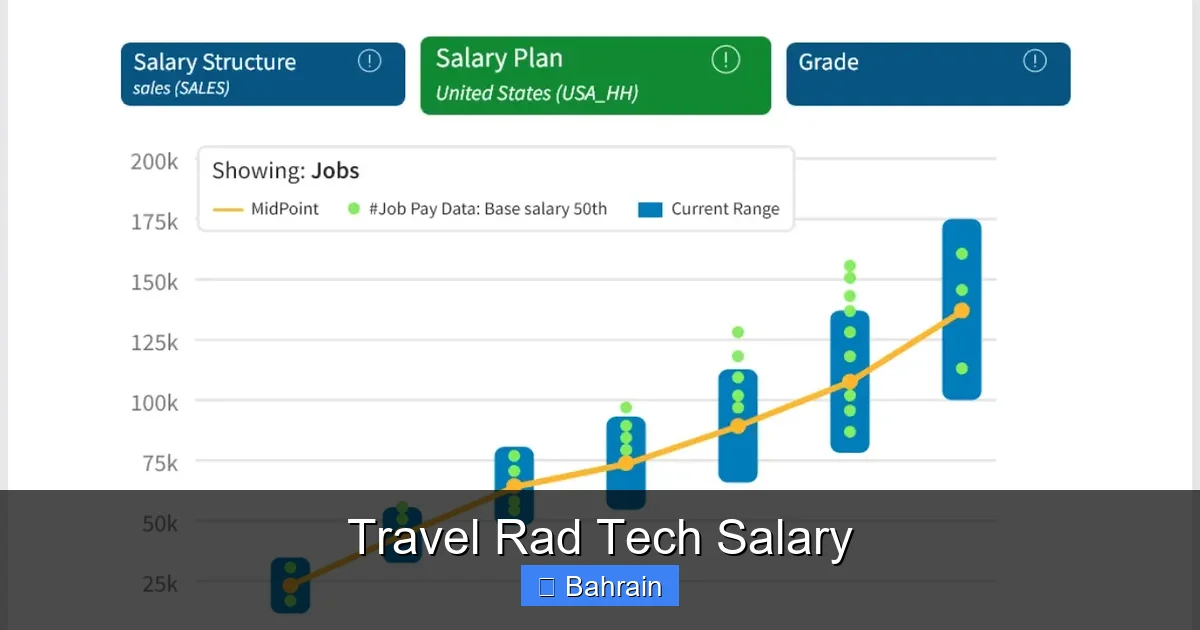
Visual guide about Travel Rad Tech Salary
Image source: salary.com
Location, Location, Location
Perhaps the biggest driver of travel rad tech salary is the assignment location. High-demand areas, often those with critical staffing shortages, remote regions, or states with a higher cost of living, typically offer the most lucrative contracts. For example, states like California, New York, and some parts of New England frequently have some of the highest travel rad tech salary offerings in the United States due to a combination of demand and higher living expenses. Conversely, states with a surplus of rad techs or lower living costs might offer less competitive rates. Flexibility in where you are willing to work directly correlates with your earning potential.
Experience and Specialization
Your level of experience and any specialized certifications you hold will significantly impact your travel rad tech salary. Entry-level rad techs will generally earn less than those with several years of experience. Furthermore, holding advanced certifications through the American Registry of Radiologic Technologists (ARRT) in modalities like MRI, CT, Mammography, or Interventional Radiology (IR) makes you a more valuable asset. These specialized skills are often in higher demand and can command a premium, substantially boosting your travel rad tech salary compared to general radiography roles.
Contract Duration and Urgency
The length and urgency of a contract also influence the pay rate. Shorter, “crisis” contracts (e.g., 4-6 weeks) often come with higher hourly rates and bonuses because facilities need immediate staffing. Longer contracts (13 weeks or more) might have a slightly lower hourly rate but offer more stability. Facilities also offer better pay for urgent needs, such as filling a last-minute vacancy or covering for an unexpected leave, directly impacting the overall travel rad tech salary package.
Agency vs. Direct Hire
The vast majority of travel rad tech positions are secured through specialized staffing agencies. These agencies negotiate rates with hospitals, handle payroll, and often manage housing and benefits. Different agencies have different pay structures and relationships with facilities, meaning the same job might be offered at slightly different rates by competing agencies. While less common, direct hires by hospitals for travel contracts might exist, potentially cutting out the middleman and offering a higher direct travel rad tech salary, but this also means you’d be responsible for all your own travel logistics and benefits.
Time of Year
Healthcare demand can fluctuate seasonally. For instance, flu season or certain holiday periods might see an increase in patient volume and, consequently, a rise in demand for travel rad techs. This seasonal demand can lead to higher pay rates and more lucrative travel rad tech salary offers during peak times.
Regional Salary Variations and International Opportunities
While the concept of a “travel rad tech” is most prevalent and defined in the United States, understanding regional salary variations globally, and looking at international opportunities, is crucial for any skilled radiologic technologist contemplating their earning potential. From a Bahraini perspective, exploring these global benchmarks helps contextualize career growth and financial prospects.
US Market Overview: A Benchmark for Travel Rad Tech Salary
The United States serves as the primary market for travel rad techs, largely due to its vast and often fragmented healthcare system, leading to frequent staffing gaps. As mentioned, states like California, New York, and Massachusetts frequently top the charts for the highest average travel rad tech salary. For example, a travel rad tech in California specializing in CT or MRI could potentially earn upwards of $2,500 – $4,000+ per week in total compensation (including stipends), depending on the contract and agency. The Midwest and Southern states, while perhaps offering lower base hourly rates, can still provide excellent overall compensation when factoring in favorable stipends relative to the lower cost of living.
Comparing to International Opportunities (with a Middle East Perspective)
When considering a global perspective, it’s important to differentiate between the US-style “travel rad tech” model (short-term, high-stipend contracts) and international “expat” or “permanent relocation” roles for radiologic technologists. While direct “travel rad tech” roles in the US sense are less common within countries outside North America, there are significant opportunities for skilled rad techs globally, particularly for those looking to relocate for a period.
For a radiologic technologist from or residing in Bahrain, exploring international opportunities in regions like the Middle East (e.g., Saudi Arabia, UAE, Qatar) can be highly lucrative. These countries often recruit experienced international healthcare professionals, offering competitive, tax-free salaries, housing allowances, flight tickets, and comprehensive benefits packages for permanent or long-term contracts. While not “travel rad tech” in the same vein as a 13-week assignment in a new US state, these positions provide an attractive alternative for global mobility and high earning potential for a skilled rad tech.
For instance, an experienced rad tech moving to a major hospital in the UAE or Saudi Arabia might secure an all-inclusive package that rivals or even exceeds the net income of a high-end US travel rad tech salary, especially when considering the lack of income tax in many GCC countries. While specific figures vary wildly based on experience, specialty, and the hiring institution, these international permanent roles can offer annual packages ranging from $50,000 to $90,000 USD equivalent (or more for highly specialized roles), often with significant perks. This demonstrates that for a Bahraini rad tech considering their career and financial future, looking beyond the traditional “travel rad tech” definition to encompass global permanent assignments can also lead to substantial financial rewards and diverse professional experiences.
Maximizing Your Travel Rad Tech Salary
You’ve seen the potential; now, how do you ensure you’re getting the most out of your career? Maximizing your travel rad tech salary requires a proactive and strategic approach. It’s not just about taking any assignment; it’s about taking the *right* assignments and making smart financial decisions.
Negotiation Strategies
Never accept the first offer without considering negotiation. Agencies often have some wiggle room on rates, especially for in-demand skills or locations. You can negotiate not only your base hourly rate but also your stipends, completion bonuses, and even the terms of your health insurance. Research current market rates for your specialty and location to come to the table armed with data. Don’t be afraid to politely counter-offer, emphasizing your experience and certifications. A small increase in your hourly rate can add up significantly over a 13-week contract, boosting your overall travel rad tech salary.
Gaining Specialized Certifications
As mentioned, specialized skills command higher pay. Invest in your career by pursuing additional ARRT certifications in modalities like MRI, CT, Mammography, or Vascular Interventional Radiography (VIR). These credentials make you more versatile, more desirable to facilities, and give you leverage to secure higher-paying contracts. The initial investment in time and money for certification will pay dividends in the form of a significantly higher travel rad tech salary throughout your career.
Flexibility and Adaptability
The more flexible you are, the more opportunities you’ll have to find lucrative contracts. This includes being open to working in less glamorous locations, taking on evening or night shifts, or accepting contracts on short notice. Facilities are often willing to pay a premium for rad techs who can fill these less desirable or urgent roles. Embracing change and being adaptable to different hospital systems and equipment also makes you a more valuable and sought-after travel rad tech.
Smart Budgeting and Financial Planning
Understanding the tax implications of your travel rad tech salary is paramount. Consult with an accountant specializing in travel healthcare professionals to ensure you’re maximizing your tax-free stipends and properly accounting for expenses. Create a strict budget to manage your income, especially during periods between contracts. The ability to save aggressively during high-earning periods will provide financial security and allow you to be more selective with future assignments, further optimizing your earning potential and overall travel rad tech salary.
The Lifestyle vs. The Paycheck: Is It Worth It?
While the attractive travel rad tech salary is a powerful motivator, it’s equally important to consider the unique lifestyle that comes with this career path. For many, the benefits extend far beyond the financial rewards, creating a truly enriching professional and personal journey.
Work-Life Balance and Freedom
For some, the travel rad tech lifestyle offers an unparalleled sense of freedom and control over their work-life balance. You have the ability to choose when and where you work, allowing for extended breaks between contracts to travel, pursue hobbies, or spend time with family. This flexibility can be a significant perk, offering a refreshing change from the routine of a permanent position. However, it’s also true that being constantly on the move, adapting to new environments, and often working demanding shifts can be challenging. The perceived work-life balance depends heavily on individual preferences and adaptability.
Career Growth and Exposure
Working in diverse healthcare settings exposes you to a wide array of equipment, techniques, and patient populations. This constant learning and adaptation can significantly accelerate your professional growth, making you a more well-rounded and experienced rad tech. You’ll gain valuable insights into different hospital protocols and departmental cultures, broadening your skill set and enhancing your resume. This exposure can open doors to leadership roles or highly specialized positions in the future, further impacting your long-term travel rad tech salary potential.
The Allure of New Experiences
One of the most appealing aspects of being a travel rad tech is the opportunity to explore new cities, states, and even countries. You get to immerse yourself in different cultures, try new cuisines, and experience local attractions – all while earning a competitive travel rad tech salary. For those with a strong sense of adventure, this aspect of the job is invaluable. It’s a chance to build a rich tapestry of life experiences, meet new people, and see the world from a unique perspective, making the journey as rewarding as the destination.
In conclusion, the career of a travel rad tech offers a compelling blend of professional challenge, financial reward, and personal adventure. The robust travel rad tech salary, boosted by tax-free stipends and various bonuses, can significantly improve your financial standing. By understanding the intricate compensation structure, recognizing the factors that influence pay, and strategically navigating your career choices, you can unlock a highly lucrative path. While it demands adaptability and a willingness to embrace change, the opportunity for career growth, diverse experiences, and an enviable paycheck makes becoming a travel rad tech an incredibly attractive option for skilled radiologic technologists worldwide, including those looking from or within Bahrain.
Frequently Asked Questions
How does experience affect a travel rad tech salary?
Experience significantly impacts a travel rad tech salary, with more experienced professionals often commanding higher hourly rates and greater negotiation leverage. Entry-level travel positions are less common, and most agencies prefer at least 1-2 years of clinical experience before considering travel assignments.
Can I choose where I want to travel as a rad tech?
Yes, you can specify your preferred locations, but flexibility increases your chances of securing higher-paying contracts. Being open to less popular destinations or areas with critical shortages often leads to more lucrative travel rad tech salary offers.
What certifications are most valuable for a higher travel rad tech salary?
Certifications in modalities like MRI, CT, and Mammography from the ARRT are highly valuable. These specialized skills are in high demand across many facilities, directly leading to a more competitive travel rad tech salary.
How do I find travel rad tech agencies?
You can find travel rad tech agencies through online searches, professional networking sites, and industry job boards. It’s advisable to research and communicate with multiple agencies to compare contract offerings and find the best fit for your travel rad tech salary expectations and career goals.
Is it possible to take time off between contracts as a travel rad tech?
Absolutely, one of the significant benefits of being a travel rad tech is the flexibility to schedule time off between assignments. This allows you to recharge, travel for leisure, or attend to personal matters, offering a unique work-life balance not always found in permanent roles.
How do taxes work for a travel rad tech salary?
Taxes for a travel rad tech salary can be complex due to the combination of taxable hourly wages and non-taxable stipends. It’s highly recommended to consult with a tax professional experienced in travel healthcare to understand your obligations and maximize your deductions, especially regarding maintaining a “tax home.”